Artwork
Bacchus and Ceres
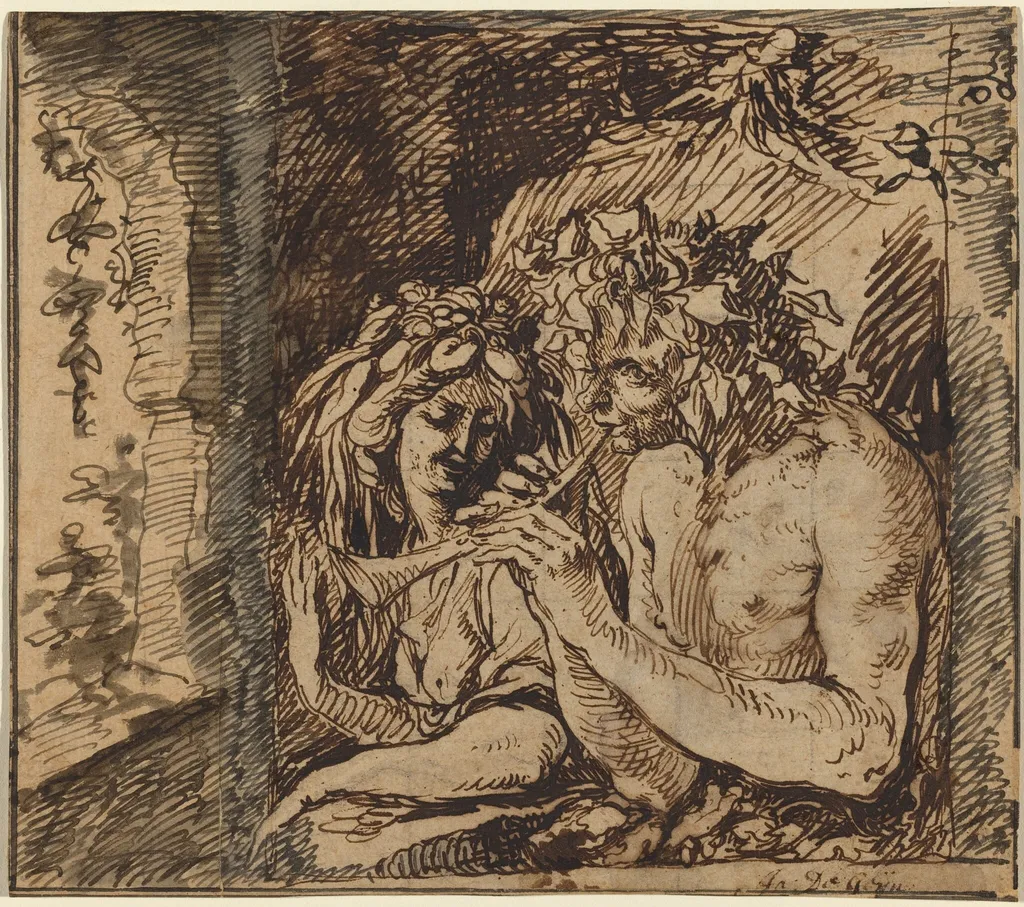
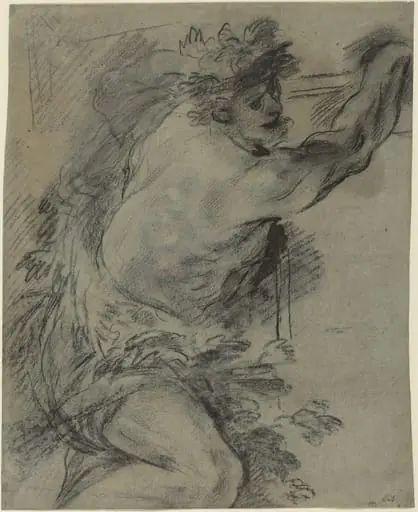
Bacchus and Ceres is an ink drawing by the Renaissance artist Jacques de Gheyn II. It dates from 1597 and is held in the collection of the National Gallery of Art.
About this work
Overview
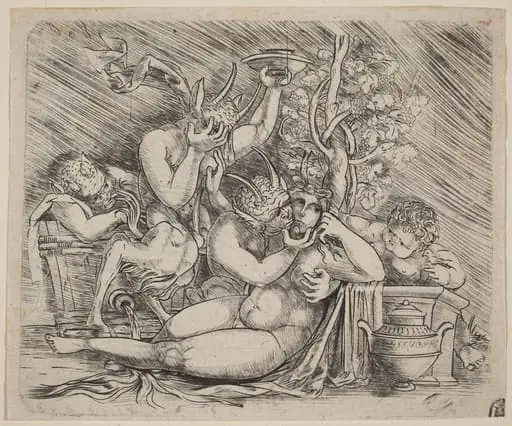
Created in 1597 by Jacques de Gheyn II, this drawing depicts the mythological figures Bacchus and Ceres in a dynamic, loosely rendered composition.
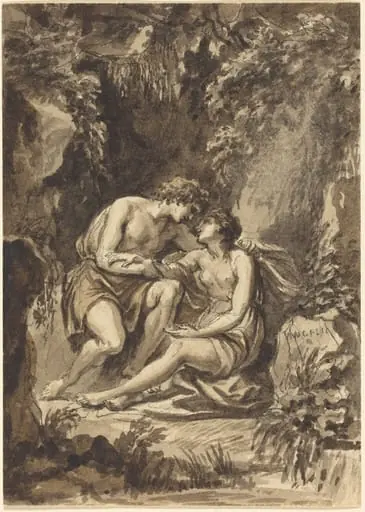
Created in 1597 by Jacques de Gheyn II, this drawing depicts the mythological figures Bacchus and Ceres in a dynamic, loosely rendered composition. Executed in pen and brown ink, the work features an added fragment of paper on the left side, bearing later ink markings by an unknown hand. The original drawing is characterized by its energetic line work and dense, atmospheric background, suggesting movement and emotional tension rather than formal clarity.
Subject & Meaning
The figures represent Bacchus, god of wine, and Ceres, goddess of agriculture, likely illustrating their mythological connection through fertility and abundance. The woman, slumped and draped in flowing lines, may signify Ceres in a state of grief or surrender, while the bearded, leaf-crowned figure embodies Bacchus’s wild, untamed nature. Their entangled forms evoke a moment of intimate or chaotic interaction, reflecting themes of nature’s cycles and divine interdependence.
Technique & Style
De Gheyn employed dense cross-hatching to model form and suggest volume with minimal means. The figures emerge from a tangle of rapid, overlapping strokes that mimic foliage or stormy motion, blurring boundaries between bodies and environment. The rough, almost calligraphic rendering of fabric and hair conveys texture through line alone, avoiding smooth contours. The addition of later ink marks on the appended paper fragment reveals the drawing’s evolving reception and possible reuse.
History & Provenance
The drawing was completed in 1597 during de Gheyn’s active period in the Netherlands. The later addition of ink lines on a separate paper fragment suggests the work was preserved and altered by another hand, possibly a collector or student, in the decades following its creation. Its survival in this altered state offers insight into how early modern drawings were treated as mutable objects, valued for their expressive potential beyond finished compositions.
Context
In late 16th-century Northern Europe, mythological subjects were frequently explored in drawings as studies for larger works or as independent expressions of intellectual and aesthetic interest. De Gheyn, trained in the tradition of Flemish draftsmanship, used ink to capture fleeting gestures and emotional states. This work aligns with a broader trend of artists turning to classical themes to explore human and natural forces through expressive line rather than polished finish.
Legacy
Though not widely reproduced, the drawing exemplifies the expressive potential of pen and ink in the late Renaissance. Its raw energy and layered history—original work combined with later intervention—highlight how drawings functioned as living documents. Scholars value it for its technical economy and the insight it provides into the informal, experimental side of early modern artistic practice.
Artist & collection


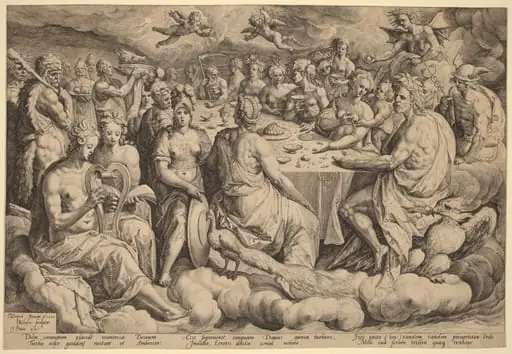 Banquet of the Gods at the Wedding of Peleus and Thetis
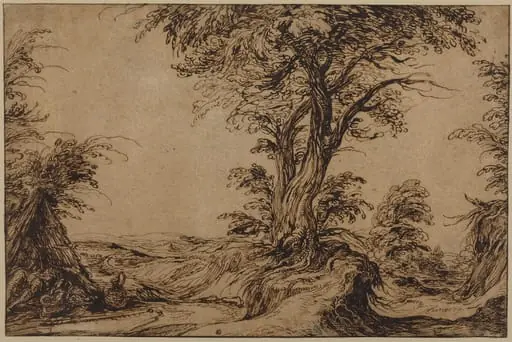 Landscape with Sleeping Peasants
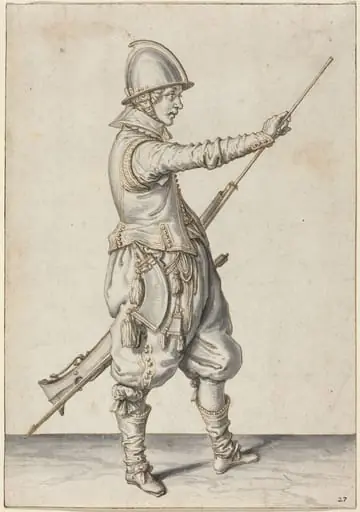 Elegantly Dressed Soldier Tamping His Caliver
 Elegantly Dressed Soldier Preparing to Fire His Caliver
![Witchcraft Scene with a Vampire [recto], by Jacques de Gheyn II](https://artifactworldgallery.com/img/jacques-de-gheyn-ii--witchcraft-scene-with-a-vampire-recto--a791adbd7e97db30-w320.webp) Witchcraft Scene with a Vampire [recto]
Witchcraft Scene with a Vampire [recto] Saint Matthew
 Carolus Clusius, Professor of Botany at Leyden
 Return from the Flight into Egypt