Artwork
Saint Matthew
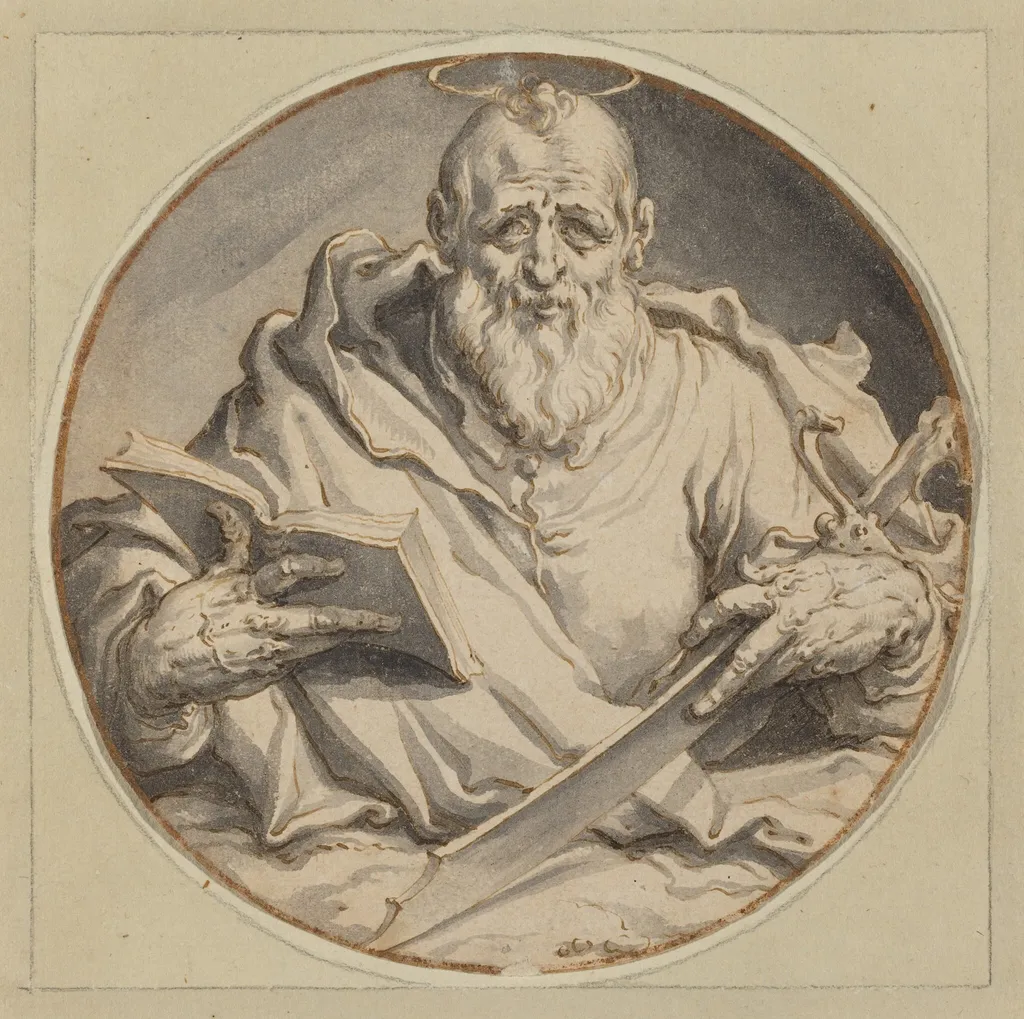
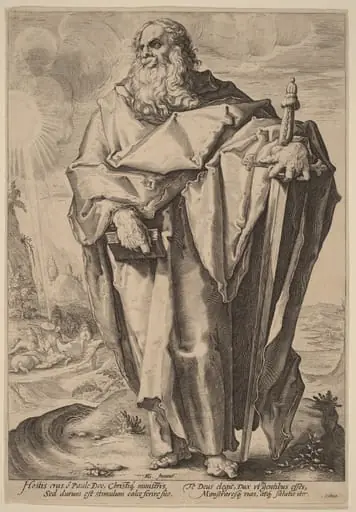
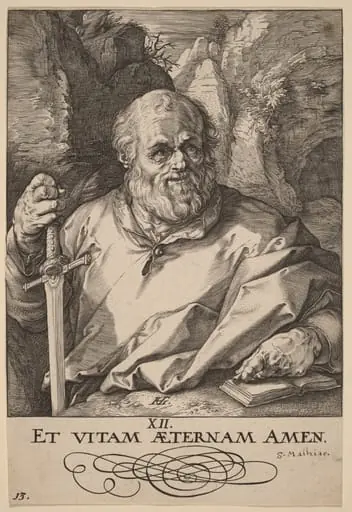
Saint Matthew is an ink drawing by the Renaissance artist Jacques de Gheyn II. It dates from 1588 and is held in the collection of the National Gallery of Art.
About this work
Overview
This drawing by Jacques de Gheyn II, dated around 1588, portrays Saint Matthew in pen and brown ink with gray wash on laid paper.
This drawing by Jacques de Gheyn II, dated around 1588, portrays Saint Matthew in pen and brown ink with gray wash on laid paper. It is a study in monochrome, emphasizing form and texture through subtle tonal gradations. The figure is rendered with precision, suggesting the artist’s focus on spiritual presence rather than narrative context. The medium and technique align with Northern Renaissance practices of the late 16th century.
Subject & Meaning
Saint Matthew, one of the twelve apostles and traditionally regarded as the author of the first Gospel, is depicted with attributes of his martyrdom and scholarly role. He holds a book, symbolizing his gospel, and a sword, referencing his death by beheading. The halo confirms his sanctity, while his downward gaze conveys introspection, aligning with the contemplative nature of divine inspiration.
Technique & Style
Gheyn employed fine pen lines and layered gray washes to model the figure’s form, creating volume through controlled hatching and tonal variation. The absence of color focuses attention on structure and light, a hallmark of preparatory drawings from this period. The textured paper enhances the ink’s absorption, contributing to the quiet intensity of the portrait and reflecting the artist’s mastery of linear economy.
History & Provenance
Created during Gheyn’s early career in the Netherlands, the drawing likely served as a study for a larger work or as an independent devotional image. It entered institutional collections in the 19th century and is now held in a major European museum. Its survival in good condition reflects its status as a carefully preserved example of late Renaissance draftsmanship.
Context
In the late 1500s, religious subjects remained central to Northern European art despite the Reformation’s impact. Artists like Gheyn continued to produce devotional imagery, often for private or scholarly audiences. Drawings such as this one functioned both as artistic exercises and as tools for spiritual reflection, bridging the gap between ecclesiastical tradition and humanist inquiry.
Legacy
This drawing exemplifies the transition from oil painting to refined graphic expression in early modern art. Gheyn’s disciplined technique influenced later generations of draftsmen, particularly in the Netherlands. Its preservation underscores the growing appreciation for drawings as autonomous works, not merely preparatory studies, marking a shift in how artistic process was valued.
Artist & collection


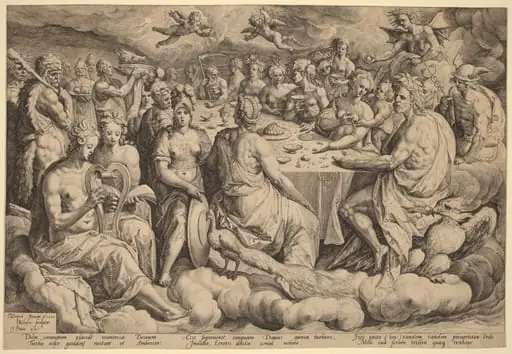 Banquet of the Gods at the Wedding of Peleus and Thetis
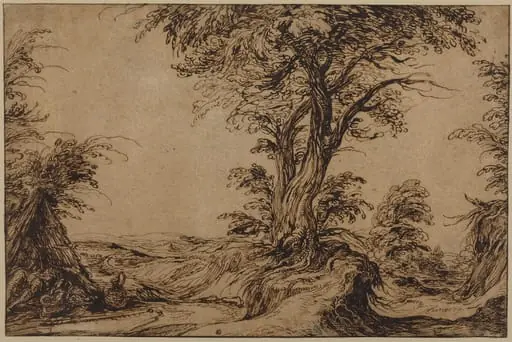 Landscape with Sleeping Peasants
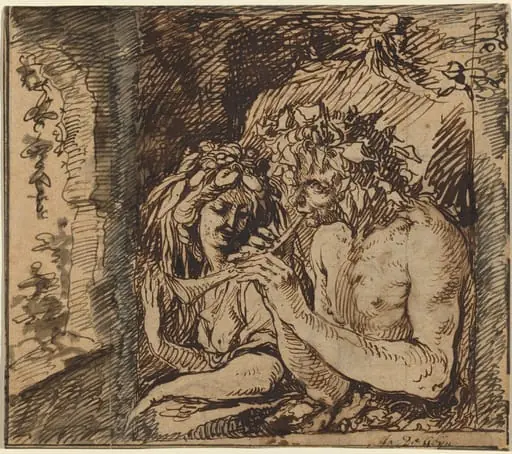 Bacchus and Ceres
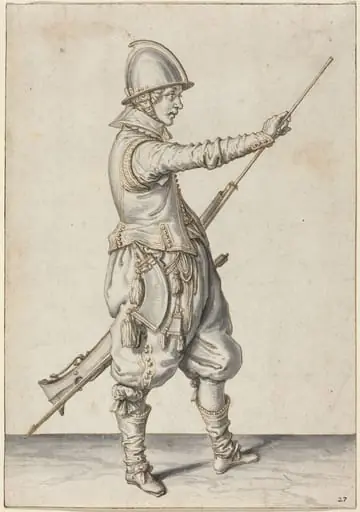 Elegantly Dressed Soldier Tamping His Caliver
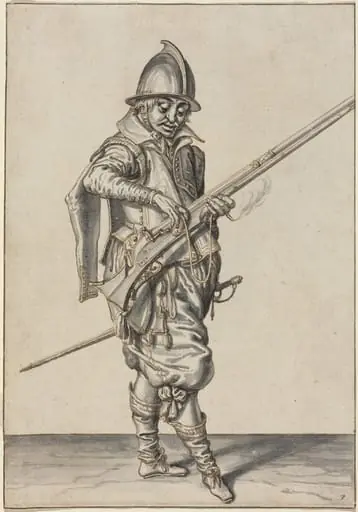 Elegantly Dressed Soldier Preparing to Fire His Caliver
![Witchcraft Scene with a Vampire [recto], by Jacques de Gheyn II](https://artifactworldgallery.com/img/jacques-de-gheyn-ii--witchcraft-scene-with-a-vampire-recto--a791adbd7e97db30-w320.webp) Witchcraft Scene with a Vampire [recto]
Witchcraft Scene with a Vampire [recto]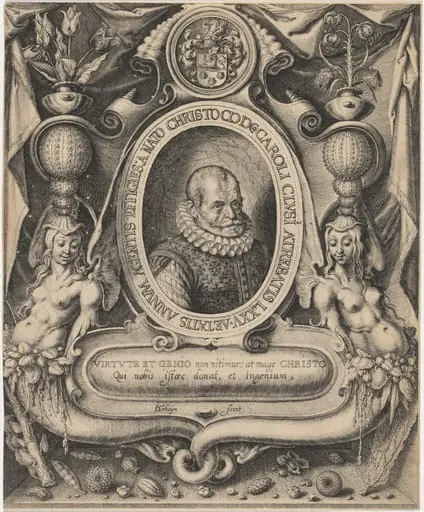 Carolus Clusius, Professor of Botany at Leyden
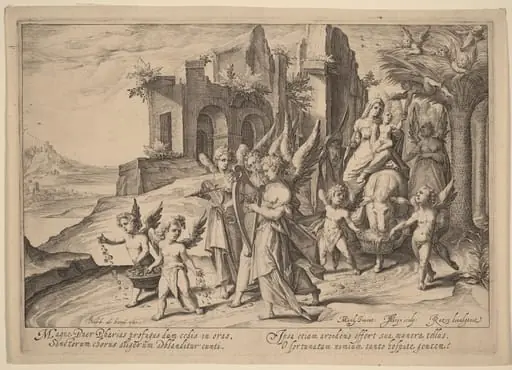 Return from the Flight into Egypt