Artwork
Perseus and Andromeda
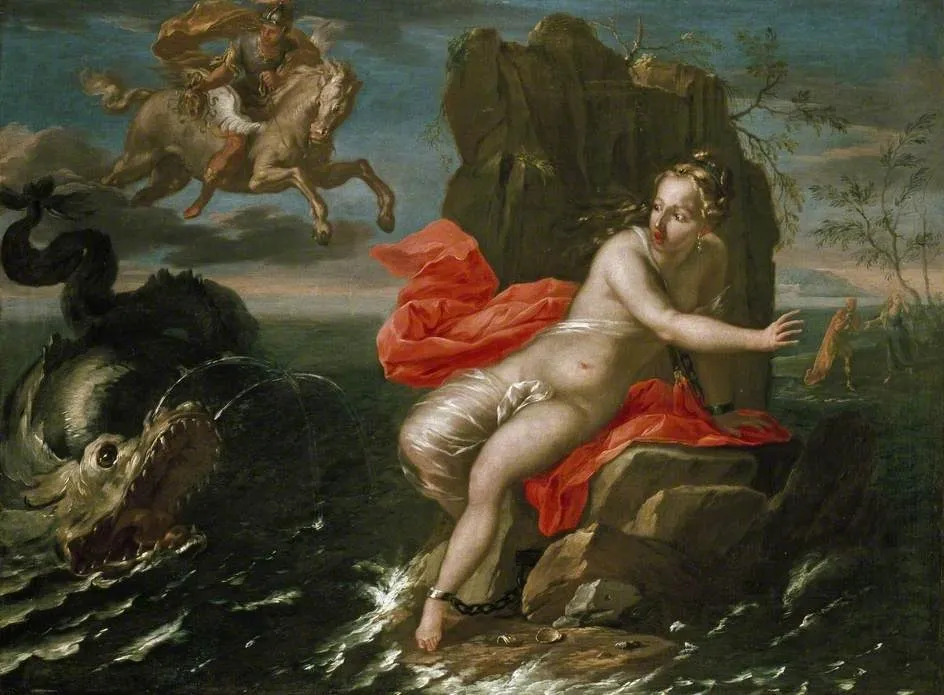
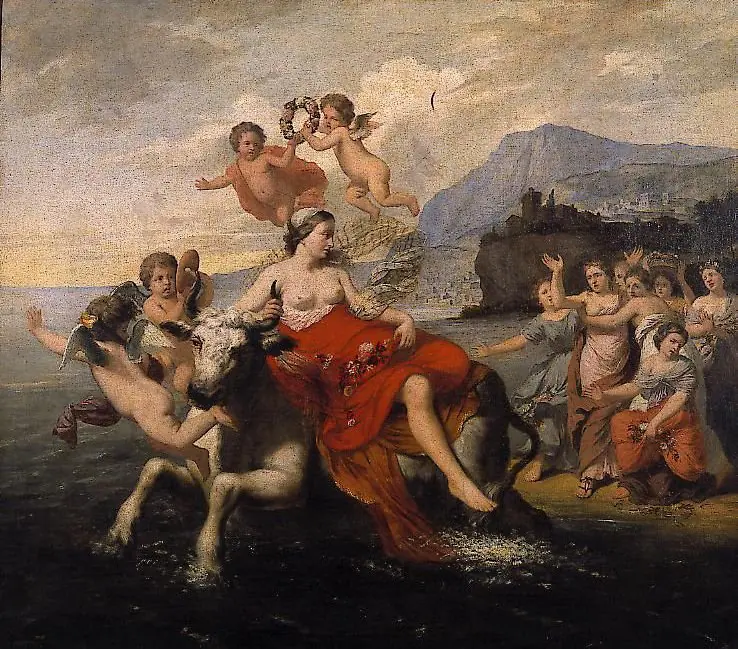
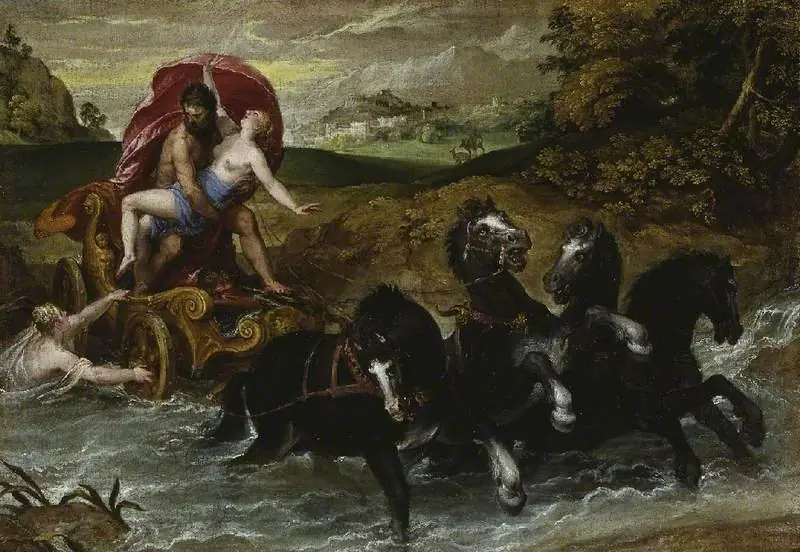
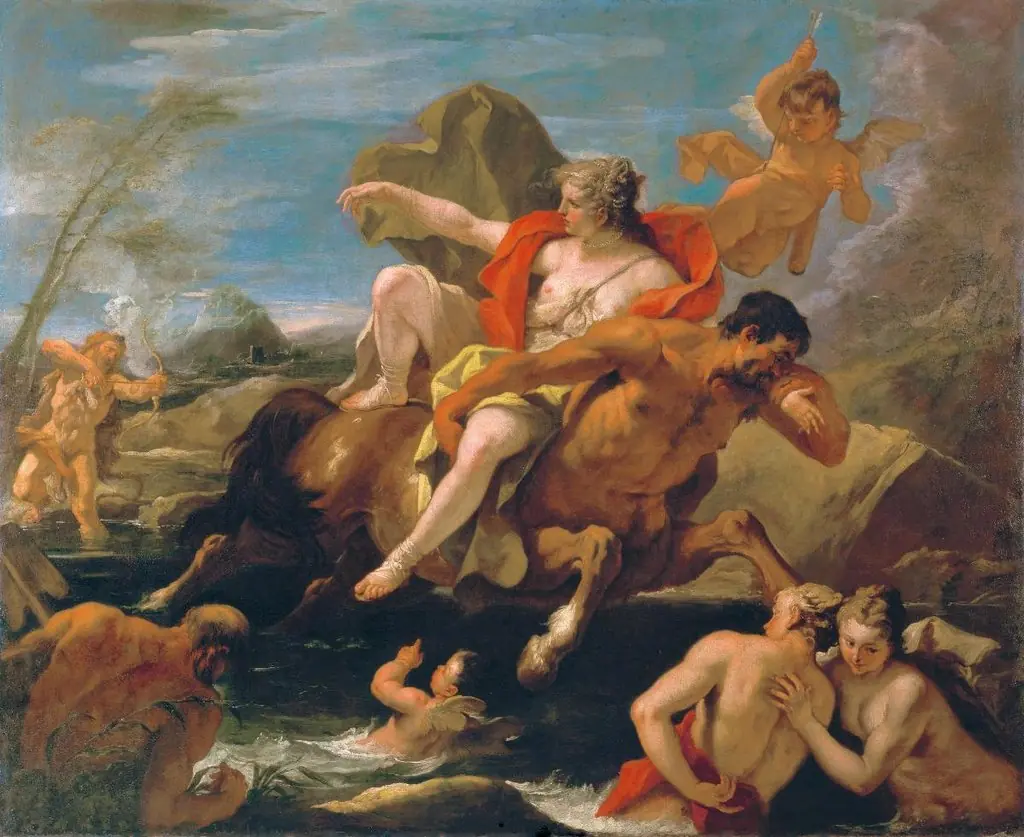
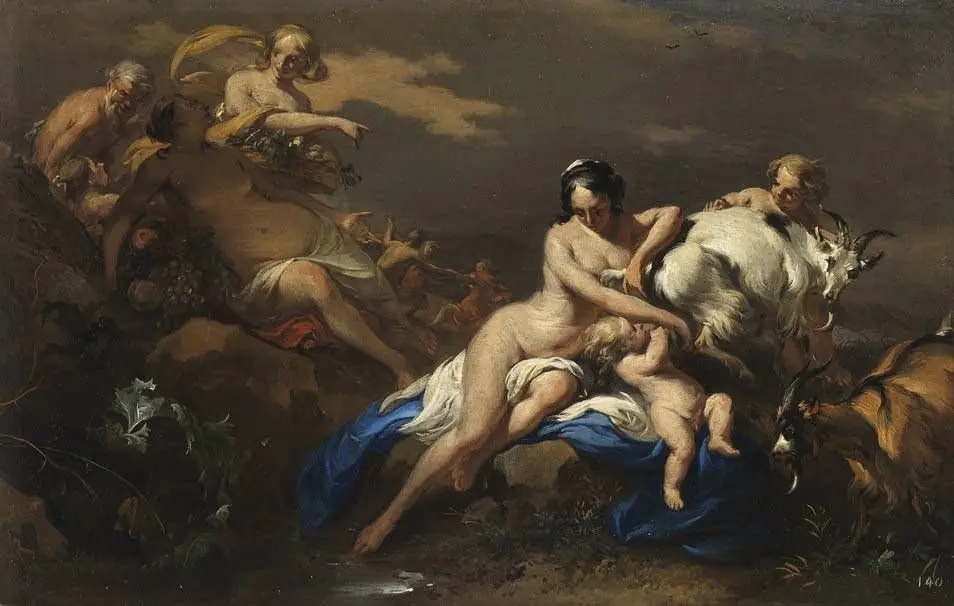
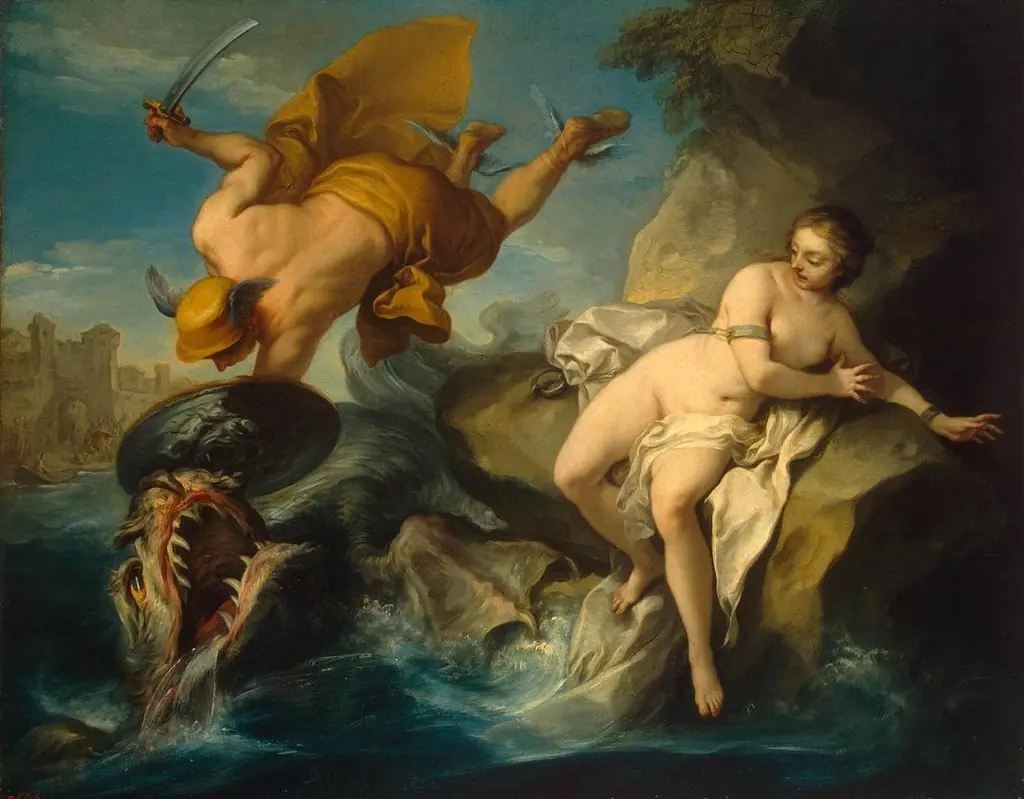
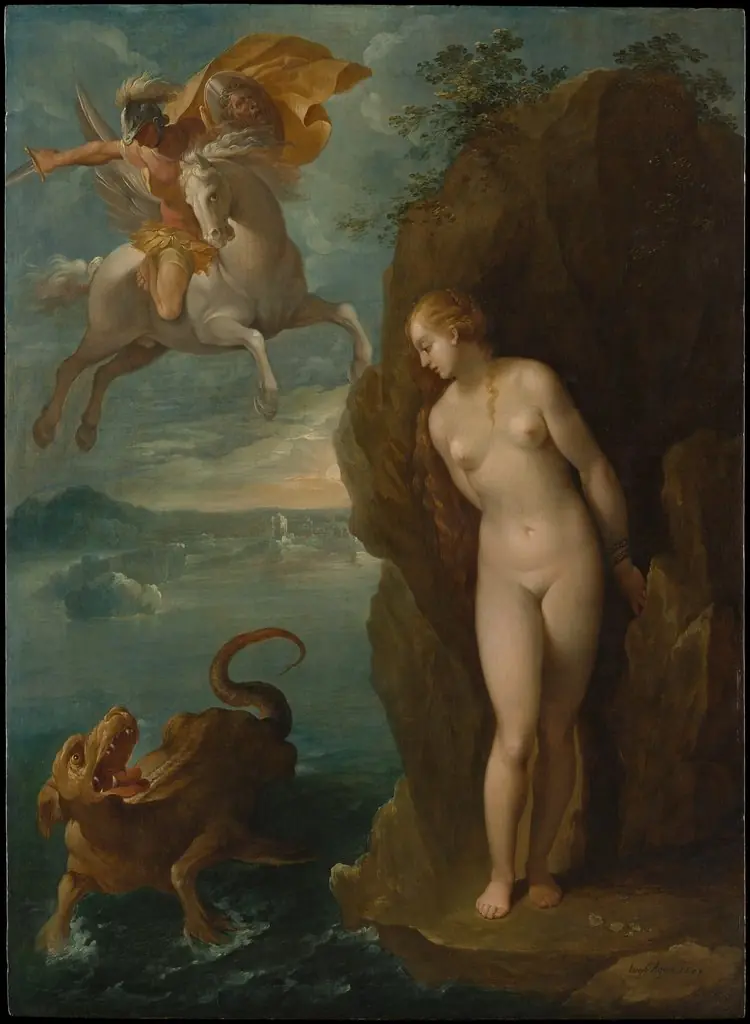
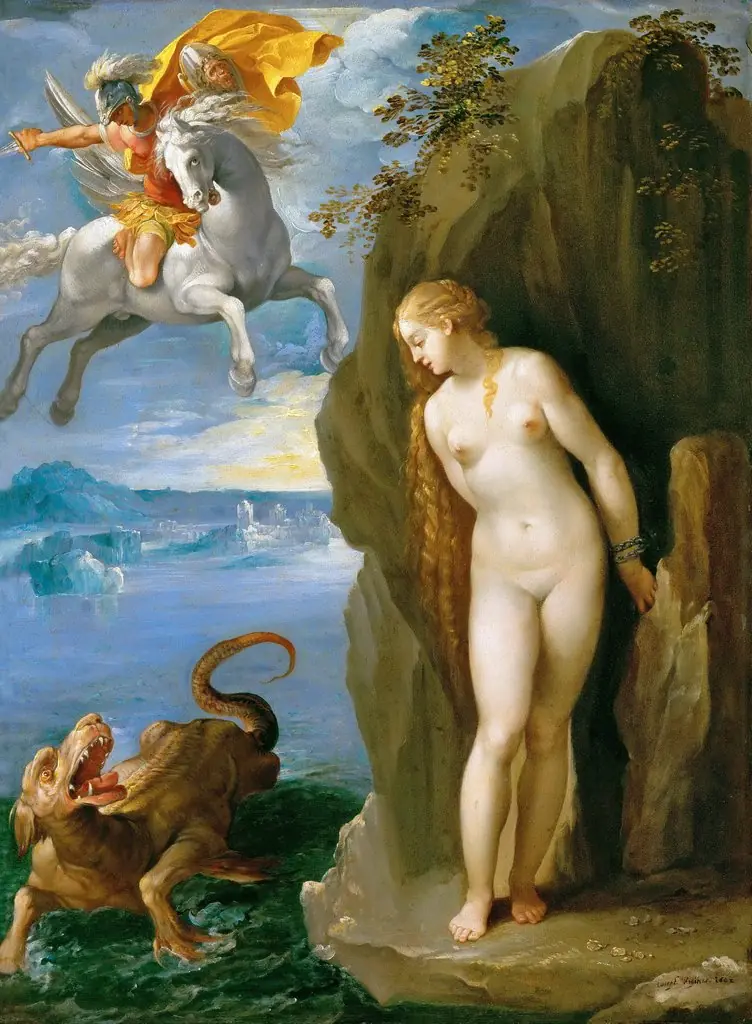
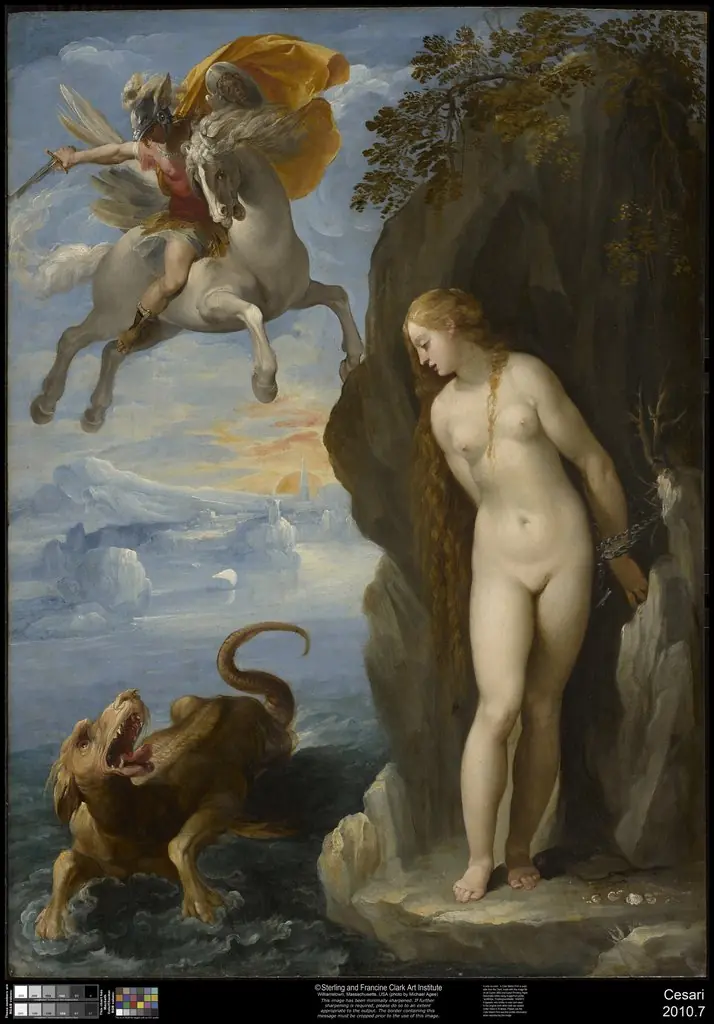
Perseus and Andromeda is an oil painting by the Barbizon school artist Giacomo Bolognini. It dates from 1709 and is held in the collection of the Ashmolean Museum.
About this work
Overview
Created circa 1709 by the Bolognese Baroque painter Giacomo Bolognini, this oil on canvas presents a vivid episode from Greek myth. The composition is now part of the Ashmolean Museum’s collection, where it remains a notable example of early‑18th‑century narrative painting.
Subject & Meaning
The scene captures the moment when Perseus, mounted on a winged horse, confronts the sea monster threatening Andromeda, who is bound to a rocky shore. Andromeda’s crimson dress billows in the wind as she looks toward her rescuer, embodying both vulnerability and anticipation.
Technique & Style
Bolognini employs pronounced chiaroscuro, juxtaposing illuminated figures against a storm‑darkened sky to heighten drama. The rendering of flesh, drapery, and the creature’s scales demonstrates the Baroque emphasis on dynamic movement and emotional intensity.
History & Provenance
The work was produced in the early 1700s, shortly after Bolognini’s relocation to Rome, and later entered the Ashmolean Museum’s holdings through a 19th‑century acquisition. Its documented provenance traces back to private collections in Italy before reaching the museum.
Context
While rooted in the Baroque tradition, the painting reflects the period’s fascination with classical mythology as moral allegory. The depiction of heroic rescue aligns with contemporary themes of virtue triumphing over chaos, a common narrative in the visual culture of the time.
Artist & collection
Artist
Giacomo Bolognini (1664–1734) was an Italian painter of the Baroque period. The nephew of Giovanni Battista Bolognini, he was born in Bologna. Married to Antonia Margherita Contoli, he had two sons, Giovanni Battista…