Artwork
Mercury
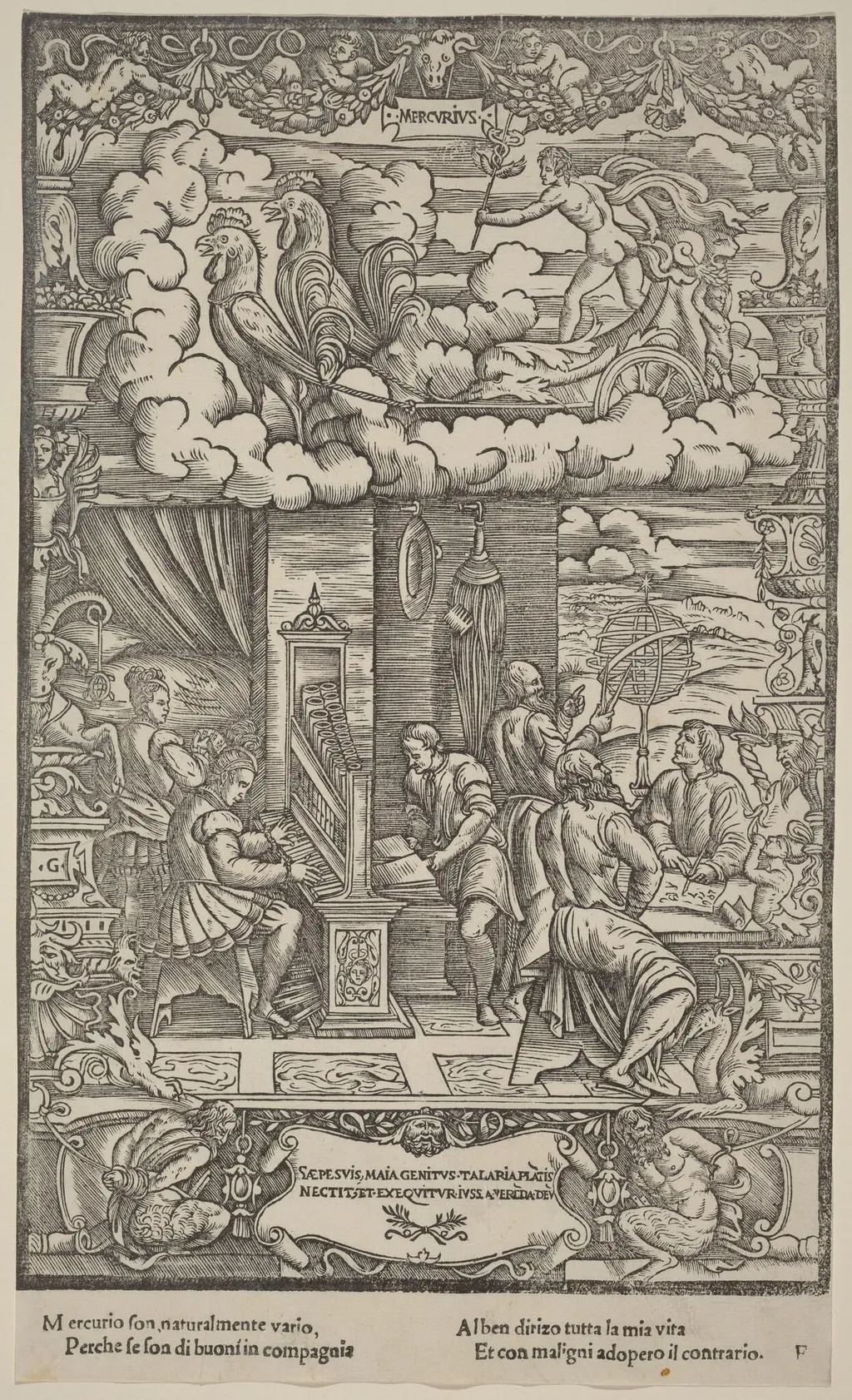
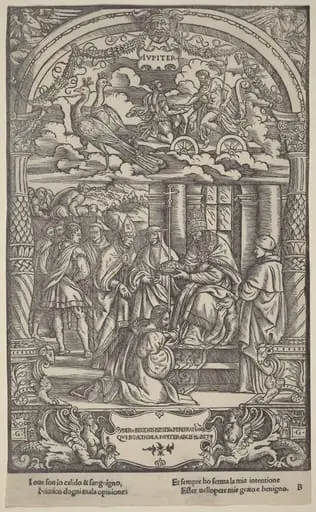
Mercury is an ink print by the Renaissance artist Gabriele Giolito de' Ferrara. It dates from 1534 and is held in the collection of the National Gallery of Art.
About this work
Overview
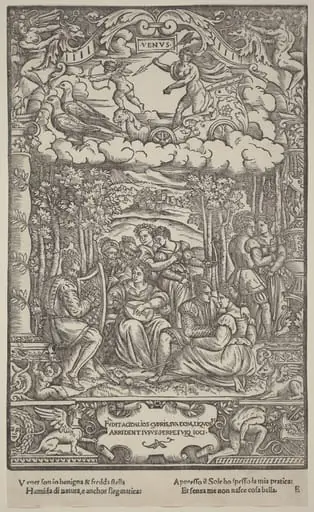
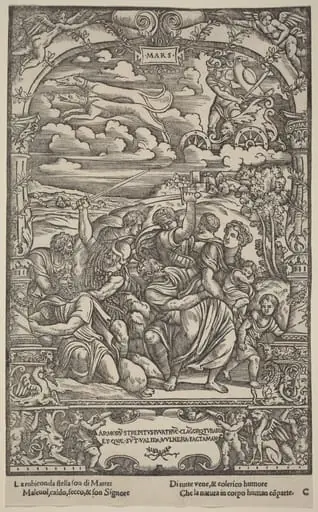
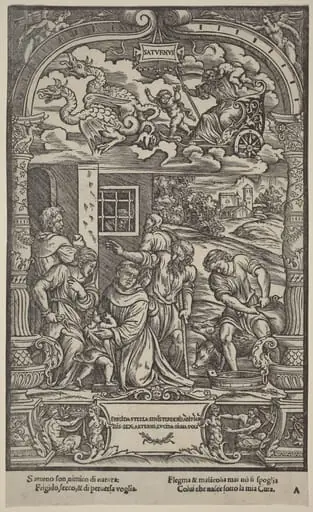
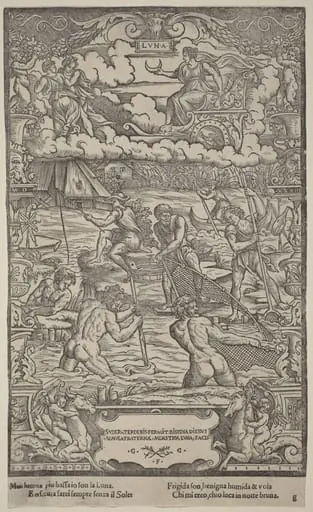
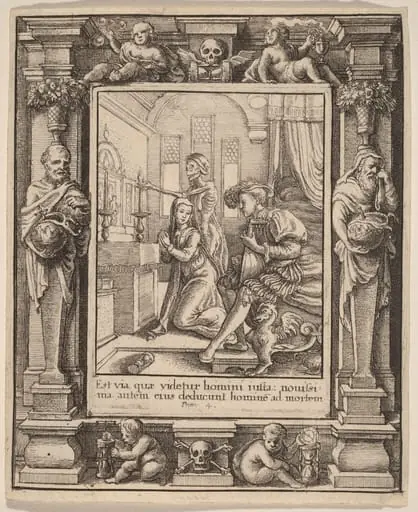
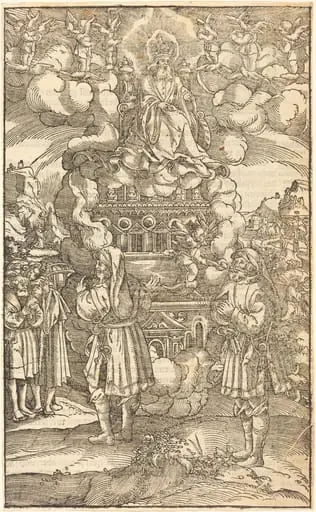
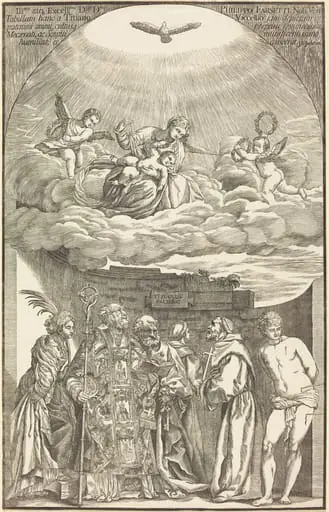
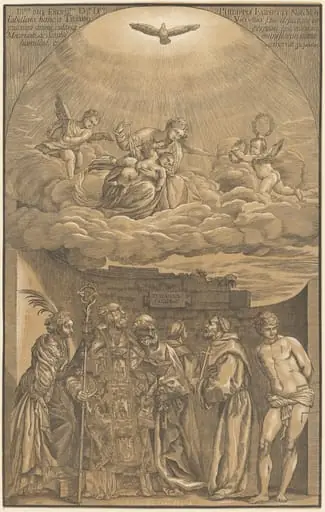
Mercury is a 1534 woodcut print by Giolito de' Ferrara, Gabriele, characterized by a densely populated black-and-white composition replete with symbolic figures and motifs.
Subject & Meaning
The print depicts Mercury (labeled as Mercurius), the Roman messenger god, alongside a rooster—a common attribute of Mercury. The scene juxtaposes mythological elements with everyday life, typical of Renaissance artistic practices that blended the mundane with the mythic.
Technique & Style
Executed in woodcut, the piece showcases intricate details achievable through this medium. The crowded composition, swirling vines, clouds, and hidden faces reflect the artist's skill in carving complex designs into wood for printing.
History & Provenance
Created in 1534 by Giolito de' Ferrara, Gabriele, specific details about the print's ownership history or exhibitions are not provided.
Context
Emerging from the Renaissance, this work exemplifies the period's tendency to interweave mythological themes with contemporary life, while the woodcut technique itself was a popular method for mass-producing images during this time.
Legacy
The legacy of 'Mercury' lies in its representation of Renaissance artistic tendencies and the enduring use of woodcut in early modern European art, though its broader impact or influence on later artists is not detailed.
Artist & collection