Artwork
Saint Stephen before the Council
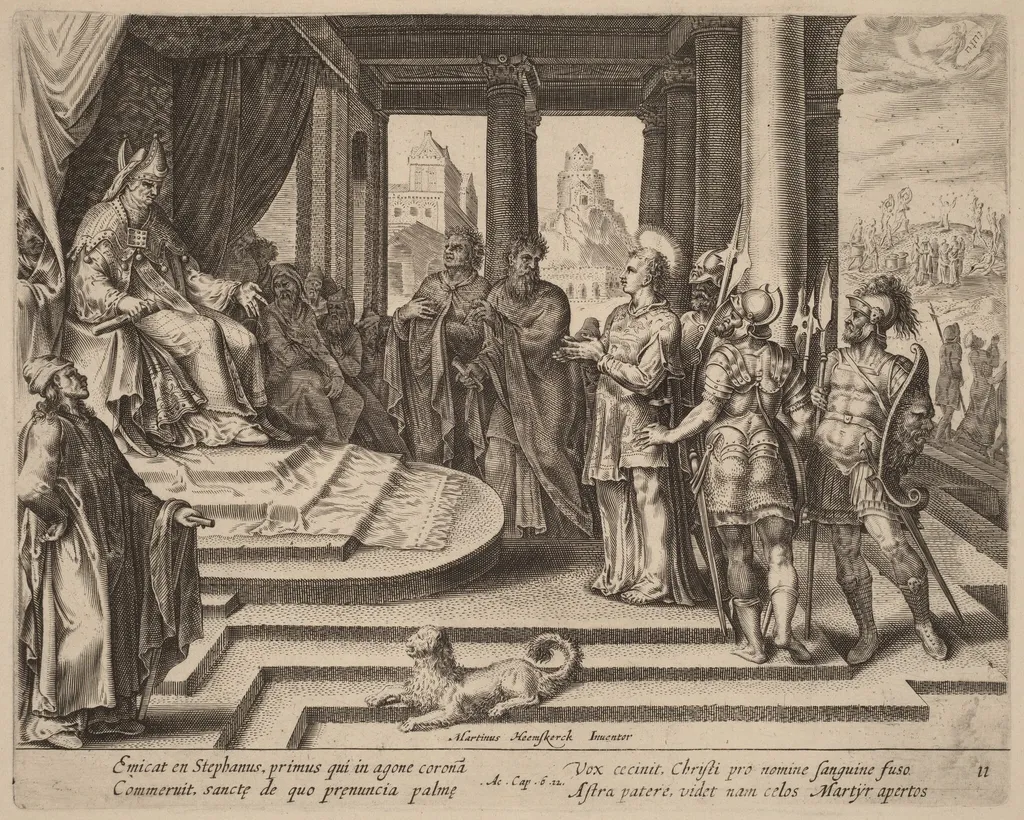
Saint Stephen before the Council is an ink print by the Renaissance artist Philip Galle. It dates from 1574 and is held in the collection of the National Gallery of Art.
About this work
Overview
Philip Galle’s 1574 engraving titled Saint Stephen before the Council presents a densely populated biblical tableau.
Philip Galle’s 1574 engraving titled Saint Stephen before the Council presents a densely populated biblical tableau. Rendered in black‑and‑white, the composition fills the picture plane with figures ranging from seated officials to standing onlookers, a central figure clutching a scroll, and even a dog at the lower edge. A modest architectural backdrop, hinted by a domed structure visible through a narrow opening, frames the scene.
Subject & Meaning
The print illustrates the moment when Stephen, recognized as Christianity’s first martyr, stands before the Jewish Sanhedrin to defend his faith. The gathering of magistrates, soldiers, and clerics underscores the tension between the nascent Christian community and the established religious authority, while the inclusion of everyday details—such as the dog and varied attire—grounds the narrative in a tangible, human setting.
Technique & Style
Executed entirely with fine, intersecting lines, the engraving achieves a delicate gradation of tone that models form and suggests depth. Galle’s handling of hatching creates subtle shadows on drapery and architecture, while the crowded composition demonstrates his skill in arranging multiple figures within a limited space without sacrificing clarity. The print’s monochrome palette reflects the conventions of late‑sixteenth‑century reproductive engraving.
History & Provenance
Created in the Netherlands during the late Renaissance, the work belongs to Galle’s prolific output as both designer and engraver. Known for publishing reproductions of earlier masters, Galle also produced original religious subjects, and this piece exemplifies his dual role. Surviving copies are documented in several European print collections, indicating its circulation among collectors of devotional imagery.
Context
The engraving emerges from a period when printed images served both devotional and instructional purposes, disseminating biblical stories to a broad audience. Galle’s workshop, one of the most active print houses of the era, contributed to the spread of Counter‑Reformation visual culture, using accessible media to reinforce narratives of martyrdom and faith.
Artist & collection
Artist
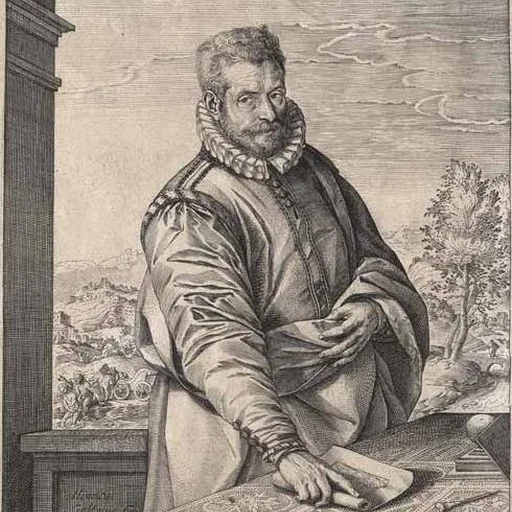
Philip (or Philips) Galle (1537 – March 1612) was a Dutch publisher, best known for publishing old master prints, which he also produced as designer and engraver. He is especially known for his reproductive engravings of paintings.

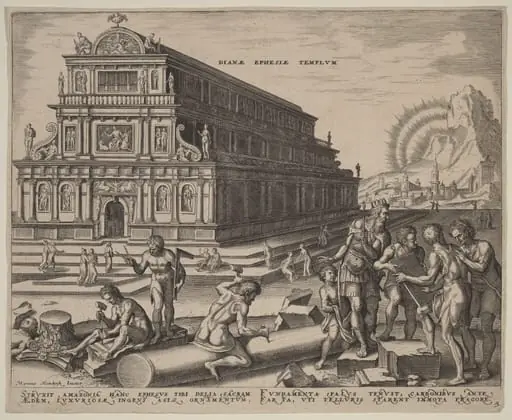 Dianae Ephesiae Templum (The Temple of Diana at Ephesus)
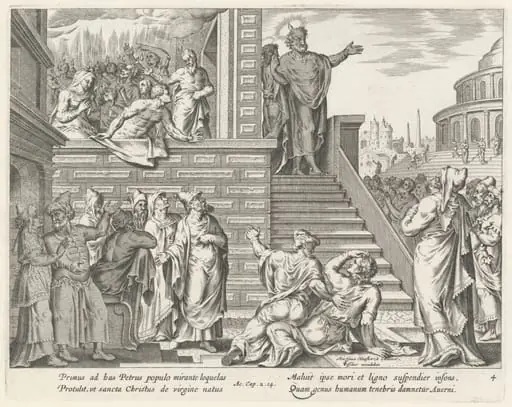 Saint Peter Speaks to the People about Christ
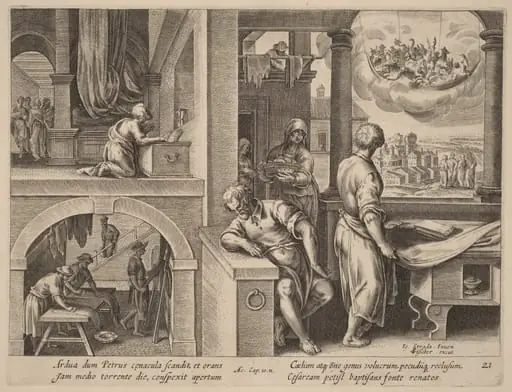 The Vision of Saint Peter
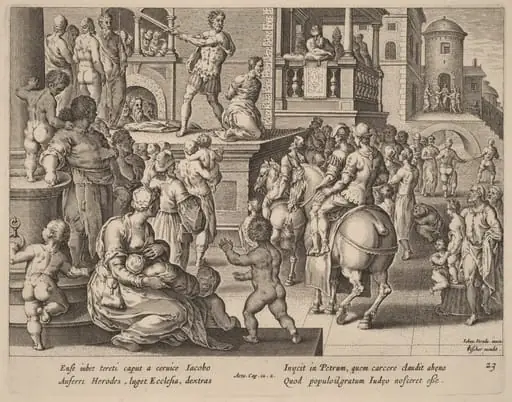 Beheading of Saint James
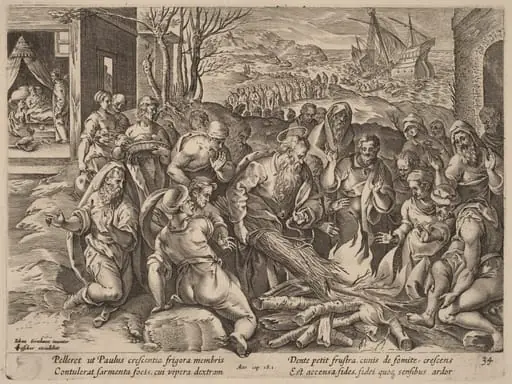 Saint Paul Shipwrecked on the Island of Melita
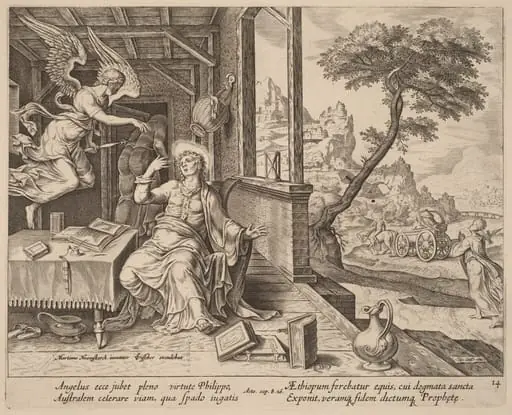 The Angel Orders Saint Philip to Accompany the Ethiopian Eunuch
 Notorious Examples of Wealth from Antiquity
 The Parable of the Wise and Foolish Virgins
 Saint Paul before the High Priest
 Saint Paul before Festus and Agrippa
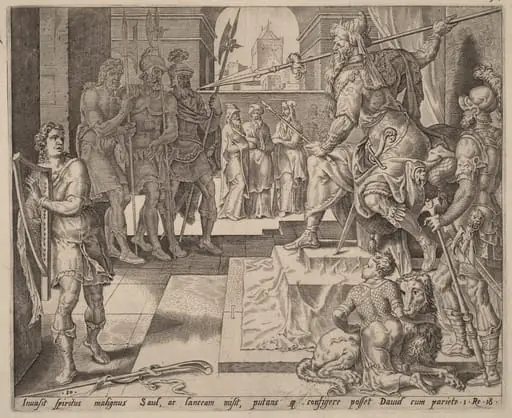 David before Saul
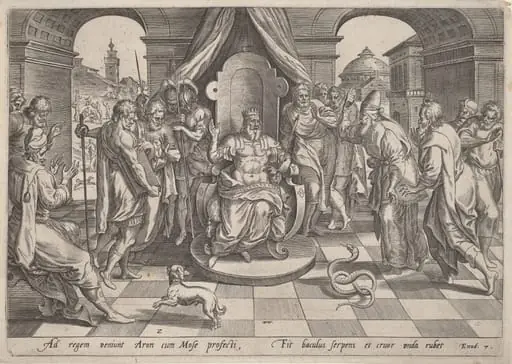 Moses and Aaron before the Pharaoh
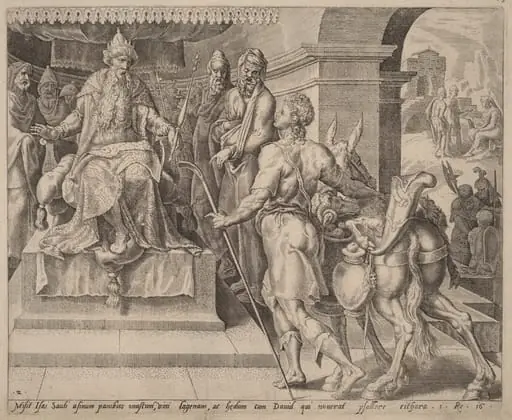 David Bringing Presents from His Father to Saul
 Moses and Aaron before the Pharoah
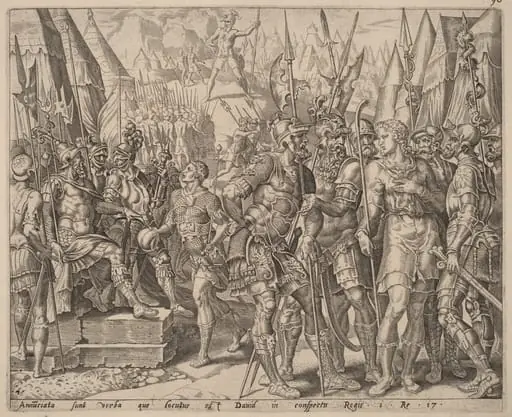 David's Brother Relating to Him Goliath's Challenge
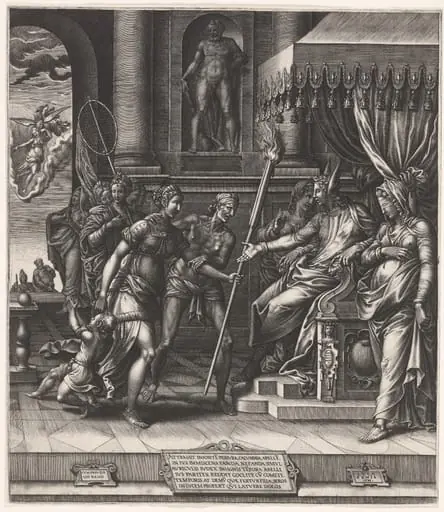 The Calumny of Apelles
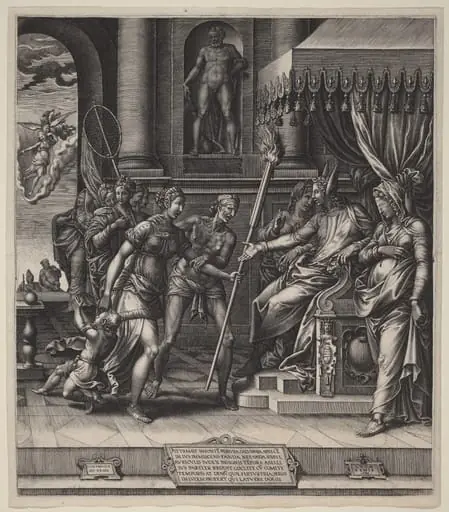 The Calumny of Apelles
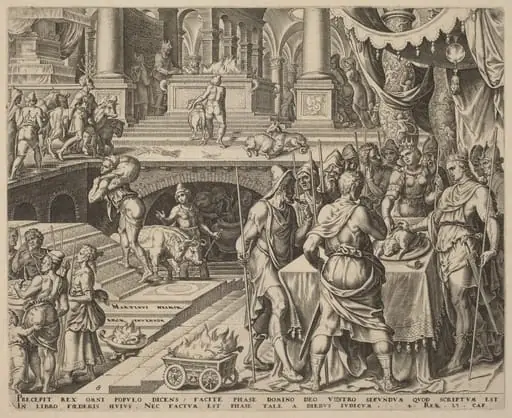 Josiah Celebrating Passover
 Salome Dancing Before Herod
 Distribution of Rewards