Artwork
Joseph deutet im Gefängnis die Träume des Mundschenks und Bäckers
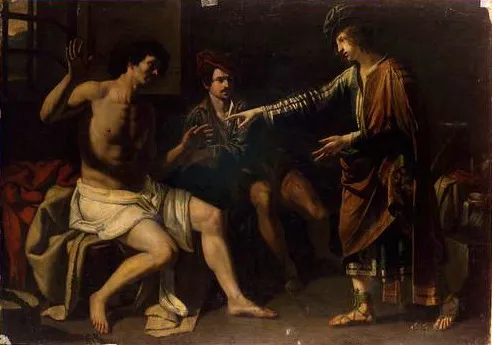
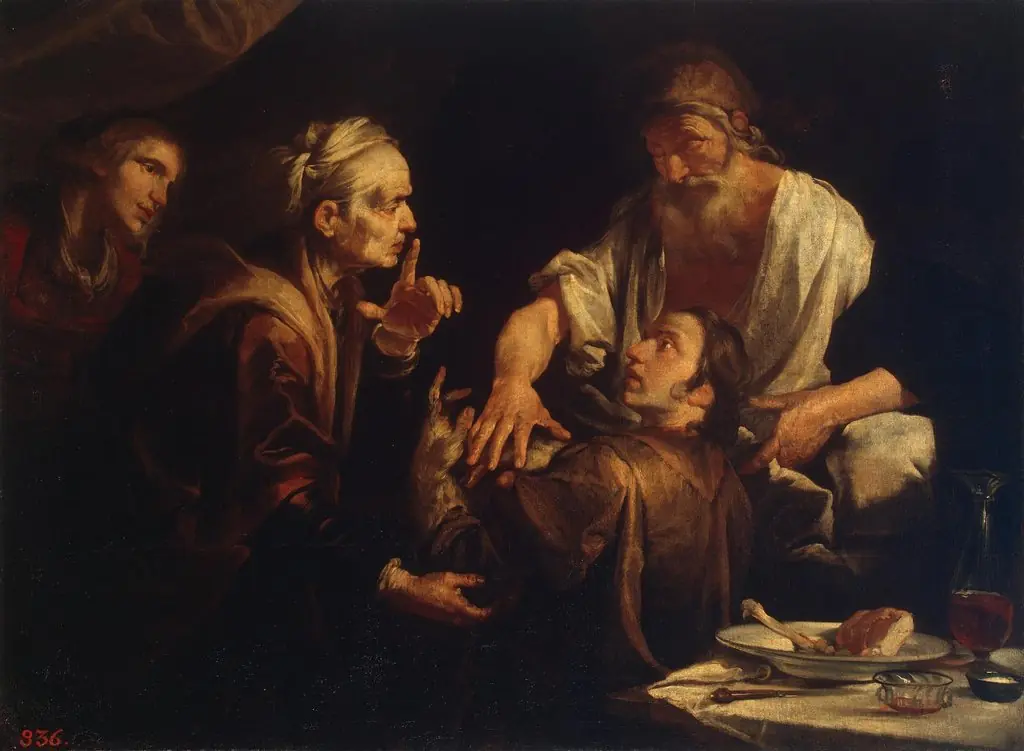
Joseph deutet im Gefängnis die Träume des Mundschenks und Bäckers is an unspecified painting by the Early Baroque Italian artist Giovanni Francesco Guerrieri. It dates from 1620 and is held in the collection of the Kunsthistorisches Museum.
About this work
Overview
Giovanni Francesco Guerrieri, an Italian painter linked to the Caravaggisti, completed the work titled *Joseph deutet im Gefängnis die Träume des Mundschenks und Bäckers* in 1620. Executed in the early Baroque period, the canvas is part of the permanent collection of the Kunsthistorisches Museum in Vienna.
Subject & Meaning
The scene illustrates the biblical episode in which Joseph, while incarcerated, interprets the dreams of two fellow prisoners—a royal steward and a baker. The narrative underscores themes of divine insight and providence, as Joseph’s interpretations foretell the future release of the steward and the execution of the baker.
Technique & Style
Guerrieri employs a stark chiaroscuro that isolates the kneeling figure, whose illuminated face and arm draw the viewer’s eye against a surrounding darkness.
Guerrieri employs a stark chiaroscuro that isolates the kneeling figure, whose illuminated face and arm draw the viewer’s eye against a surrounding darkness. The composition features three figures: a shirtless, anguished man; a seated figure in a red hat gesturing toward him; and a standing man in a brown robe holding a scroll. The dramatic lighting and realistic modeling reflect the influence of Caravaggio’s followers.
History & Provenance
Trained in Rome under artists such as Orazio Gentileschi, Guerrieri absorbed the tenets of the Caravaggisti before returning to work primarily in central Italy. The painting entered the Kunsthistorisches Museum’s holdings in the 19th century, where it has remained on public display.
Context
Created during a period when biblical subjects were frequently rendered with theatrical intensity, the work aligns with the early Baroque’s emphasis on emotional immediacy. Guerrieri’s choice of a prison setting and the use of tenebrism echo contemporary trends that sought to make sacred narratives palpable to viewers.
Artist & collection
Artist
Giovanni Francesco Guerrieri (1589–1655) was an Italian painter, and Caravaggisto.

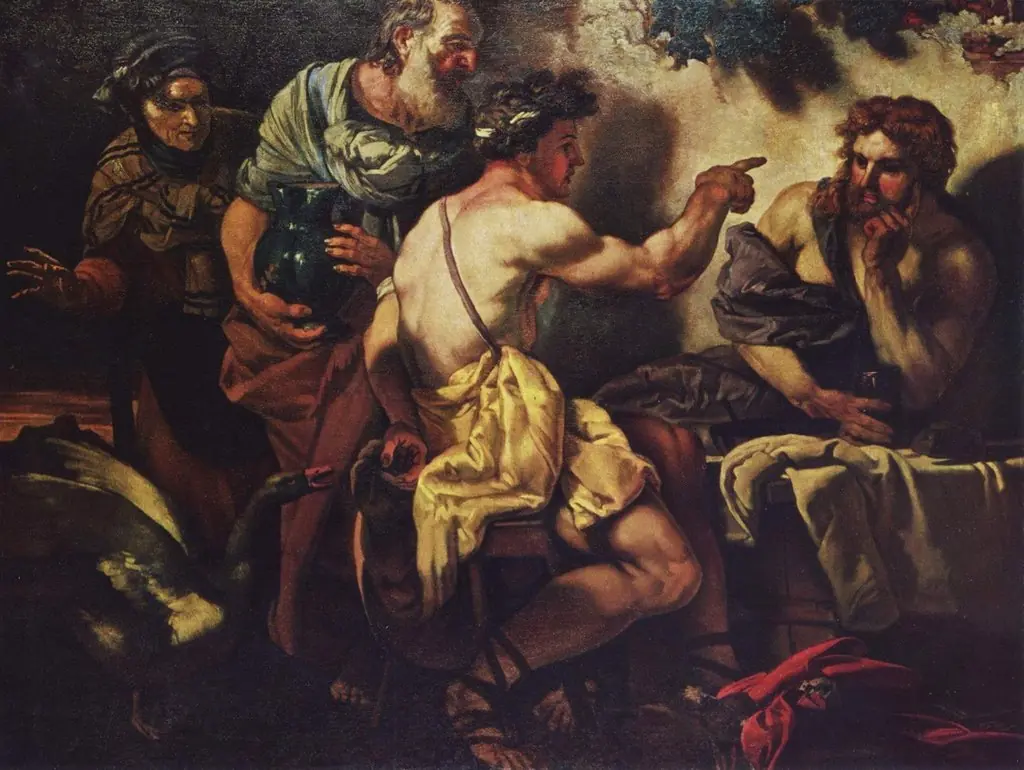 Jupiter and Mercury at Philemon and Baucis
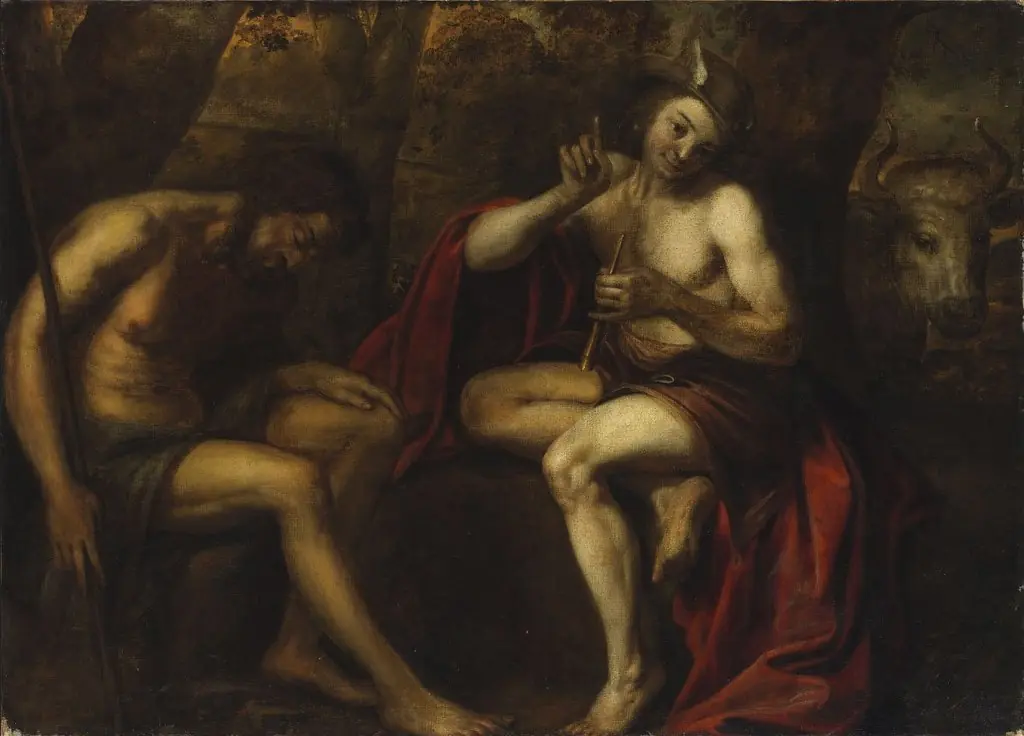 Mercurius and Argus
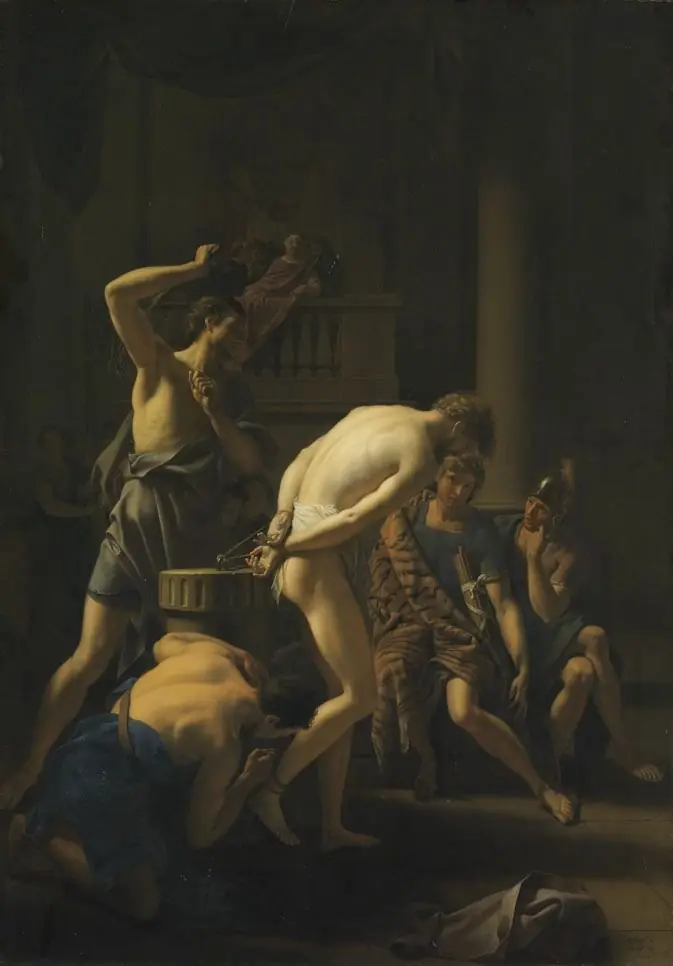 Flagellation of Christ
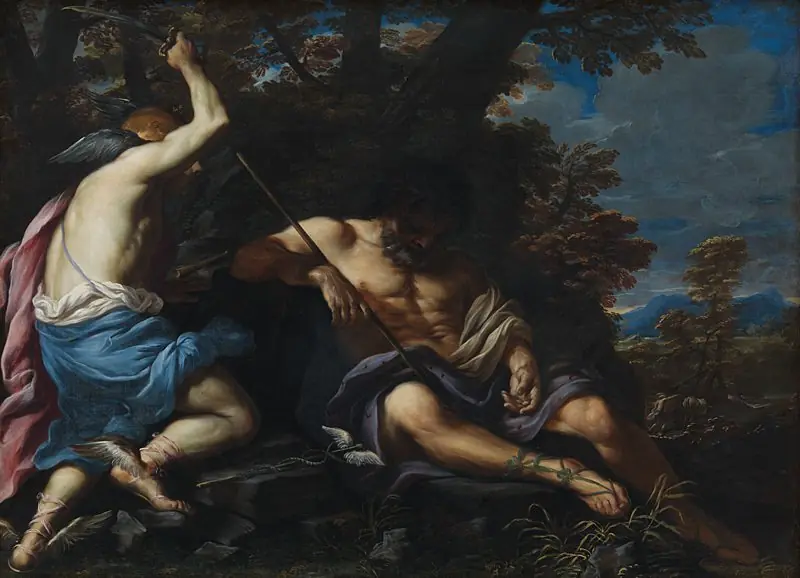 Mercury Killing Argus
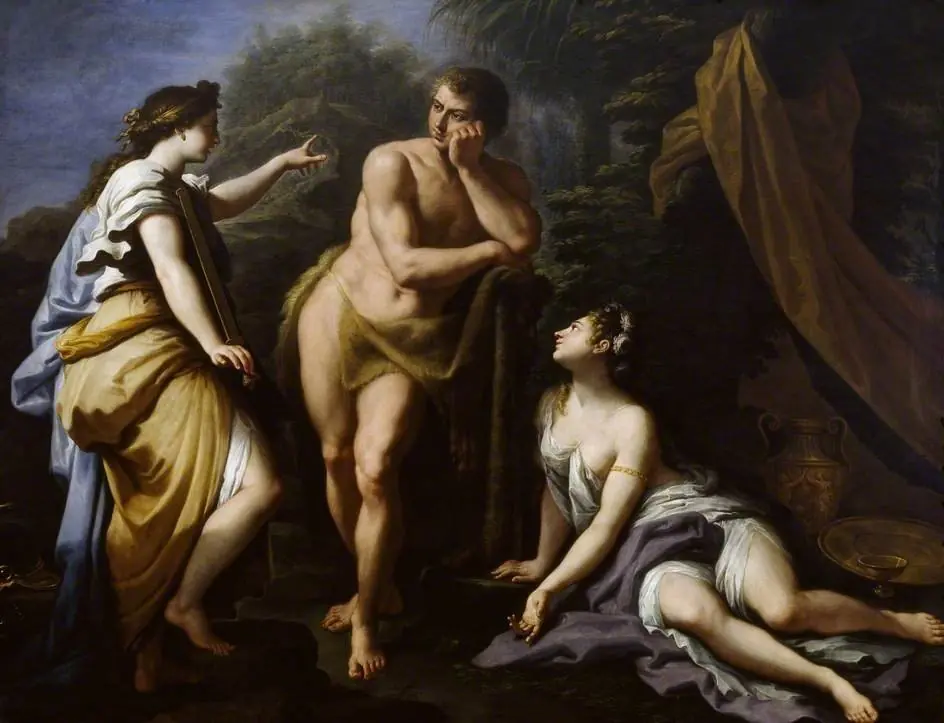 The Choice of Hercules
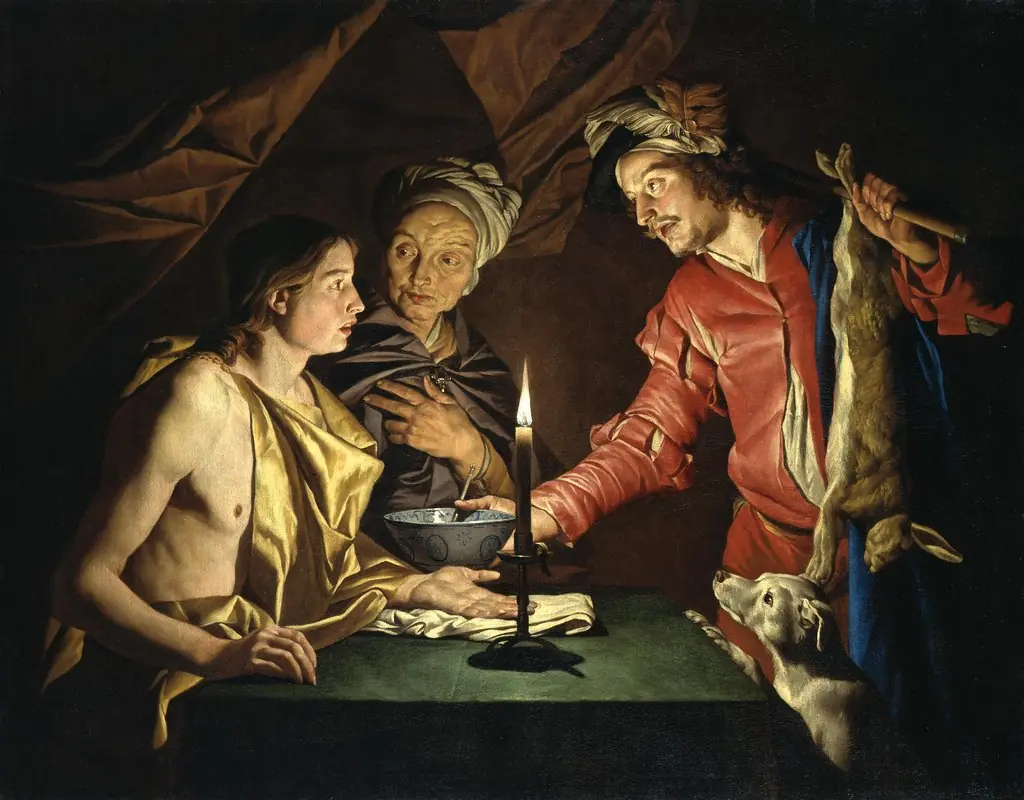 Esau, returning hungry from the hunt, sells his first birthright to Jacob for a pottage of lentils(Genesis 25:31)
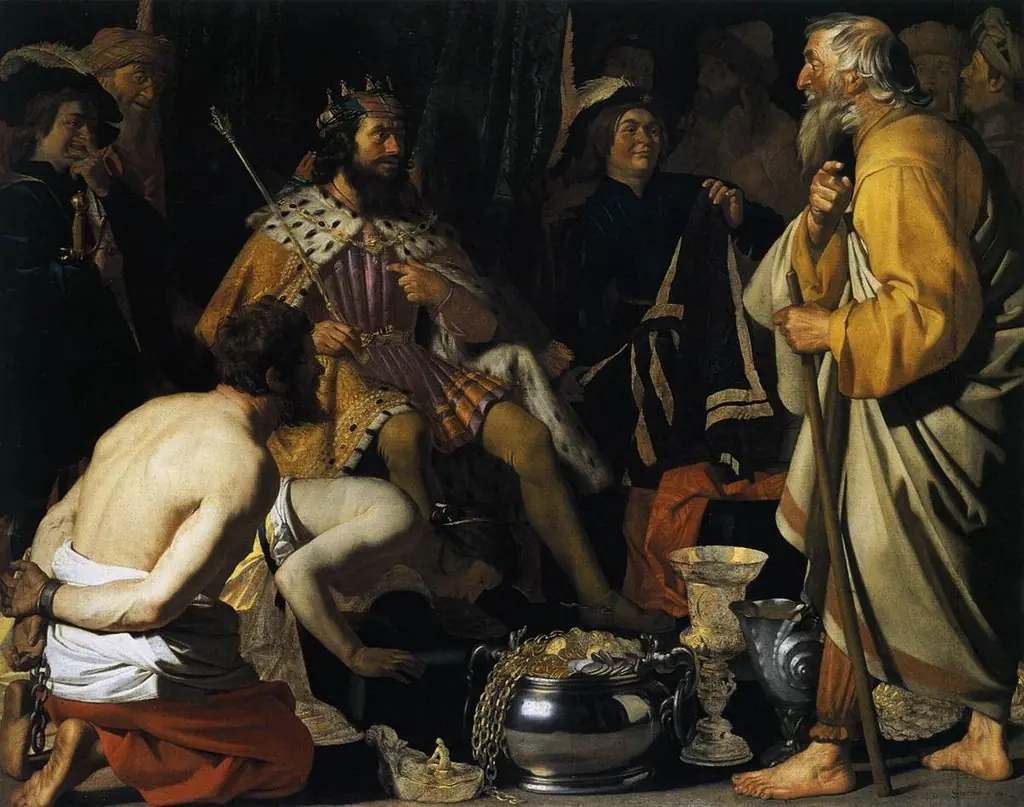 Solon and Croesus
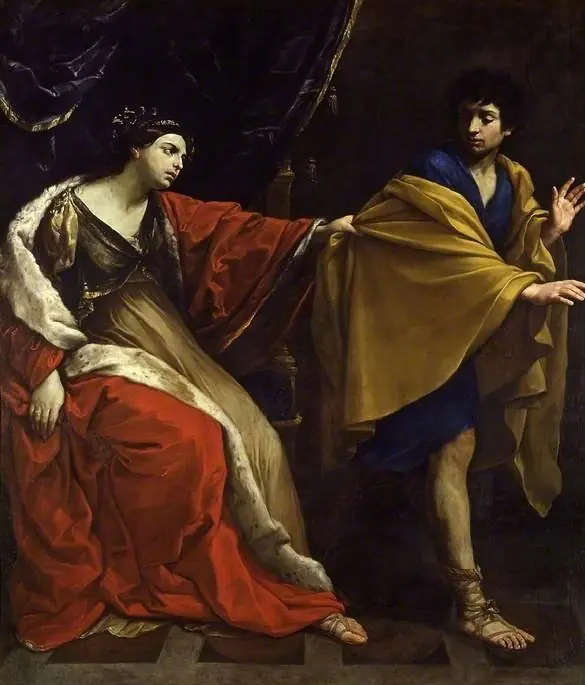 Joseph and Potiphar's wife
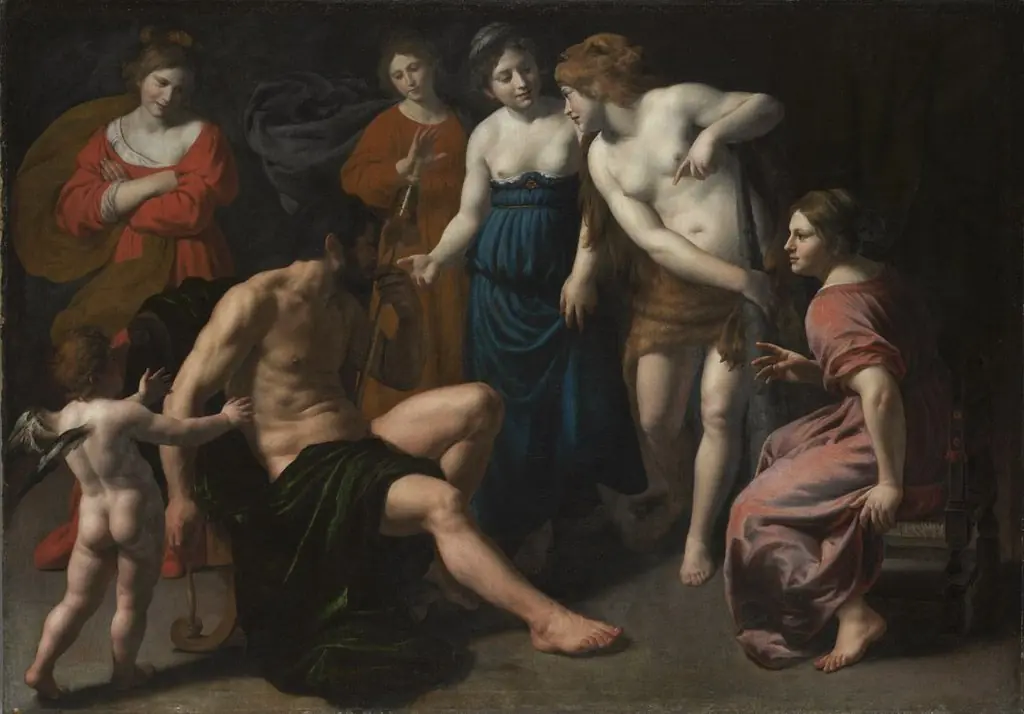 Herkules und Omphale
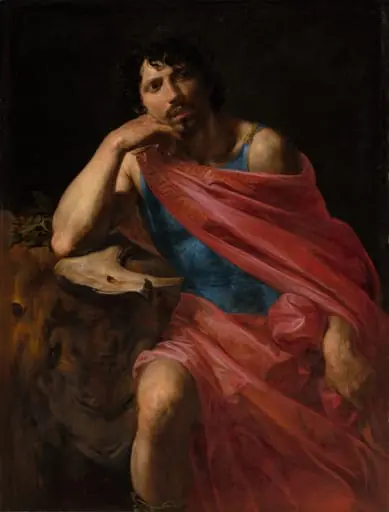 Samson
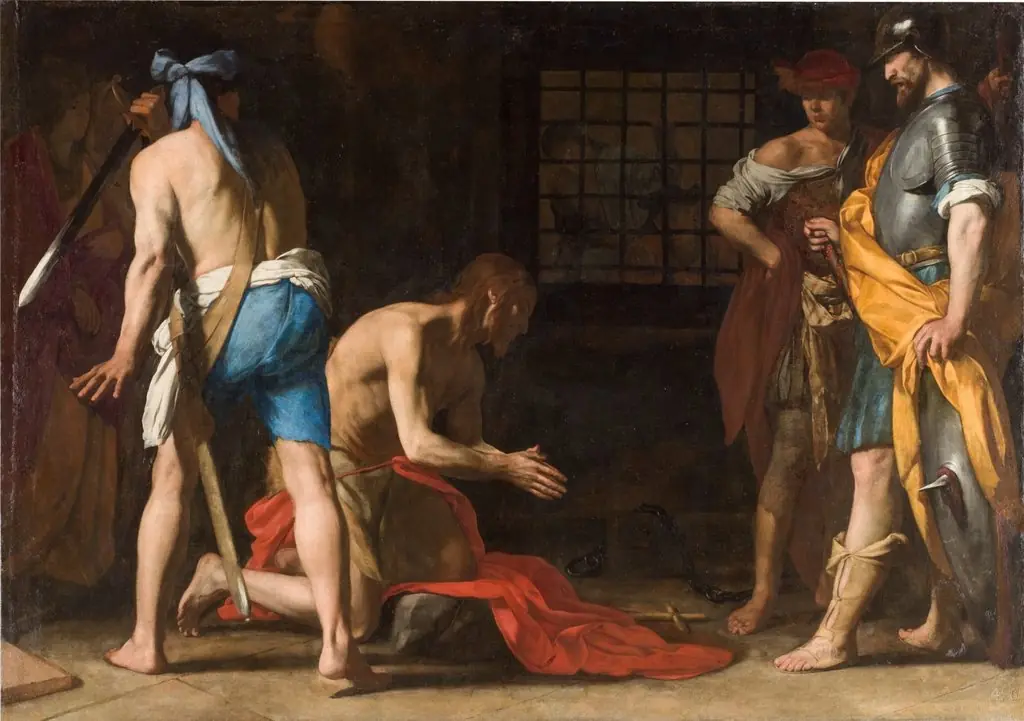 The Beheading of Saint John the Baptist
 Isaac Blessing Jacob