Artwork
The Piazza del Popolo, Rome
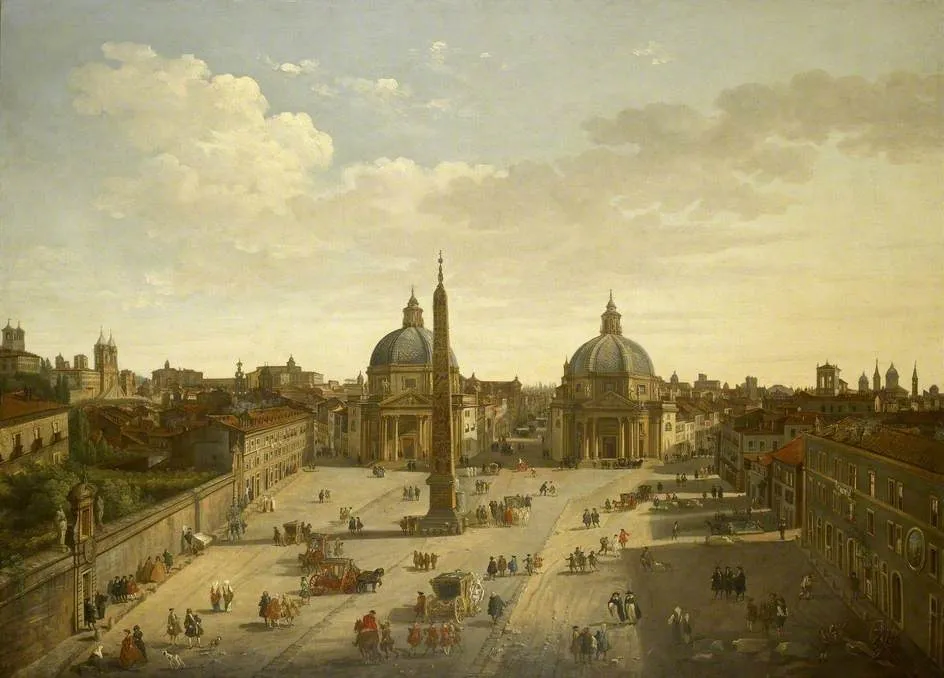
The Piazza del Popolo, Rome is an oil painting by the Rococo painting artist Giovanni Paolo Panini. It dates from 1738 and is held in the collection of the Ashmolean Museum.
About this work
Overview
The painting captures a bustling public square in the heart of Rome, emphasizing its spatial organization and architectural hierarchy.
Giovanni Paolo Panini painted *The Piazza del Popolo, Rome* circa 1738 using oil on canvas. A Roman artist trained in architecture, he focused on precise renderings of urban spaces. This work belongs to the genre of vedute—detailed cityscapes popular among travelers and collectors. The painting captures a bustling public square in the heart of Rome, emphasizing its spatial organization and architectural hierarchy.
Subject & Meaning
The scene centers on the Piazza del Popolo, a major entry point to Rome, framed by twin churches and crowned by an ancient Egyptian obelisk. Figures in period dress—pedestrians, riders, and carriage drivers—animate the space, suggesting daily life and civic activity. The composition reflects Rome’s layered identity: classical monuments coexist with Baroque structures, underscoring the city’s continuity as a cultural and political center.
Technique & Style
Panini employed fine brushwork to distinguish textures—stone facades, fabric folds, and metallic carriage details—while maintaining a cohesive atmospheric tone. The cloudy sky softens contrasts, unifying the scene in muted grays and ochres. Perspective is carefully calibrated to guide the eye toward the obelisk, reinforcing its centrality. His architectural precision reveals training in design, while the lively figures introduce a sense of transient motion.
History & Provenance
Created during Panini’s early career in Rome, the painting likely served patrons of the Grand Tour, who sought souvenirs of the city’s antiquities and modern landmarks. Though its early ownership is undocumented, it aligns with a broader trend of vedute collecting among European elites. The work remained within the tradition of Roman topographical painting, later influencing artists documenting urban environments across Europe.
Context
In the early 18th century, Rome was both a religious capital and a hub for artistic patronage. The Piazza del Popolo, redesigned in the 16th century, had become a symbolic threshold between the city and its northern approaches. Panini’s depiction reflects contemporary interest in documenting Rome’s evolving urban fabric, blending archaeological preservation with active civic life under papal authority.
Legacy
Panini’s vedute established a visual record of Rome’s architecture that endured beyond his lifetime. This painting, among others, contributed to a genre that informed later topographical artists and archaeologists. While not widely exhibited today, it remains a reference for understanding how 18th-century viewers perceived Rome—not as a ruin, but as a living, inhabited city shaped by history and daily ritual.
Artist & collection
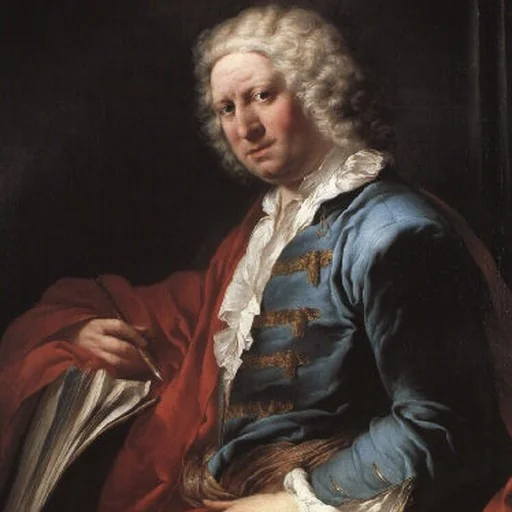
Artist
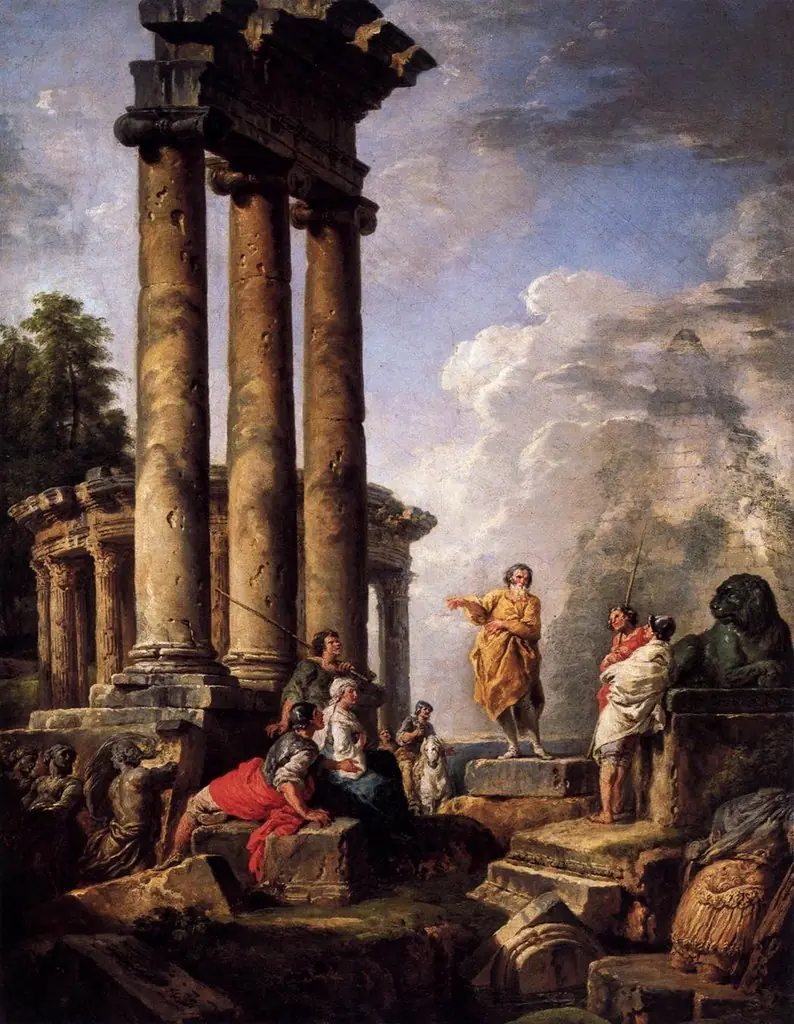
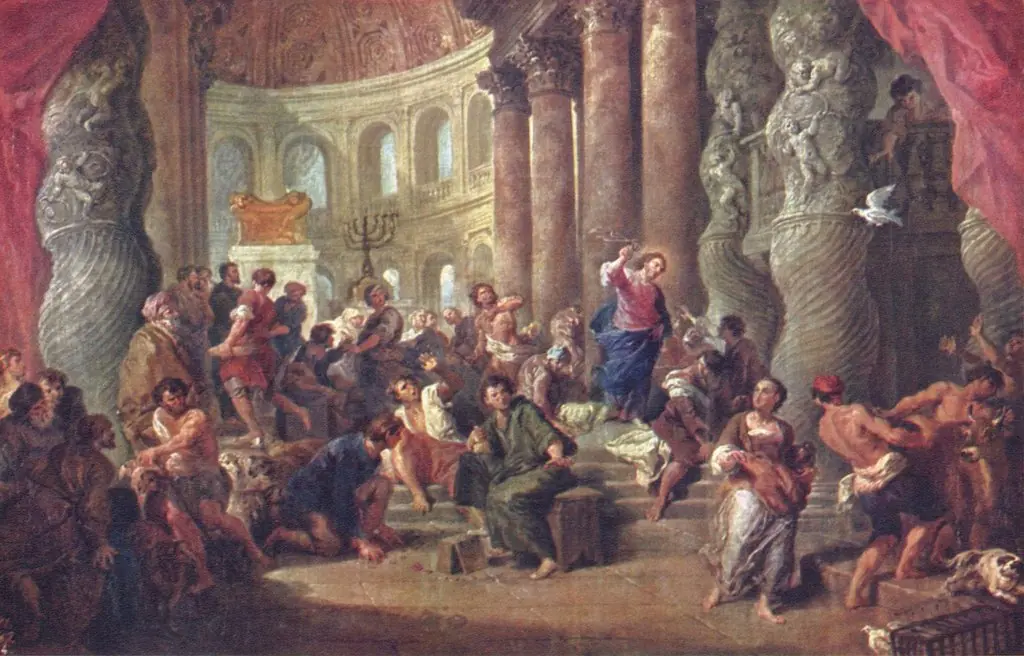
Giovanni Paolo, also known as Gian Paolo Panini or Pannini (17 June 1691 – 21 October 1765), was an Italian Baroque painter and architect who worked in Rome and is primarily known as one of the vedutisti ("view painters").

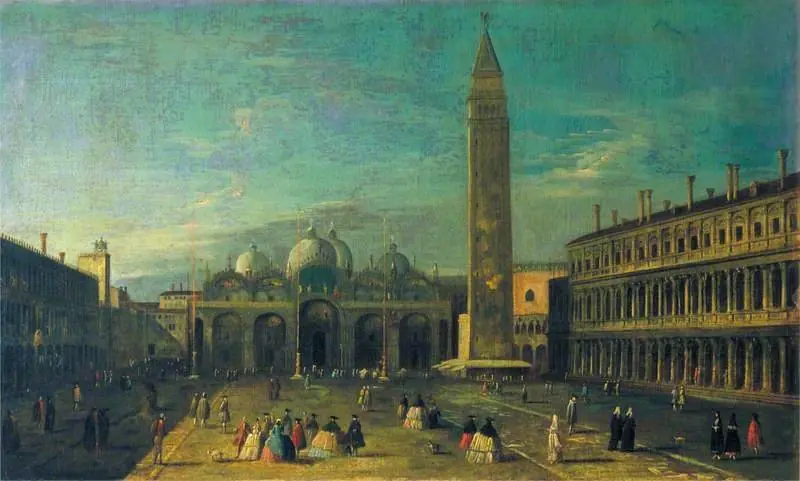 Venice: Piazza San Marco, Looking towards the Basilica
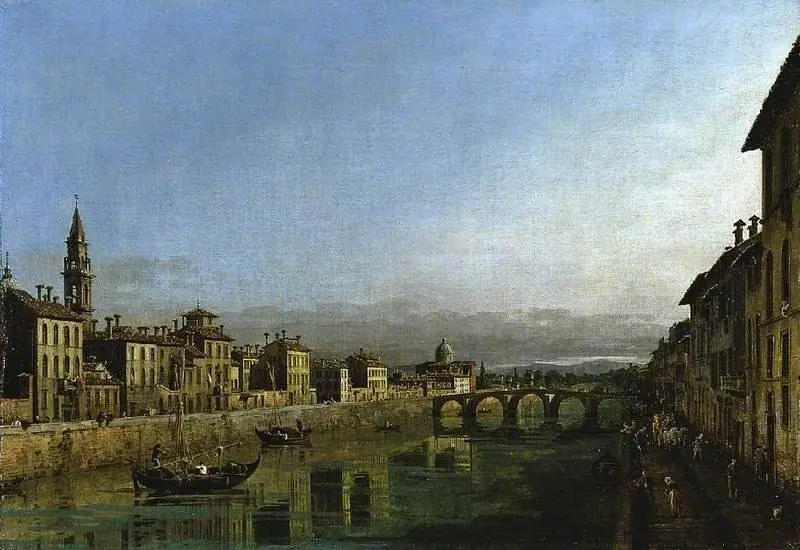 The Arno in Florence with the Ponte Alla Carraia
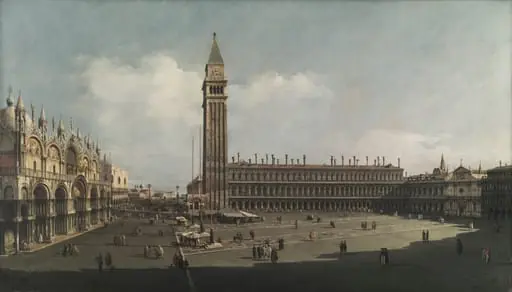 Piazza San Marco, Venice
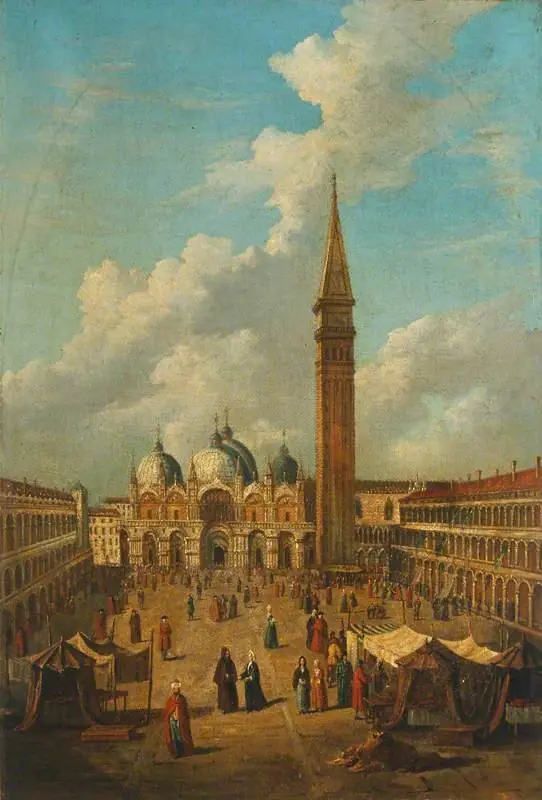 Piazza San Marco, Venice
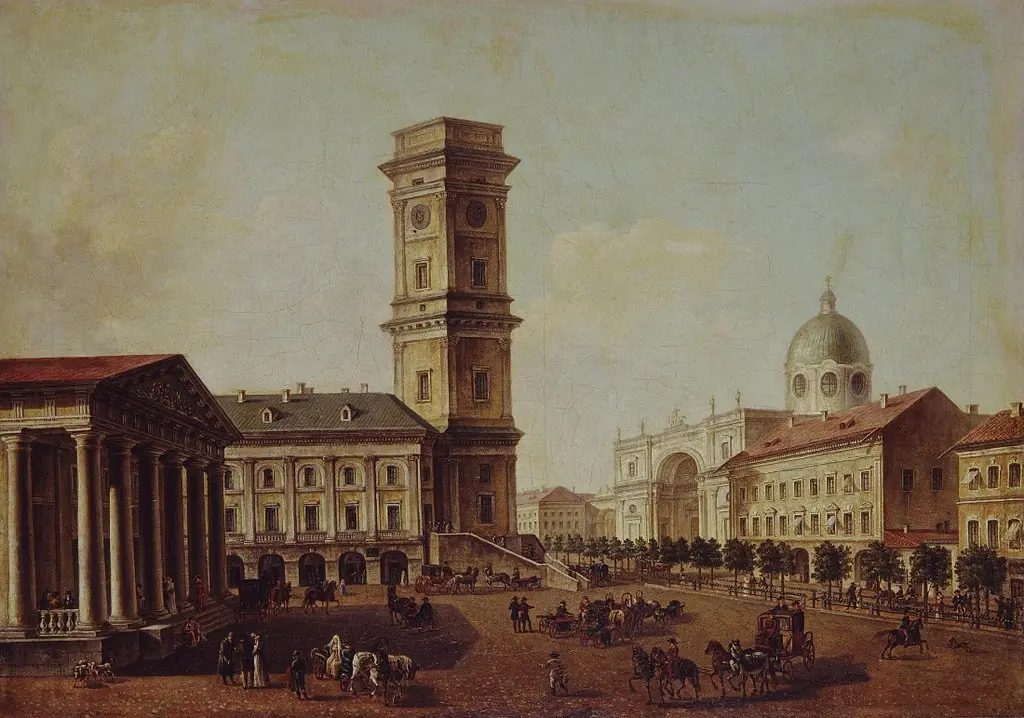 The View of Nevsky Prospect near the City Duma in St Petersburg
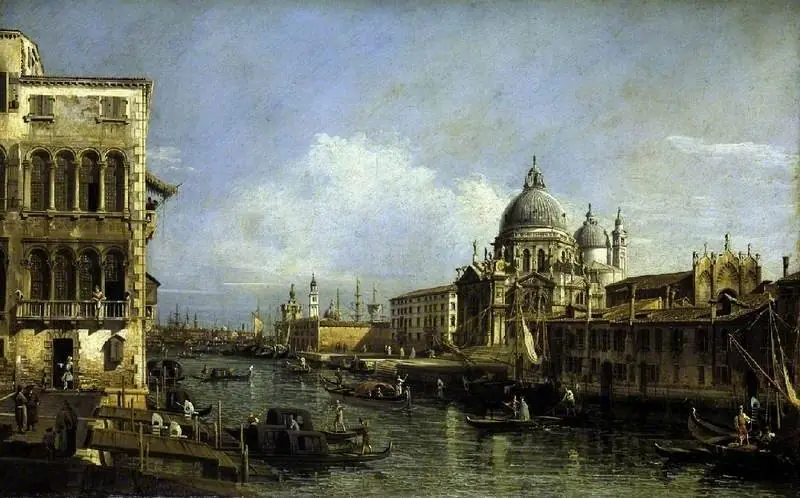 A View at the Entrance of the Grand Canal, Venice
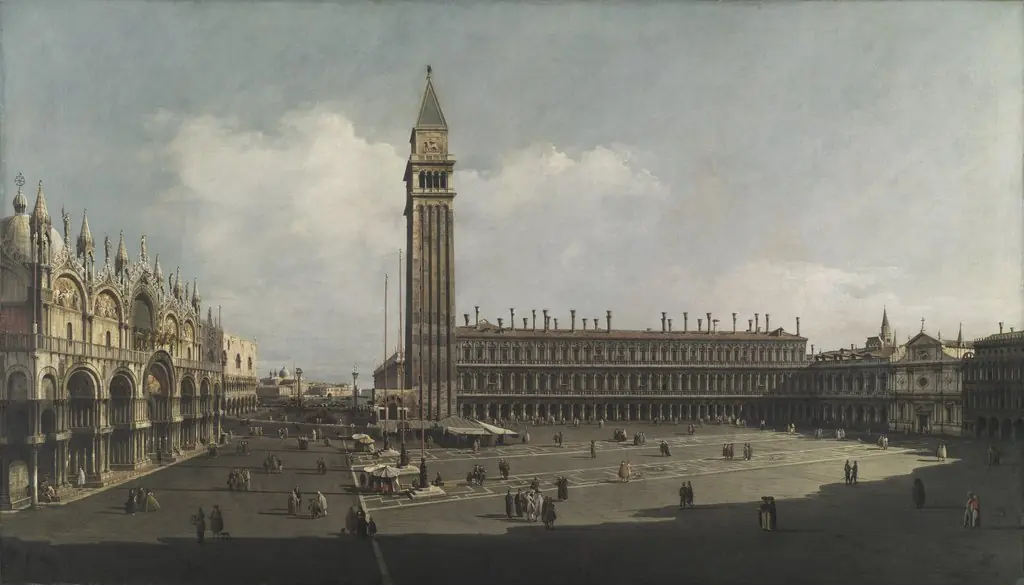 Piazza San Marco, Venice
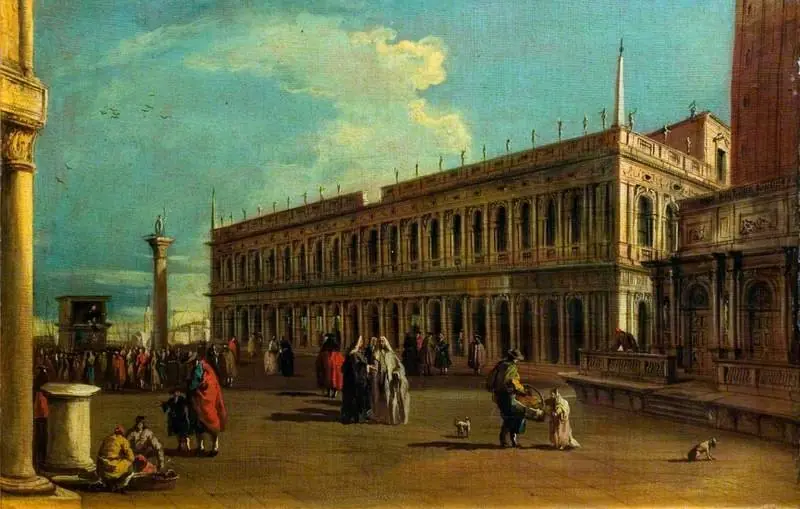 Venice: The Piazzetta
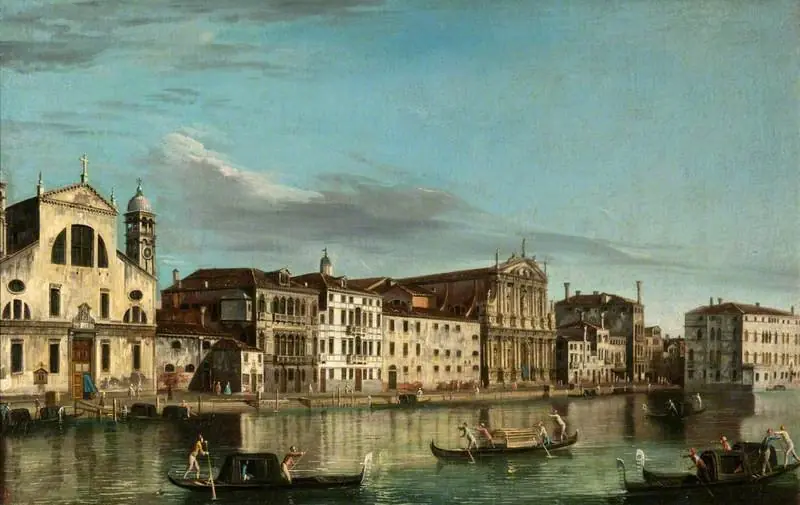 The Grand Canal: Santa Lucia and the Church of the Scalzi, Venice