Artwork
The Magical Procession
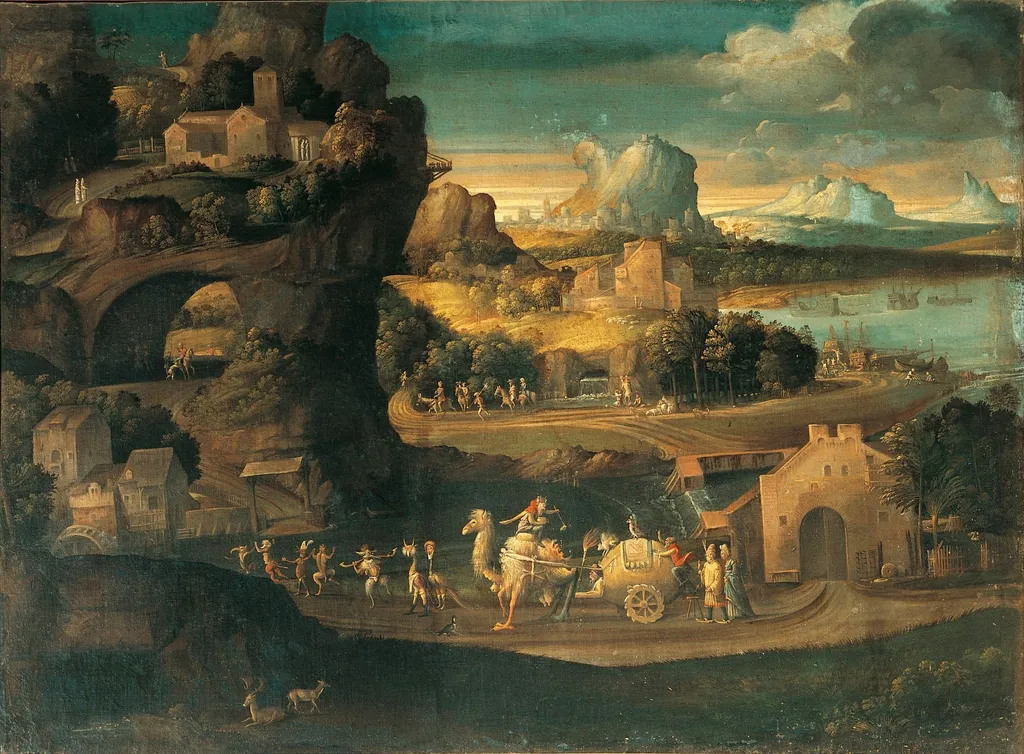
The Magical Procession is an oil painting by the Mannerist artist Girolamo da Carpi. It dates from 1525 and is held in the collection of the Galleria Borghese.
About this work
Overview
The painting is now part of the Galleria Borghese collection in Rome, where it remains a notable example of narrative fantasy in Renaissance-era painting.
Painted in 1525 by Girolamo da Carpi, *The Magical Procession* is an oil-on-panel work that reflects the transitional artistic climate of early 16th-century Italy. Da Carpi, trained in Ferrara and later active in Bologna, produced this piece during a period when regional styles were blending with emerging Mannerist tendencies. The painting is now part of the Galleria Borghese collection in Rome, where it remains a notable example of narrative fantasy in Renaissance-era painting.
Subject & Meaning
The scene portrays an enigmatic procession of figures and animals moving through a landscape, centered on a camel in the foreground. Dressed in elaborate, non-historical garments, the participants appear to belong to a symbolic or allegorical event rather than a documented historical moment. The inclusion of exotic creatures and ornate attire suggests a vision of the exotic or the divine, possibly referencing biblical, mythological, or courtly pageantry, though its precise narrative remains ambiguous.
Technique & Style
Da Carpi employed oil paint to achieve rich coloration and fine detail in clothing, foliage, and architecture. The composition is densely packed with figures and elements, creating a sense of movement and layered depth. While not dominated by dramatic chiaroscuro, the painting uses subtle tonal shifts to model forms and distinguish spatial planes. The style leans toward Mannerist complexity, with elongated figures and an emphasis on decorative detail over naturalistic harmony.
History & Provenance
Created during da Carpi’s time in Bologna, the painting likely originated as a private commission, possibly for a noble patron interested in exotic themes. It entered the Borghese collection in the early 17th century, likely through Cardinal Scipione Borghese’s extensive acquisitions of Renaissance and Mannerist works. Its presence in the collection has ensured its preservation and continued study, though it has never been widely exhibited outside Italy.
Context
In the 1520s, Italian art was shifting from High Renaissance ideals toward more stylized, expressive forms. Da Carpi’s work reflects this transition, influenced by Ferrarese precision and Bolognese narrative traditions. The painting’s fantastical elements align with a broader interest in courtly spectacle and allegory, common among patrons who sought to display erudition and taste through imagery drawn from classical, oriental, or legendary sources.
Legacy
Though not among da Carpi’s most widely recognized works, *The Magical Procession* contributes to the understanding of regional Mannerist practices outside Florence and Rome. Its survival in a major collection underscores its historical value as a document of early 16th-century visual imagination. Scholars continue to reference it in studies of narrative painting, exoticism in Renaissance art, and the circulation of stylistic ideas across northern Italian centers.
Own this work as a print
Artist & collection

Artist
Girolamo Da Carpi (1501 – 1 August 1556) was an Italian painter and decorator who worked at the Court of the House of Este in Ferrara.

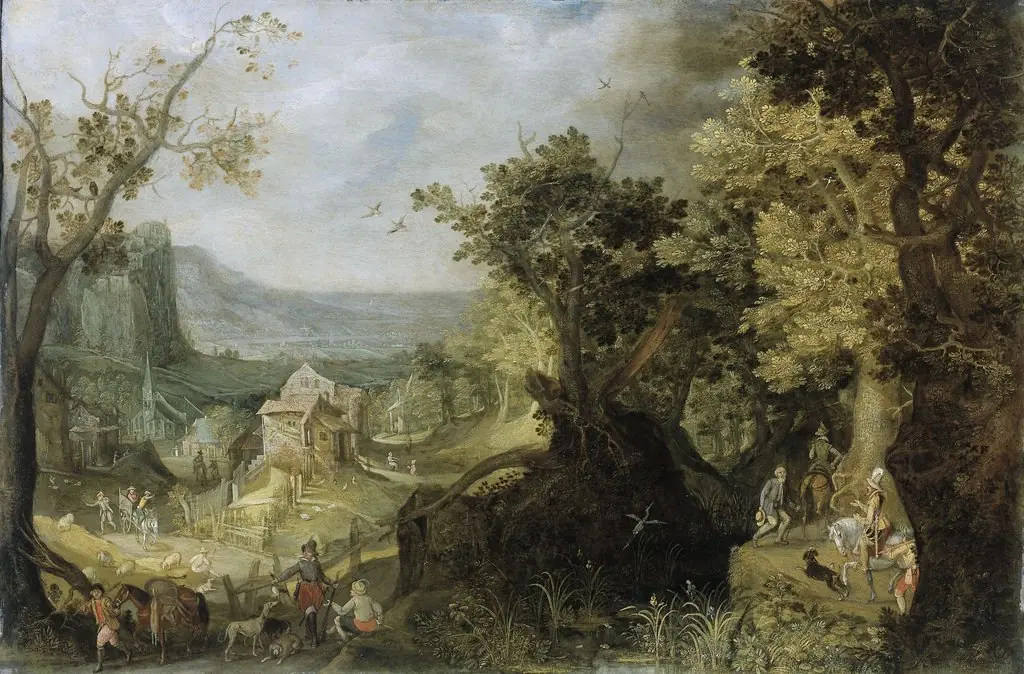 Wooded Landscape
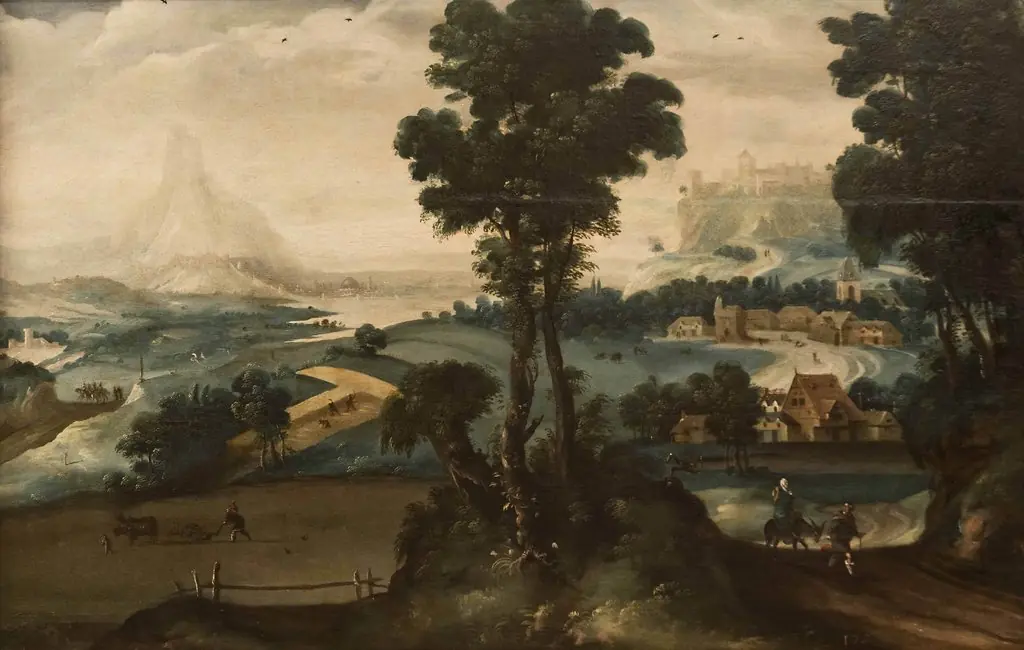 Landscape with The Flight into Egypt
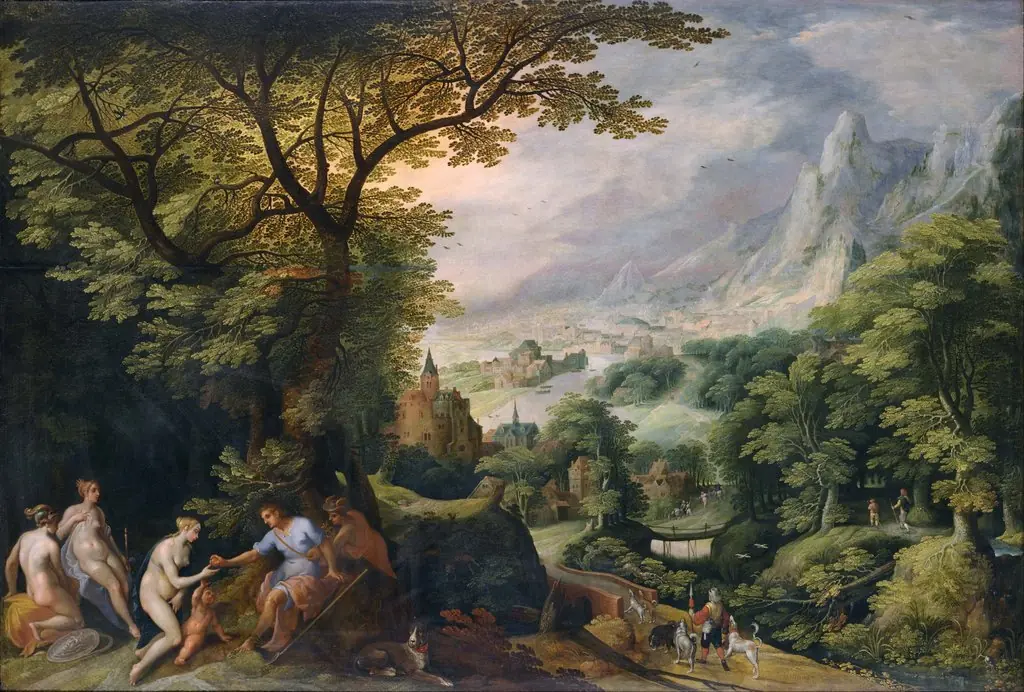 Landscape with the Judgement of Paris
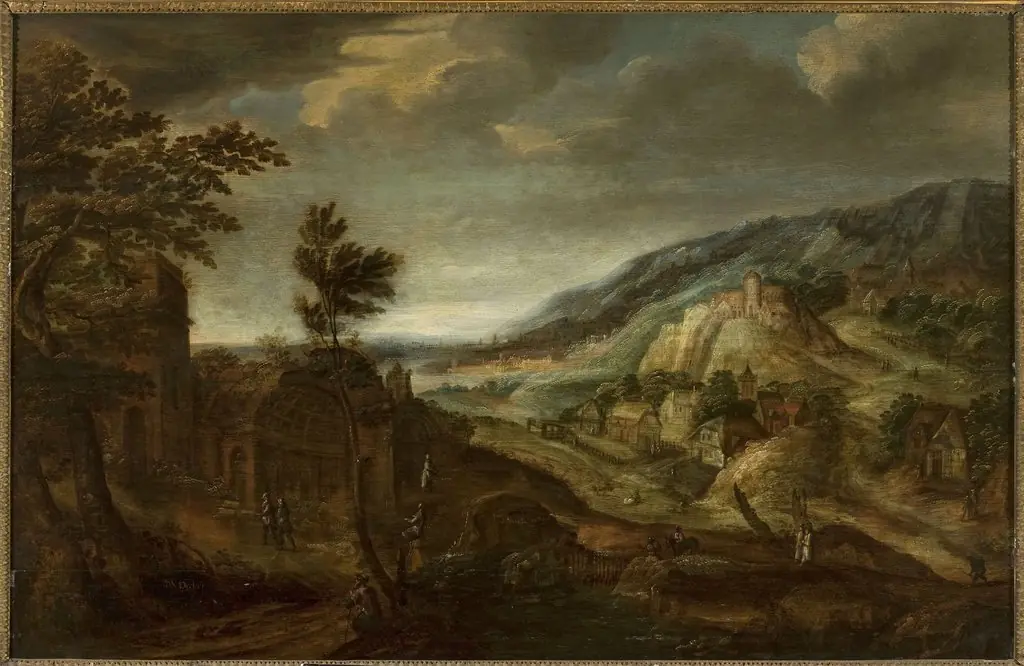 Mountain landscape
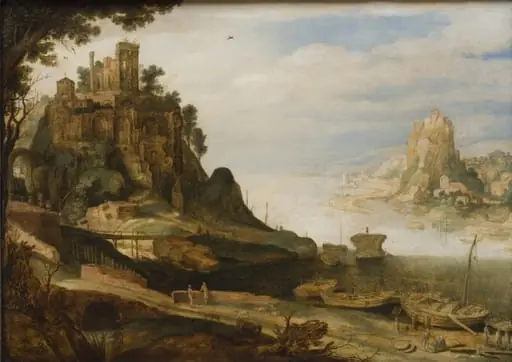 Coast Landscape with the so-called Temple of Sibyl at Tivoli
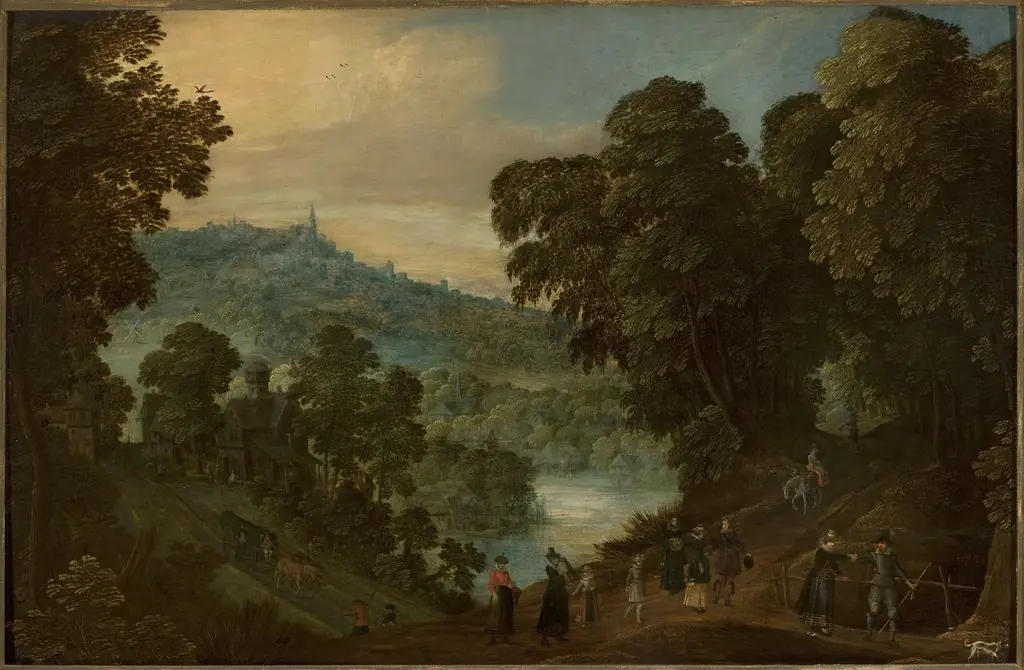 Countryside landscape with staffage
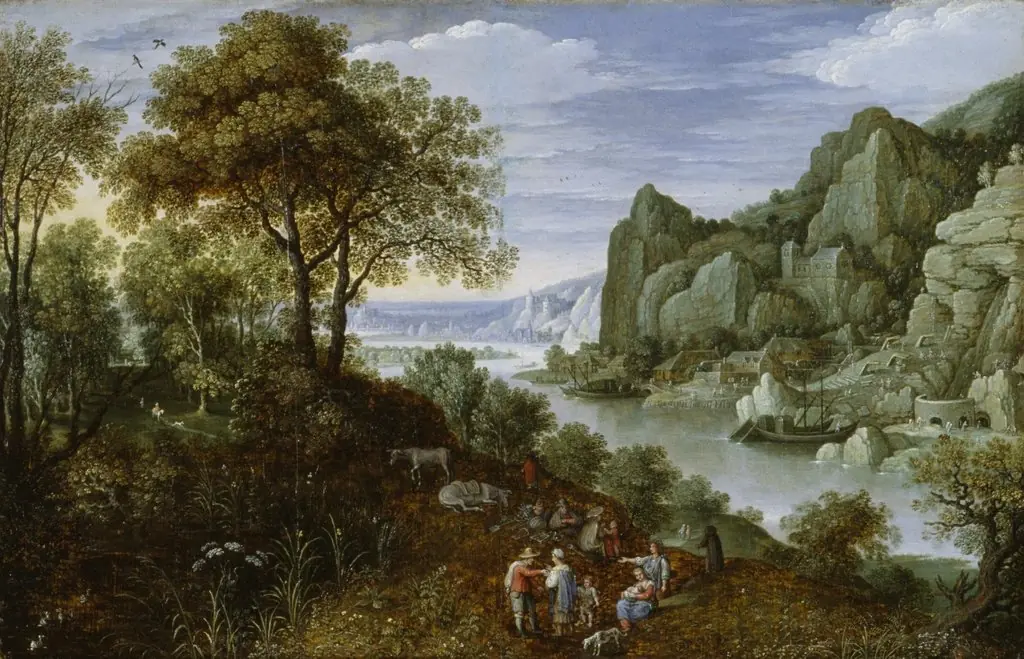 Mining Operations along a River
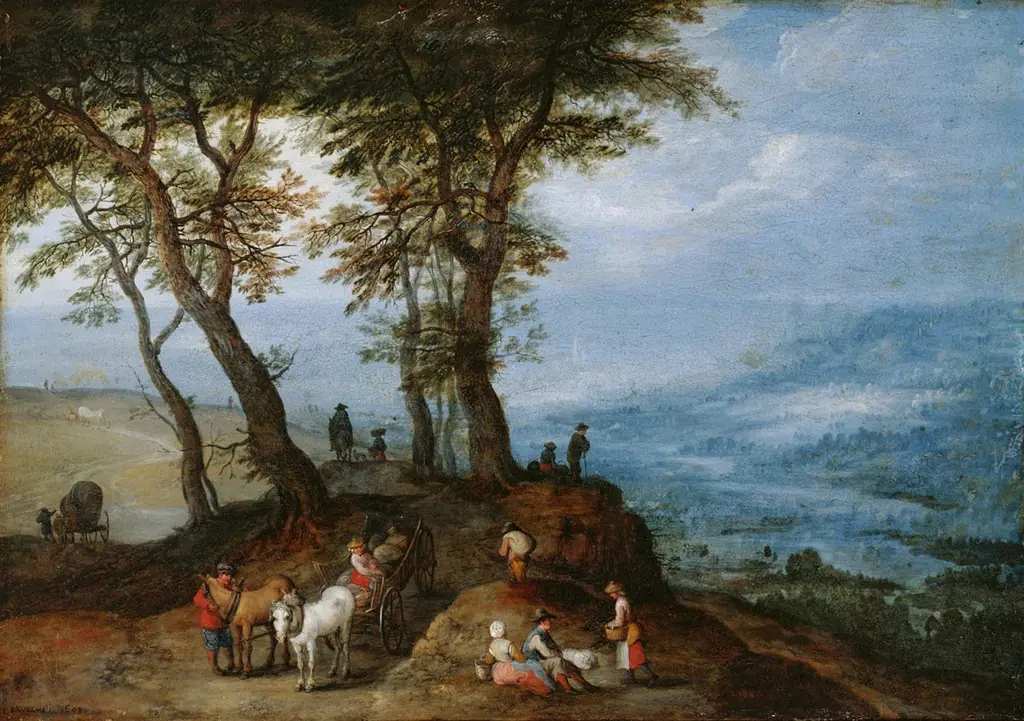 Going to the Market
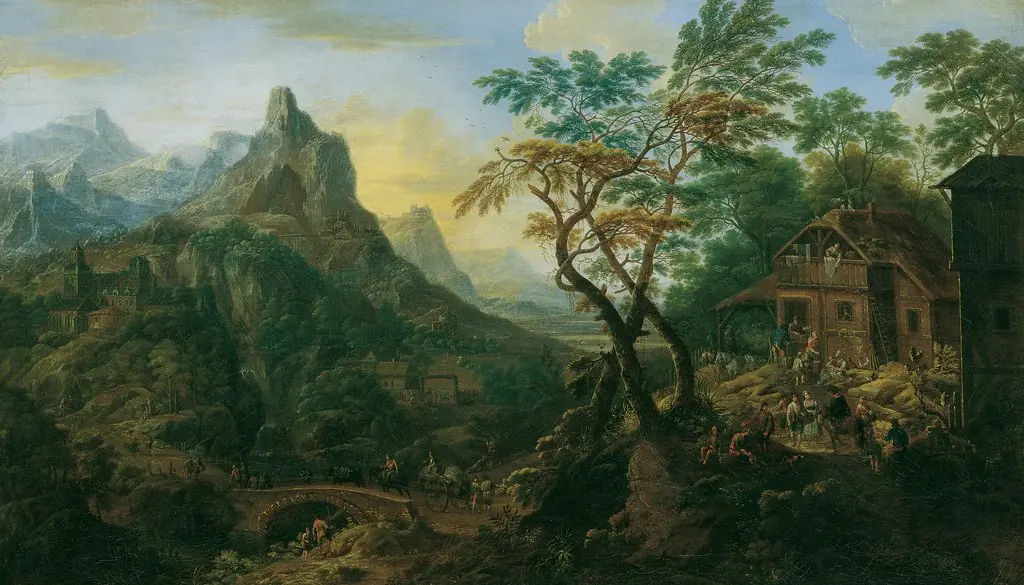 Mountain landscape with castle
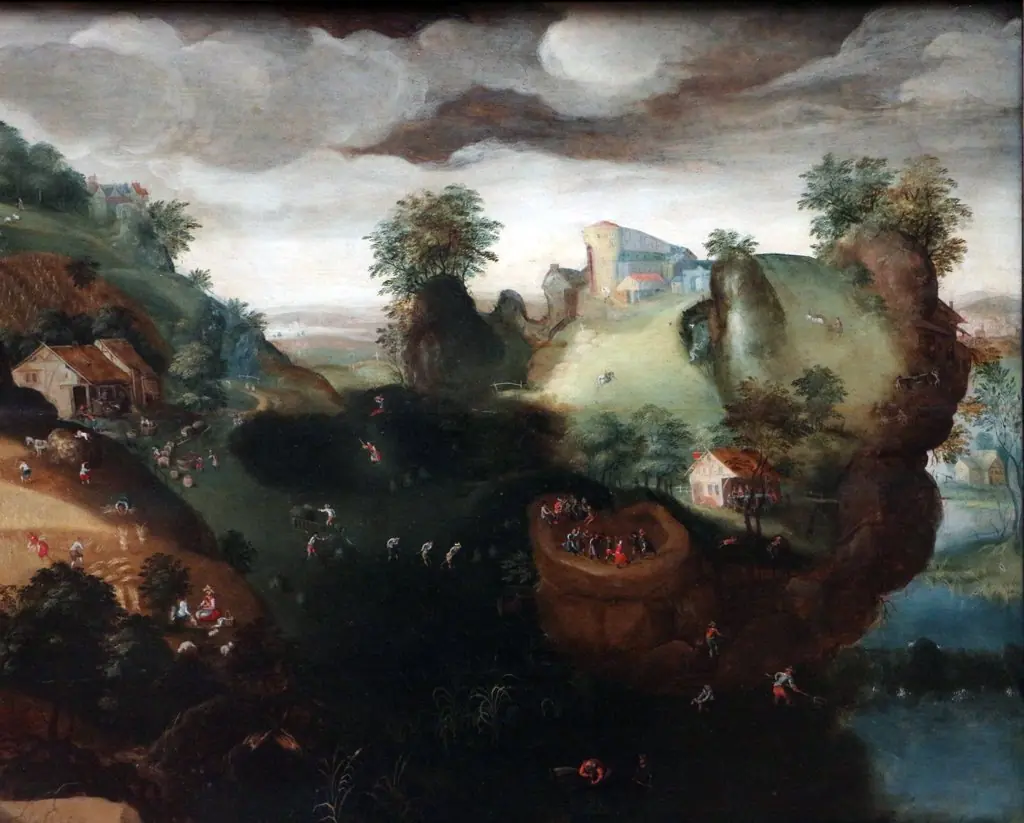 Antropomorf landschap - mannenportret
 Landscape
 Landschaft mit dem Gang nach Emmaus