Artwork
Lewis Roberts
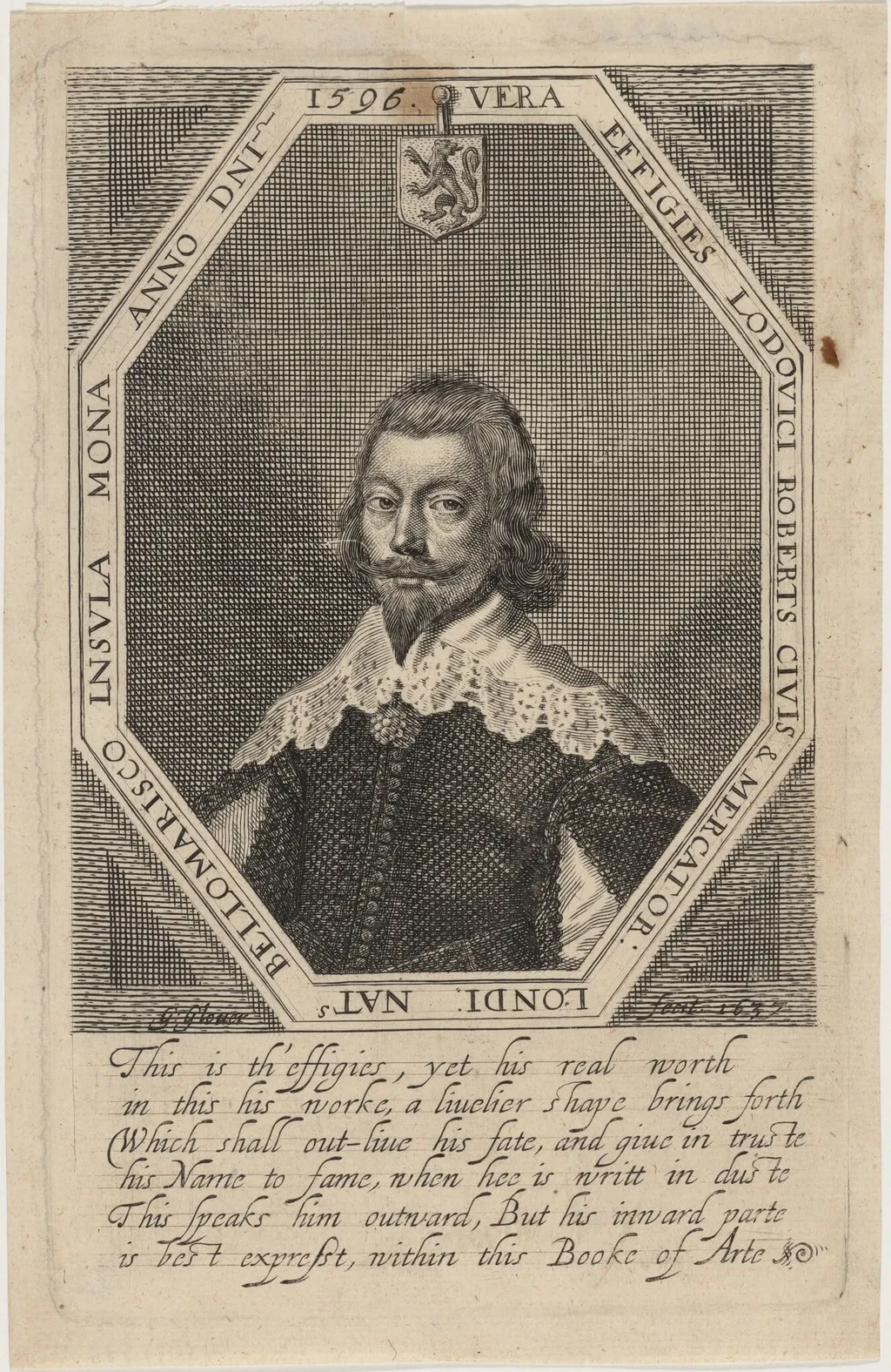
Lewis Roberts is an ink print by the Baroque artist George Glover. It dates from 1637 and is held in the collection of the National Gallery of Art.
About this work
Overview
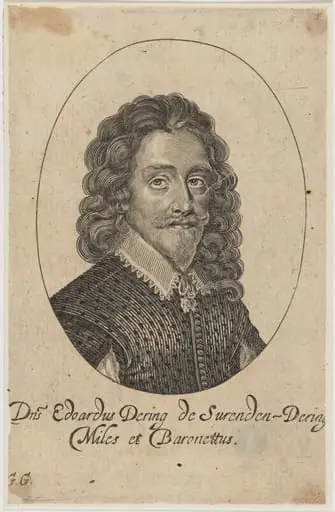
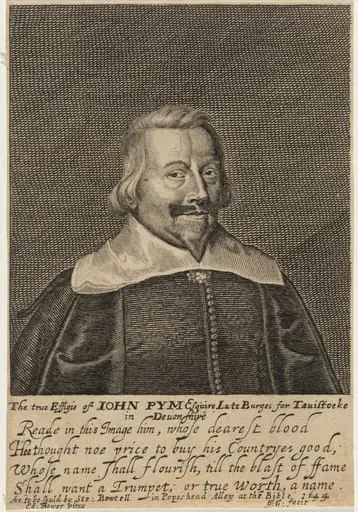
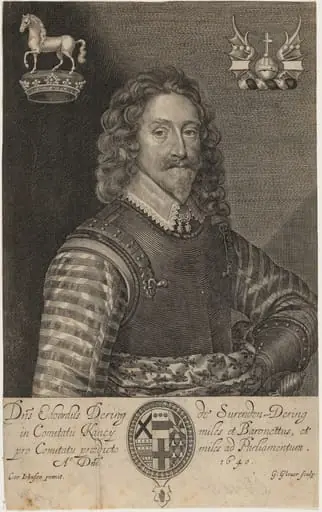
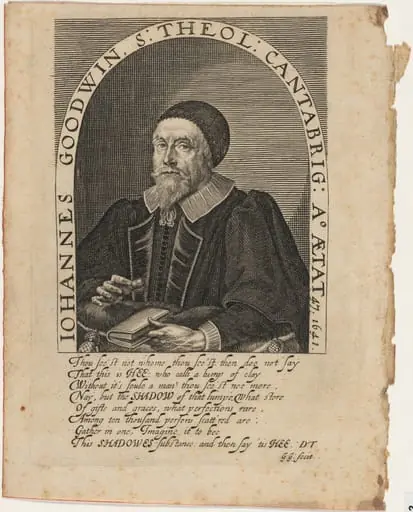
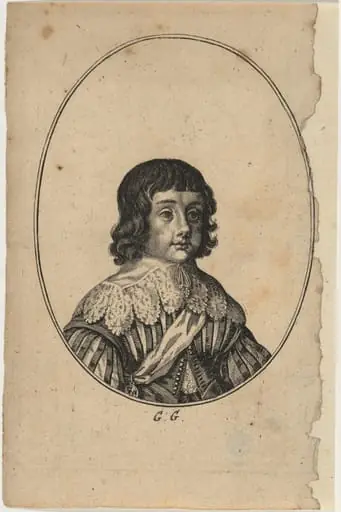
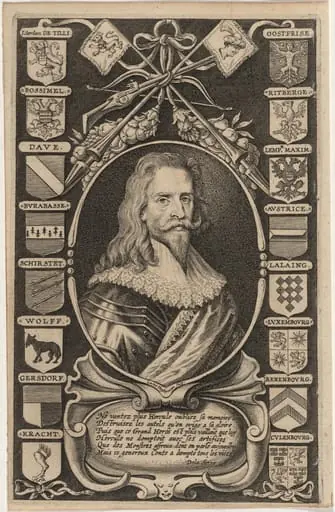
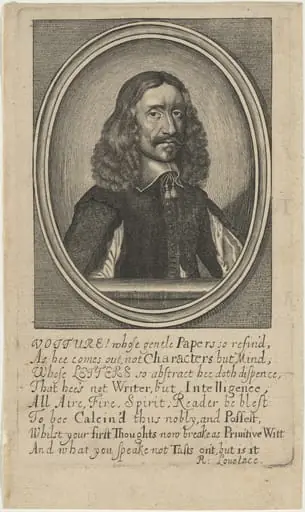
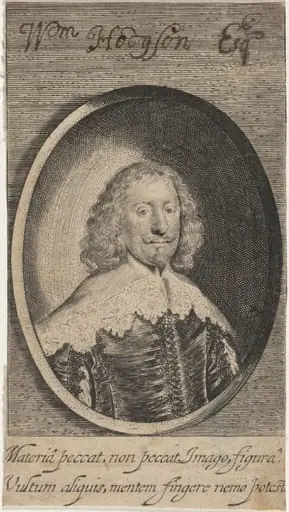
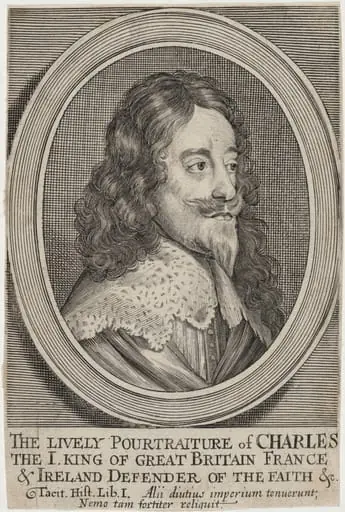
George Glover’s 1637 engraving presents a portrait of Lewis Roberts. Rendered in black ink on slightly yellowed paper, the image captures a solemn figure with a moustache, ruff collar, and a decorative border bearing a Latin inscription. Above the sitter’s head a small shield bears a crest, while an ornamental caption below promises the preservation of his name.
Subject & Meaning
The portrait depicts Roberts as a dignified gentleman, his attire and facial expression suggesting status and seriousness. The Latin motto framing the image underscores the intention to memorialize him, implying that the printed likeness serves as a lasting testament to his identity and reputation.
Technique & Style
Executed as an intaglio engraving, the work relies on incised lines to achieve fine detail in facial features, clothing folds, and ornamental borders. Glover’s hand‑lettered caption employs a period‑appropriate, elaborate script, enhancing the formal presentation typical of early‑modern English portrait prints.
History & Provenance
Created in 1637, the print likely circulated among Roberts’s acquaintances or patrons as a means of personal commemoration. The surviving impression, on paper that has acquired a patina of age, reflects the customary practice of distributing engraved portraits to reinforce social standing in 17th‑century England.
Context
Engravings of this type were common in the early Stuart period, serving both documentary and decorative purposes. Glover, an active London engraver, produced numerous portrait prints that functioned as visual records of notable individuals, aligning with contemporary trends in print culture and the growing market for portable images.
Artist & collection