Artwork
Lewis Roberts
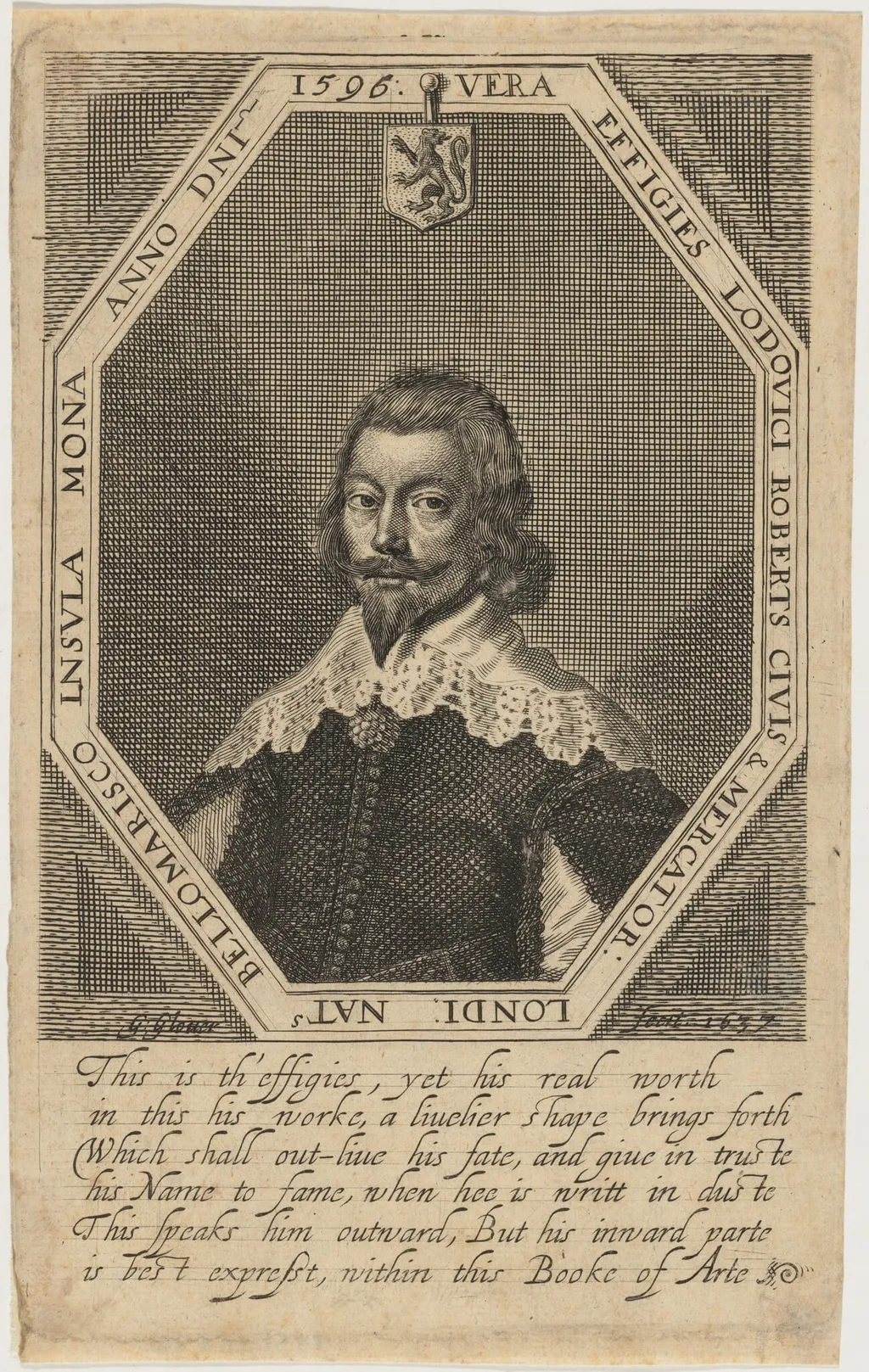
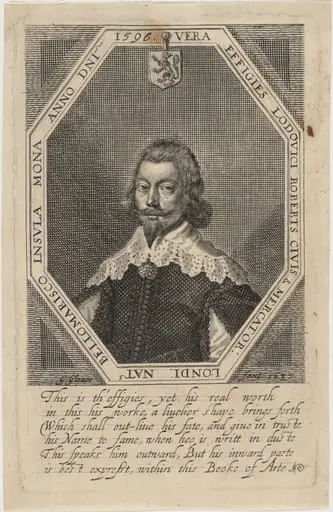
Lewis Roberts is an ink print by the Baroque artist George Glover. It dates from 1637 and is held in the collection of the National Gallery of Art.
About this work
Overview
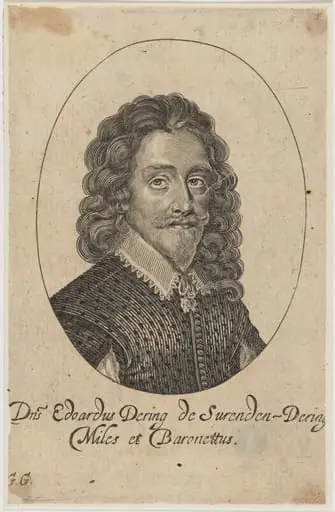
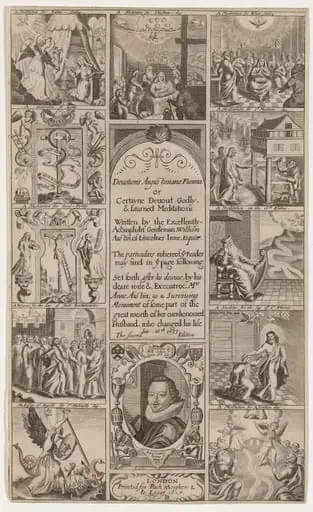
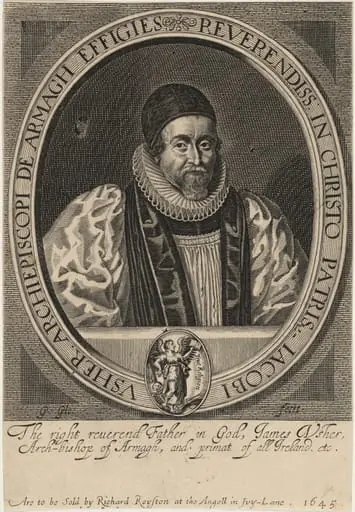
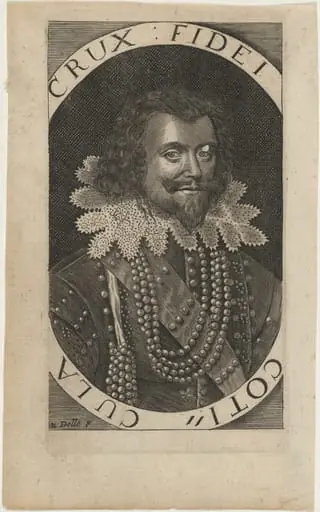
George Glover's 1637 engraving, Lewis Roberts, is a black-and-white portrait depicting a solemn-faced man adorned with a dark, ruffled collar, short curly hair, and a patterned jacket, all framed by an intricately woven border containing textual elements.
Subject & Meaning
The subject, Lewis Roberts, is portrayed with a serious demeanor, suggesting a figure of respect or authority. The inclusion of detailed attire and the woven border may imply social status or occupation, though specific interpretations of these elements are not explicitly clear from the image alone.
Technique & Style
Executed using the engraving method, the print features shading achieved through closely spaced parallel lines, creating depth and making the subject's face prominent. The overall style is characteristic of 17th-century portrait engraving, with meticulous line work and textured patterns.
History & Provenance
Created in 1637 by George Glover, the engraving's historical context and ownership history prior to its current status are not detailed in the provided information.
Context
Lewis Roberts belongs to the tradition of 17th-century European portrait engraving, a popular medium for disseminating images of notable figures during this period. The use of a woven border with text reflects common decorative and informational practices in engraving at the time.
Legacy
The enduring significance or influence of Lewis Roberts by George Glover on subsequent artistic practices or its presence in broader cultural memory is not specified in the available details.
Artist & collection