Artwork
Sir Edward Dering
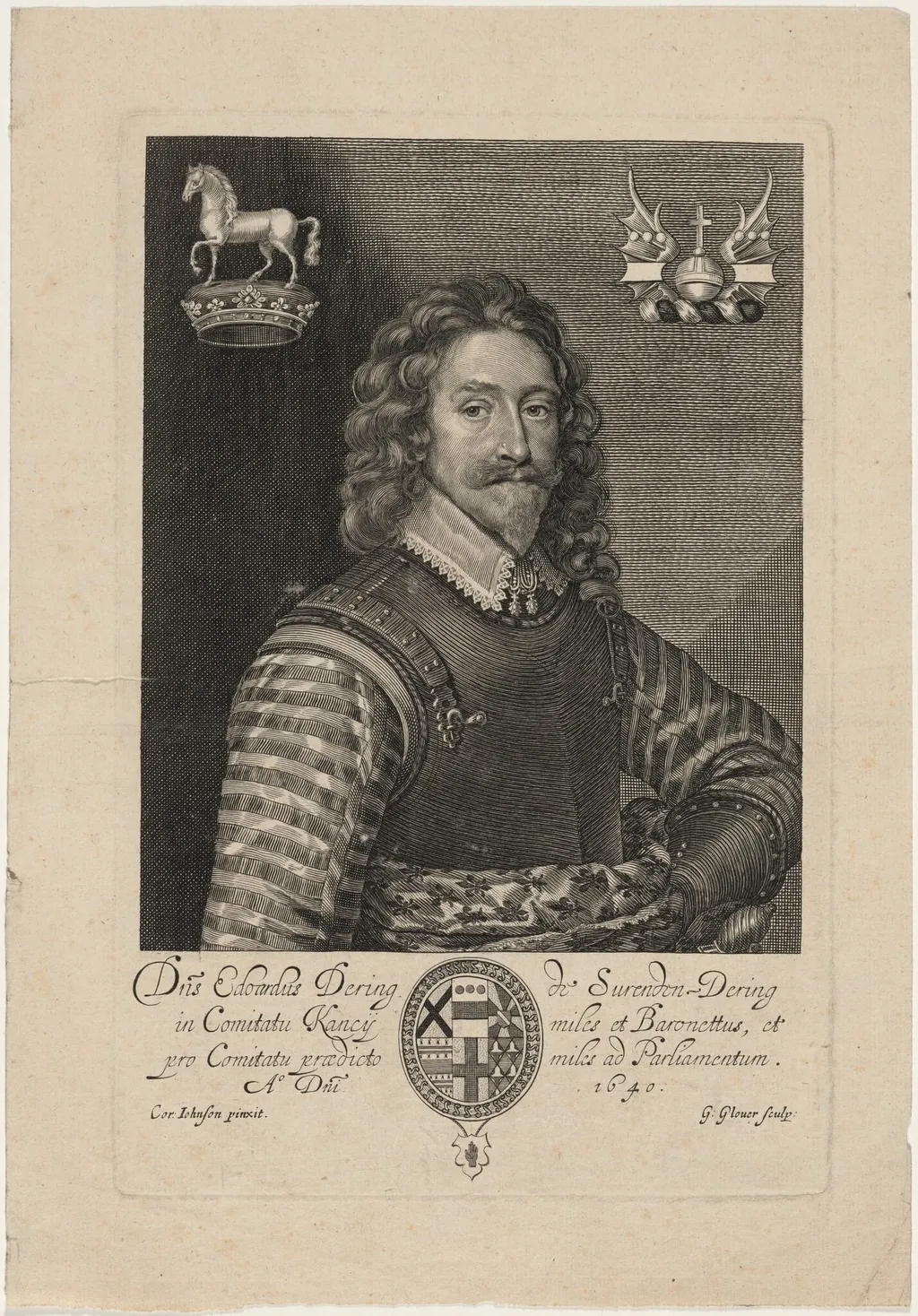
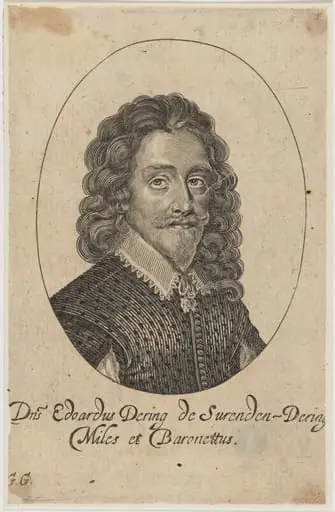
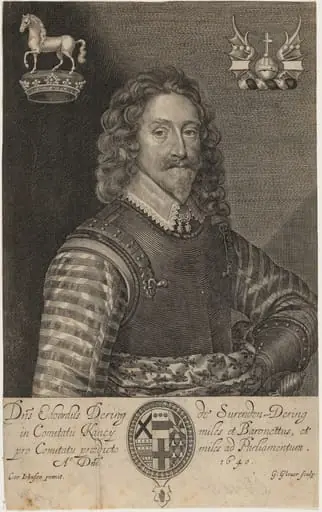
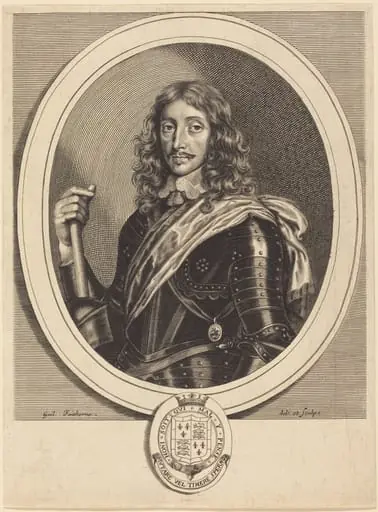
Sir Edward Dering is an ink print by the Renaissance artist George Glover. It dates from 1633 and is held in the collection of the National Gallery of Art.
About this work
Overview
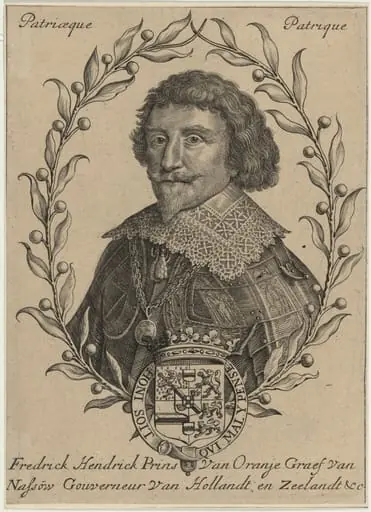
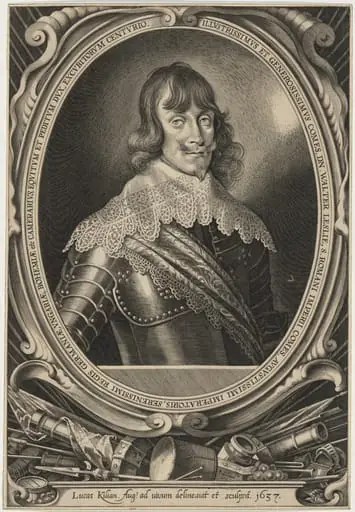
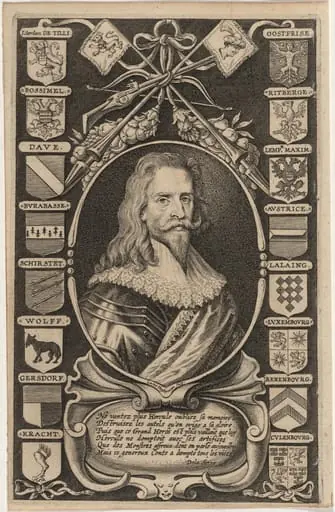
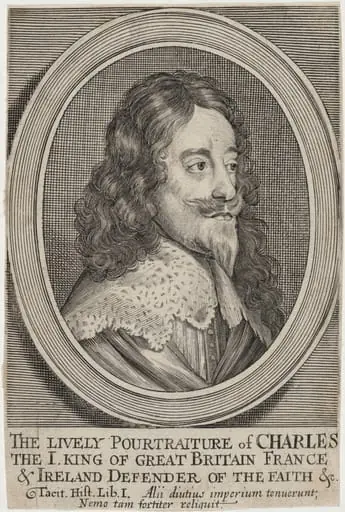
Sir Edward Dering is a 1633 engraving by George Glover, depicting a prominent 17th-century figure in formal attire, accompanied by symbols and textual identifiers of his rank.
Subject & Meaning
The engraving portrays Sir Edward Dering, a knight and baronet, emphasizing his social status through detailed, ornate clothing (striped doublet, ruffled collar) and heraldic elements (coat of arms). The adjacent symbols—a horse and crossed objects (likely representing his interests or lineage)—further contextualize his identity.
Technique & Style
Executed in black and white, the engraving showcases Glover's ability to convey depth and texture through line work, evident in the subject's curly hair, beard, and the intricate patterns of his attire.
History & Provenance
Created in 1633, the engraving's provenance is not detailed here, though its existence suggests Sir Edward Dering's contemporary prominence or the artist's commissioned work for notable figures of the time.
Context
The piece reflects the 17th-century practice of commemorating nobility through engraving, a popular medium for disseminating portraits of the elite. The inclusion of a coat of arms and titles underscores the importance of heraldry and social distinction during this period.
Legacy
While specific influence or widespread recognition of this particular engraving is not highlighted, it contributes to the broader legacy of 17th-century English engraving and the historical record of Sir Edward Dering's stature.
Artist & collection