Artwork
Gheraert van der Spronck
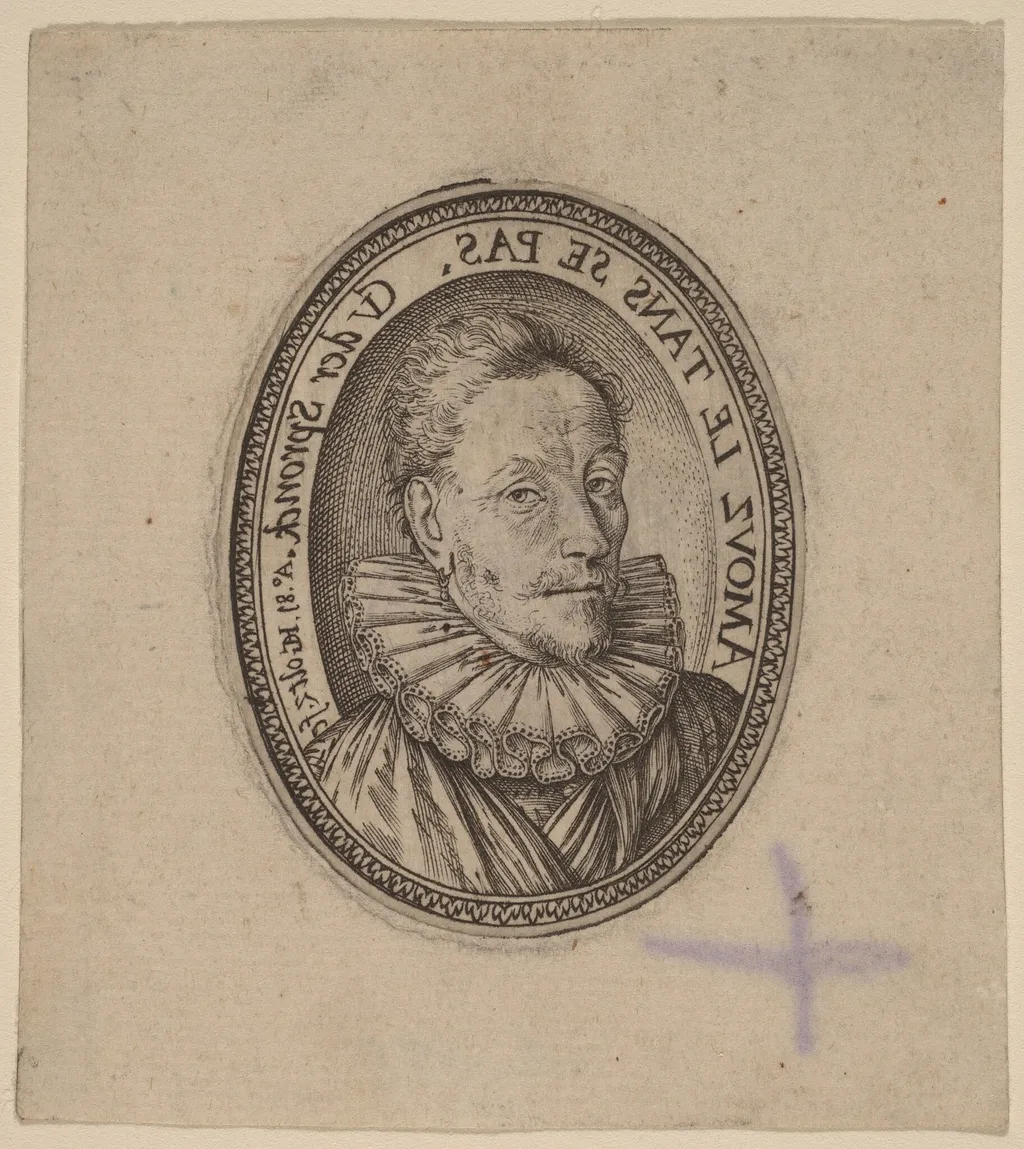
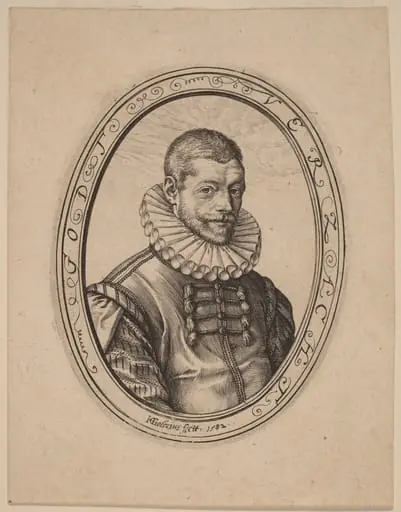
Gheraert van der Spronck is an ink print by the Renaissance artist Hendrik Goltzius. It dates from 1581 and is held in the collection of the National Gallery of Art.
About this work
If you're interested in learning more about this style, you might want to explore the Renaissance movement.
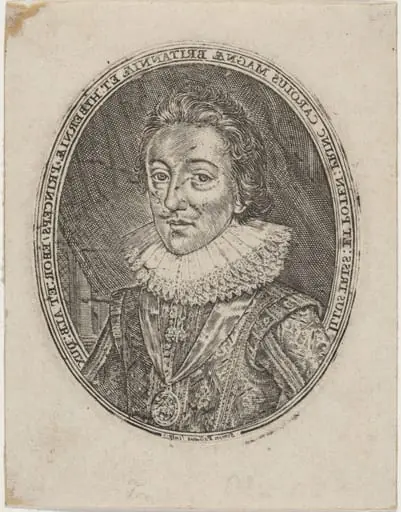
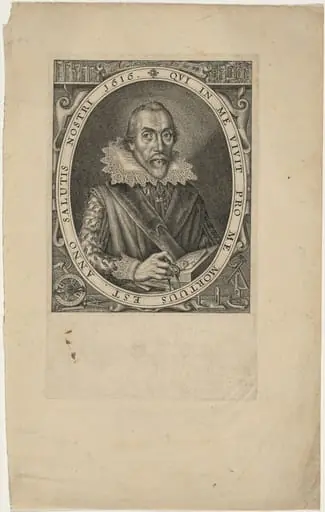
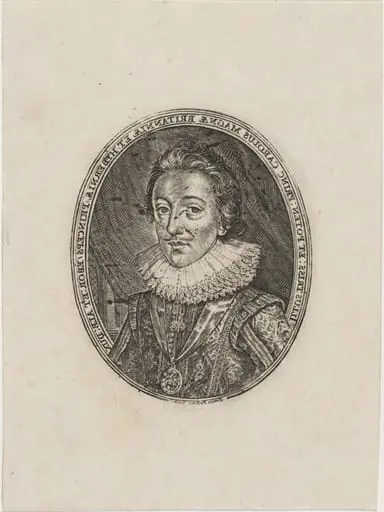
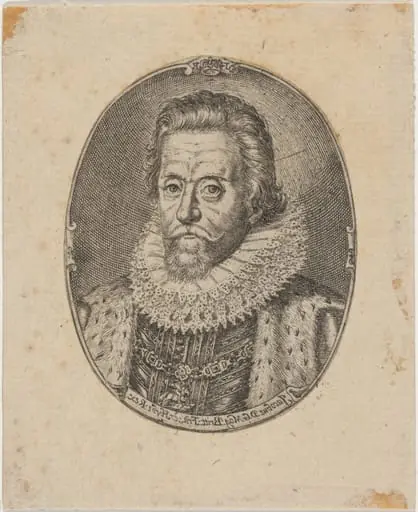
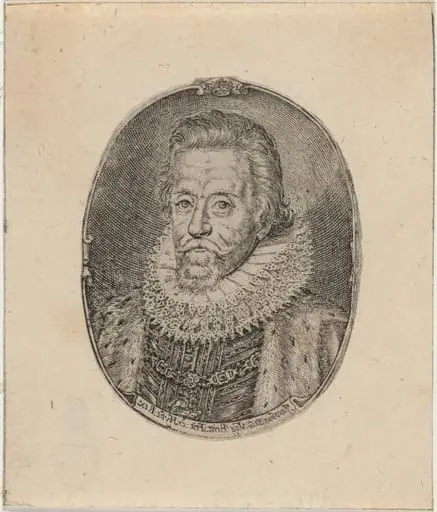
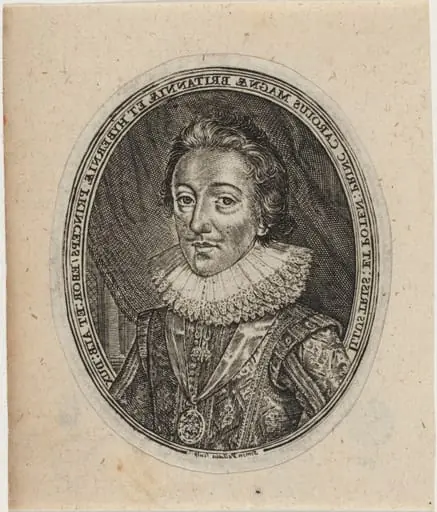
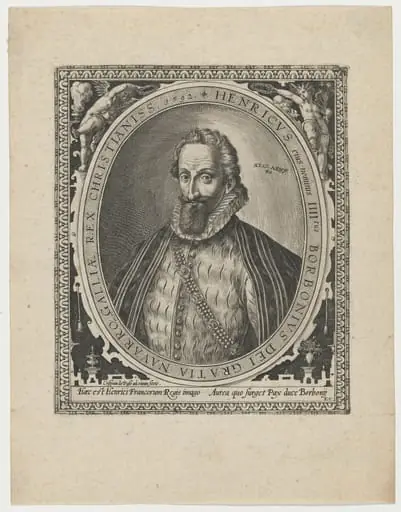
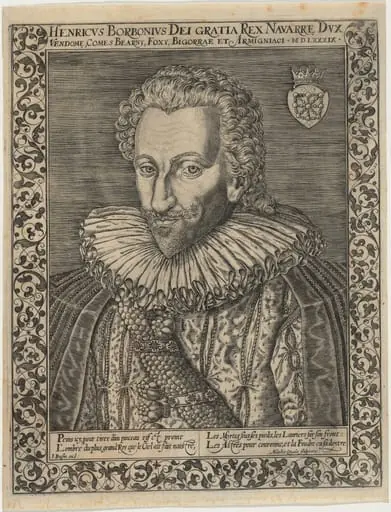
This is an engraving of a man's face. He is wearing a ruffled collar and has short hair. The engraving is circular and has text around the edge.
The man's face is detailed, with lines and shading that show his features. The ruffled collar is also detailed, with folds and creases that give it texture. The background of the engraving is plain, which helps the man's face stand out.
The engraving is a portrait of Gheraert van der Spronck, created by Hendrick Goltzius in 1581. It is an example of Renaissance art, which is known for its attention to detail and realism. If you're interested in learning more about this style, you might want to explore the Renaissance movement.
Overview
Hendrick Goltzius produced this circular engraving in 1581, depicting Gheraert van der Spronck, a Dutch merchant and civic figure. Executed in fine line work, the portrait is framed by an inscription along its outer edge, a common feature in commemorative prints of the period. Goltzius, then in his early thirties, was already renowned for his technical precision and ability to render texture with minimal strokes.
Subject & Meaning
The sitter, Gheraert van der Spronck, was a member of the Dutch urban elite, likely commissioned for a personal or familial keepsake. His direct gaze and modest attire suggest a quiet dignity rather than overt status display. The inclusion of his name in the border reinforces the portrait’s function as a record of identity, aligning with Renaissance values of individuality and civic pride.
Technique & Style
Goltzius employed fine, controlled engraving lines to model the face and ruff with remarkable subtlety. The folds of the collar are rendered through intersecting curves and hatching, creating a sense of volume and fabric weight. The plain background isolates the figure, emphasizing the precision of the facial rendering—shadows are built not with tone but with the density and direction of engraved lines.
History & Provenance
The print was made during Goltzius’s early mature phase, shortly after his return from Italy, when he was refining his approach to portraiture. Few early impressions survive, and those that do are held in major European print collections. Its small scale and intimate format suggest it was intended for private circulation rather than public sale.
Context
In late 16th-century the Netherlands, engraved portraits served as both personal mementos and markers of social standing. Goltzius’s work stood apart for its ability to convey character through line alone, without color or gold leaf. This piece reflects a broader trend among Northern artists to elevate printmaking to the level of painting, using technical mastery to achieve psychological depth.
Legacy
This engraving exemplifies Goltzius’s influence on the evolution of Northern printmaking. His ability to translate the nuances of human expression into fine lines became a model for later generations. Though not widely reproduced, the work remains a key reference in studies of early Baroque portraiture and the technical potential of the engraving medium.
Artist & collection
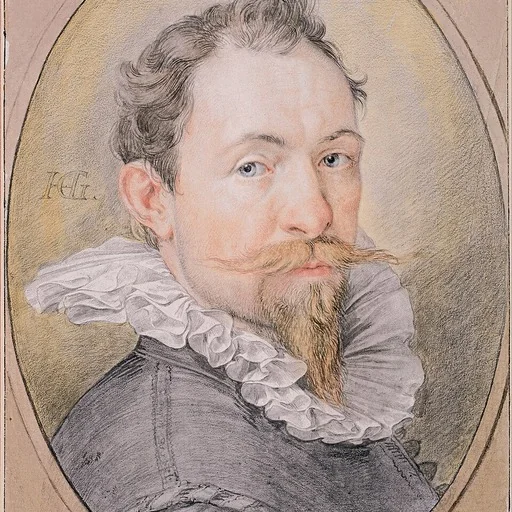
Artist
Hendrick Goltzius (German: , Dutch: ; né Goltz; January or February 1558 – 1 January 1617) was a German-born Dutch printmaker, draftsman, and painter.