Artwork
Chegada das Relíquias de Santa Auta à Igreja da Madre de Deus
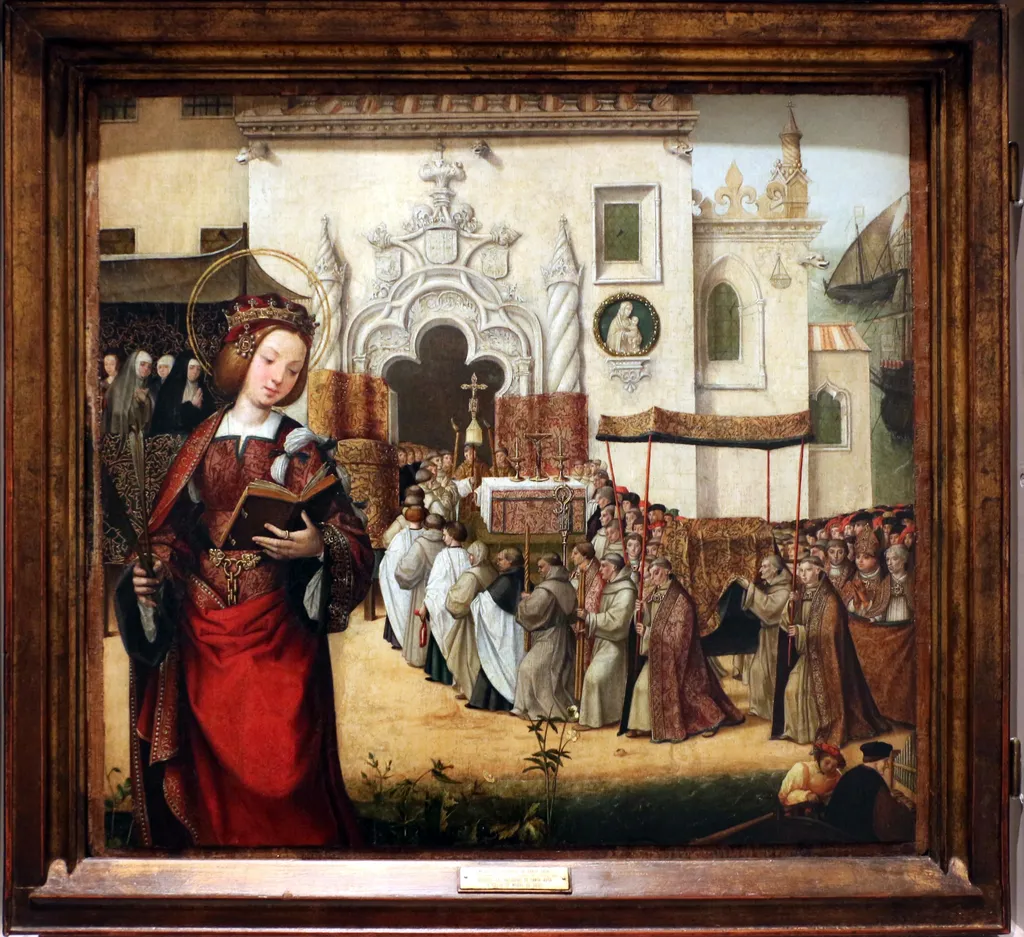
Chegada das Relíquias de Santa Auta à Igreja da Madre de Deus is an oil painting by the Northern Renaissance artist Gregório Lopes. It dates from 1520 and is held in the collection of the National Museum of Ancient Art.
About this work
Overview
Painted in 1520 by Gregório Lopes, this oil on panel work records the ceremonial arrival of relics associated with Saint Auta at the Madre de Deus Convent in Lisbon. Commissioned to commemorate a significant religious event, the painting blends devotional imagery with documentary detail, reflecting the cultural and spiritual priorities of early 16th-century Portugal.
Subject & Meaning
The central figure is Saint Auta, identified by her crown and halo, holding a book and staff as symbols of spiritual authority. She stands before the convent’s façade, where clergy and nobility gather in solemn reverence. The scene commemorates the translation of her relics, a ritual meant to sanctify the convent and reinforce its status as a center of piety and royal patronage.
Technique & Style
Lopes employs a flattened perspective and rich, localized color to emphasize ritual over spatial realism. Figures are arranged in orderly rows, their formal garments and gestures conveying hierarchy and devotion. The architectural backdrop is rendered with careful detail, suggesting Flemish influence, while the overall composition prioritizes symbolic clarity over naturalism.
History & Provenance
Commissioned for the Madre de Deus Convent, the painting remained in situ until the 19th century. It entered the collection of the National Museum of Ancient Art in Lisbon, where it has been preserved as a key example of Portuguese Renaissance religious art. Its survival reflects the convent’s enduring importance and the state’s interest in safeguarding national heritage.
Context
Created during the height of Portuguese exploration, the painting aligns with a broader trend of using art to legitimize religious institutions through royal and ecclesiastical patronage. Eleanor of Viseu, a key benefactor of the convent, is likely represented among the figures, linking the scene to the broader network of royal piety that shaped Portugal’s spiritual landscape.
Legacy
The painting stands as one of the earliest known Portuguese works to depict a specific historical religious event with narrative precision. It influenced later devotional imagery in the region and remains a vital reference for understanding how religious authority was visually constructed in early modern Portugal.
Artist & collection

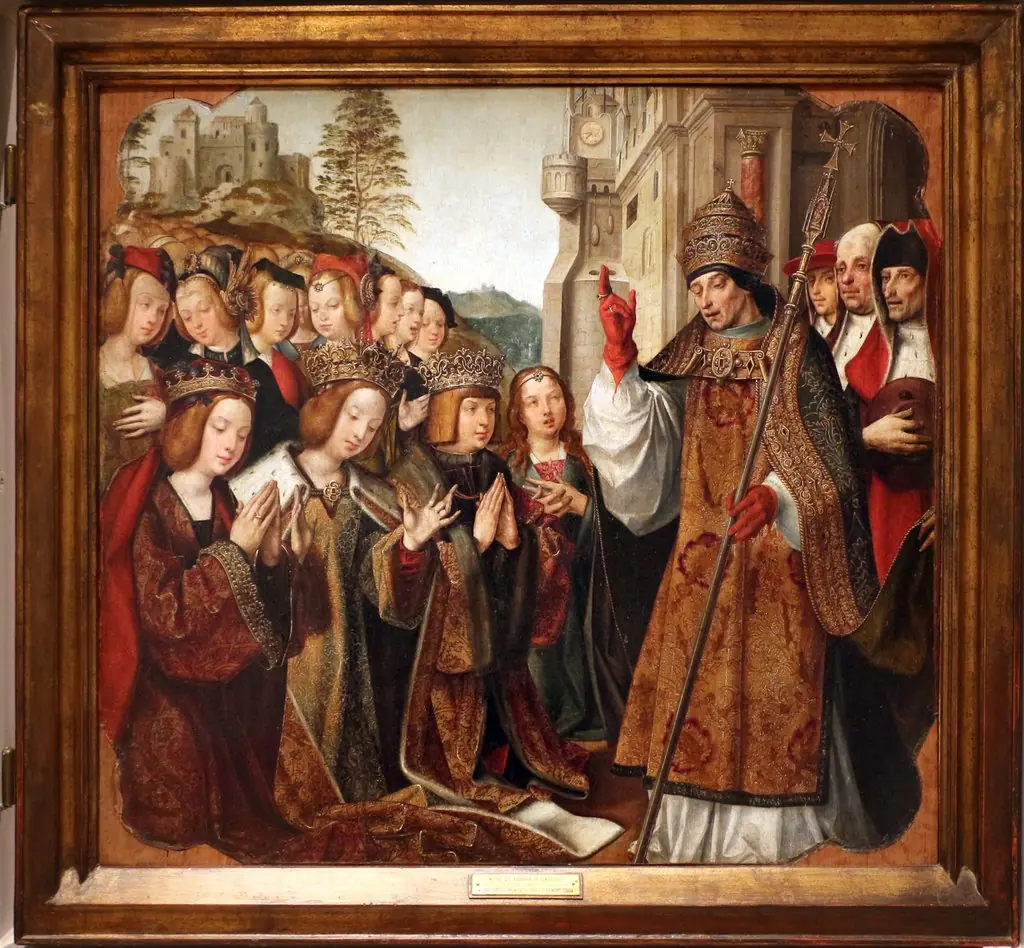 Blessing of Saint Auta by Pope Siricius
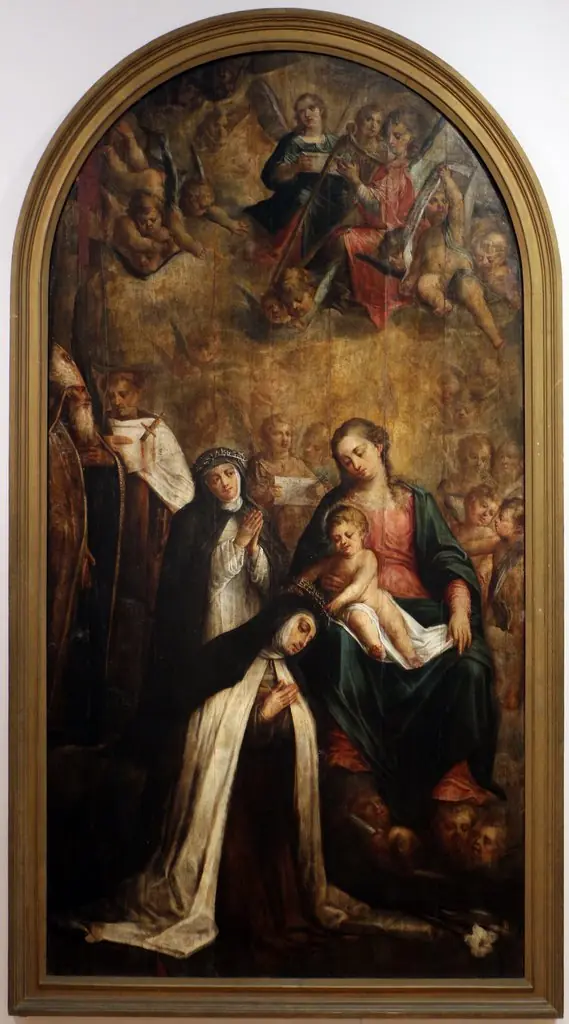 Saint Mary Magdalene of Pazzi crowned with thorns
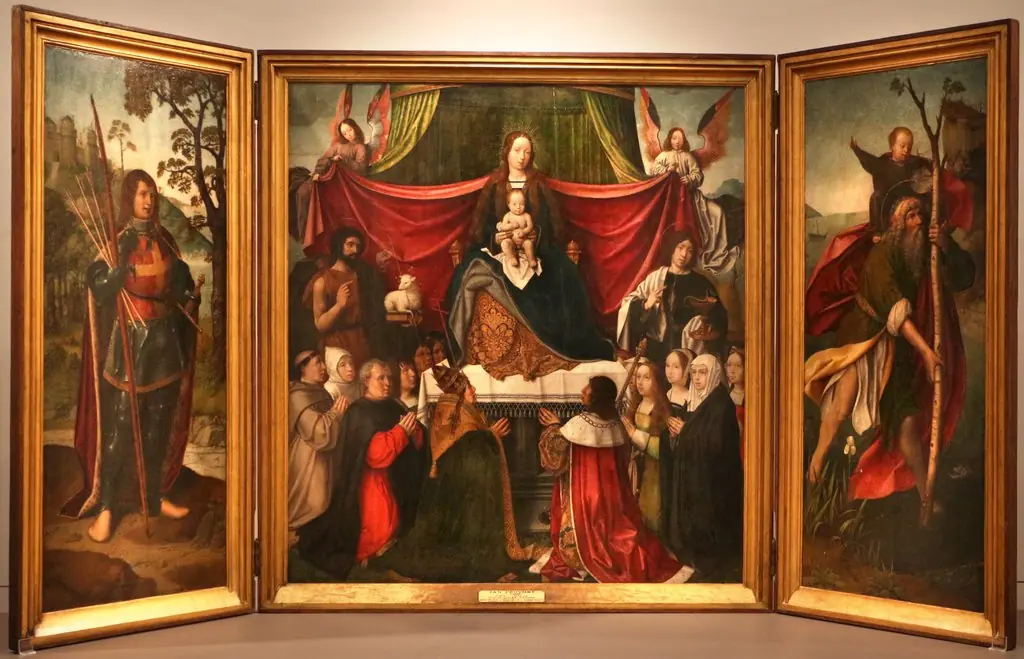 Triptych of Our Lady of Mercy
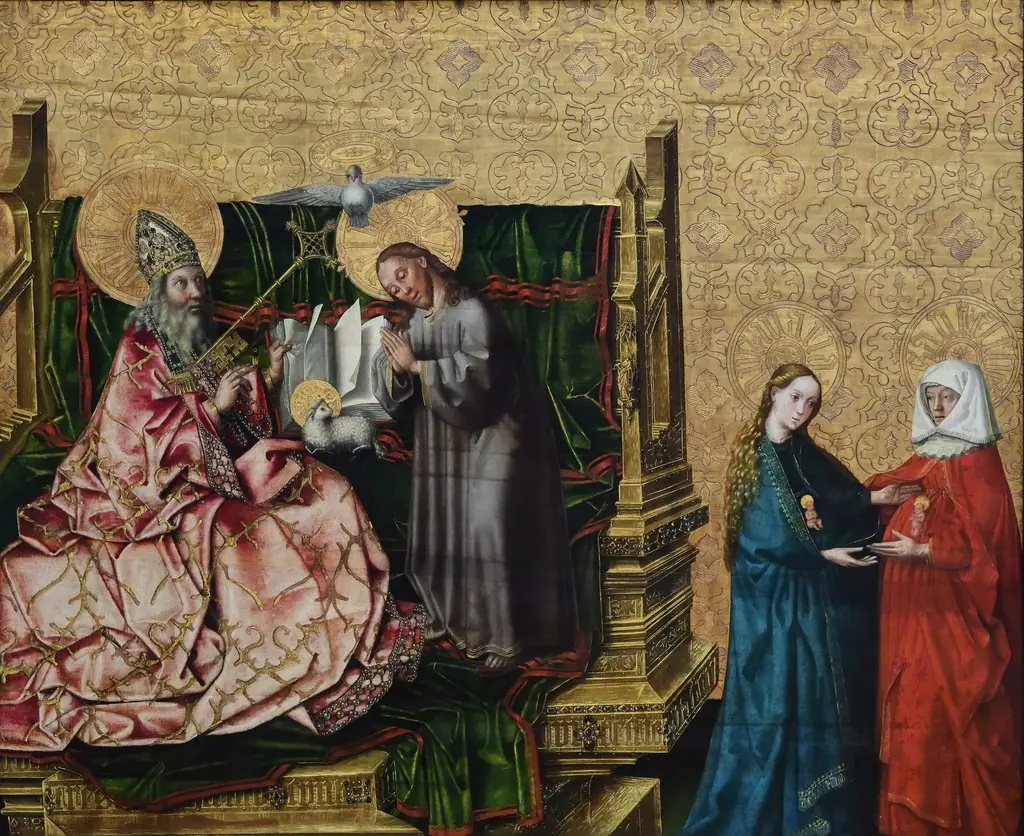 The Council of Salvation
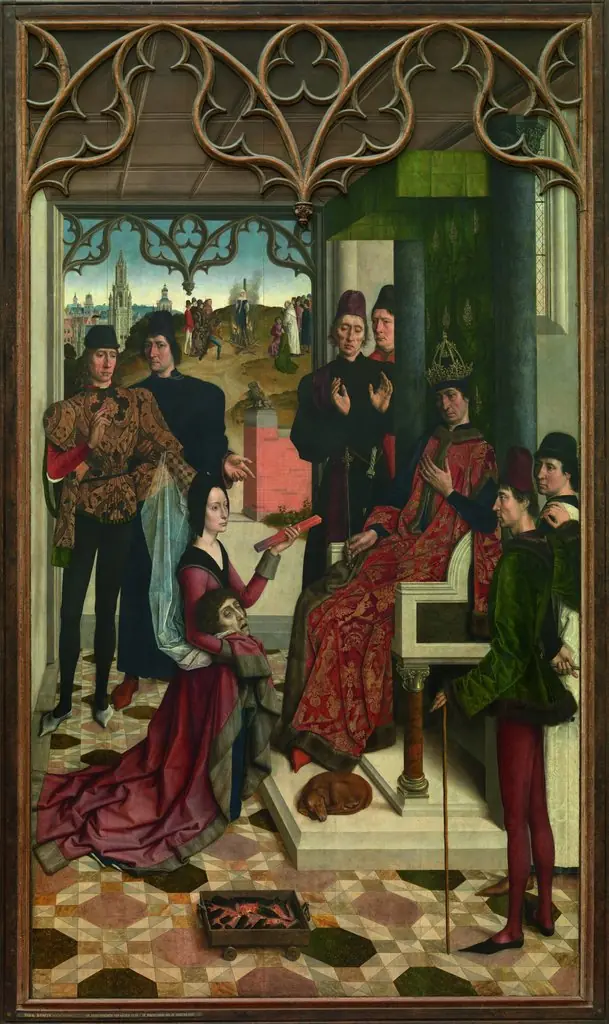 Justice of Emperor Otto III: The Trial by Fire
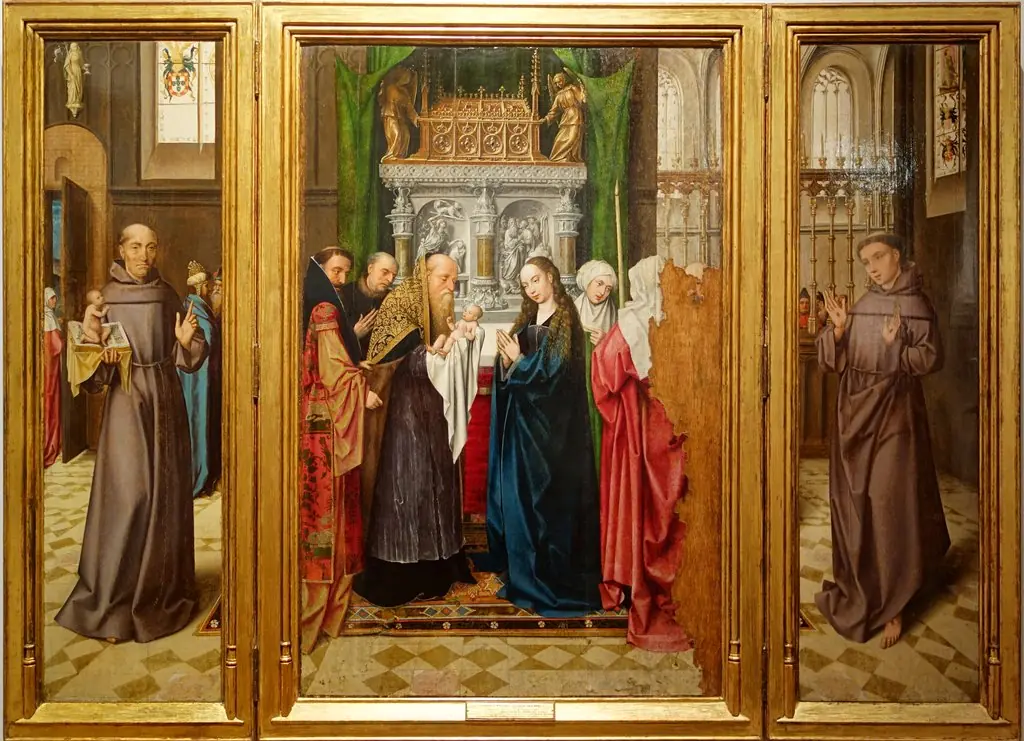 Triptych of the Presentation of Jesus in the Temple
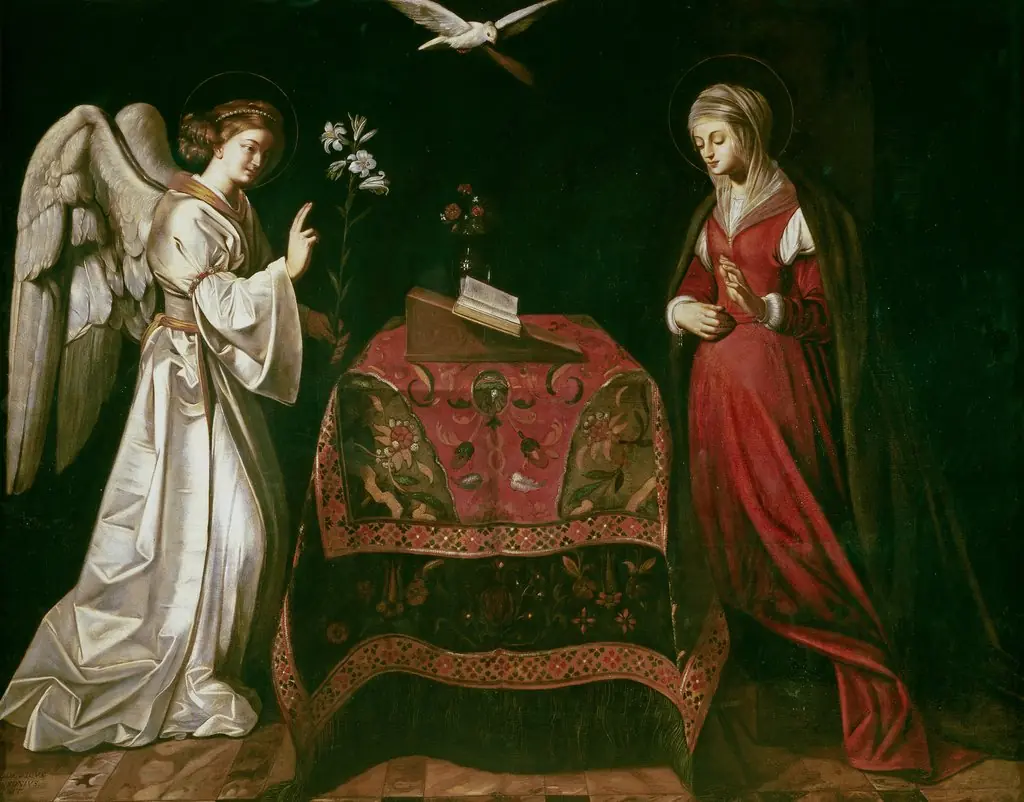 The Annunciation
 St Anne Altarpiece
 Christ's Bath
 Our Lady of Valvanera
 Partida de Colónia das Relíquias de Santa Auta