Artwork
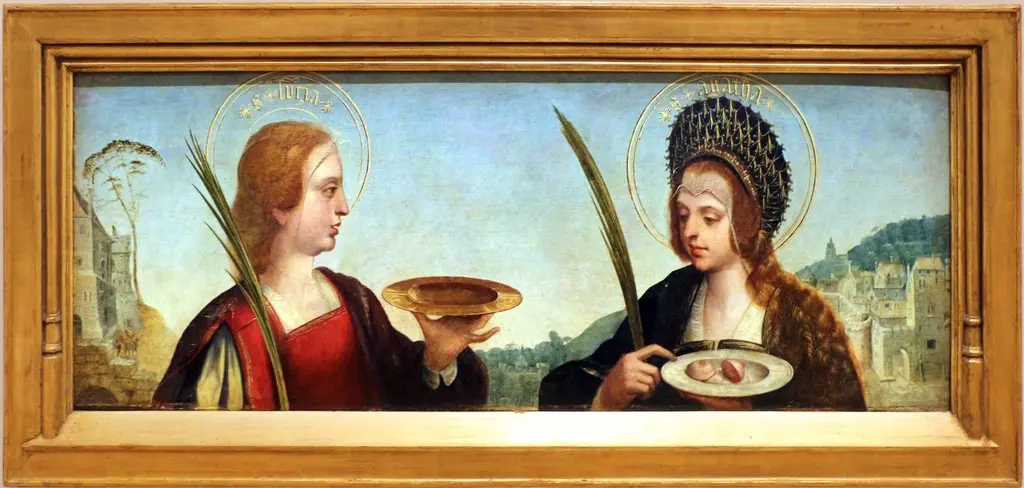
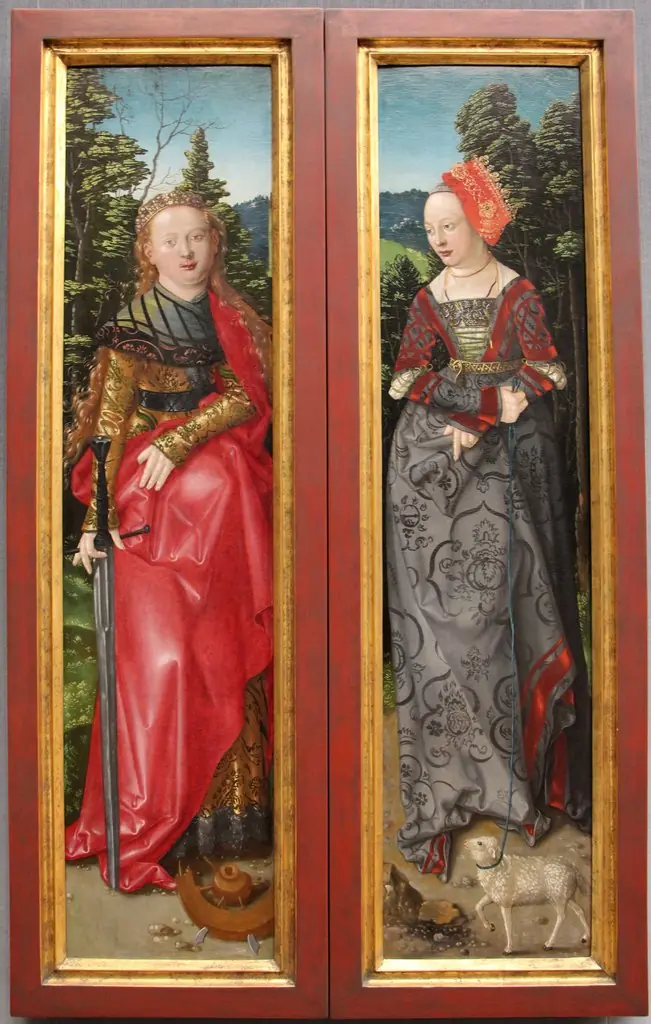
Santa Margarida e Santa Maria Madalena
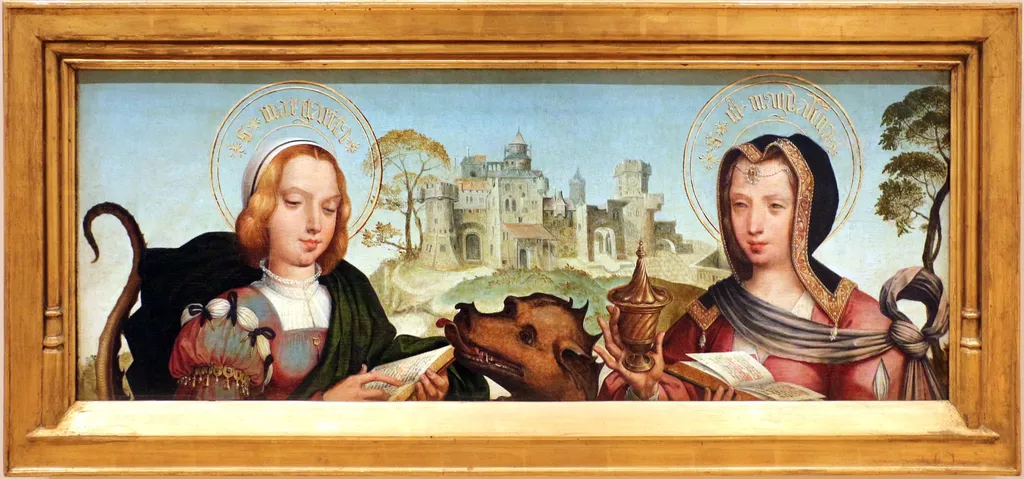
Santa Margarida e Santa Maria Madalena is an unspecified painting by the High Renaissance artist Gregório Lopes. It dates from 1520 and is held in the collection of the National Museum of Ancient Art.
About this work
Overview
Santa Margarida e Santa Maria Madalena is a 1520 religious painting by Gregório Lopes, housed at the National Museum of Ancient Art. It portrays two sainted figures, Margaret the Virgin and Mary Magdalene, in a detailed, symbolic scene.
Subject & Meaning
The painting depicts Margaret the Virgin and Mary Magdalene, each distinguished by attire and attributes: Margaret with a green shawl over red, accompanied by a dragon-like creature, and Mary Magdalene in a red robe with a gray sash and a snake. Both hold books, symbolizing wisdom, while halos with gold lettering signify their sanctity.
Technique & Style
Lopes employs a vibrant color palette and thoughtful composition to achieve depth and dimensionality. The work features intricate details, such as adorned halos, and utilizes chiaroscuro to enhance the visual impact, drawing the viewer into the scene's symbolism and narrative.
History & Provenance
Created in 1520 by Gregório Lopes, the painting is part of the collection at the National Museum of Ancient Art, providing a significant example of the artist's early 16th-century work.
Context
Reflecting the artistic and religious sentiments of its time, the painting combines religious iconography with the Renaissance attention to detail and spatial depth, characteristic of European art during the period.
Legacy
While specific lasting impacts of 'Santa Margarida e Santa Maria Madalena' on subsequent art are not widely documented, it remains a valuable piece for understanding Gregório Lopes' contribution to Portuguese Renaissance art and the evolving depiction of saintly figures in early modern European painting.
Artist & collection

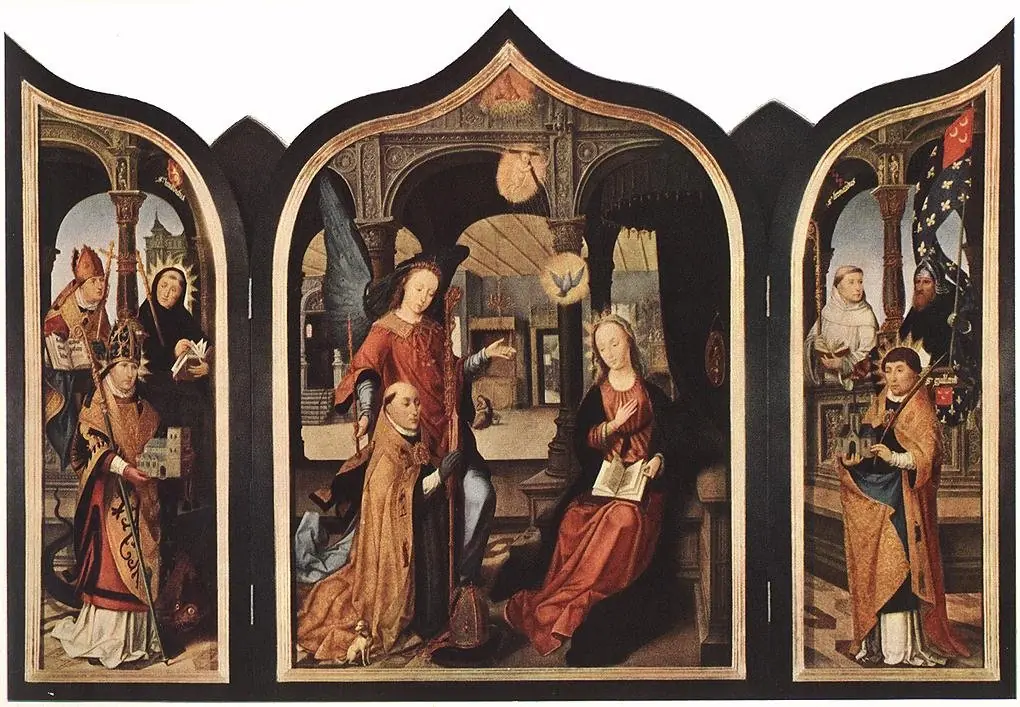 Annunciation
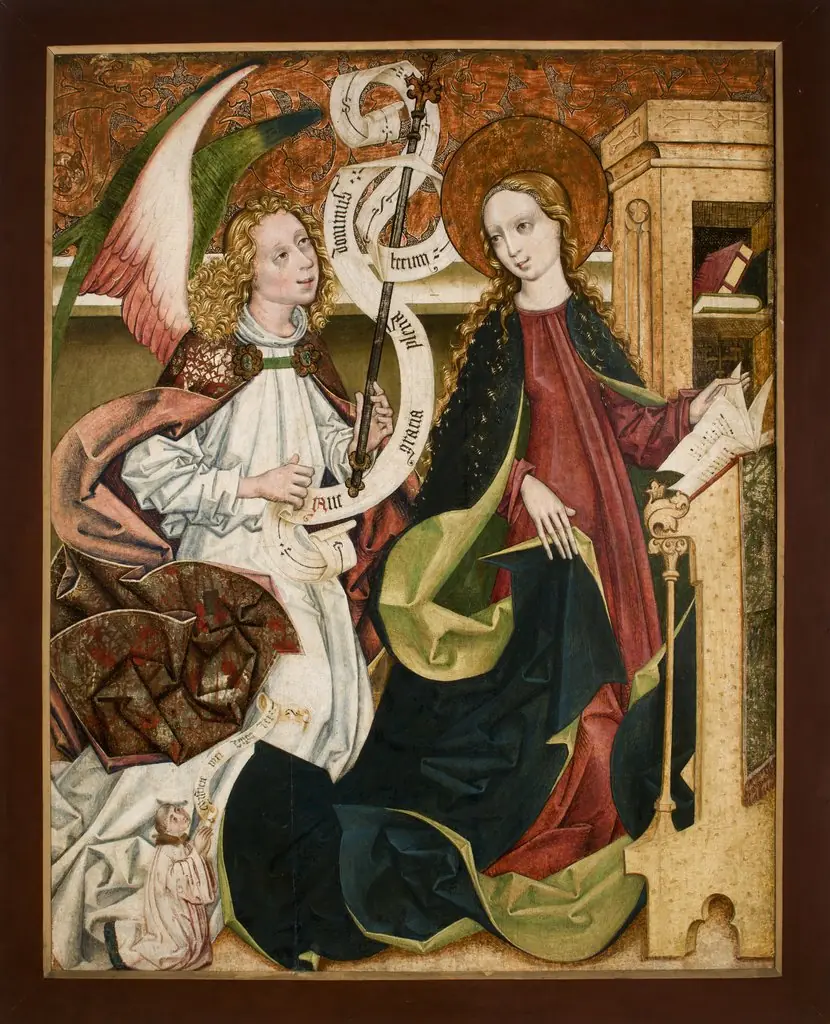 The Annunciation from the Church in Cięcina
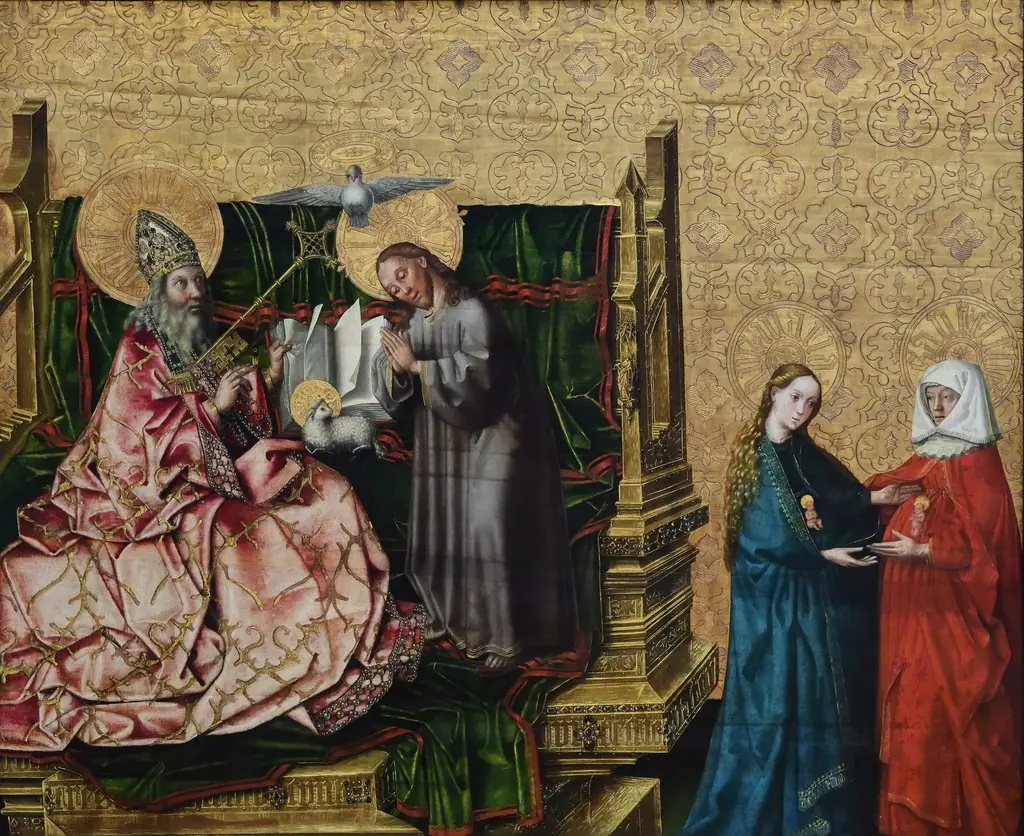 The Council of Salvation
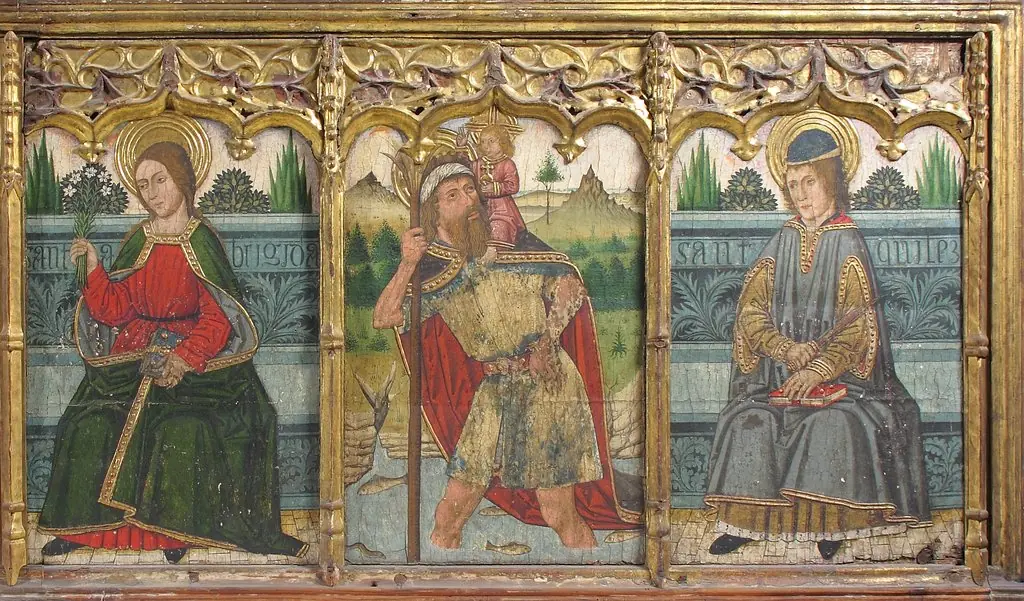 Predella pane with Saint Bridget, Saint Christopher, and Saint Kilian from Retable
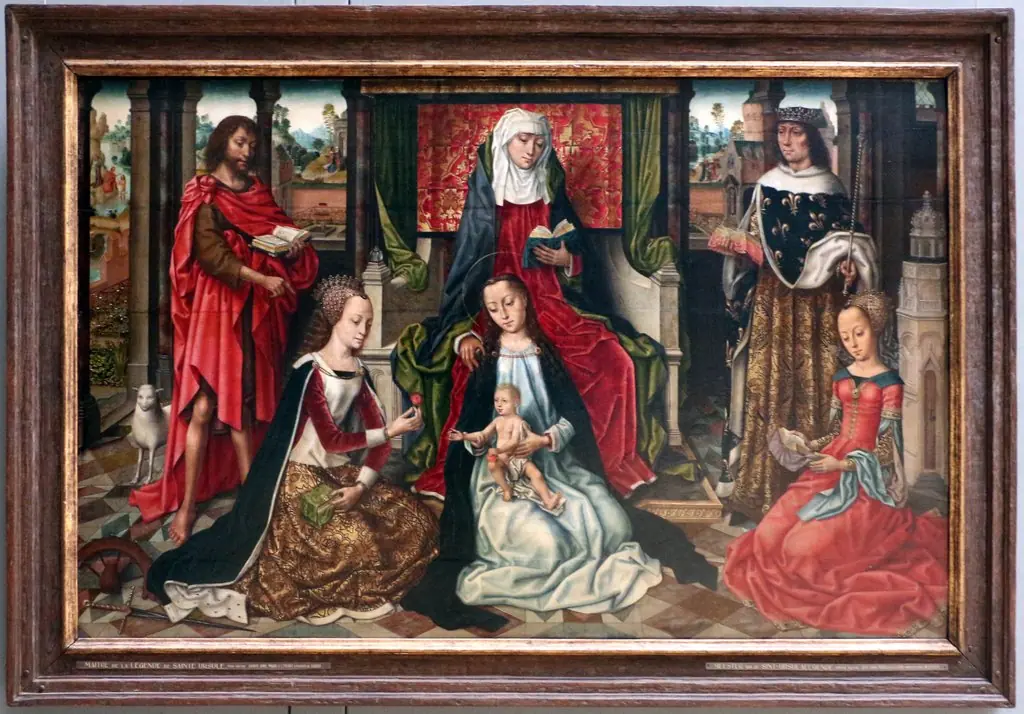 Saint Anne with the Virgin and Child and four saints (John the Baptist, Louis IX, Catherine and Barbara)
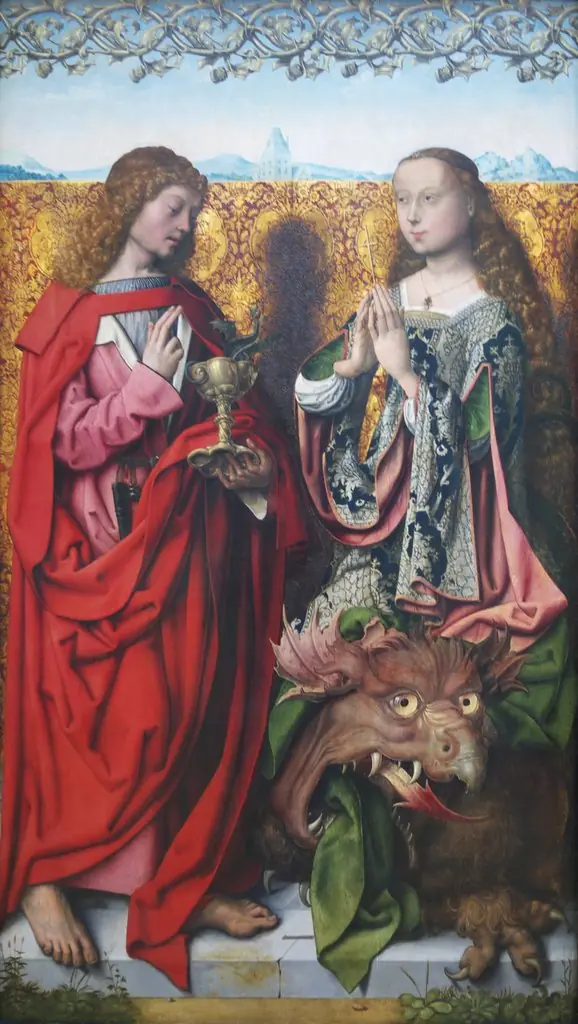 Saint Bartholomew Altarpiece: Saint John the Evangelist and Margaret
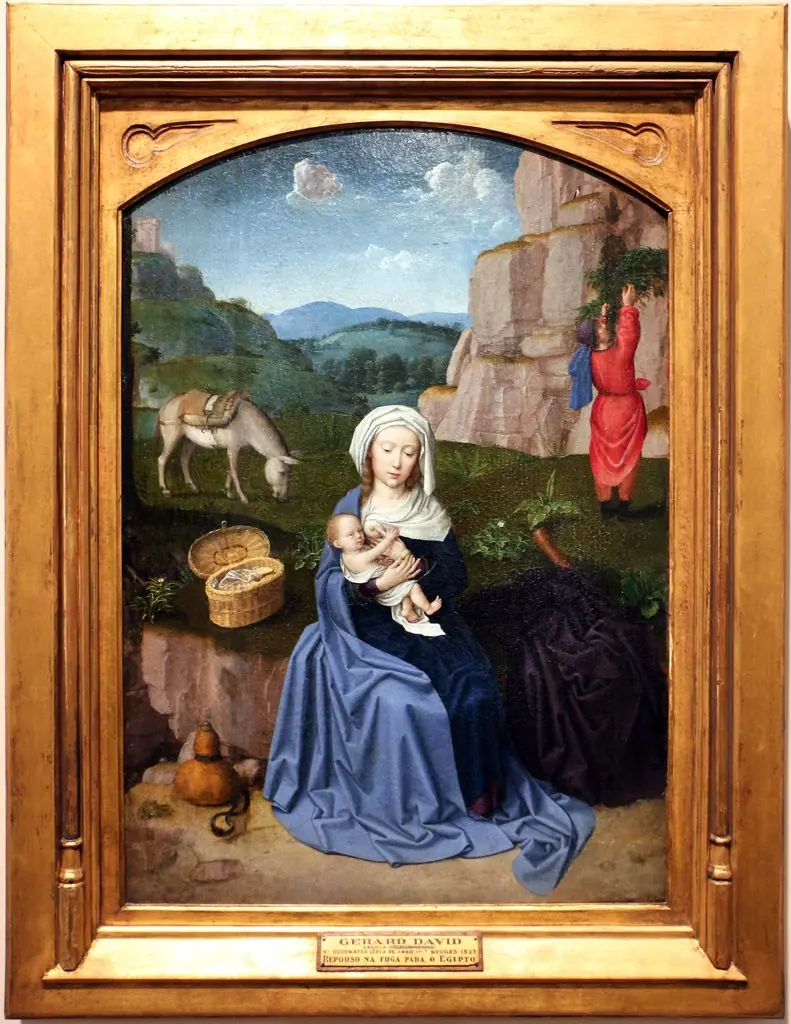 Rest on the Flight into Egypt
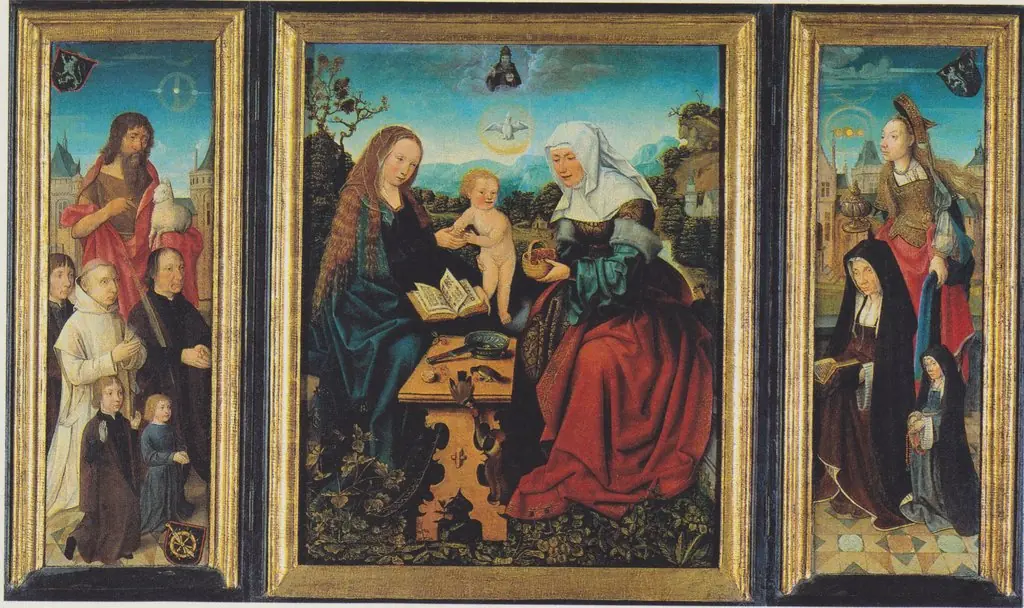 Portrait of Dirck van Heemskerck van Beest & sons with John the Baptist, Madonna and Child with St Anne, and Gertruid van Diemen & daughter with Mary Magdalene
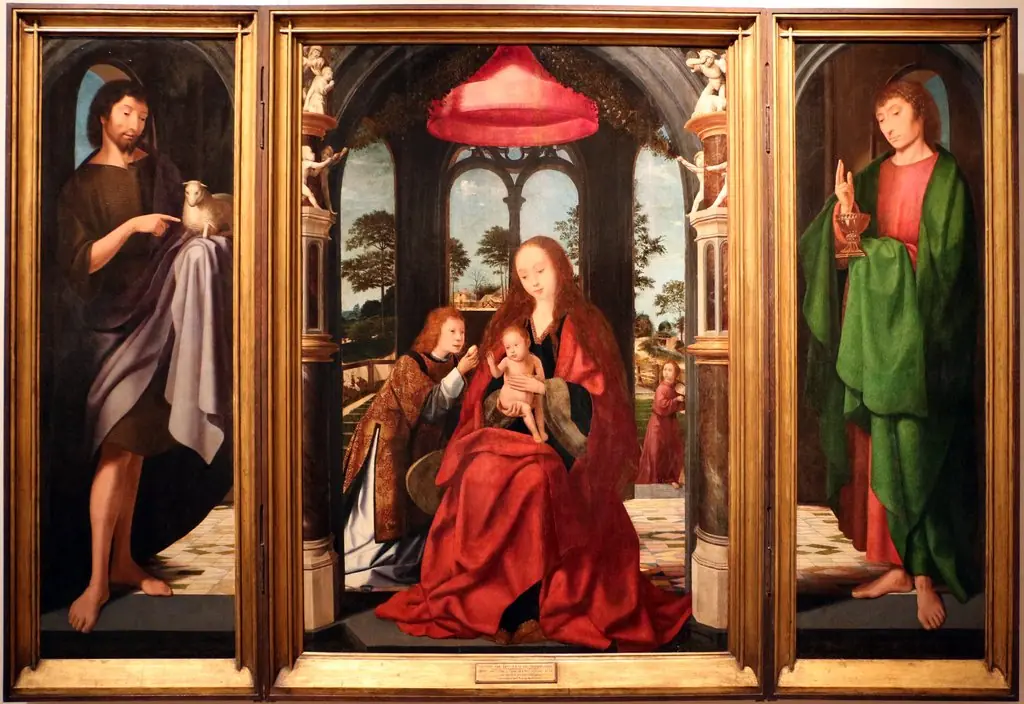 Triptych of the Virgin with the Child and Angels, St. John the Baptist and St. John the Evangelist
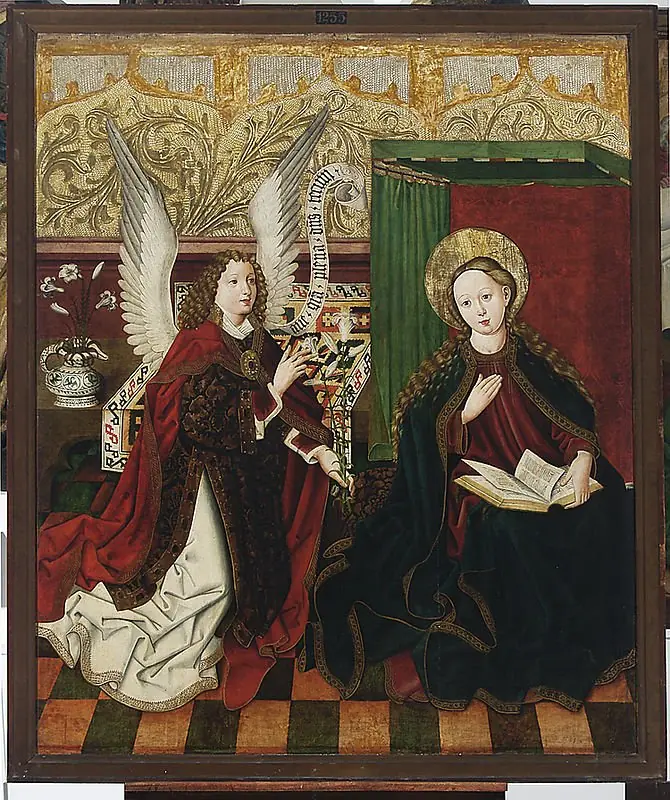 Legnica polyptych - left wing internal - upper panel - obverse: Annunciation; reverse: St Lawrence, St Vincent the Levite. St John the Baptist
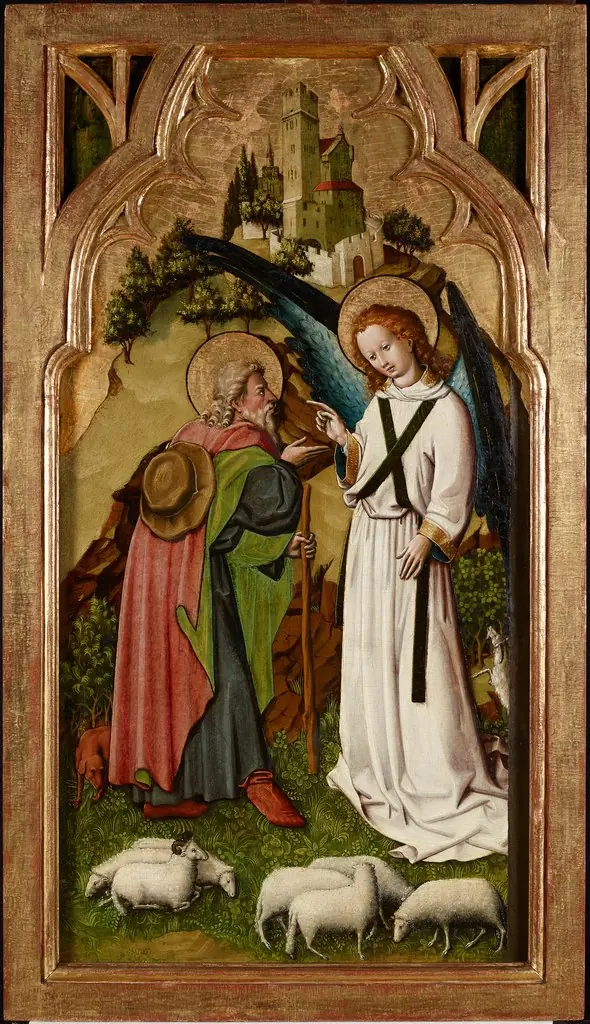 Botschaft des Engels an Joachim
 Der Dreikönigsaltar Außentafeln: Die Heiligen Katharina und Agnes