Artwork
Copy of painting inside the caves of Ajanta (cave 10)
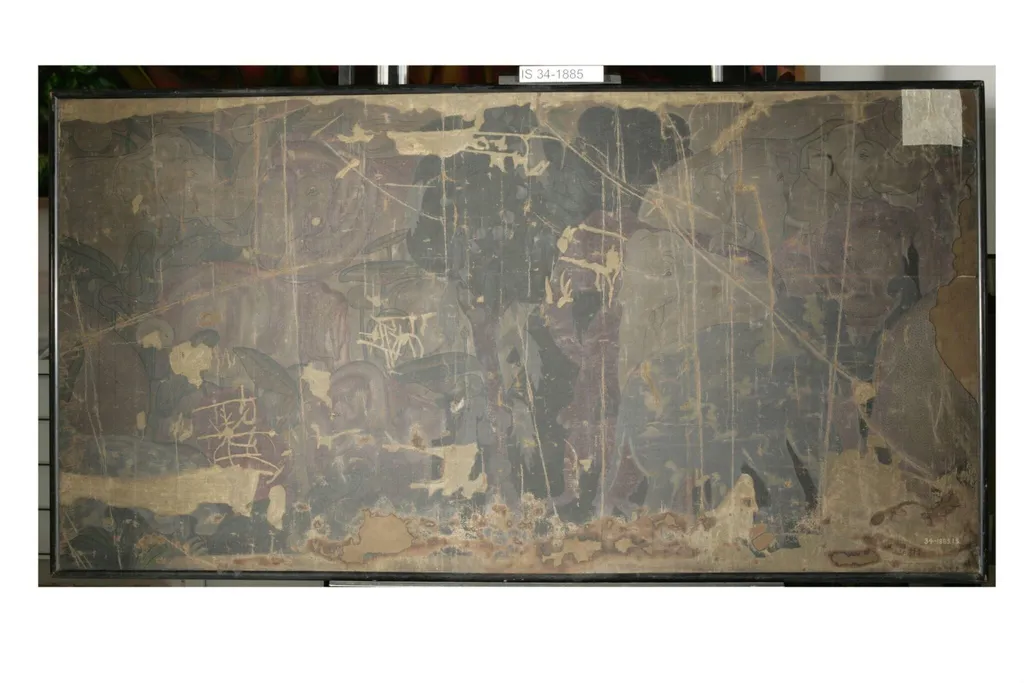
Copy of painting inside the caves of Ajanta (cave 10) is an oil painting by the Impressionist artist John Griffiths. It dates from 1882 and is held in the collection of the Victoria and Albert Museum. This oil painting is a reproduction of a mural from Cave 10 at Ajanta, created between 1881 and 1883.
About this work
This is an oil painting made in 1881–83. It copies a cave painting inside Ajanta’s cave ten. The original, from India’s ancient past, tells stories of the Buddha.
Griffiths worked with seven Indian students each winter for thirteen years. Their copies saved scenes that had nearly vanished after a fire in 1866.
See more of Griffiths’ Ajanta copies at the Victoria and Albert Museum.
Overview
It was produced by John Griffiths and his team of seven Indian students as part of a thirteen-year project to document the ancient cave paintings.
This oil painting is a reproduction of a mural from Cave 10 at Ajanta, created between 1881 and 1883. It was produced by John Griffiths and his team of seven Indian students as part of a thirteen-year project to document the ancient cave paintings. The original murals, dating from the 1st century BCE to the 5th century CE, had suffered damage and decay, and earlier copies made by Major Robert Gill were lost in a fire in 1866. This work is one of approximately 300 reproductions made to preserve the visual record of the site.
Subject & Meaning
The painting illustrates a scene from the Saddanta Jataka, one of the Buddha’s past-life stories. In this tale, the Buddha, in a previous incarnation as a six-tusked elephant, demonstrates compassion and self-sacrifice. The narrative emphasizes moral virtues central to Buddhist teachings, such as non-violence and generosity. The original mural, like others in the caves, served as a devotional and instructional aid for monks and pilgrims, using visual storytelling to convey ethical lessons.
Technique & Style
Unlike the original frescoes, which were painted with natural pigments on wet plaster, this reproduction was executed in oil on canvas. Griffiths and his students adapted the fluid lines and muted earth tones of the ancient murals to a Western medium, striving for fidelity in composition and detail. While the oil technique allowed for greater durability and portability, it also introduced a different texture and luminosity, subtly altering the visual character of the source material.
History & Provenance
After the destruction of Major Robert Gill’s earlier copies in a fire, the Bombay School of Art initiated a new documentation effort in 1872 under John Griffiths. Each winter for thirteen years, Griffiths and his students traveled to Ajanta to paint the deteriorating murals. These reproductions became vital records after the original paintings continued to fade. The 1881–83 oil painting is one of the surviving works from this project, now held in the Victoria and Albert Museum’s collection.
Context
The Ajanta caves were rediscovered in 1819 during British colonial surveying efforts. As interest grew in India’s artistic heritage, colonial officials and scholars sought to preserve what remained of the murals. Griffiths’ project emerged from this context, blending colonial documentation practices with local artistic labor. The involvement of Indian students reflects an early, though uneven, collaboration between British institutions and Indian artists in the preservation of cultural heritage.
Legacy
Griffiths’ reproductions remain among the most comprehensive visual records of the Ajanta murals from the late 19th century. Many of the original paintings have since faded or been damaged further, making these copies essential for study and public awareness. Though created as copies, they now serve as historical artifacts in their own right, documenting both ancient Indian art and the colonial-era efforts to preserve it.
Artist & collection
Artist
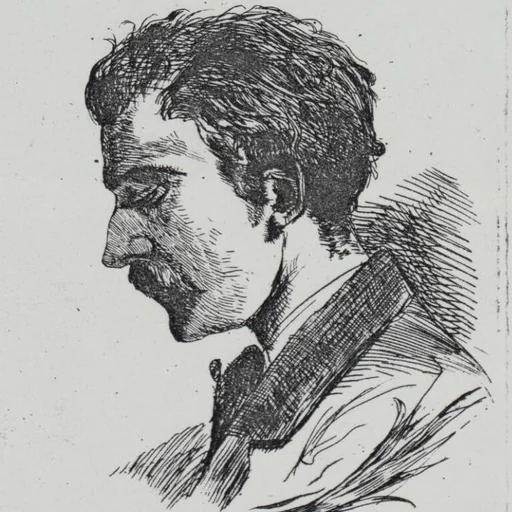
John Griffiths (29 November 1837 – 1 December 1918) was a Welsh artist who worked in India, noted for his Orientalist works.

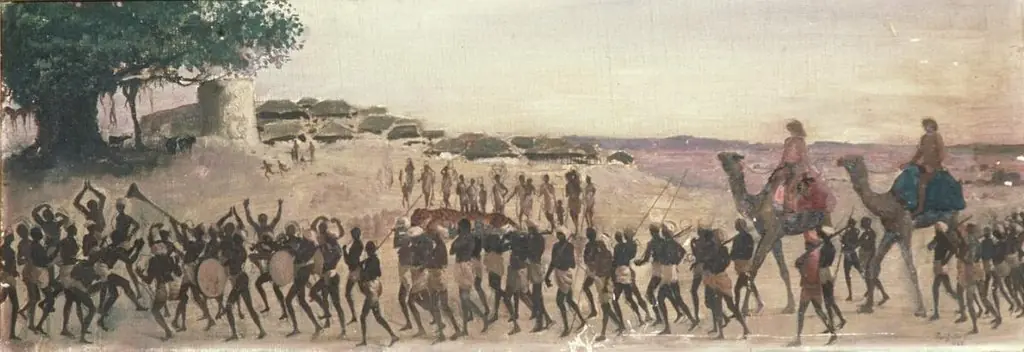 Tiger shooting in East Berar
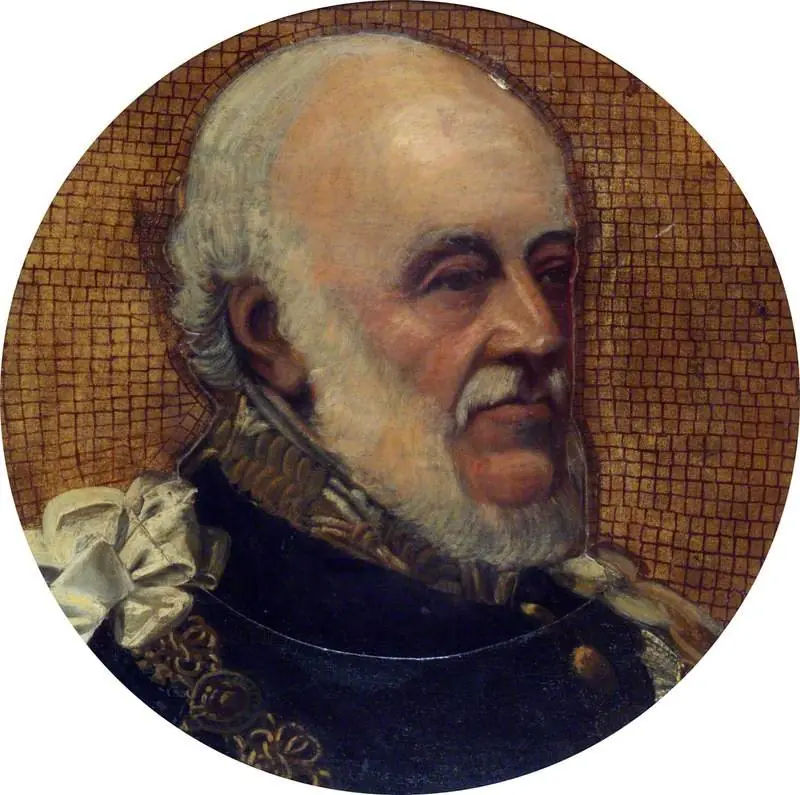 The Marquis of Salisbury (1791–1868)
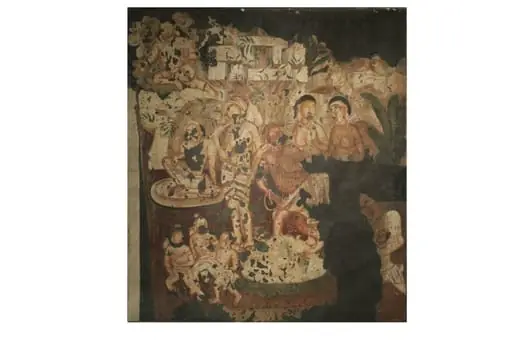 Copy of painting inside the caves of Ajanta (Cave 2)
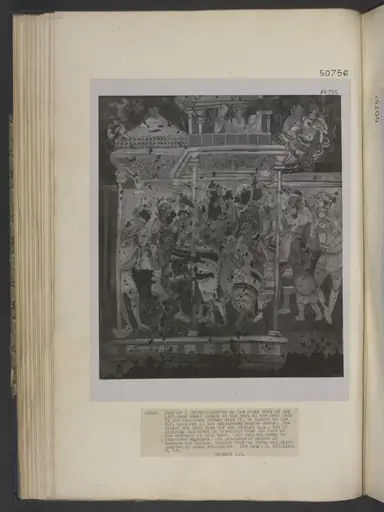 Copy of painting in the caves of Ajanta (cave 2)
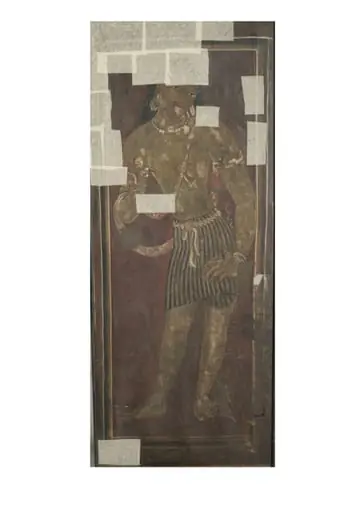 Copy of painting in the caves of Ajanta (cave 17)
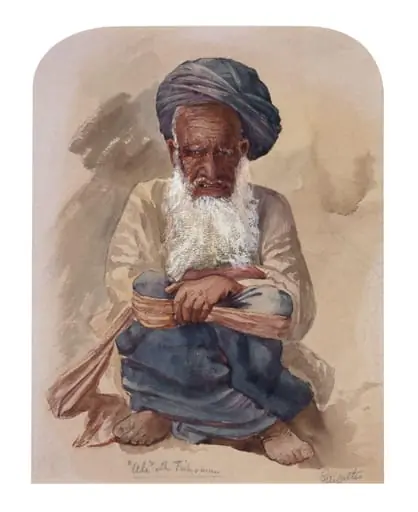 Ali the fisherman
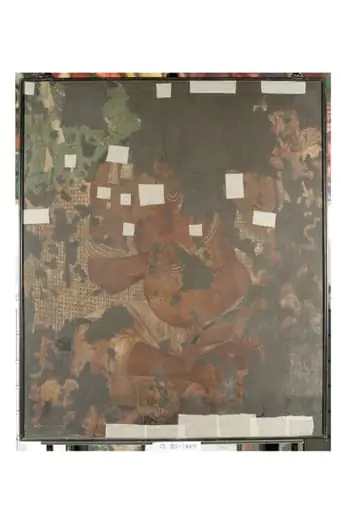 Copy of painting inside the caves of Ajanta (cave 16)
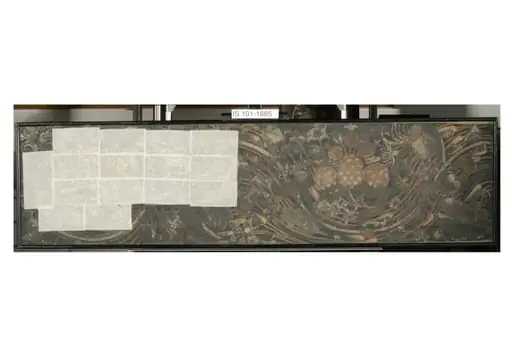 Copy of painting inside the caves of Ajanta (Cave 9)
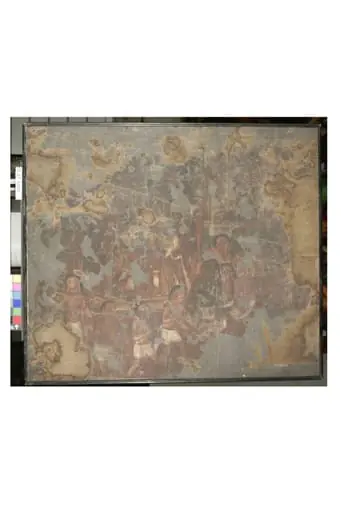 Copy of painting inside the caves of Ajanta (cave 17)
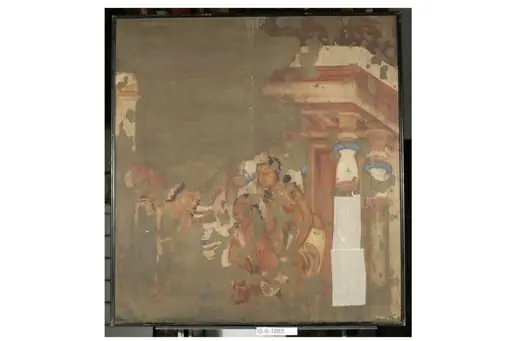 Copy of painting inside the caves of Ajanta (Cave 1)
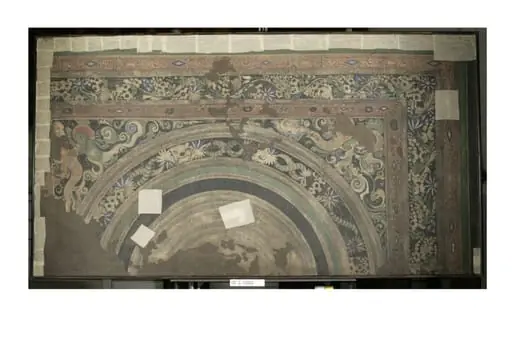 Copy of painting inside the caves of Ajanta (cave 21)
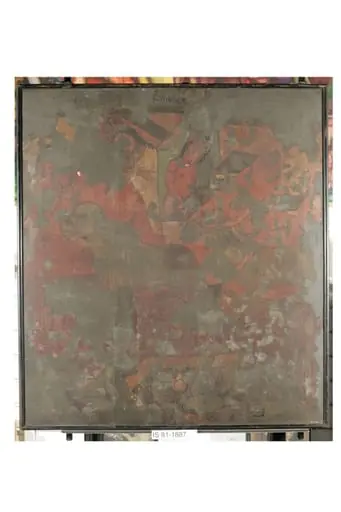 Copy of painting inside the caves of Ajanta (cave 16)
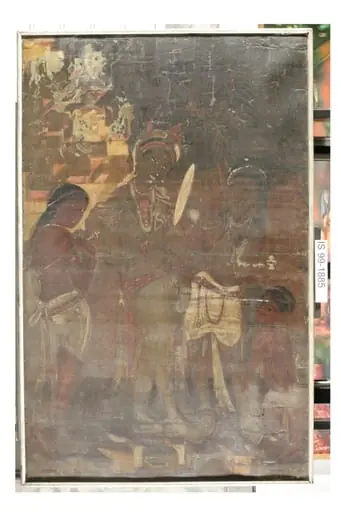 Copy of painting inside the caves of Ajanta (cave 17)
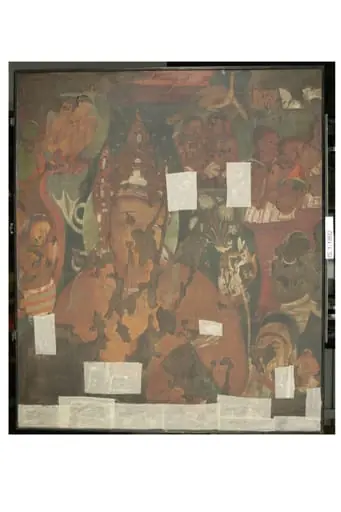 Copy of painting inside the caves of Ajanta (cave 11)
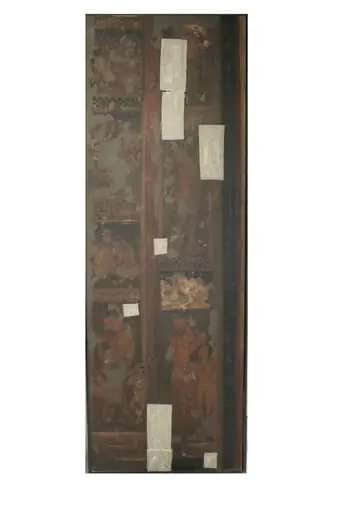 Copy of painting in the caves of Ajanta (cave 6)
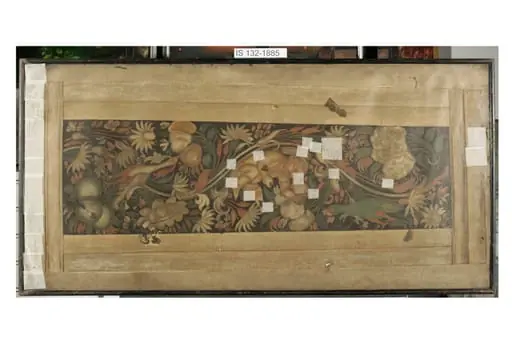 Copy of painting inside the caves of Ajanta (cave 1)