Artwork
Copy of painting inside the caves of Ajanta (cave 21)
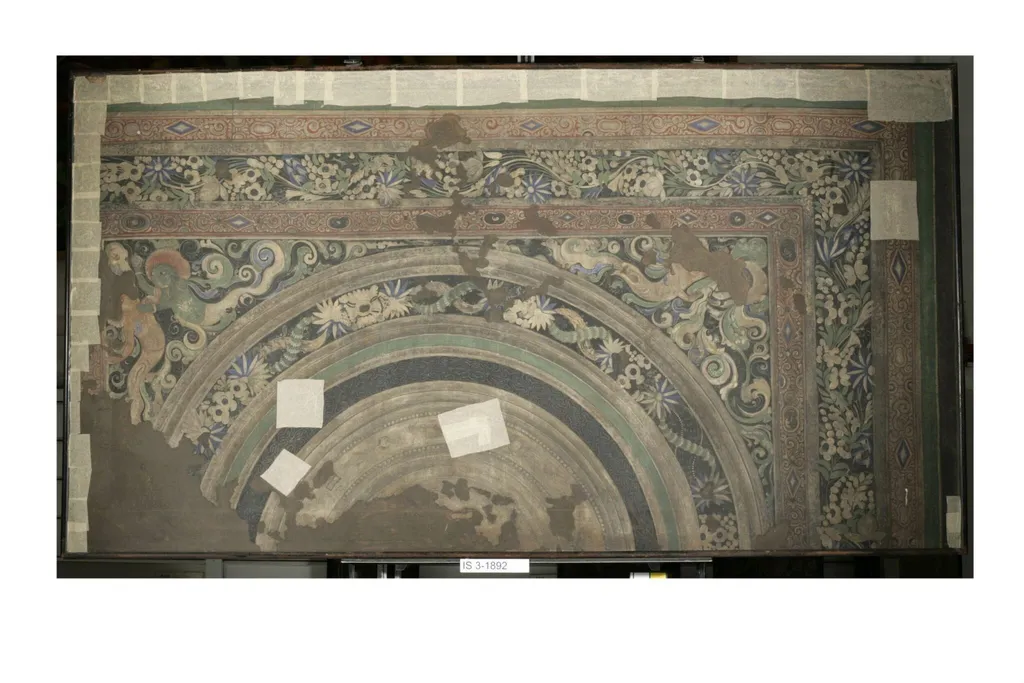
Copy of painting inside the caves of Ajanta (cave 21) is an oil painting by the Impressionist artist John Griffiths. It dates from 1878 and is held in the collection of the Victoria and Albert Museum. This oil painting is a replica of a ceiling fresco from Cave 21 at the Ajanta rock‑cut monastery complex.
About this work
John Griffiths made an oil painting. It copies a ceiling fresco in cave 21 at Ajanta. The real cave paintings are old—some date back to the 1st century BC.
Griffiths worked from 1872 to 1885 with seven Indian students. They painted every winter to save the details before the colors faded. Their copies help keep the originals safe today.
Next, look up the Victoria and Albert Museum.
Overview
This oil painting is a replica of a ceiling fresco from Cave 21 at the Ajanta rock‑cut monastery complex. The original mural, part of the oldest surviving Indian painting tradition, dates from roughly the 1st century BC to the early 5th century AD and portrays episodes from the Buddha’s life.
Subject & Meaning
The scene depicted in the Ajanta frescoes illustrates narratives from the Jataka tales, which recount the Buddha’s previous incarnations and moral teachings. By reproducing this imagery, the copy preserves the religious and didactic content that guided Buddhist devotees at the site.
Technique & Style
John Griffiths and his seven Indian apprentices rendered the mural in oil on canvas, translating the original fresco’s pigment palette and compositional layout. Their careful brushwork captures the delicate outlines and muted tones of the sandstone walls, while the medium allows for greater durability than the fragile original plaster.
History & Provenance
After the Ajanta caves were rediscovered in 1819, early documentation efforts suffered setbacks, notably a fire in 1866 that destroyed most of Major Robert Gill’s copies. From 1872 to 1885 Griffiths and his students spent each winter in the caves, producing about three hundred oil copies to safeguard the visual record.
Context
The Ajanta murals were created by Buddhist monks over several centuries, reflecting evolving artistic conventions and devotional practices. The 19th‑century copying project occurred during British colonial interest in Indian antiquities, when Western scholars sought to preserve and study these remote artworks.
Legacy
Griffiths’s oil reproductions remain valuable reference material for conservators and scholars, especially where the original frescoes have deteriorated. The copies continue to inform research on early Indian painting techniques and the transmission of Buddhist iconography.
Artist & collection
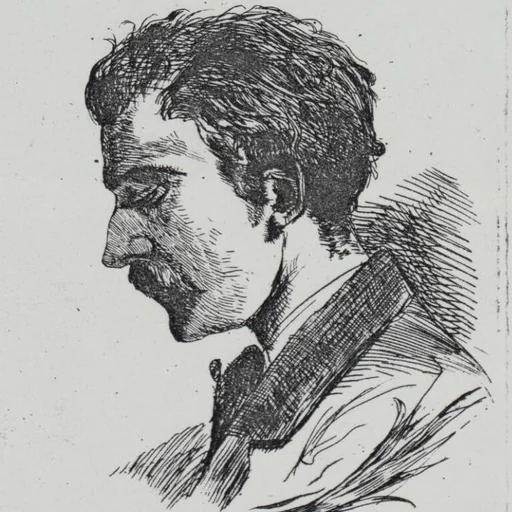
Artist
John Griffiths (29 November 1837 – 1 December 1918) was a Welsh artist who worked in India, noted for his Orientalist works.

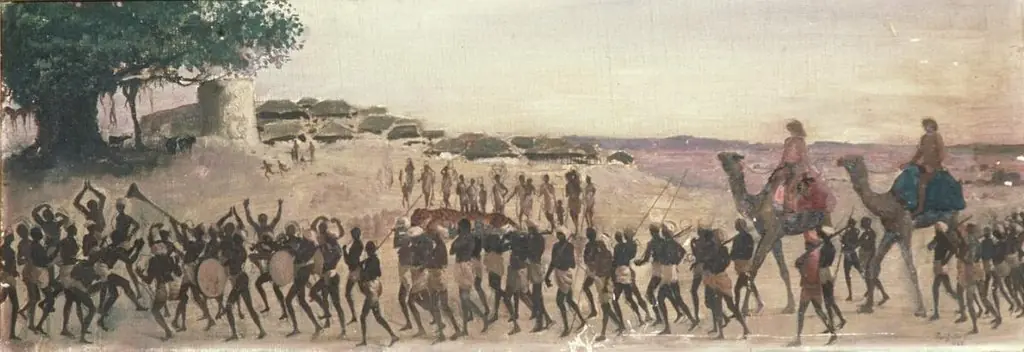 Tiger shooting in East Berar
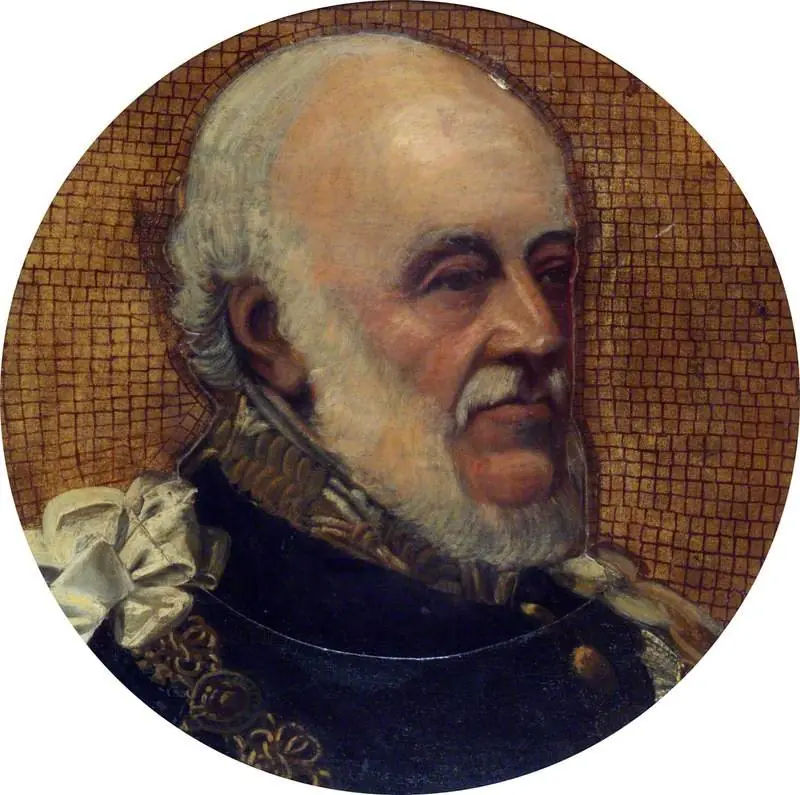 The Marquis of Salisbury (1791–1868)
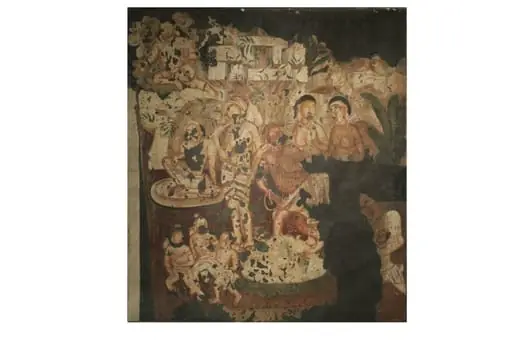 Copy of painting inside the caves of Ajanta (Cave 2)
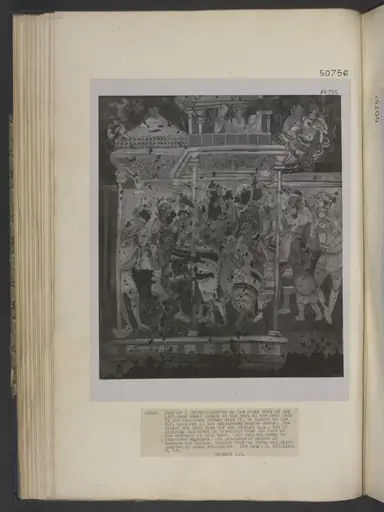 Copy of painting in the caves of Ajanta (cave 2)
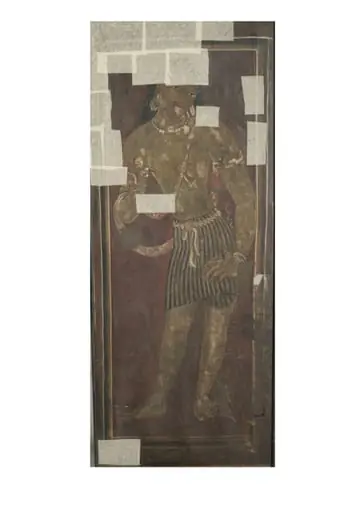 Copy of painting in the caves of Ajanta (cave 17)
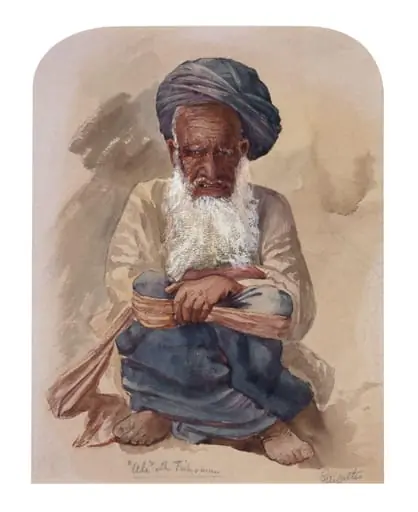 Ali the fisherman
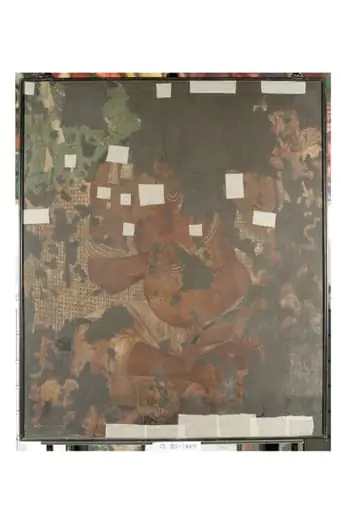 Copy of painting inside the caves of Ajanta (cave 16)
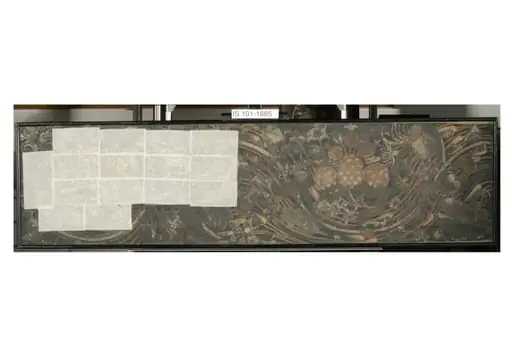 Copy of painting inside the caves of Ajanta (Cave 9)
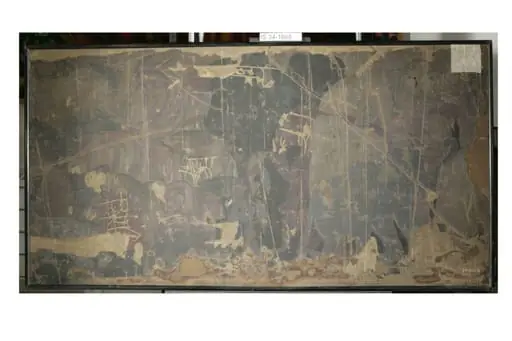 Copy of painting inside the caves of Ajanta (cave 10)
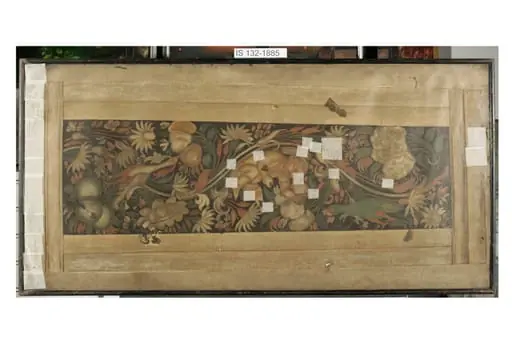 Copy of painting inside the caves of Ajanta (cave 1)
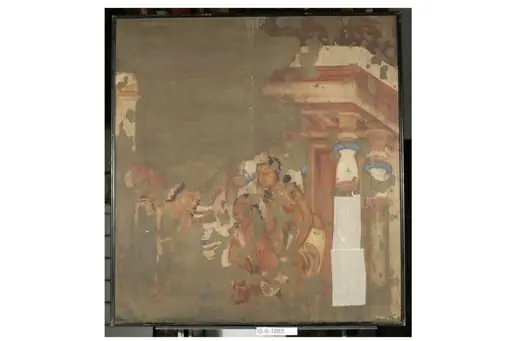 Copy of painting inside the caves of Ajanta (Cave 1)
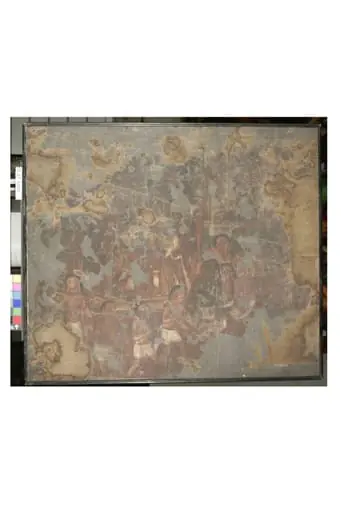 Copy of painting inside the caves of Ajanta (cave 17)
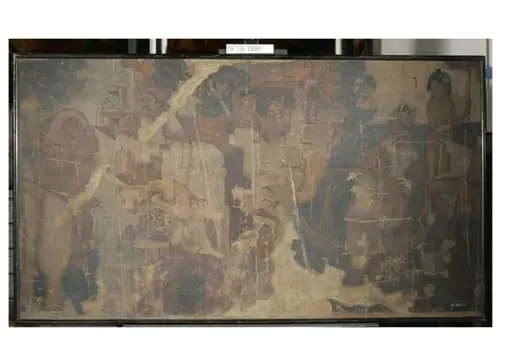 Copy of painting inside the Ajanta caves (cave 10)
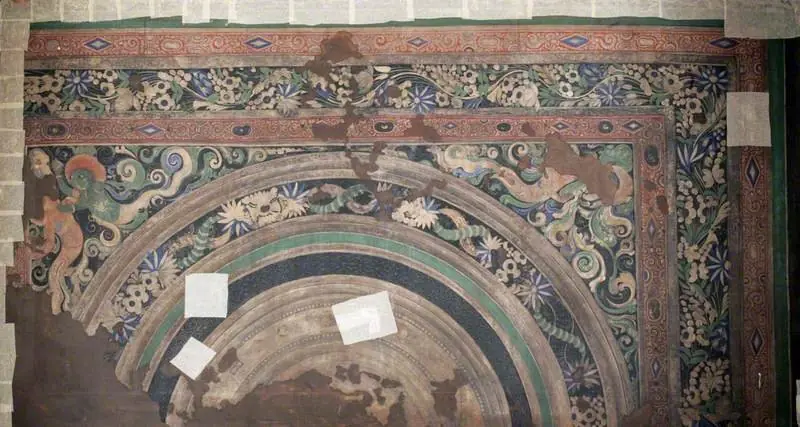 Copy of Painting inside the Caves of Ajanta (cave 21)
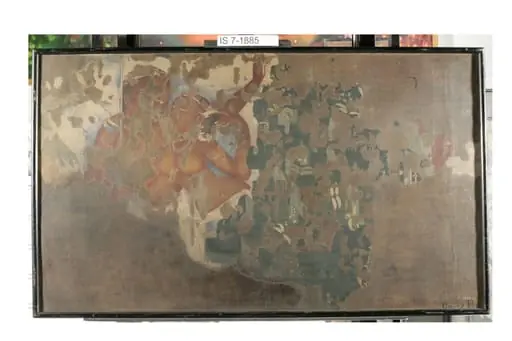 Copy of painting inside the caves of Ajanta (cave 2)
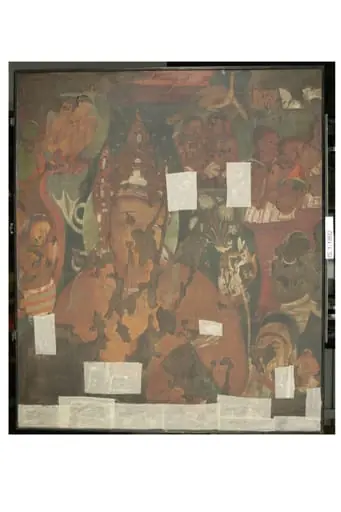 Copy of painting inside the caves of Ajanta (cave 11)
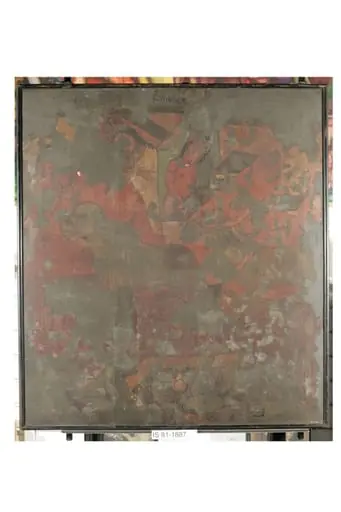 Copy of painting inside the caves of Ajanta (cave 16)
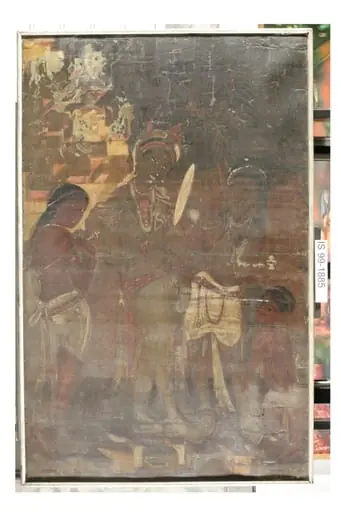 Copy of painting inside the caves of Ajanta (cave 17)