Artwork
Woman holding a fish
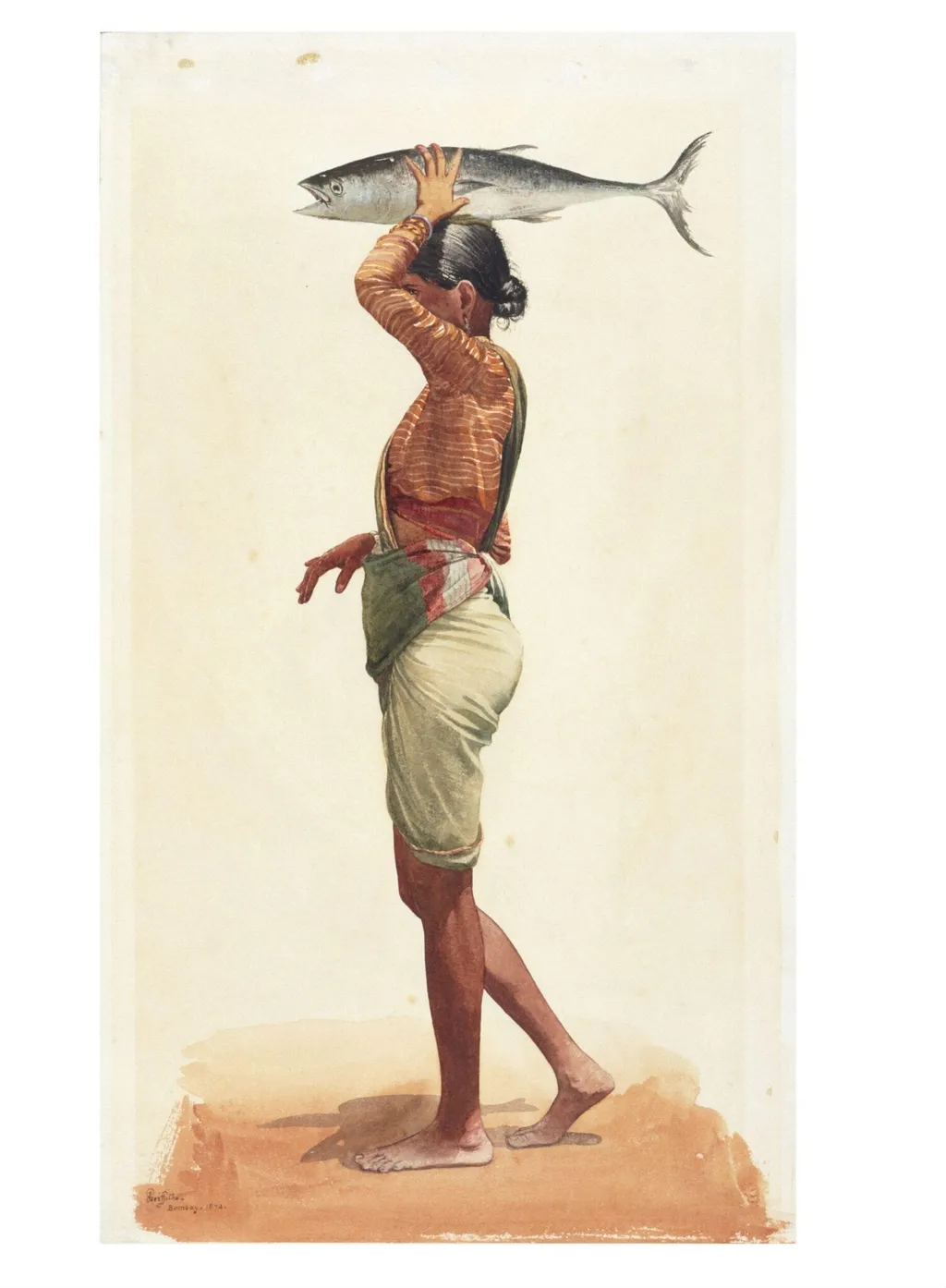
Woman holding a fish is a paint painting by the Impressionist artist John Griffiths. It dates from 1872 and is held in the collection of the Victoria and Albert Museum.
About this work
Overview
John Griffiths, a British artist trained at the Royal College of Art, spent over a decade in India teaching at the Bombay School of Art.
John Griffiths, a British artist trained at the Royal College of Art, spent over a decade in India teaching at the Bombay School of Art. During this time, he produced numerous works documenting local life, including this intimate figure study. His engagement with Indian subjects was part of a broader colonial-era effort to record and preserve regional visual culture, often through direct observation and collaboration with local students.
Subject & Meaning
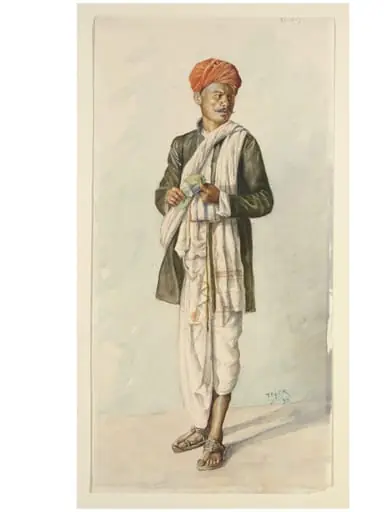
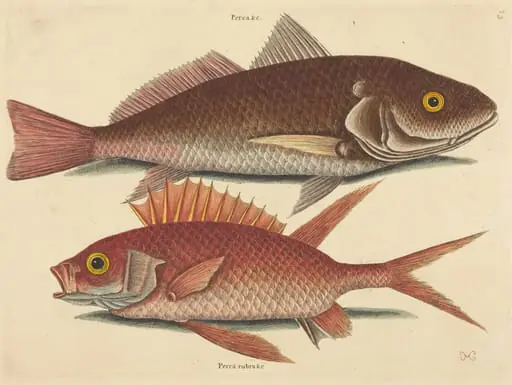
The painting depicts a woman holding a large fish, her posture calm and focused. The fish, rendered with reflective detail, may reference daily subsistence or cultural associations with abundance, though no definitive symbolic meaning is recorded. The absence of context—no landscape, no narrative cues—draws attention to the quiet dignity of the subject, emphasizing presence over story.
Technique & Style
Griffiths employs soft tonal transitions to model form, with the woman’s dark dress contrasting against a muted, atmospheric background. The fish’s glossy surface is rendered with careful highlights, suggesting observation from life. The composition avoids theatricality; the scale of the fish relative to the figure introduces a subtle tension, reinforcing the sense of a candid, unposed moment.
History & Provenance
Created during Griffiths’s tenure in Bombay (1865–1895), the work stems from his role as an educator and documentarian. He led a team in copying the ancient murals of Ajanta, and this painting reflects the same commitment to detailed, observational practice. It was likely painted for personal or pedagogical use, not public display, and remains part of a lesser-known body of colonial-era Indian genre studies.
Context
Griffiths arrived in India as part of a British initiative to establish Western-style art education. His friendships with figures like John Lockwood Kipling and his proximity to Rudyard Kipling’s family place him within a network of colonial cultural intermediaries. His work, while rooted in European academic training, engaged deeply with Indian subjects, reflecting both curiosity and the limitations of outsider perspective.
Legacy
Griffiths’s contributions to art education in India influenced generations of local artists. His genre paintings, including this one, offer rare visual records of everyday life in late 19th-century Bombay. Though not widely exhibited in his lifetime, his body of work remains a resource for understanding cross-cultural artistic exchange during the British Raj.
Own this work as a print
Artist & collection
Artist
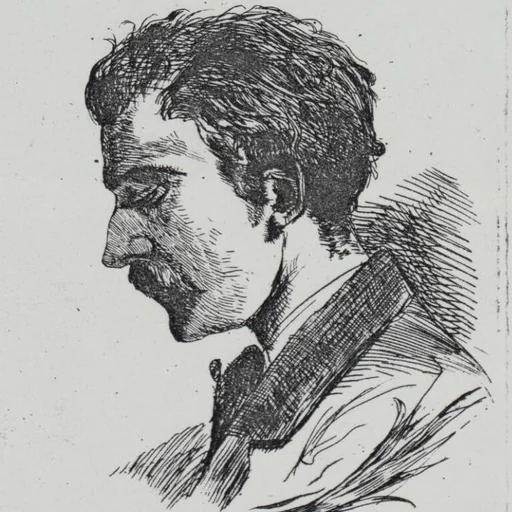
John Griffiths (29 November 1837 – 1 December 1918) was a Welsh artist who worked in India, noted for his Orientalist works.

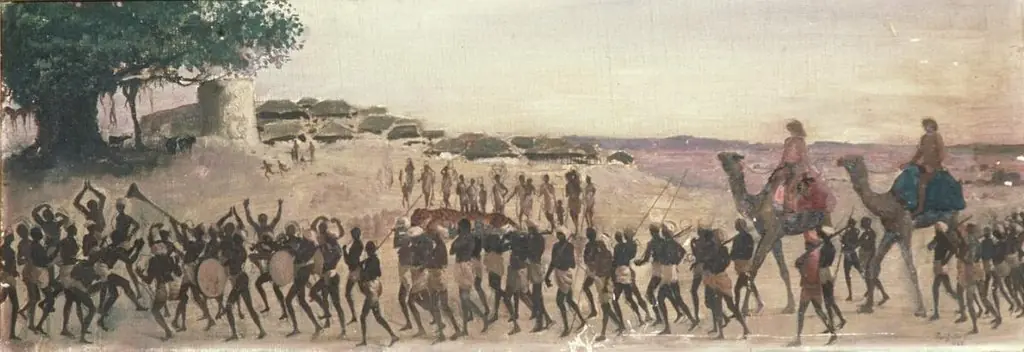 Tiger shooting in East Berar
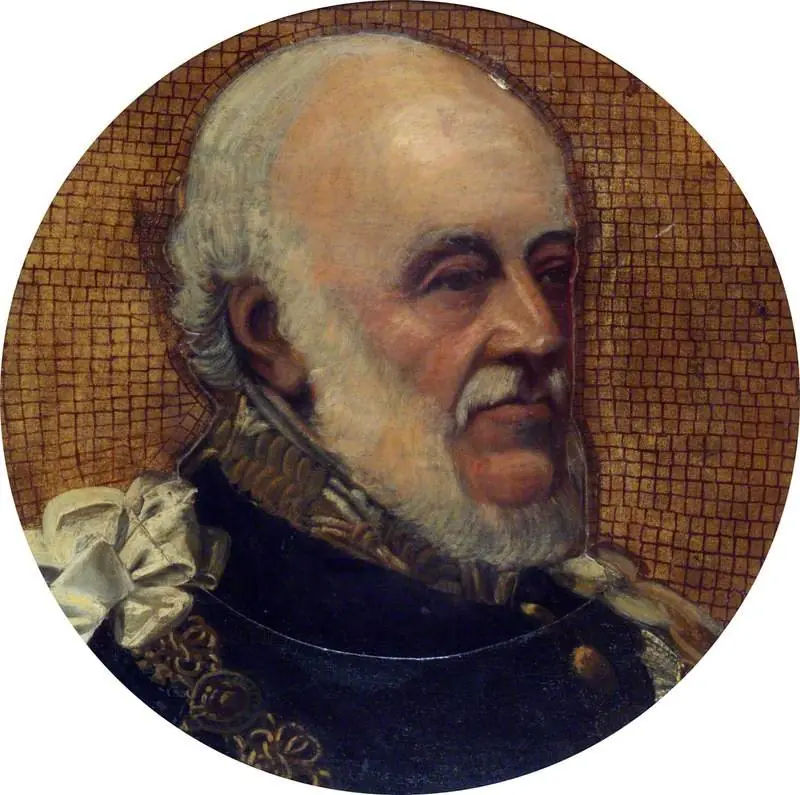 The Marquis of Salisbury (1791–1868)
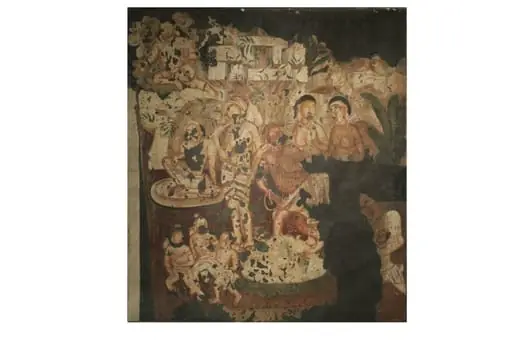 Copy of painting inside the caves of Ajanta (Cave 2)
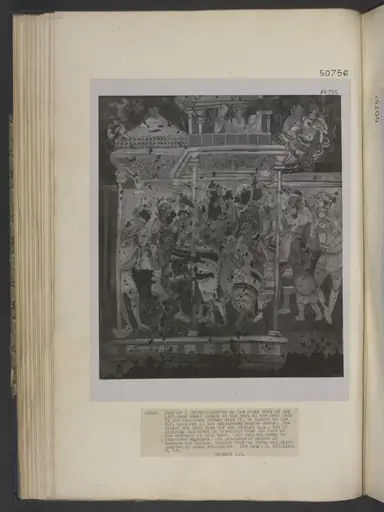 Copy of painting in the caves of Ajanta (cave 2)
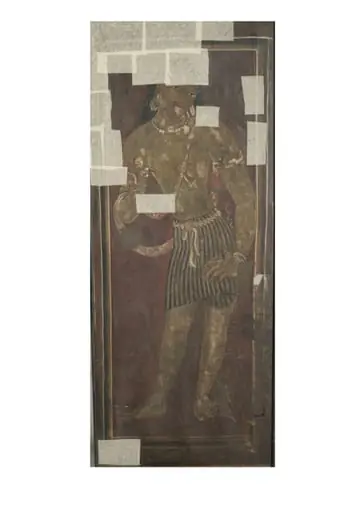 Copy of painting in the caves of Ajanta (cave 17)
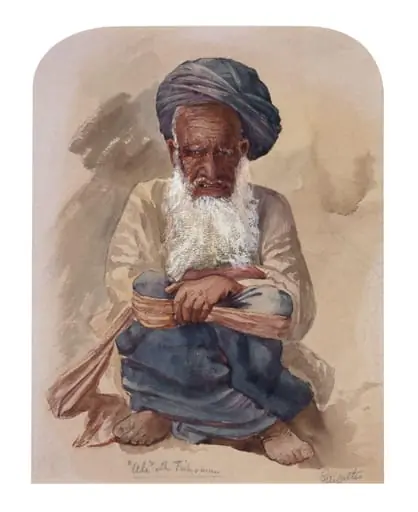 Ali the fisherman
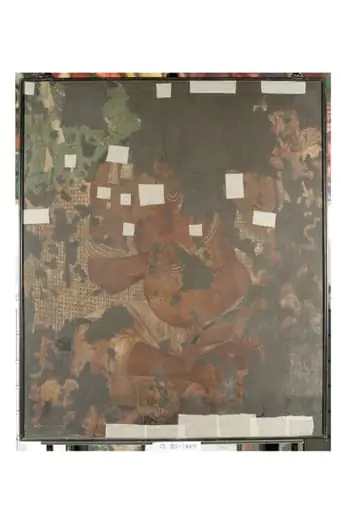 Copy of painting inside the caves of Ajanta (cave 16)
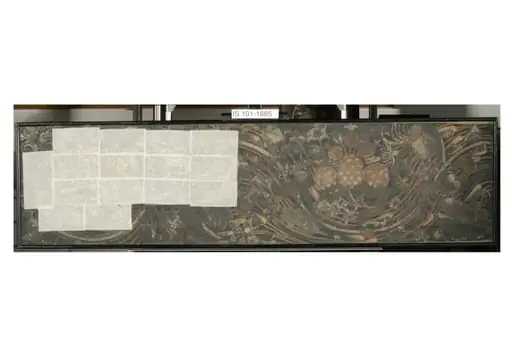 Copy of painting inside the caves of Ajanta (Cave 9)