Artwork
Temple of Martand, Liddar Valley, Kashmir
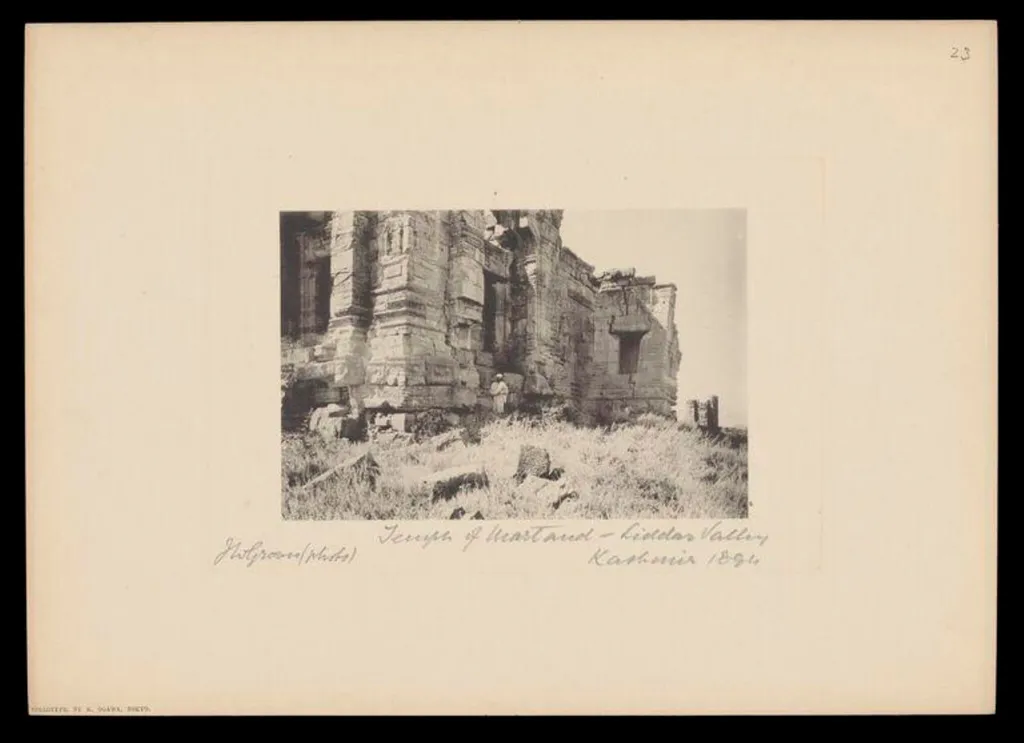
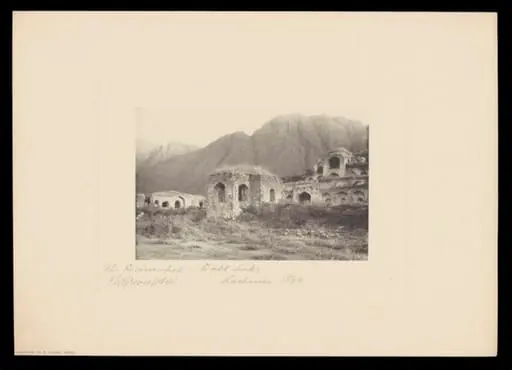
Temple of Martand, Liddar Valley, Kashmir is a photographic photography by the Impressionist artist J.W. Groves. It dates from 1894 and is held in the collection of the Victoria and Albert Museum. A black-and-white photograph taken in 1894 by photographer Groves captures the ruins of the Temple of Martand in the Liddar Valley, Kashmir.
About this work
Check out the Victoria and Albert Museum to see more historic photos like this.
This black-and-white photo shows an old stone temple half-buried in grass. The walls are cracked and uneven, with a small window high up. A person stands near the ruins, and a few sheep graze in the foreground.
The temple looks abandoned, with nature slowly taking over. The photo was taken in 1894 by a photographer named Groves.
Check out the Victoria and Albert Museum to see more historic photos like this.
Overview
A black-and-white photograph taken in 1894 by photographer Groves captures the ruins of the Temple of Martand in the Liddar Valley, Kashmir. The image presents the temple in a state of partial decay, its stone structure overgrown with vegetation and framed by the quiet landscape of the valley. A solitary figure stands near the ruins, underscoring the scale and solitude of the site.
Subject & Meaning
The photograph documents the remnants of a once-grand Hindu temple dedicated to the sun god Martand, built in the 8th century. By the late 19th century, the structure had been largely abandoned and eroded by time and climate. The presence of a human figure and grazing sheep emphasizes the temple’s transition from sacred space to natural landscape, reflecting the passage of centuries and the quiet reclamation by the environment.
Technique & Style
The photograph is rendered in monochrome, typical of 19th-century photographic practice, with careful attention to tonal contrast and composition. The framing highlights the temple’s crumbling architecture against the soft gradients of the valley, while the small human figure provides scale. The image avoids dramatic staging, favoring a documentary tone that prioritizes architectural detail and atmospheric stillness.
History & Provenance
The photograph was taken in 1894 by Groves, a photographer active in British India during the colonial period. It was likely made as part of a broader effort to record historic sites across the subcontinent. The image later entered the collection of the Victoria and Albert Museum, where it remains as part of a significant archive of South Asian architectural documentation from the era.
Context
In the late 19th century, British administrators and scholars systematically documented India’s ancient monuments, often viewing them as relics of a distant past. The Temple of Martand, though damaged by centuries of neglect and seismic activity, was recognized for its architectural significance. This photograph reflects both scholarly interest and the colonial impulse to preserve visual records of heritage sites.
Legacy
The photograph endures as a visual record of the temple’s condition before modern conservation efforts. It contributes to the historical understanding of Kashmir’s architectural heritage and the impact of time, climate, and human abandonment on ancient structures. Today, it serves as a reference for scholars and preservationists studying the evolution of the site over the past century.
Artist & collection
Artist
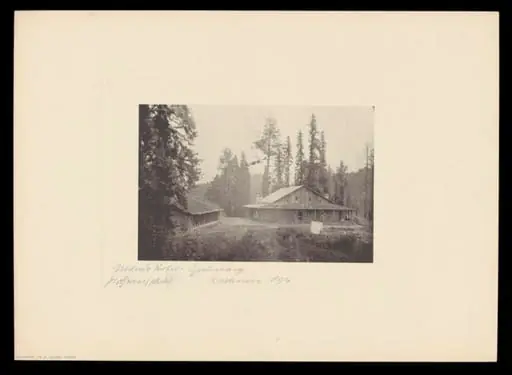
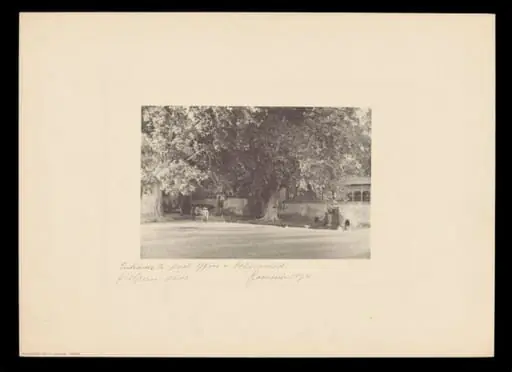
Photographer J.W. Groves captured Kashmir in the 1890s, leaving behind glass-plate prints of landmarks like Nedou’s Hotel in Gulmarg and the post office entrance in Islamabad. His lens framed scenes where locals and…

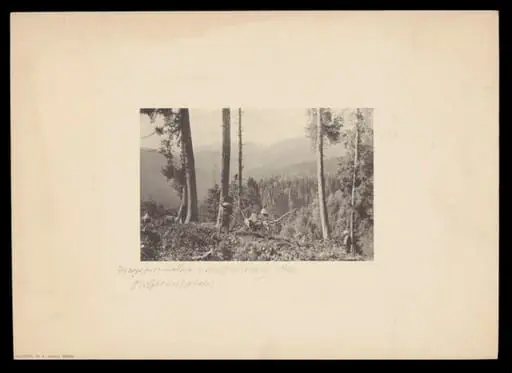
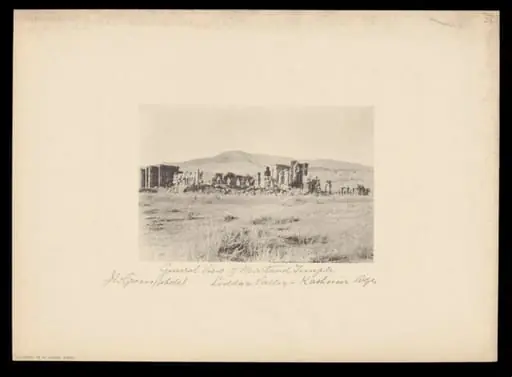 General View of Martand Temple, Liddar Valley, Kashmir
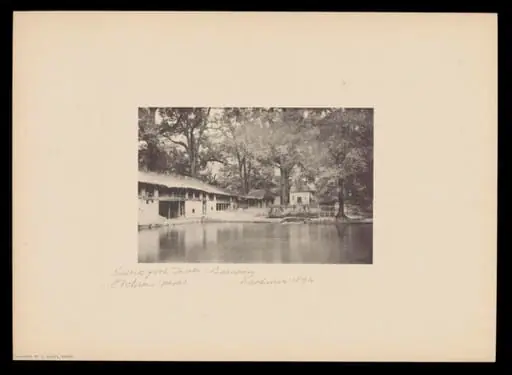
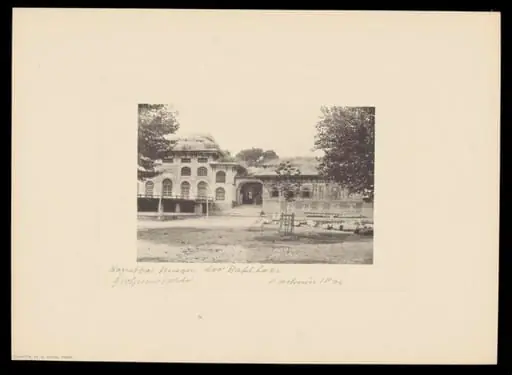 Hazratbal Mosque, Dahl Lake, Kashmir
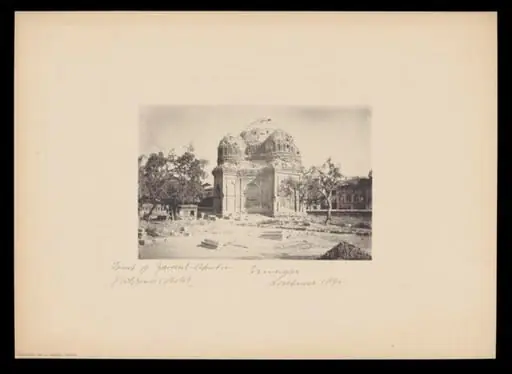
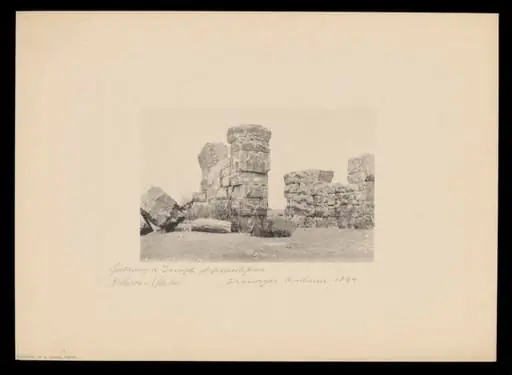 Gateway to Temple at Avantipur, Srinagar, Kashmir
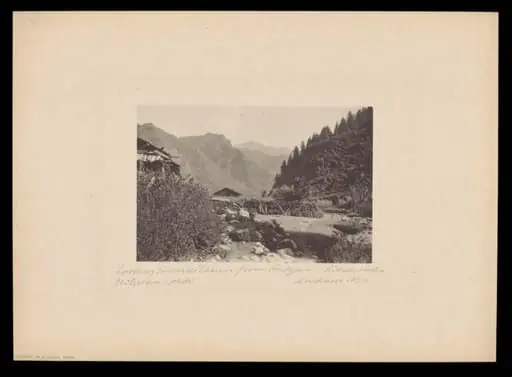 Looking towards Tauin from Pahalgam, Lidder Valley, Kashmir
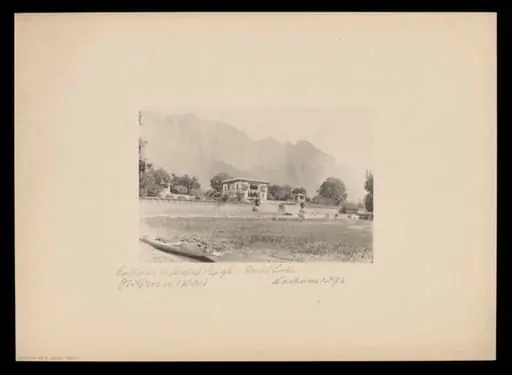 Entrance to Nishat Bagh, Dahl Lake, Kashmir
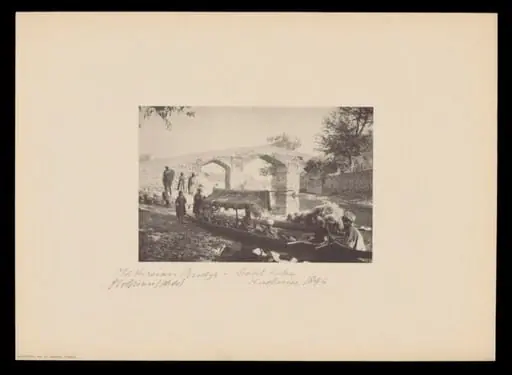 Bridge, Dahl Lake, Kashmir
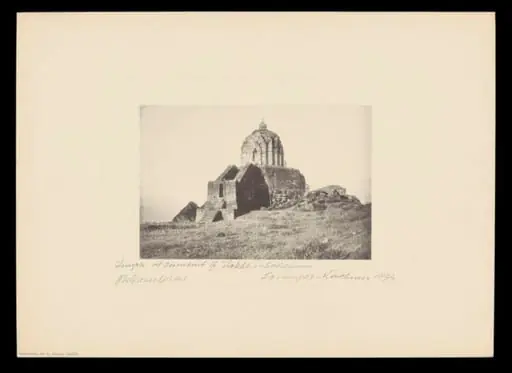 Temple at summit of Shankaracharya, Srinagar, Kashmir
 The Pari Mahal, Dahl Lake, Kashmir