Artwork
Dance of Death: The Canon
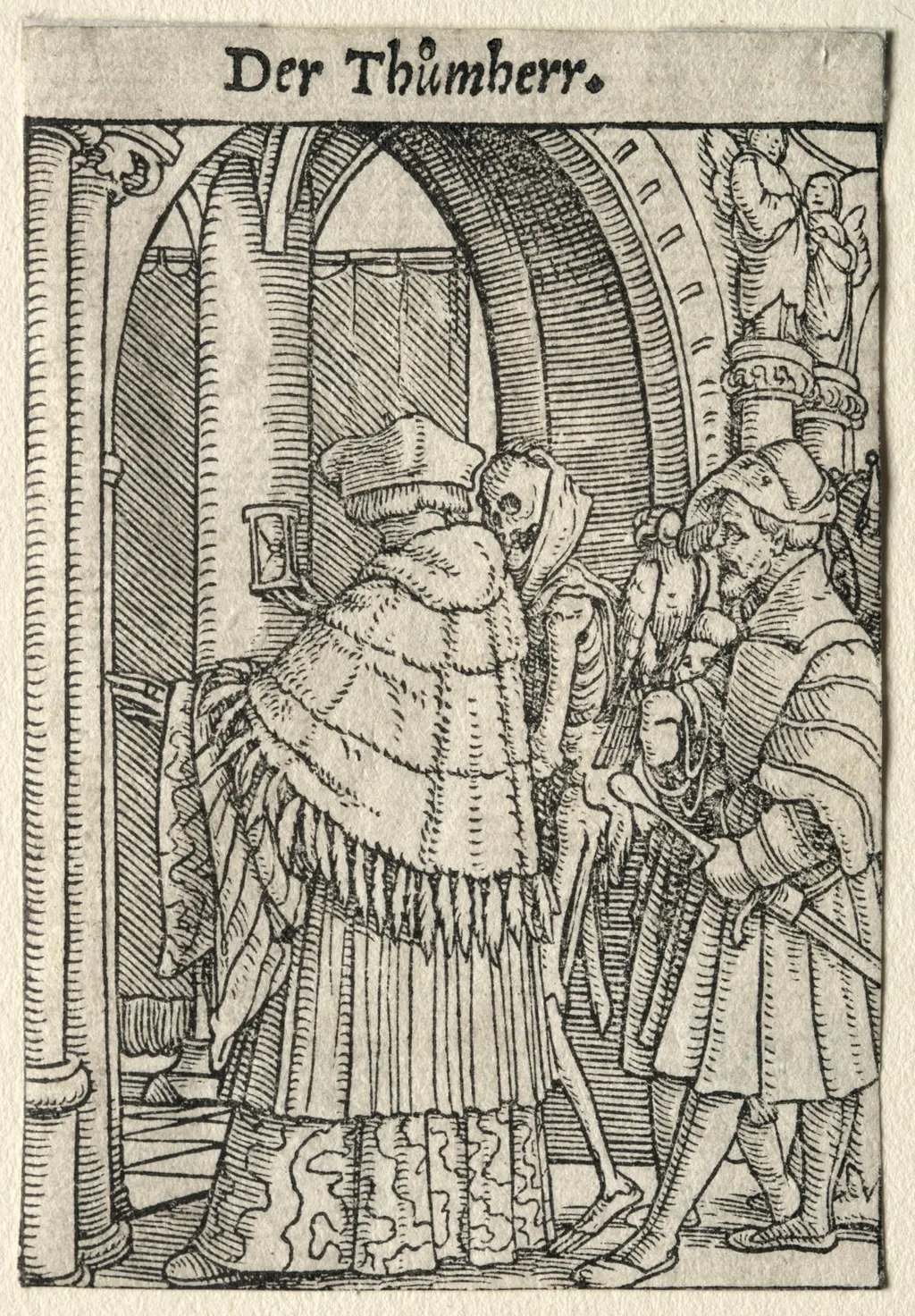
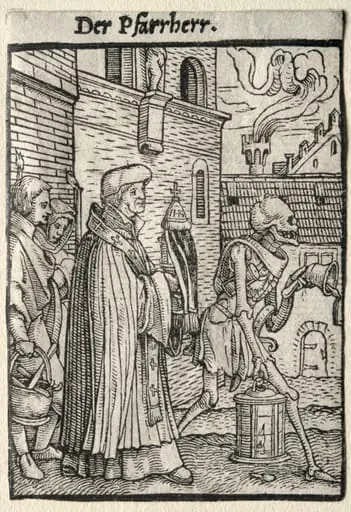
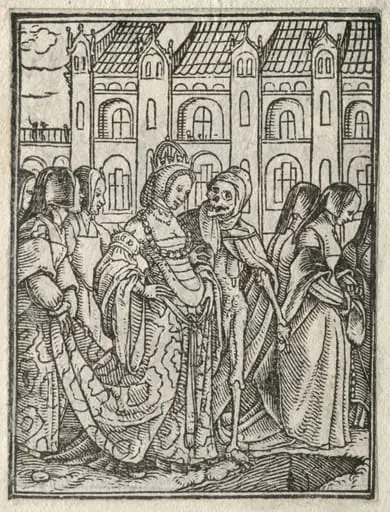
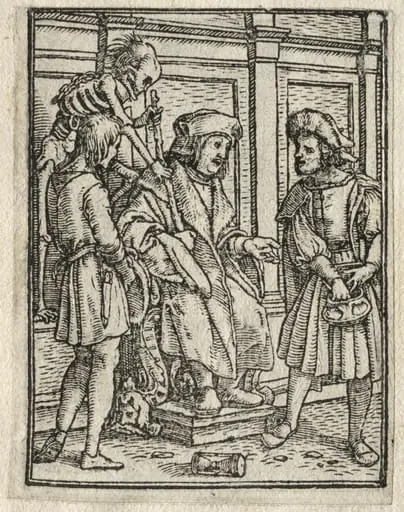
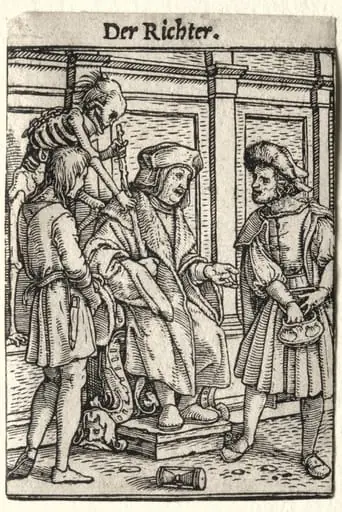
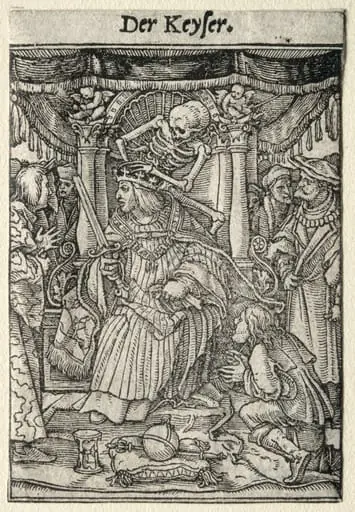
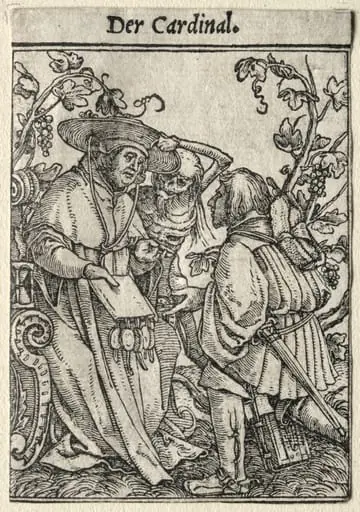
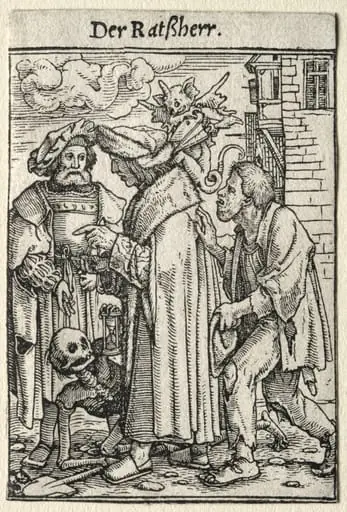
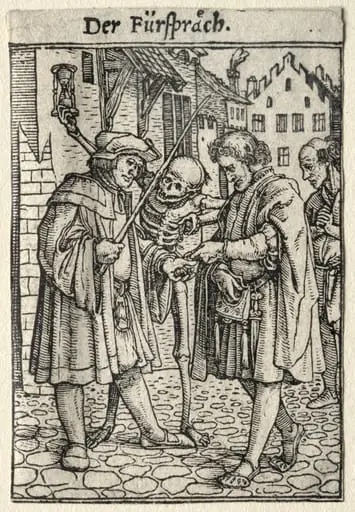
Dance of Death: The Canon is a print by the Renaissance artist Hans Holbein the Younger. It dates from 1526 and is held in the collection of the Cleveland Museum of Art.
About this work
Overview
Created circa 1526, *Dance of Death: The Canon* is a print by Hans Holbein the Younger. It forms part of Holbein’s series on the Danse Macabre, a medieval motif that visualizes death’s impartial reach across society. The work is held in the collection of the Cleveland Museum of Art.
Subject & Meaning
The composition depicts a procession of figures from varied social ranks gathered before a pointed archway, each embodying the inevitability of mortality. Some characters clutch personal items—a book, a sword—underscoring the transient nature of status, knowledge, and power in the face of death.
Technique & Style
Executed in the Northern Renaissance idiom, the print combines precise line work with subtle tonal shading, hallmarks of Holbein’s graphic practice. The careful rendering of clothing textures and facial expressions reflects the artist’s reputation for detailed portraiture and satirical observation.
Context
Holbein produced the series during the early Reformation, a period marked by religious upheaval and heightened moral reflection. The Danse Macabre theme resonated with contemporary audiences, serving as a visual reminder of spiritual equality and the fleeting nature of earthly life.
History & Provenance
After its creation, the print entered various private collections before being acquired by the Cleveland Museum of Art, where it remains accessible for study and public viewing.
Artist & collection
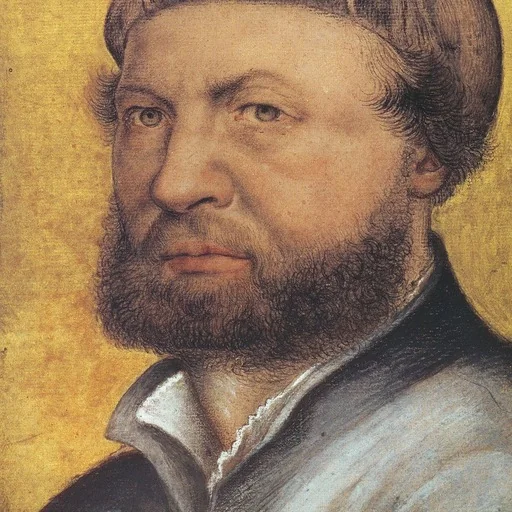
Artist
Hans Holbein the Younger (UK: HOL-byne, US: HOHL-byne, HAWL-; German: Hans Holbein der Jüngere; c.