Artwork
Dance of Death: The Pastor
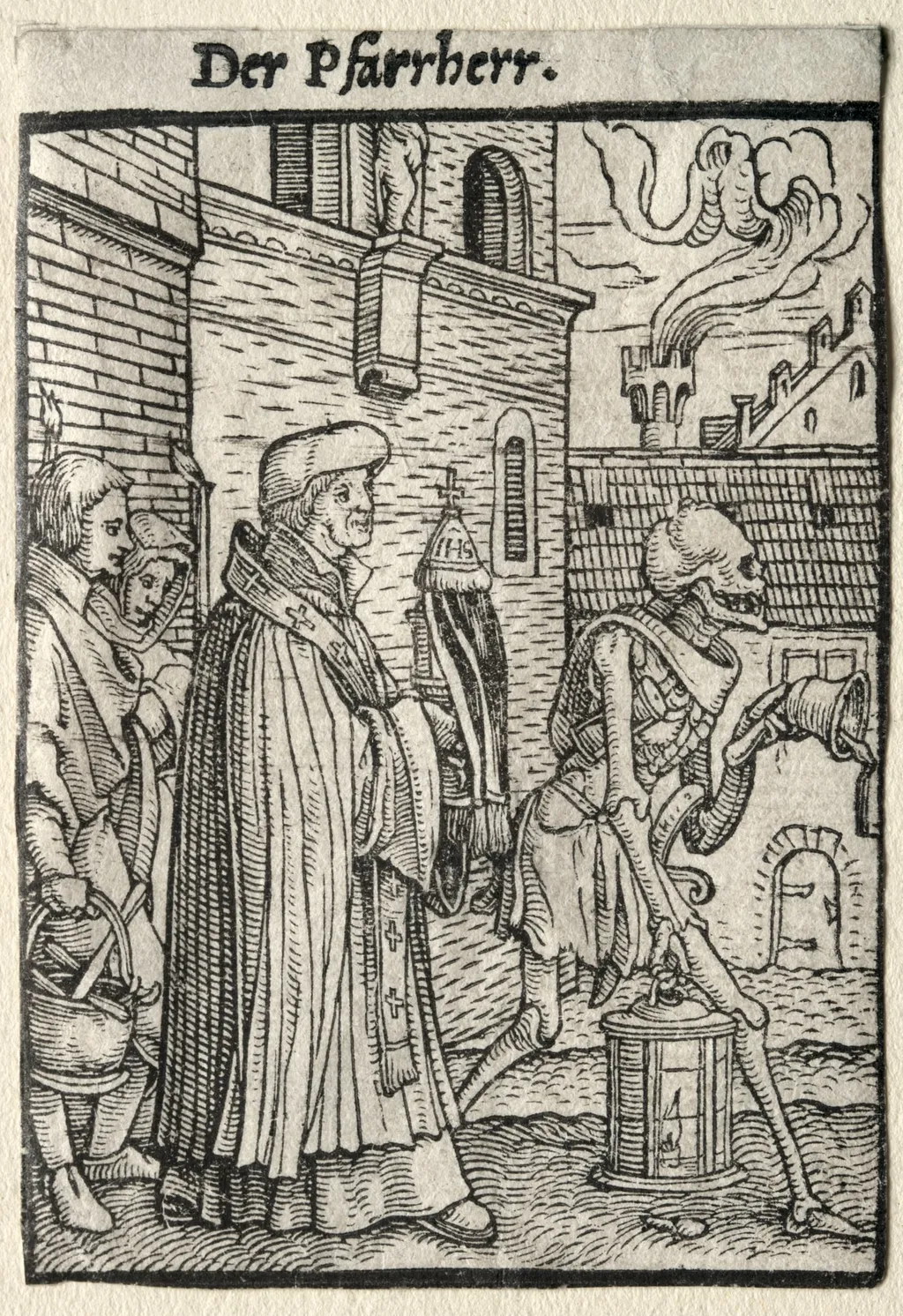
Dance of Death: The Pastor is a print by the Renaissance artist Hans Holbein the Younger. It dates from 1526 and is held in the collection of the Cleveland Museum of Art.
About this work
Overview
Created during the early years of the Protestant Reformation, the print was part of a visual narrative designed for wide circulation.
Hans Holbein the Younger produced *Dance of Death: The Pastor* around 1526 as a woodcut within a larger series on mortality. Created during the early years of the Protestant Reformation, the print was part of a visual narrative designed for wide circulation. Holbein, a German artist of Swiss origin, employed the woodcut medium to reach literate and non-literate audiences alike, using stark imagery to convey universal themes of death and human equality before it.
Subject & Meaning
The print portrays a clergyman, dressed in ornate vestments, being led by a skeleton in a grim dance. Both hold skulls, symbolizing the inevitability of death. Surrounding figures—rich and poor—also clutch skulls, emphasizing that no social rank offers immunity. The skeletal figure, dancing in the background, reinforces the idea of death as an inescapable, equalizing force, challenging the Church’s claim to spiritual superiority during a time of religious upheaval.
Technique & Style
Holbein used precise, linear woodcut techniques to achieve clarity and emotional impact. Bold outlines and simplified forms allowed the image to reproduce effectively at scale, essential for mass distribution. The Northern Renaissance attention to detail is evident in the textures of fabric and architecture, yet the composition remains stark and symbolic. The absence of color heightens the somber tone, focusing attention on the figures and their shared fate.
History & Provenance
The woodcut was created in Basel, where Holbein worked as a book illustrator and designer. It was published as part of a series illustrating the *Dance of Death* theme, a medieval motif revived in the early 16th century. The prints were widely distributed in printed books, reaching audiences across Europe. Their popularity stemmed from their alignment with Reformation critiques of clerical privilege and their resonance with popular anxieties about mortality.
Context
In the 1520s, the Protestant Reformation questioned the authority and wealth of the Catholic clergy. Holbein’s image tapped into this climate, using the traditional *Dance of Death* motif to undermine the notion that priests held special protection from death. The depiction of a clergyman as vulnerable as any peasant reflected broader societal shifts, where spiritual authority was being reevaluated and the idea of universal mortality gained new urgency.
Legacy
Holbein’s *Dance of Death* series became a defining example of Reformation-era visual propaganda. Its influence extended beyond religious critique, shaping how death was represented in print culture for generations. The clarity and emotional directness of the woodcuts made them enduring models for social commentary, and their themes of equality in death continued to resonate in later artistic and literary treatments of mortality.
Artist & collection
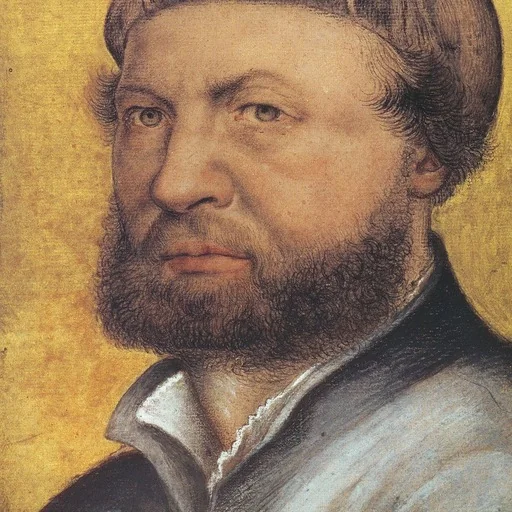
Artist
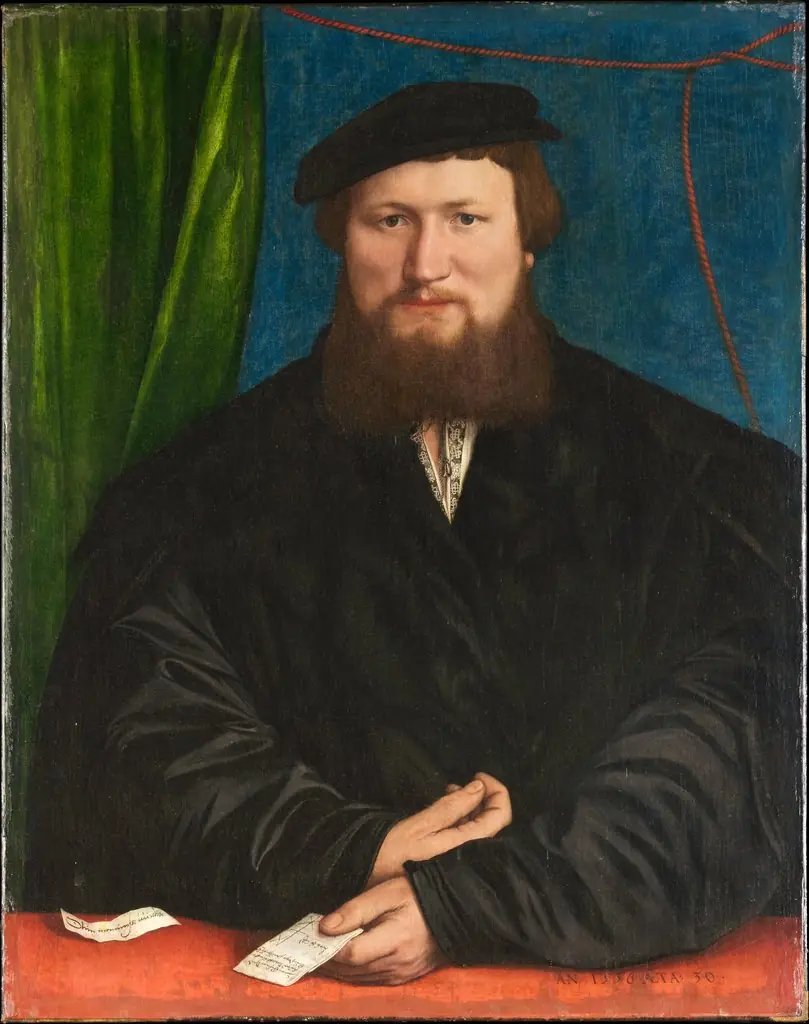
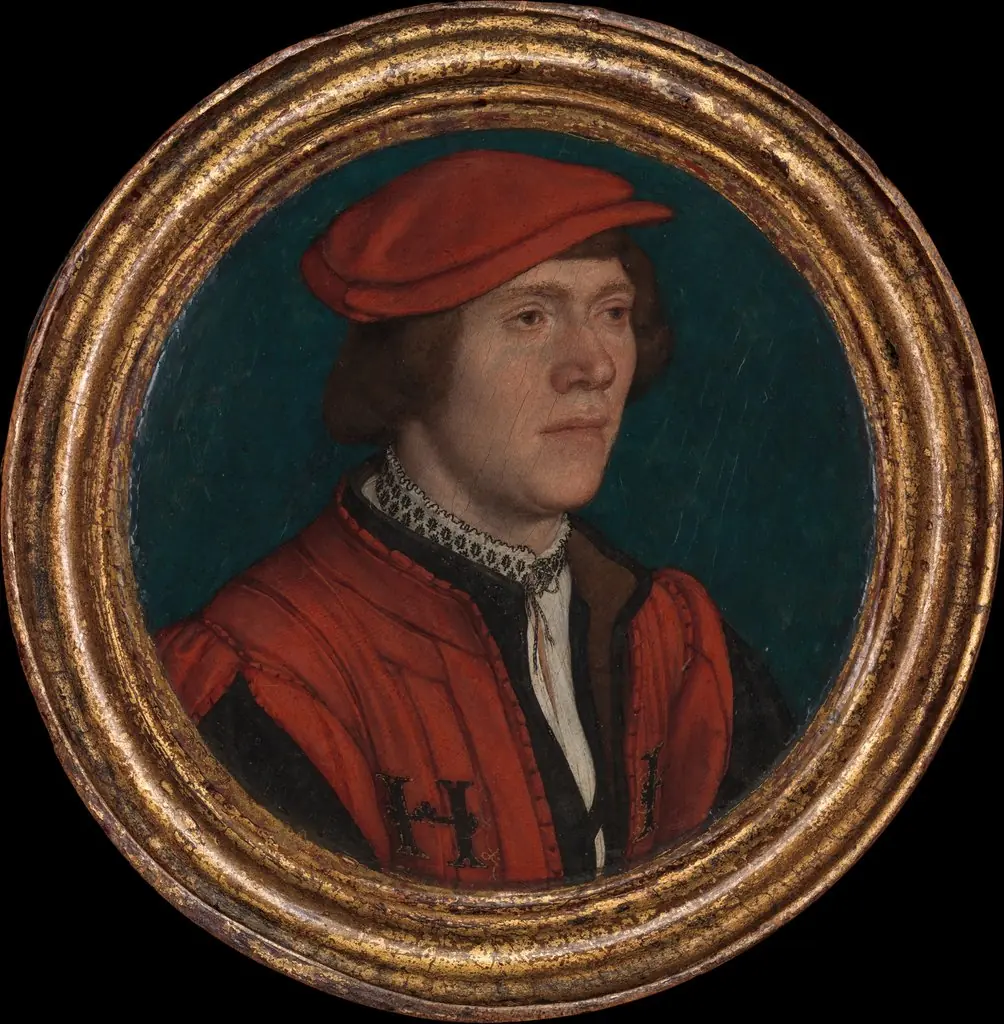
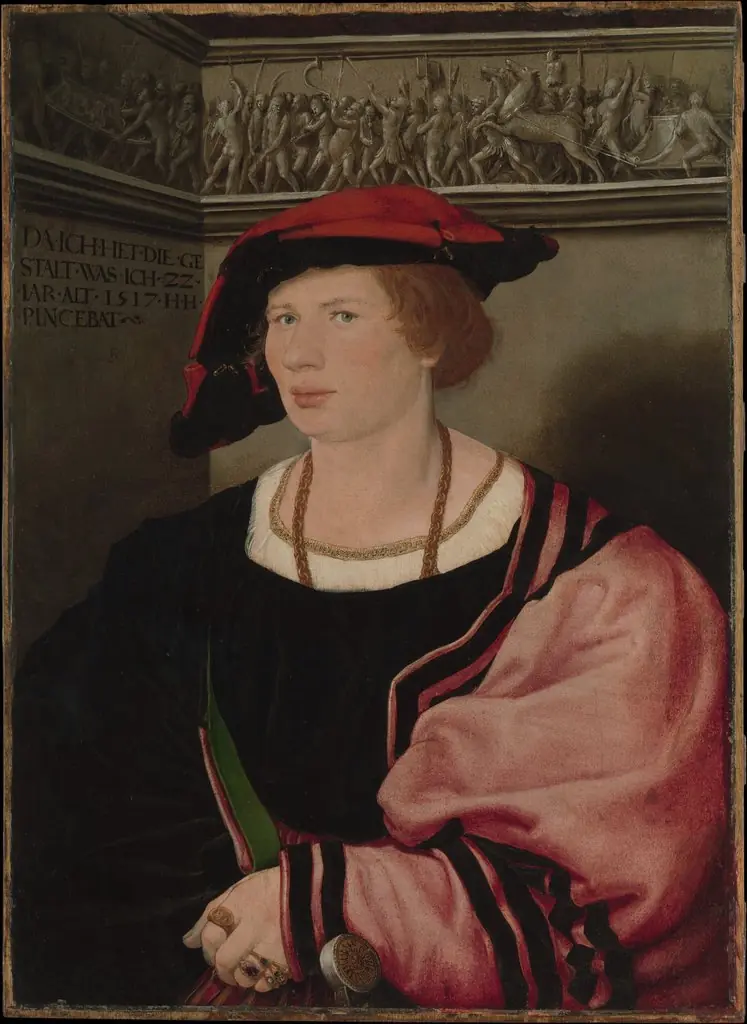
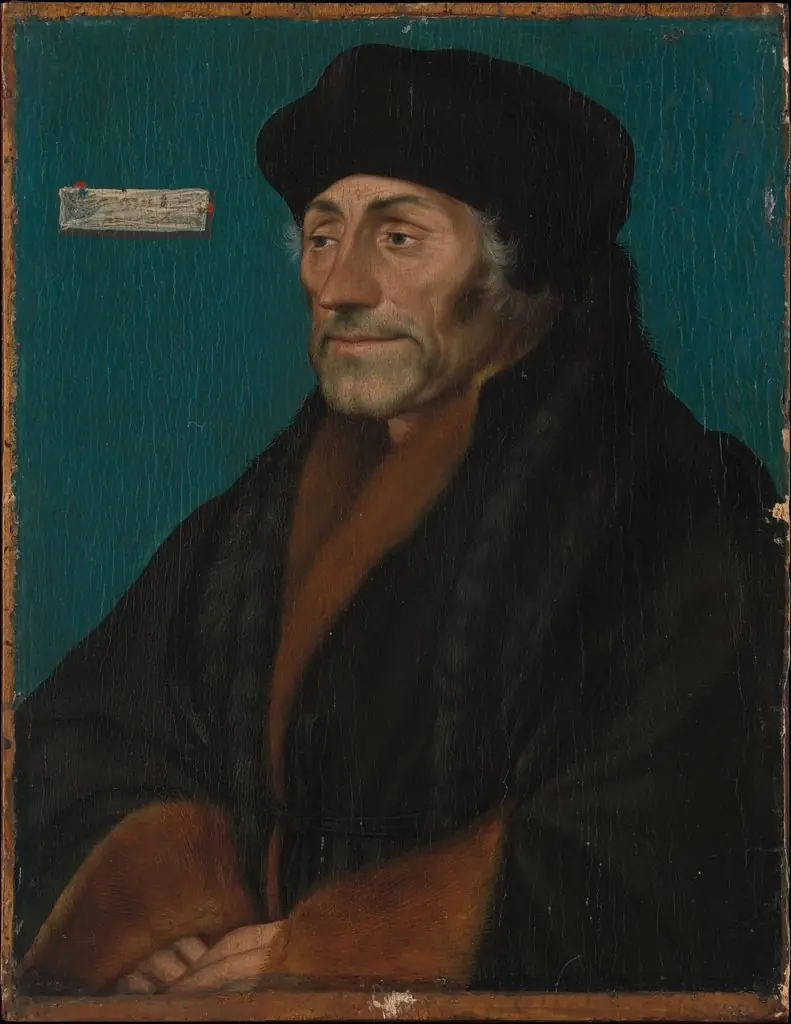
Hans Holbein the Younger (UK: HOL-byne, US: HOHL-byne, HAWL-; German: Hans Holbein der Jüngere; c.

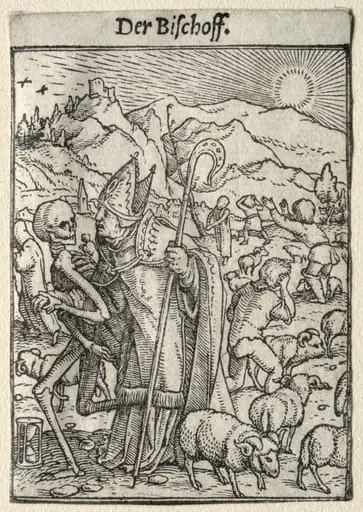 Dance of Death: The Bishop
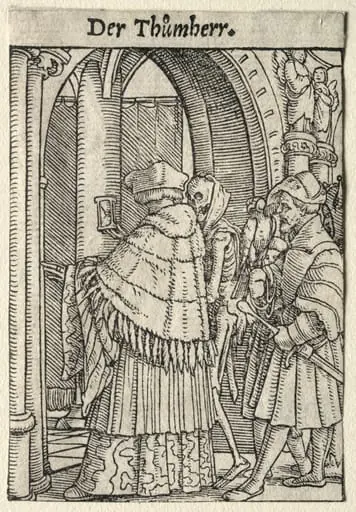 Dance of Death: The Canon
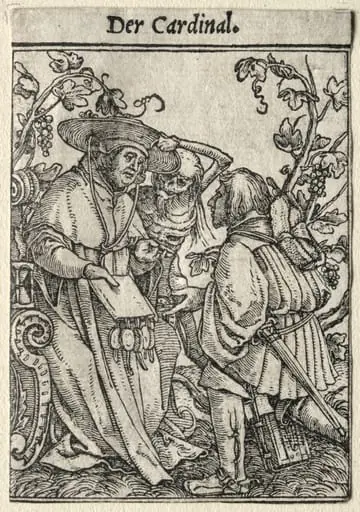 Dance of Death: The Cardinal
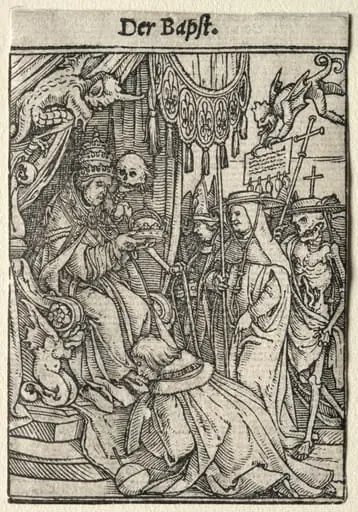 Dance of Death: The Pope
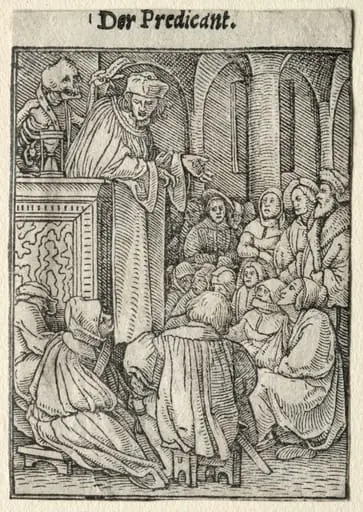 Dance of Death: The Preacher
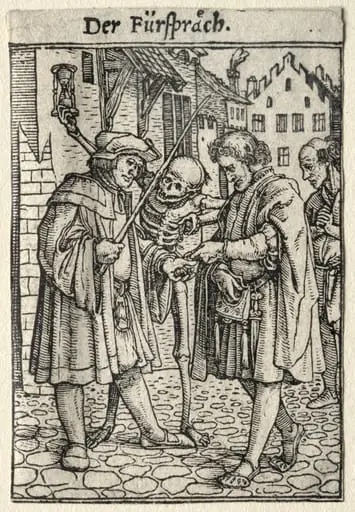 Dance of Death: The Advocate
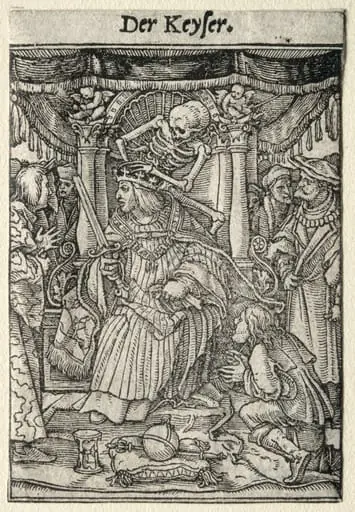 Dance of Death: The Emperor
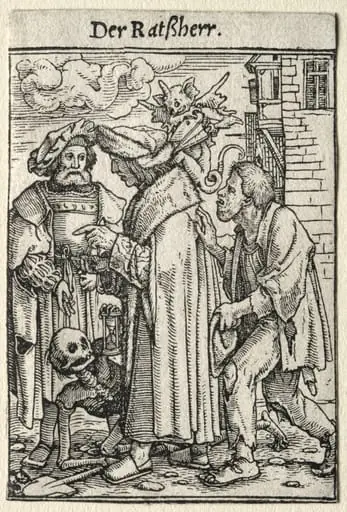 Dance of Death: The Councillor
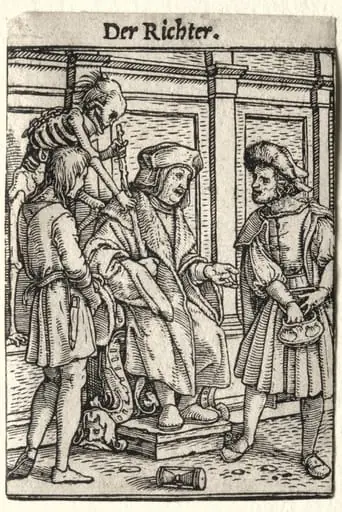 Dance of Death: The Judge
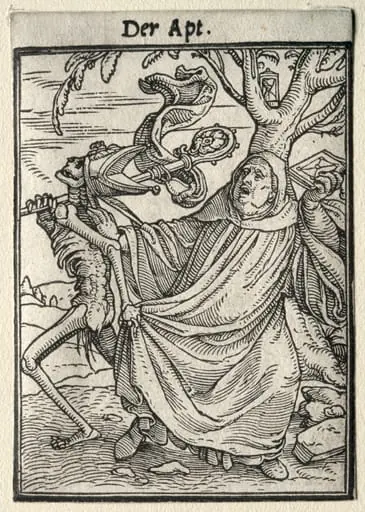 Dance of Death: The Abbot
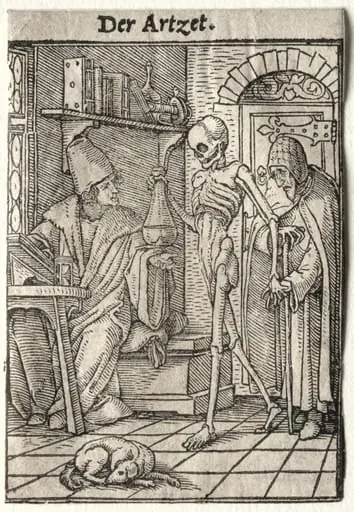 Dance of Death: The Doctor
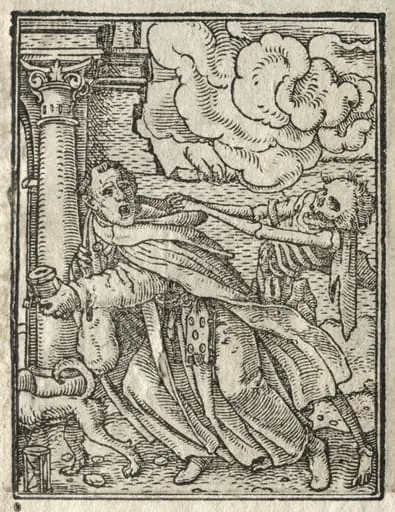 The Dance of Death: The Mendicant Friar; The Nun