Artwork
Dance of Death: The Duchess
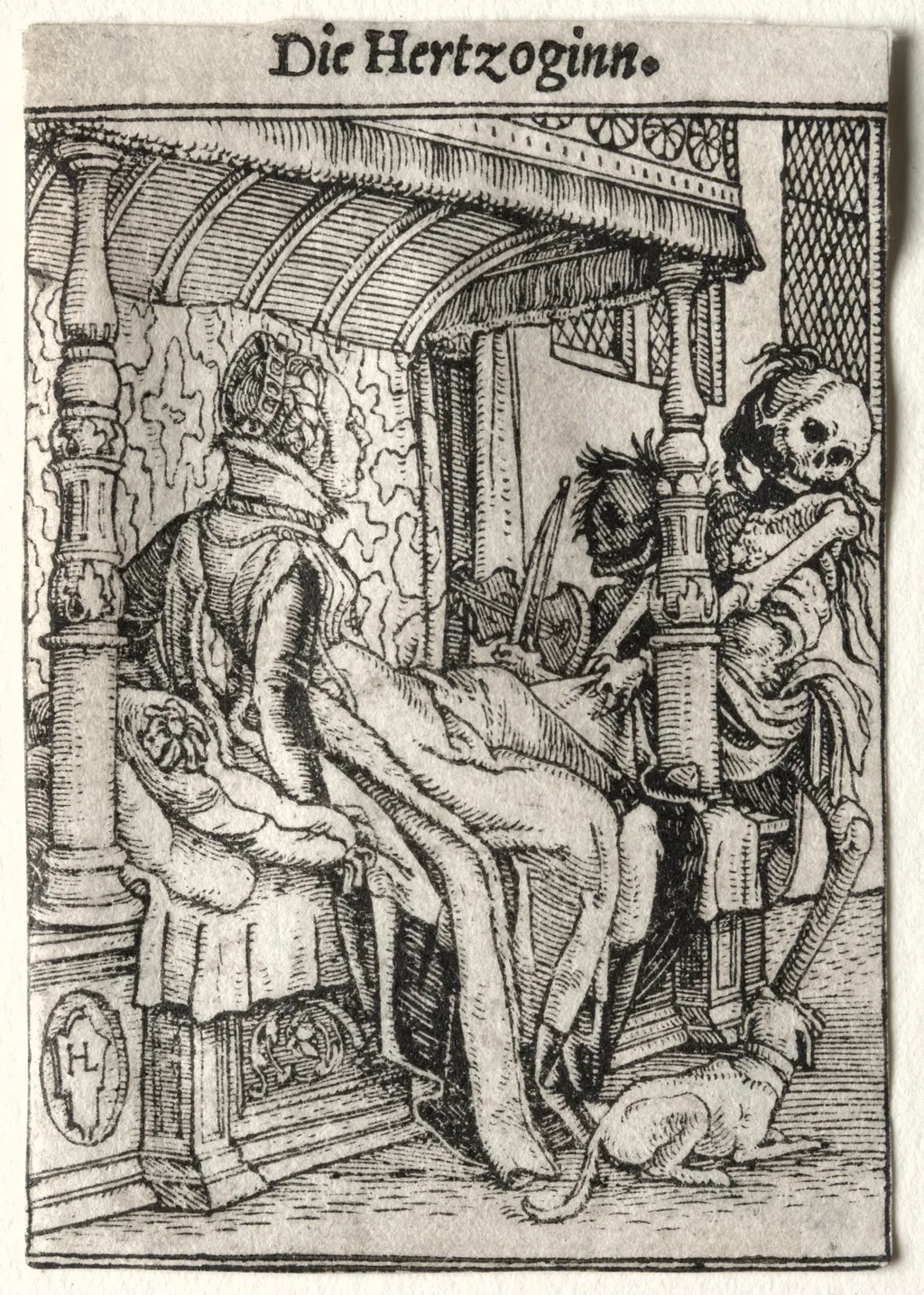
Dance of Death: The Duchess is a print by the Renaissance artist Hans Holbein the Younger. It dates from 1526 and is held in the collection of the Cleveland Museum of Art.
About this work
Overview
A German artist of Swiss origin, Holbein worked within the Northern Renaissance tradition, blending precise draftsmanship with moral themes.
Hans Holbein the Younger created *Dance of Death: The Duchess* around 1526 as part of a larger series of woodcuts exploring mortality. A German artist of Swiss origin, Holbein worked within the Northern Renaissance tradition, blending precise draftsmanship with moral themes. This print, like others in the series, portrays death as an inevitable companion to all social classes, rendered not as a threat but as an inescapable equalizer.
Subject & Meaning
The print depicts a noblewoman, dressed in elaborate Renaissance attire, dancing with a skeleton. Her expression is composed, neither terrified nor defiant, suggesting quiet resignation to fate. The skeleton, portrayed with a gentle, almost familiar posture, underscores the series’ central message: death does not discriminate by rank or wealth. The scene transforms fear into a quiet ritual, emphasizing the universality of mortality.
Technique & Style
Holbein executed the image as a woodcut, using fine, controlled lines to define form and texture. The Duchess’s rich garments are rendered with meticulous detail, contrasting with the skeletal figure’s simplified, angular form. The composition is balanced and intimate, drawing attention to the physical connection between the two figures. The lack of background focuses the viewer on the interaction, heightening the allegorical weight.
History & Provenance
The print was produced during Holbein’s early career, likely in Basel, where he was active as a book illustrator. It was included in his *Dance of Death* series, first published in 1538. The Cleveland Museum of Art acquired the print as part of its collection of Northern Renaissance prints, preserving it as a key example of early 16th-century moral imagery and printmaking innovation.
Context
Created during the rise of the Protestant Reformation, Holbein’s series reflected broader cultural anxieties about sin, salvation, and the transience of earthly power. The *Dance of Death* tradition had medieval roots but was revitalized in the early 1500s as a tool for religious and social commentary. By depicting aristocrats, clergy, and laborers alike facing death, Holbein challenged hierarchies and reinforced the idea that all human status ends in the grave.
Legacy
Holbein’s *Dance of Death* series influenced later visual representations of mortality in European art and literature. Its restrained tone and social critique set it apart from more grotesque medieval versions. The series remains a touchstone for studies on death, class, and visual allegory, with its prints preserved in major collections as exemplars of Renaissance print culture and humanist thought.
Artist & collection
Artist
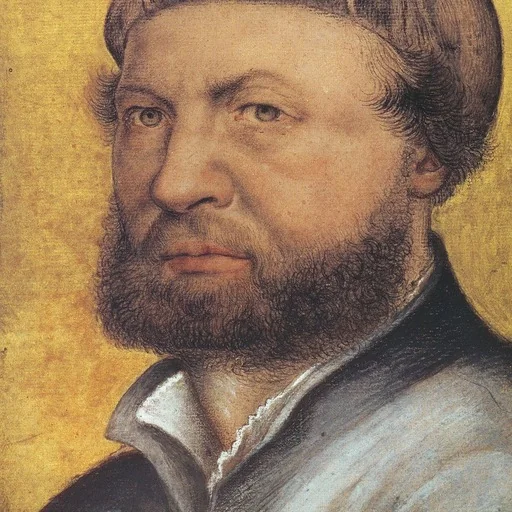
Hans Holbein the Younger (UK: HOL-byne, US: HOHL-byne, HAWL-; German: Hans Holbein der Jüngere; c.

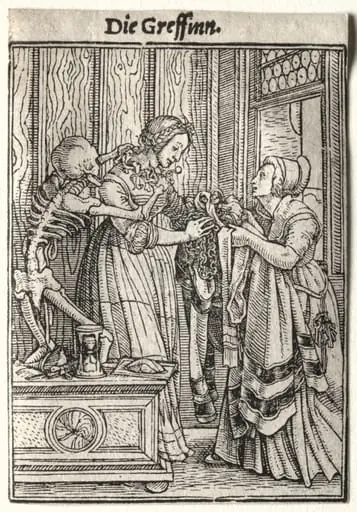 Dance of Death: The Countess
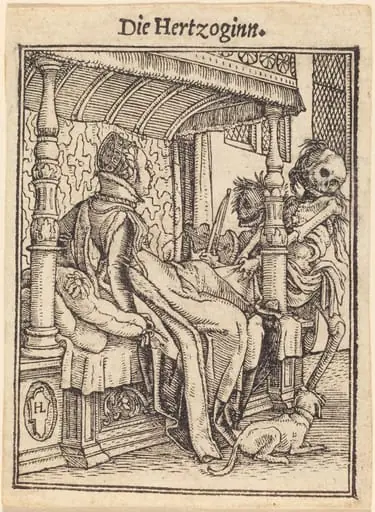 Die Hertzoginn (The Duchess)
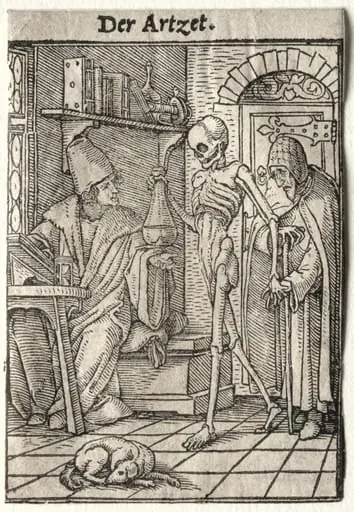 Dance of Death: The Doctor
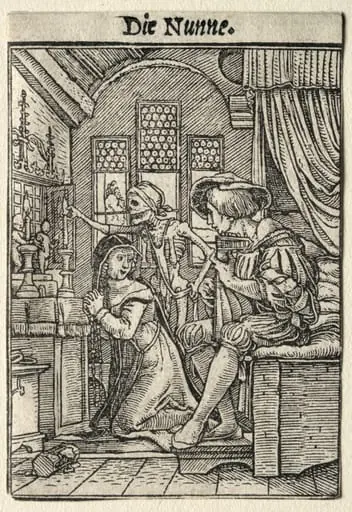 Dance of Death: The Nun
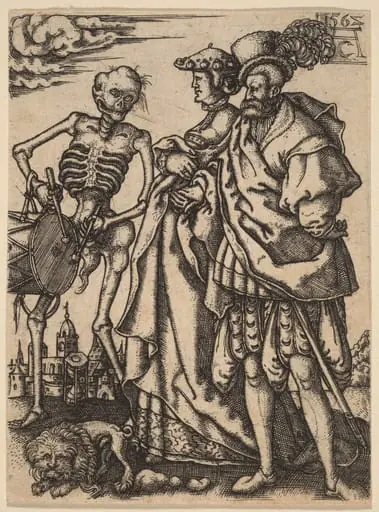 Dance of Death I
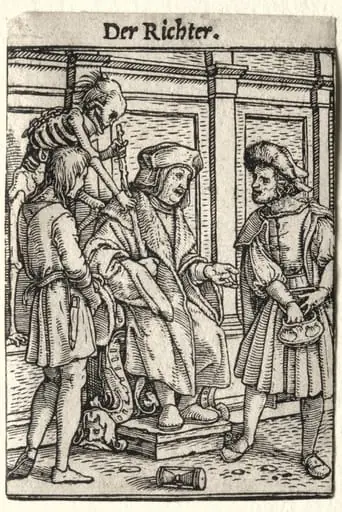 Dance of Death: The Judge
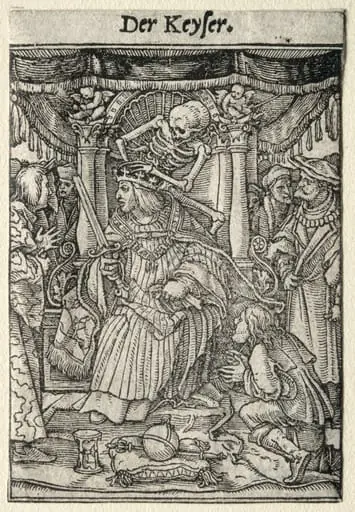 Dance of Death: The Emperor
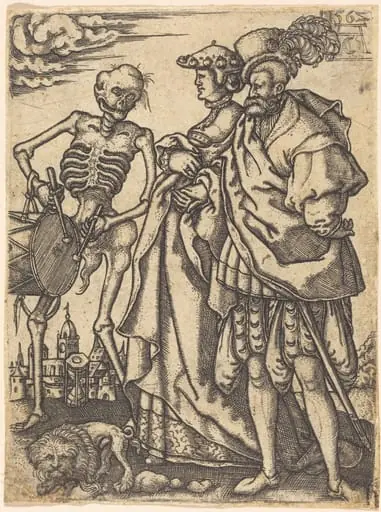 Dance of Death I
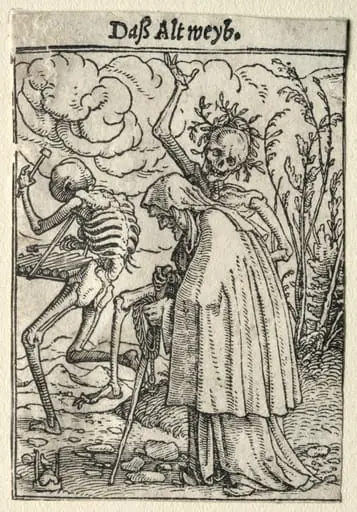 Dance of Death: The Old Woman
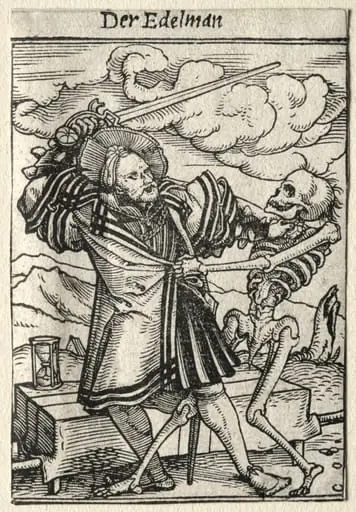 Dance of Death: The Nobleman
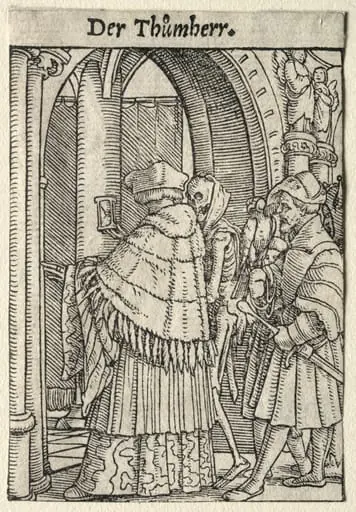 Dance of Death: The Canon
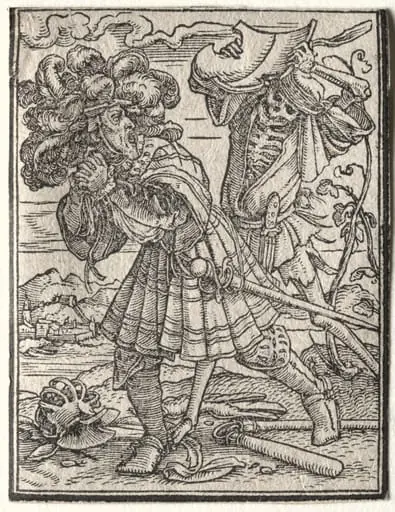 The Dance of Death: The Count