Artwork
Dance of Death: The Bishop
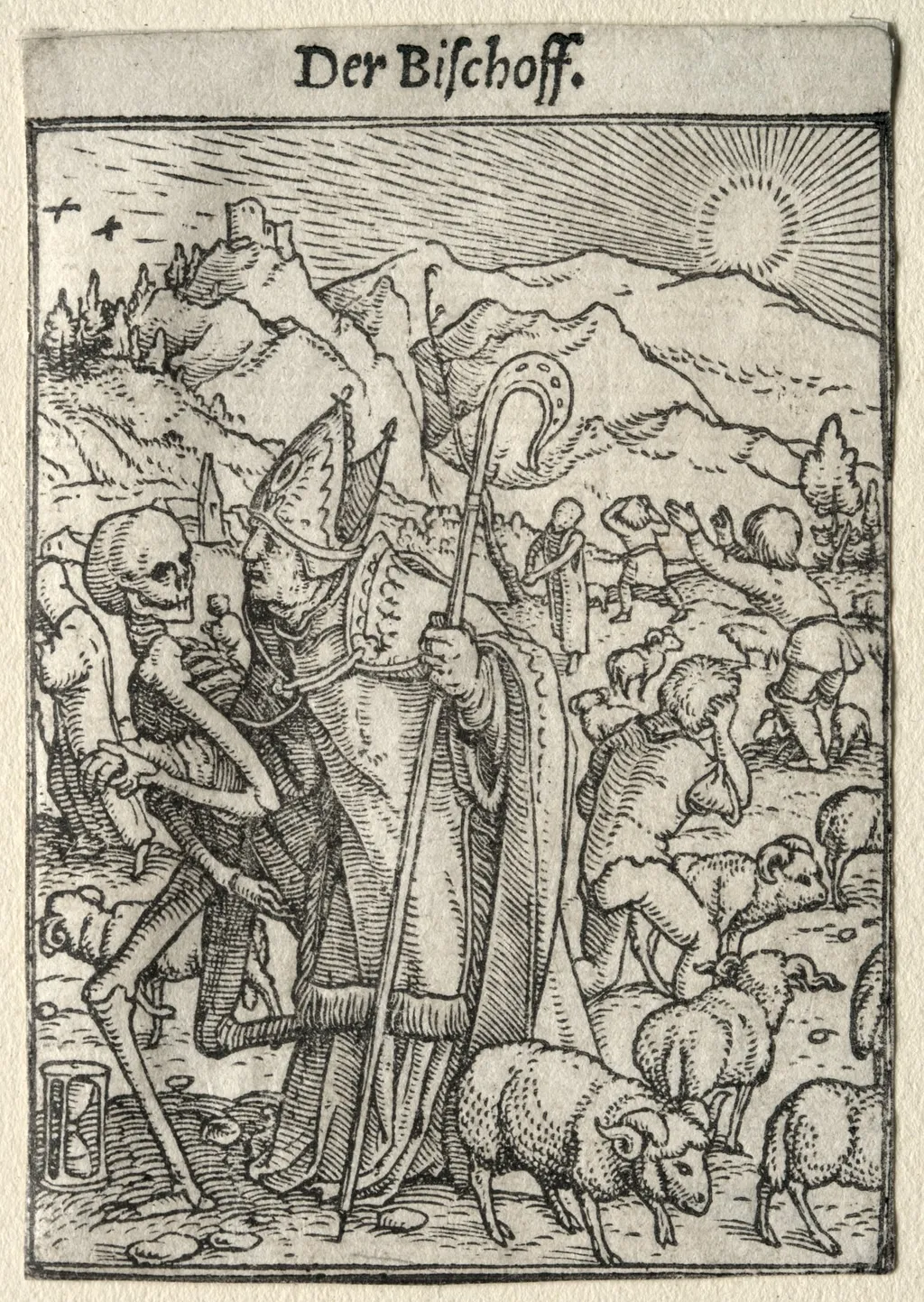
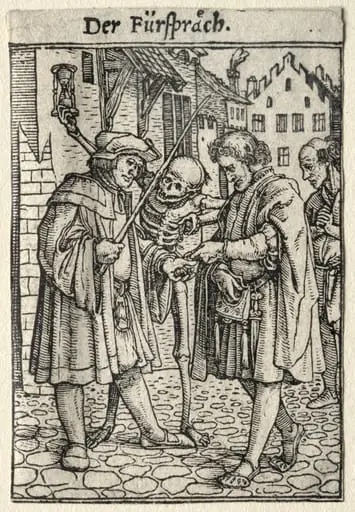
Dance of Death: The Bishop is a print by the Renaissance artist Hans Holbein the Younger. It dates from 1526 and is held in the collection of the Cleveland Museum of Art.
About this work
Overview
Dance of Death: The Bishop is a woodcut created by Hans Holbein the Younger around 1526. It is part of a series illustrating the medieval allegory of the Dance of Death, where Death leads figures from various social classes in a procession.
Subject & Meaning
The print depicts a bishop, adorned in elaborate robes and accompanied by a staff, being surrounded by dancing skeletons. The scene conveys themes of mortality and social equality, common in art from the Reformation era.
Technique & Style
Holbein employed sharp lines and bold contrasts to create a striking image, characteristic of his work in the Northern Renaissance style. The use of woodcut technique allowed for mass production, reflecting his contributions to printmaking.
Context
The work is part of a series that critiques the social hierarchy by depicting Death's universality. Created during a time of significant cultural and religious change, it reflects the era's preoccupations with mortality and the transience of earthly power.
Artist & collection
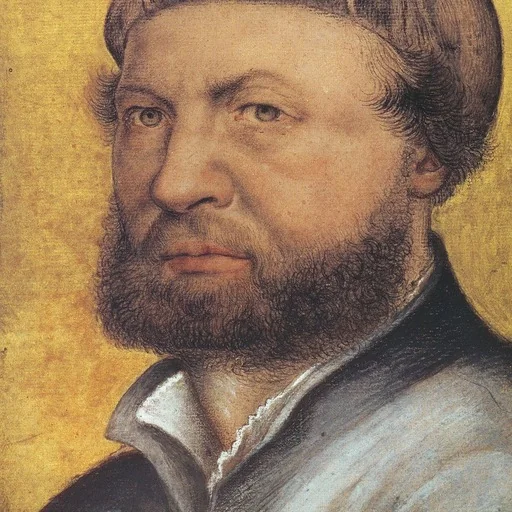
Artist
Hans Holbein the Younger (UK: HOL-byne, US: HOHL-byne, HAWL-; German: Hans Holbein der Jüngere; c.

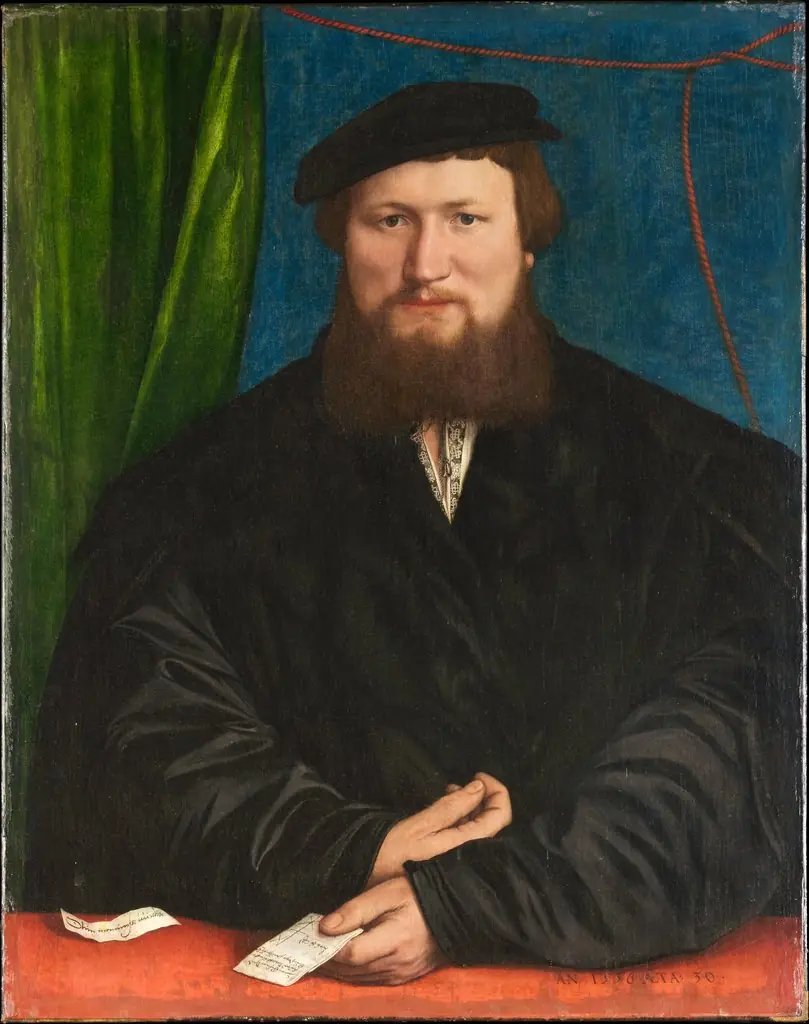
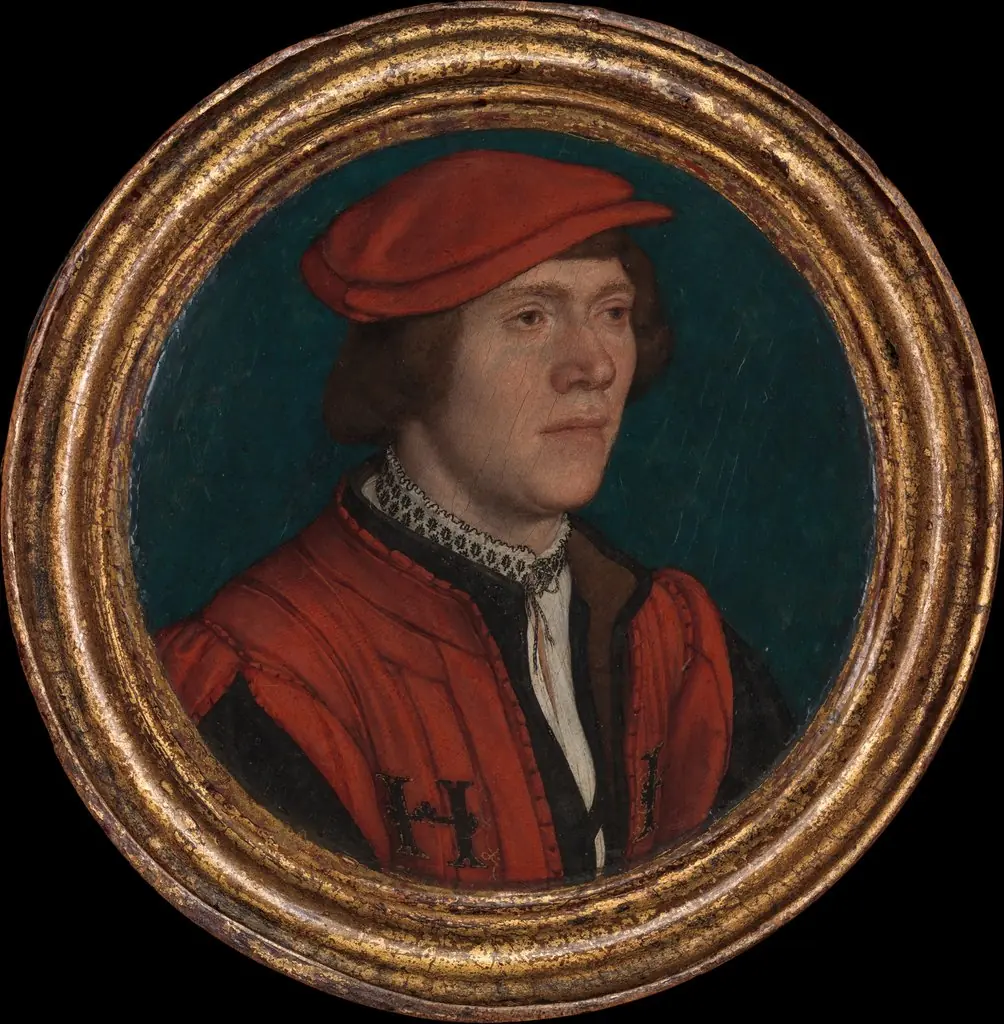
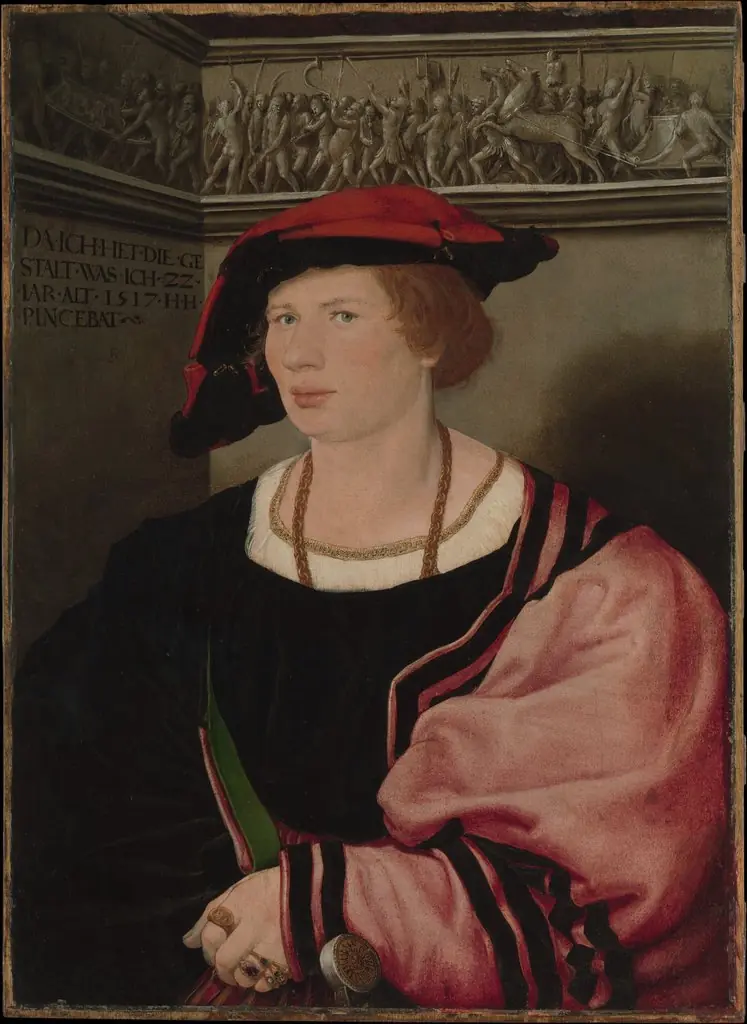
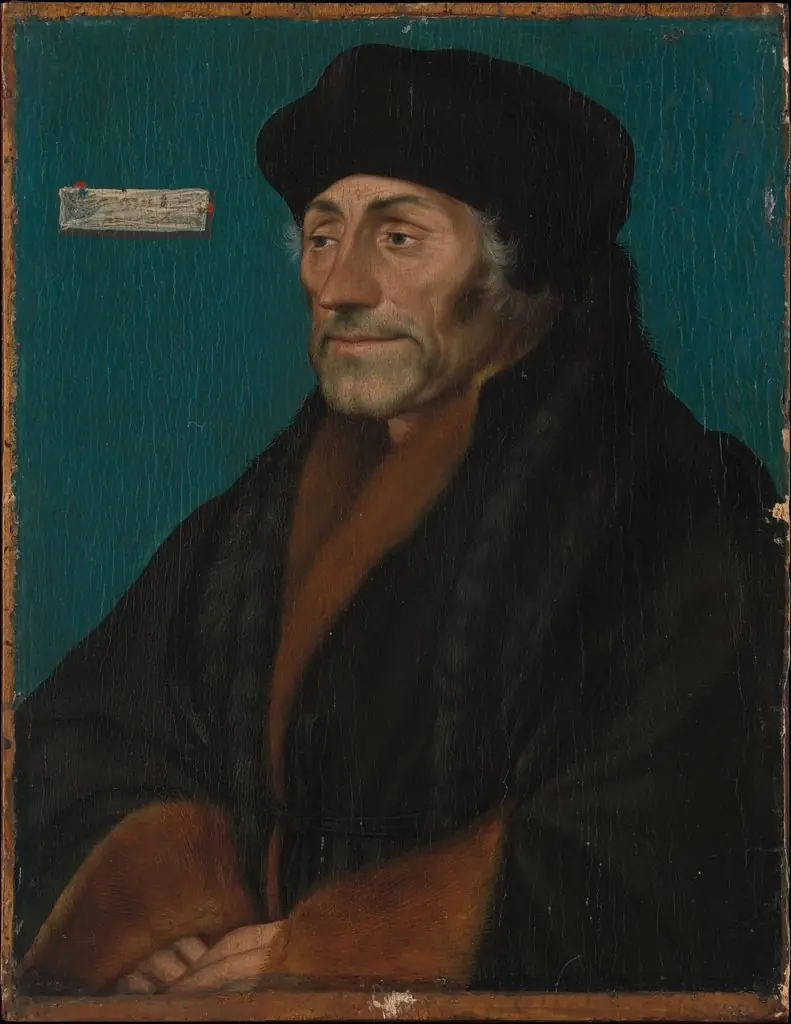
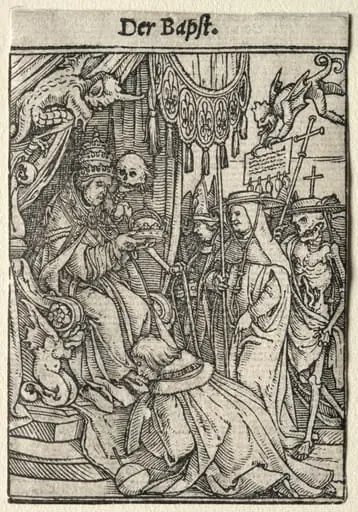 Dance of Death: The Pope
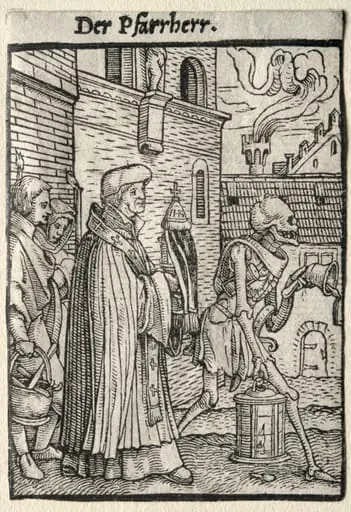 Dance of Death: The Pastor
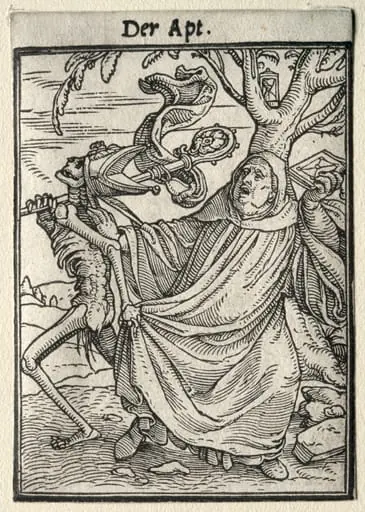 Dance of Death: The Abbot
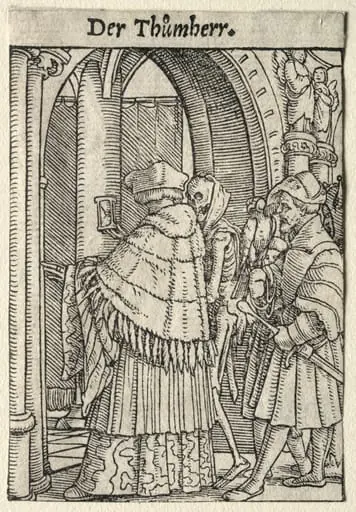 Dance of Death: The Canon
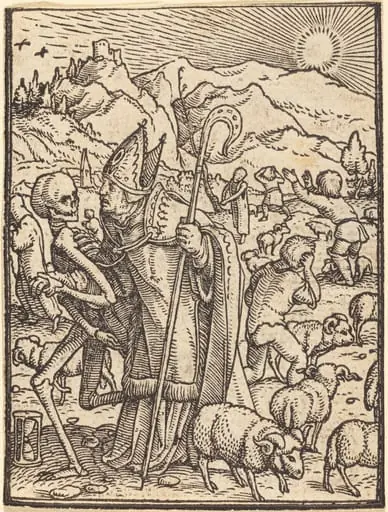 The Bishop
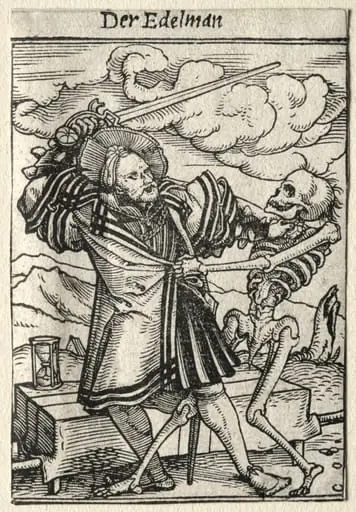 Dance of Death: The Nobleman
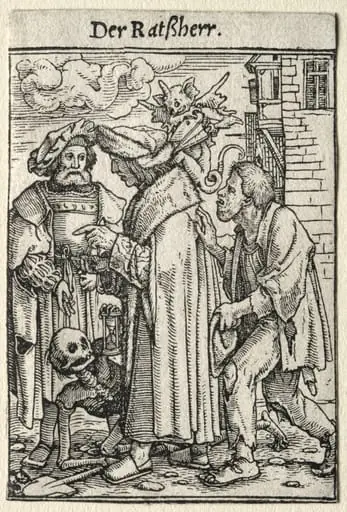 Dance of Death: The Councillor
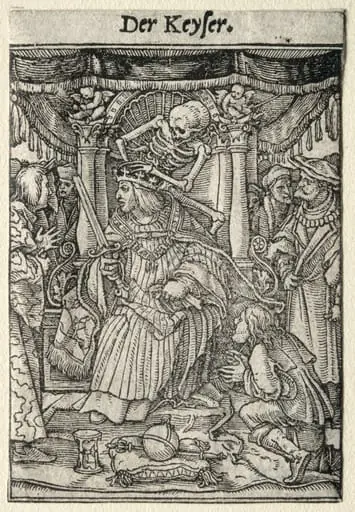 Dance of Death: The Emperor
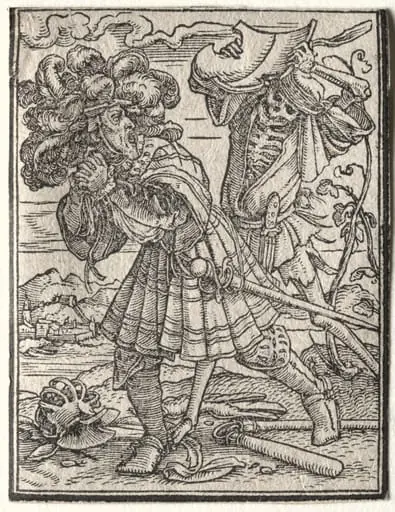 The Dance of Death: The Count
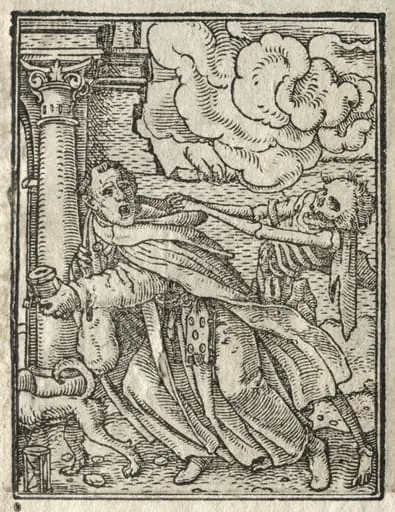 The Dance of Death: The Mendicant Friar; The Nun
 Dance of Death: The Advocate
 Dance of Death I