Artwork
Christ and the Virgin
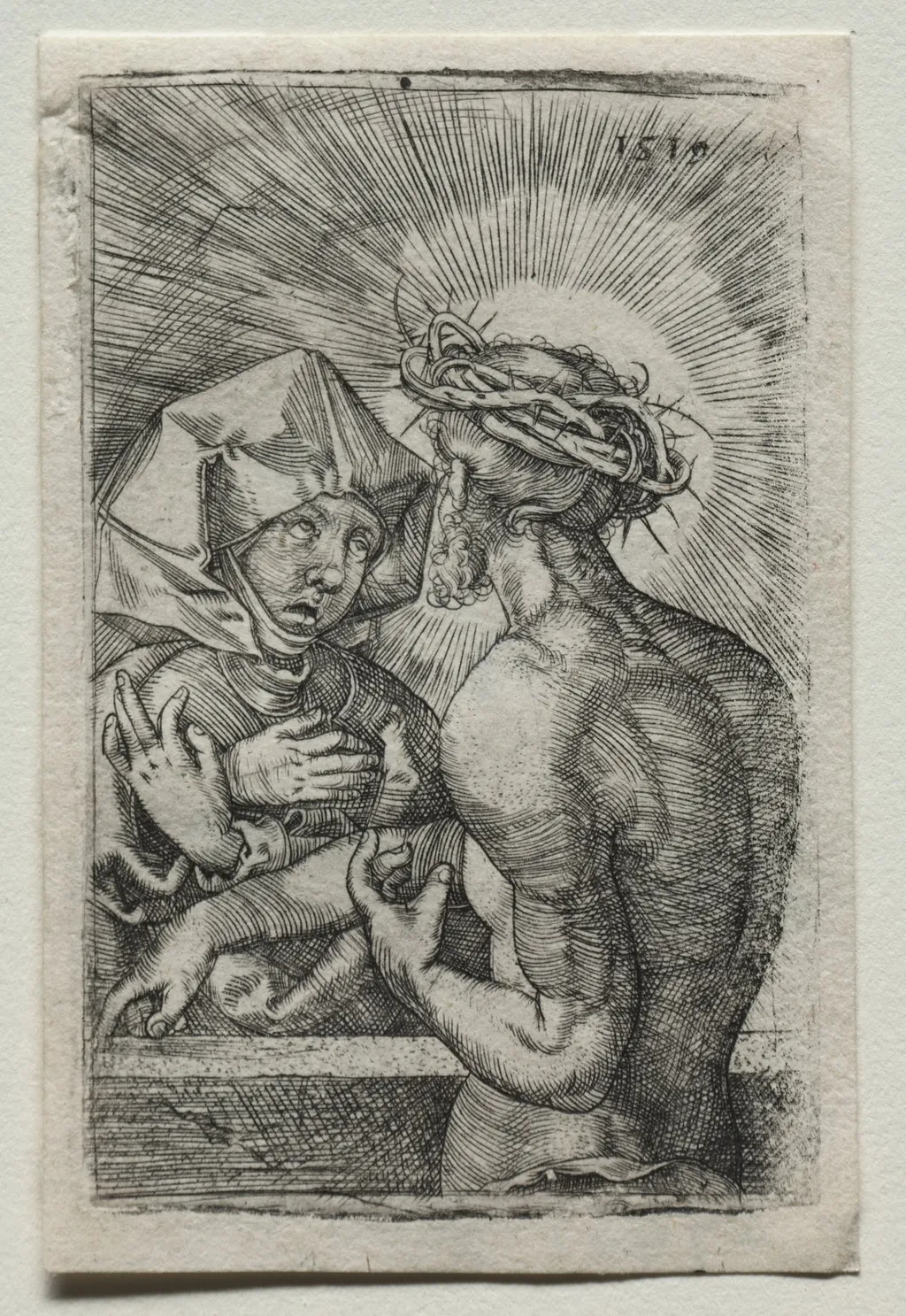
Christ and the Virgin is a print by the Renaissance artist Sebald Beham. It dates from 1519 and is held in the collection of the Cleveland Museum of Art.
About this work
The crown of thorns and the kneeling figure’s pleading hands suggest a religious scene.
This black-and-white print shows two figures in a tense moment. One person kneels, hands clasped, wearing a hat and loose clothes. The other stands, half-naked, with a crown of thorns and a sad, downward gaze. Their faces are drawn with sharp lines, and the background fades into a soft glow.
The crown of thorns and the kneeling figure’s pleading hands suggest a religious scene. This print was made in 1519 by an artist who often used dramatic contrasts in his work.
Look up chiaroscuro to see how this technique creates strong light-and-shadow effects.
Overview
Created in 1519 by Hans Sebald Beham, this black-and-white print depicts a moment of quiet solemnity between Christ and the Virgin. Beham, a Nuremberg-born artist associated with the Little Masters, specialized in finely detailed engravings on a small scale. The work is part of the Cleveland Museum of Art’s collection and exemplifies his mastery of intimate religious imagery through precise line work and tonal contrast.
Subject & Meaning
The scene portrays Christ, crowned with thorns and gazing downward, standing before a kneeling figure, likely the Virgin Mary, whose clasped hands convey supplication. The emotional weight lies in their silent exchange—Christ’s suffering and Mary’s grief rendered without overt drama. The composition invites contemplation of human sorrow and divine resignation, common themes in Protestant-influenced devotional art of the period.
Technique & Style
Beham employed fine, controlled engraving lines to define forms, using subtle gradations of tone to suggest volume and light. The background dissolves into a hazy glow, enhancing the figures’ emotional isolation. His use of chiaroscuro—sharp contrasts between light and shadow—heightens the psychological tension without relying on color, a hallmark of his small-scale printmaking style.
History & Provenance
Beham produced this print during his early career, shortly after leaving Nuremberg and before settling in Frankfurt. Though his output was prolific, few of his works from this period survive in public collections. The print entered the Cleveland Museum of Art’s holdings through documented acquisitions in the 20th century, preserving its place in the history of German Renaissance printmaking.
Context
Created during the early years of the Reformation, the print reflects a shift in religious imagery toward personal, introspective devotion. While Catholic iconography still dominated, artists like Beham began emphasizing emotional intimacy over grandeur. His small prints, meant for private contemplation, catered to a growing literate middle class seeking spiritual engagement outside institutional settings.
Legacy
Beham’s *Christ and the Virgin* exemplifies the Little Masters’ contribution to print culture: intimate, technically refined works that democratized religious imagery. Though overshadowed by larger contemporaries, his influence endured in the tradition of detailed engraving and devotional composition, shaping how personal faith was visually articulated in early modern Europe.
Artist & collection
Artist
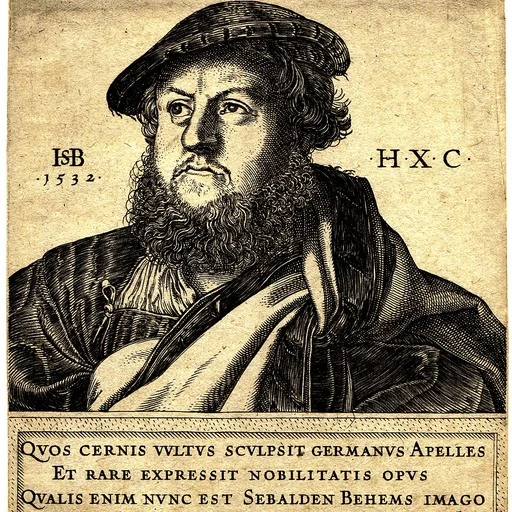
Sebald Beham (1500–1550) was a German painter and printmaker, mainly known for his very small engravings.


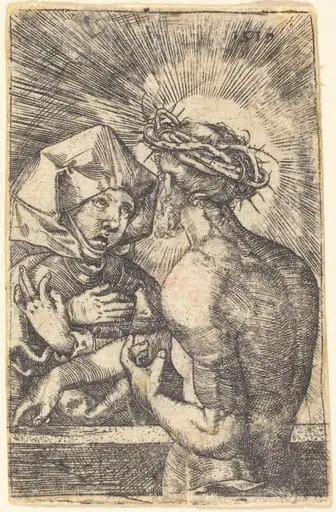 Christ Crowned with Thorns Speaking with His Mother
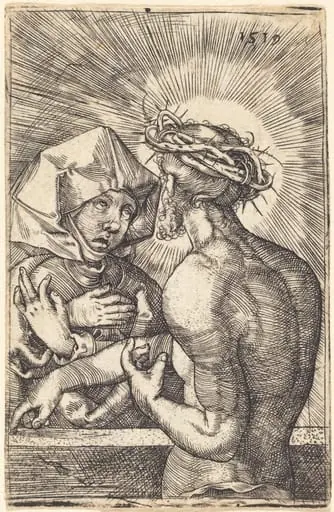 Christ Crowned with Thorns Speaking with His Mother
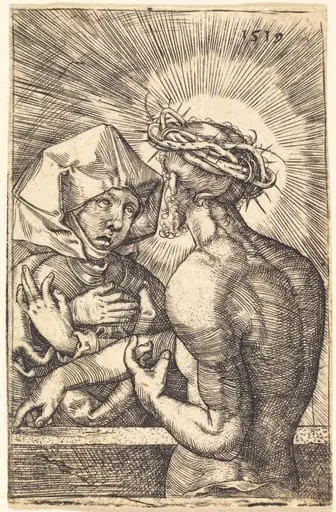 Christ Crowned with Thorns Speaking with His Mother
 Untitled
 Untitled
 The Rich Old Woman
 Christ as the Man of Sorrows between the Virgin and St. John
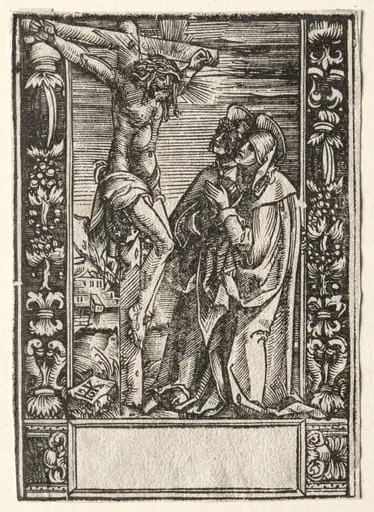 St. Mary and St. John Before the Cross
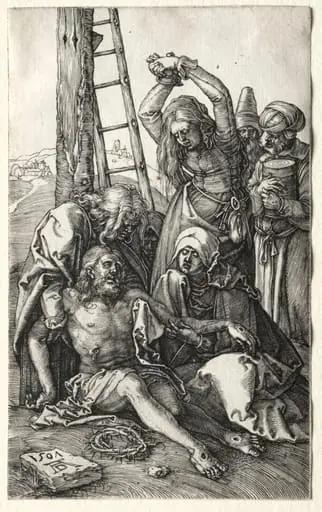 The Lamentation
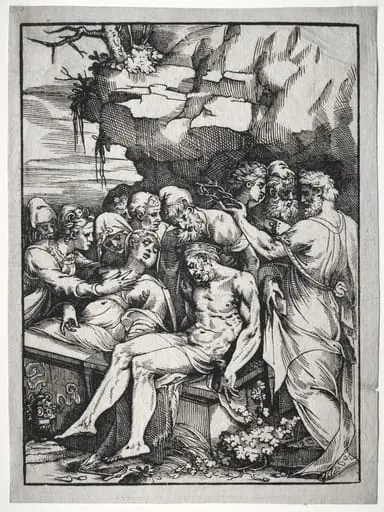 The Entombment
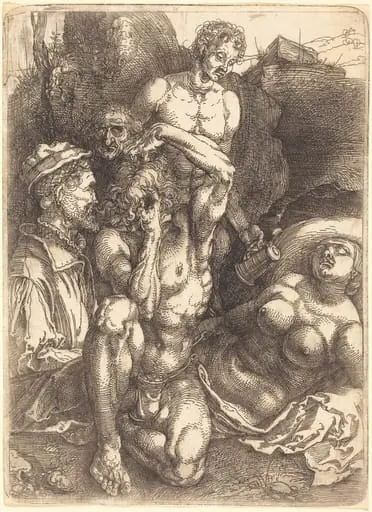 The Desperate Man
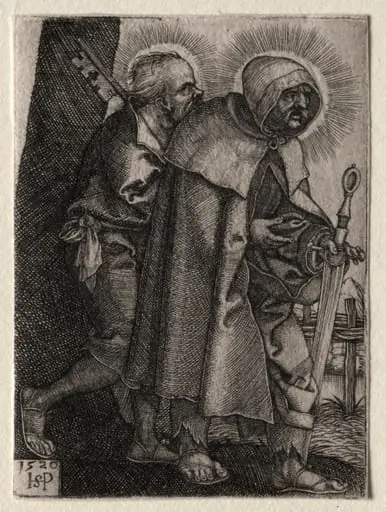 Christ and the Apostles: St. Peter and St. Paul