Artwork
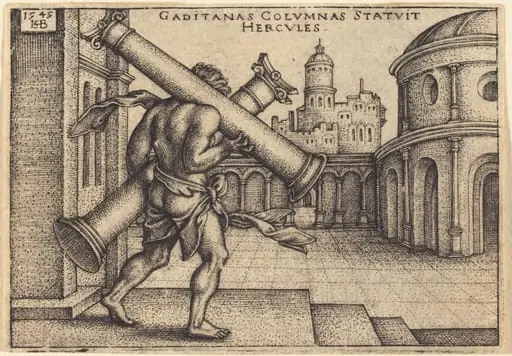
The Labors of Hercules: Hercules and the Columns of Gades
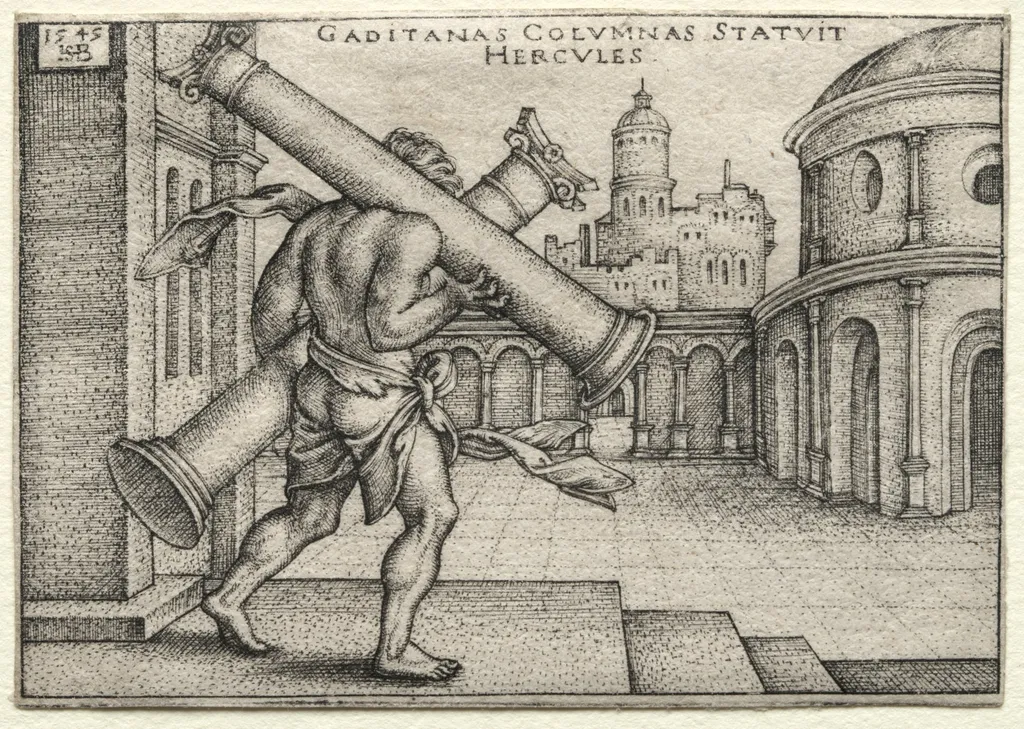
The Labors of Hercules: Hercules and the Columns of Gades is a print by the Renaissance artist Sebald Beham. It dates from 1545 and is held in the collection of the Cleveland Museum of Art.
About this work
Overview
Beham condensed multiple episodes from Hercules’ mythic life into a compact composition, reflecting the era’s fascination with intricate, collectible prints.
This print is part of a series by Barthel Beham, a German engraver associated with the Little Masters—a group known for highly detailed miniatures. The work depicts Hercules between two monumental columns, referencing the Pillars of Gades, traditionally seen as the western edge of the known world. Beham condensed multiple episodes from Hercules’ mythic life into a compact composition, reflecting the era’s fascination with intricate, collectible prints.
Subject & Meaning
The image alludes to Hercules’ twelve labors, symbolizing endurance and divine favor. The columns mark the boundary of his journey, echoing ancient notions of cosmic limits. Though only three labors are explicitly shown in the full series, this scene emphasizes Hercules’ role as a bridge between mortal and divine realms. His presence between the pillars suggests both achievement and the threshold of mortality, reinforcing his mythic status in Renaissance humanist thought.
Technique & Style
Beham employed fine-line engraving to render complex narratives within a small format, a hallmark of the Little Masters. His meticulous hatching and precise detail allowed for dense storytelling without clutter. The composition balances monumental figures with intricate background elements, demonstrating technical control. Unlike broad chiaroscuro effects, his style relies on linear clarity and tonal gradation to define form and space.
History & Provenance
Created in the early 16th century, the series was produced for a market of educated collectors who valued mythological themes and miniature art. Beham’s prints circulated widely across Europe, often bound in albums or displayed as cabinet pieces. While the exact provenance of this specific print is undocumented, similar works from the series appear in major European collections, indicating its early and sustained appeal among connoisseurs.
Context
During the Renaissance, classical myths were revived as vehicles for moral and intellectual reflection. Hercules, as a figure of strength tempered by suffering, resonated with humanist ideals. German printmakers like Beham responded to this trend by producing affordable, portable narratives that brought mythic stories into private collections, bridging elite scholarship and popular imagery through accessible art forms.
Legacy
Beham’s small-scale engravings influenced later generations of Northern European printmakers by demonstrating how narrative depth could be achieved in miniature. His approach to compressing mythic cycles into single compositions became a model for didactic imagery. Though overshadowed by larger paintings, his prints contributed to the dissemination of classical stories and helped shape the visual culture of early modern Europe.
Artist & collection
Artist
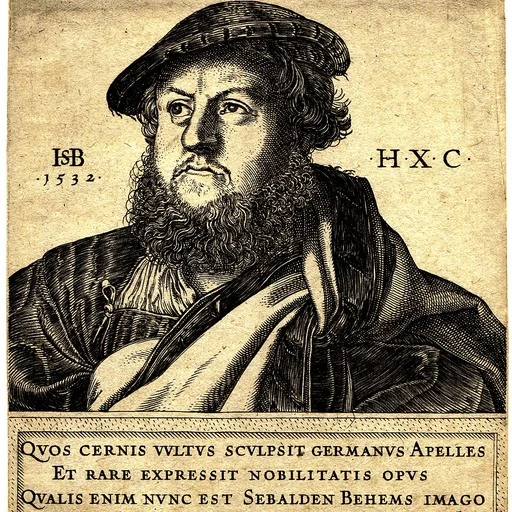
Sebald Beham (1500–1550) was a German painter and printmaker, mainly known for his very small engravings.


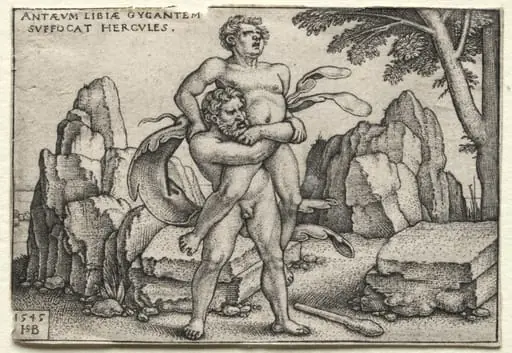 The Labors of Hercules: Hercules Crushing Antaeus
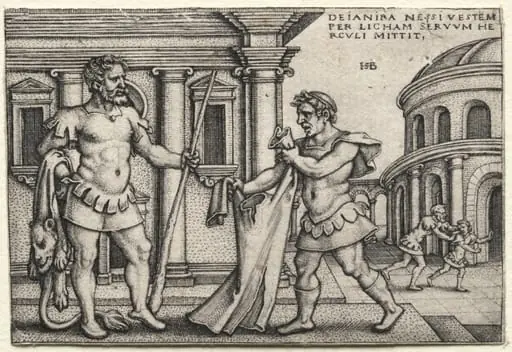 The Labors of Hercules: Hercules Receiving the Garment Steeped in Nessus's Blood
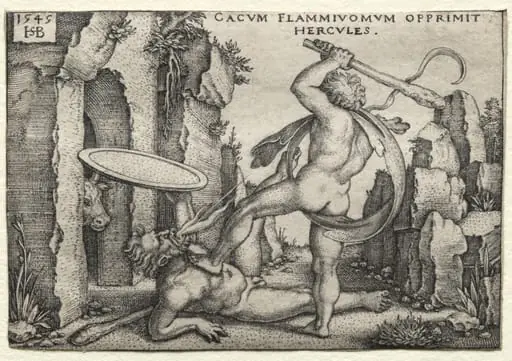 The Labors of Hercules: Hercules Killing the Giant Cacus
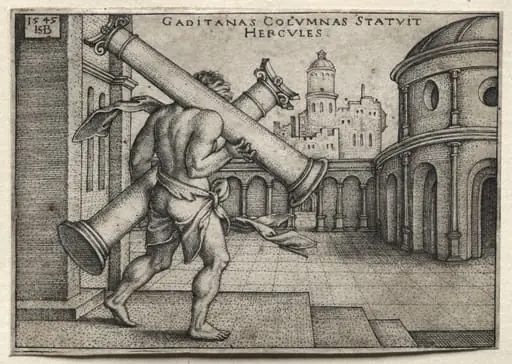 The Labors of Hercules: Hercules Carrying the Columns of Gades
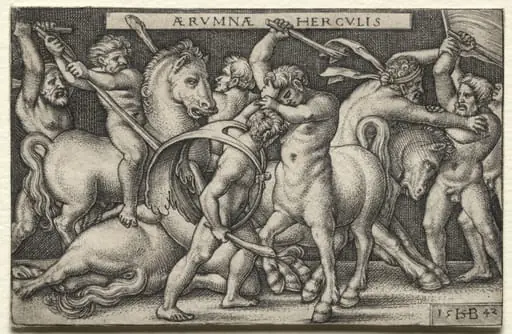 The Labors of Hercules
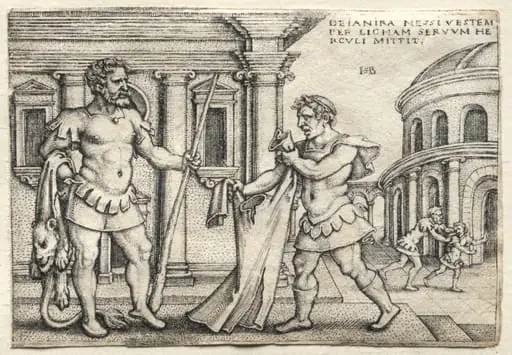 The Labors of Hercules: Hercules Receiving the Garment Steeped in Nessus' Blood
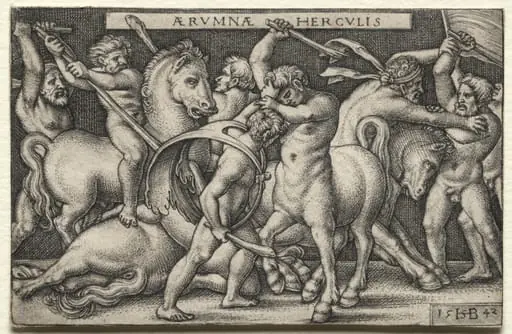 The Labors of Hercules: Hercules Defeating the Centaurs
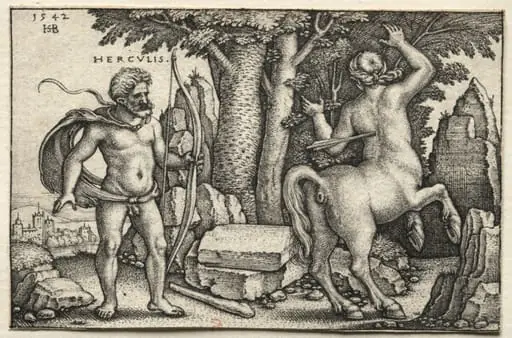 The Labors of Hercules: Hercules Shooting Nessus
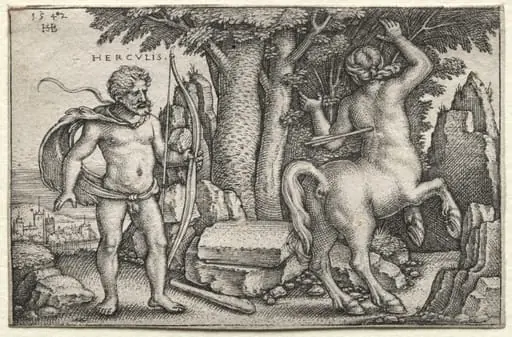 The Labors of Hercules: Hercules and Nessus
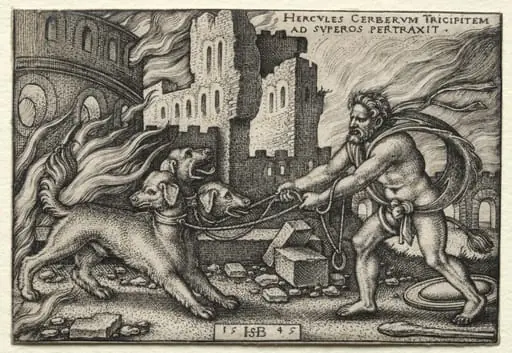 The Labors of Hercules: Hercules Dragging Cerberus from the Underworld