Artwork
Amphitheatre, Nimes
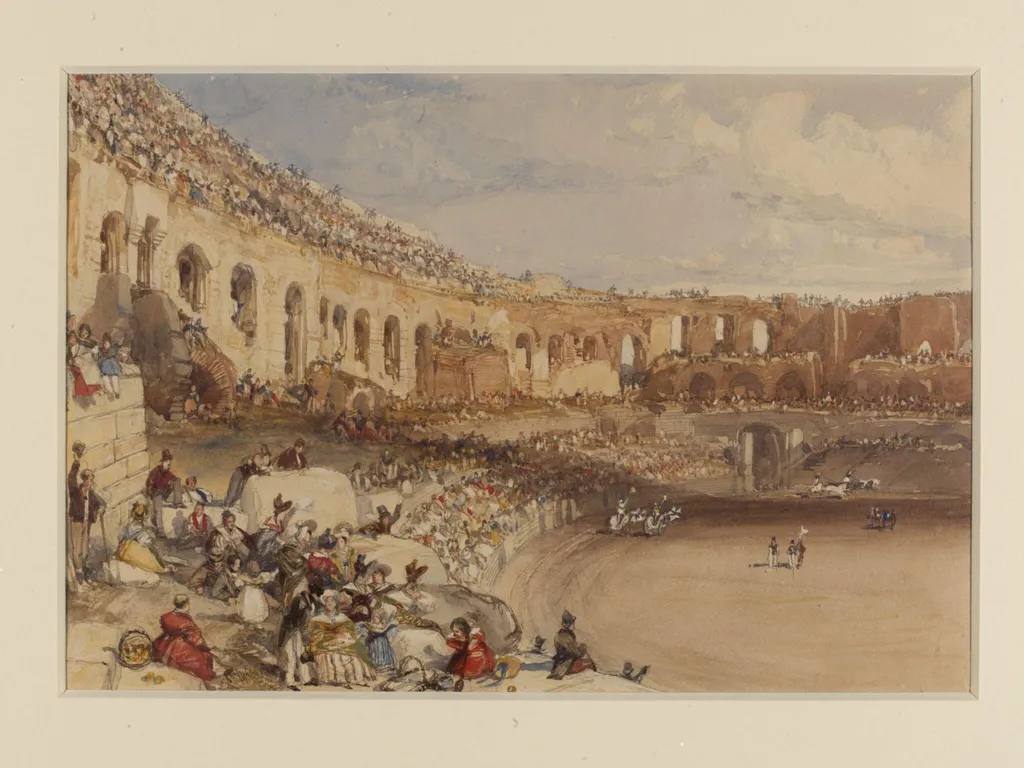
Amphitheatre, Nimes is a watercolor work on paper by the Romanticist artist James Duffield Harding. It dates from 1834 and is held in the collection of the Victoria and Albert Museum.
About this work
Overview
James Duffield Harding created this watercolour in 1834, capturing the ancient Amphitheatre of Nîmes as a site of contemporary activity. Rather than presenting it as a ruin, he depicts it alive with spectators engaged in a public event. The work reflects his interest in documenting architectural heritage through direct observation during his travels in southern France.
Subject & Meaning
The scene portrays a lively gathering in the amphitheatre, likely a horse race or public spectacle, with crowds occupying every level of the structure. Attendees are shown in varied postures and attire, suggesting a cross-section of society. The presence of carriages and blankets implies both leisure and accessibility, transforming the ancient monument into a living social space.
Technique & Style
Soft gradations of tone model the stone arches and figures, while fine linear details define hats, cloaks, and architectural elements.
Harding employed loose, transparent watercolour washes to suggest atmosphere and texture, allowing the paper’s whiteness to enhance the luminosity of the sky and dust-lit surfaces. Soft gradations of tone model the stone arches and figures, while fine linear details define hats, cloaks, and architectural elements. The technique balances spontaneity with precision, characteristic of 19th-century topographical watercolour.
History & Provenance
The painting was executed during Harding’s travels in France, part of a broader effort by British artists to record classical sites. It likely originated as a study for later publications or exhibitions, reflecting the period’s fascination with antiquity. Its survival in private or institutional collections underscores its value as a documentary record of Nîmes in the early 1830s.
Context
In the 1830s, Romanticism encouraged a renewed interest in ancient ruins as vessels of memory and emotion. Harding’s depiction aligns with this trend by merging historical architecture with contemporary life, avoiding idealized grandeur in favor of observed reality. His approach resonated with a public increasingly curious about the everyday use of classical monuments.
Legacy
Harding’s watercolour contributes to a visual archive of Mediterranean antiquities as they existed in the early Industrial Age. It stands as an example of how artists bridged topographical accuracy with atmospheric observation, influencing later generations interested in documenting cultural landscapes. The work remains a quiet testament to the persistence of public life within ancient forms.
Artist & collection
Artist
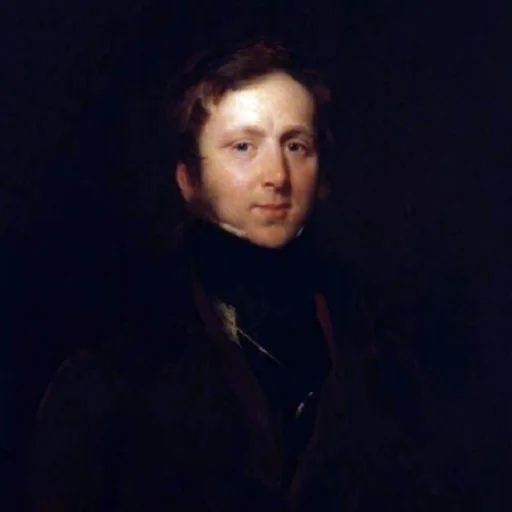
James Duffield Harding (1798 – 4 December 1863) was a British landscape painter, lithographer and author of drawing manuals. His use of tinted papers and opaque paints in watercolour proved influential.

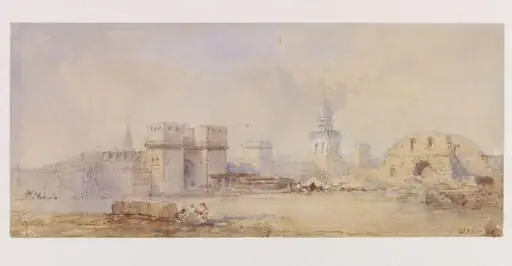 Bab al-Nasr and walls of Cairo, with part of the Mosque of Khalif al-Hakim
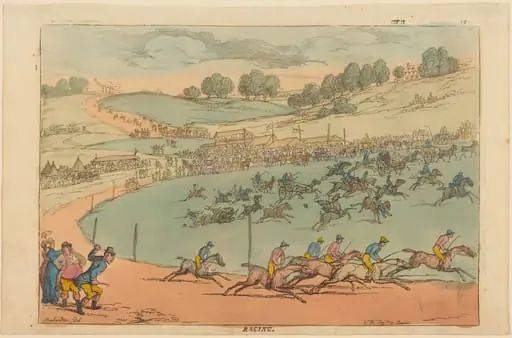 Racing
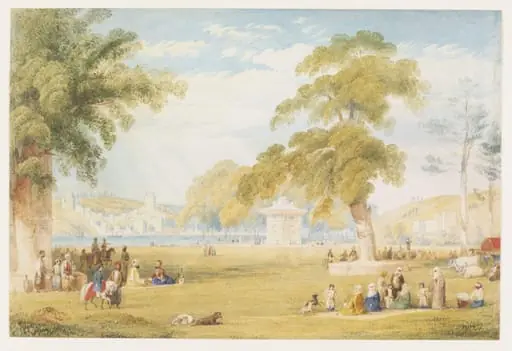 Meadow of the Sweet Waters of Asia, Constantinople
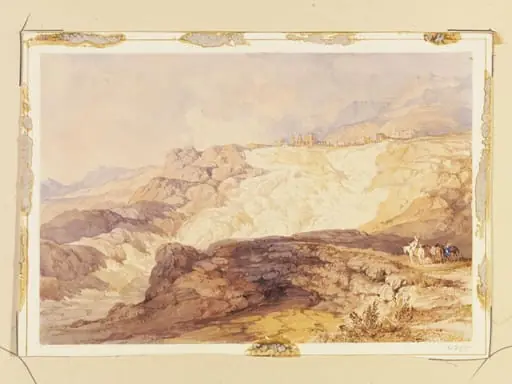 The Ruins of Hierapolis
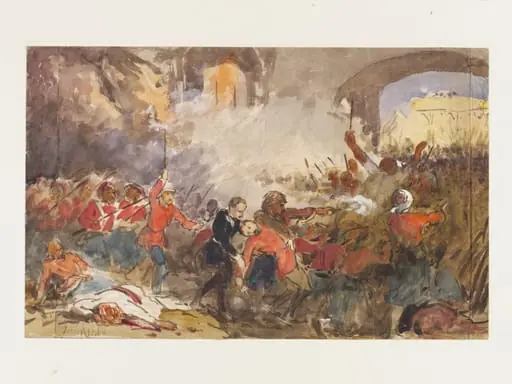 The Murder of Sir Louis Cavagnari at Kabul. 1879
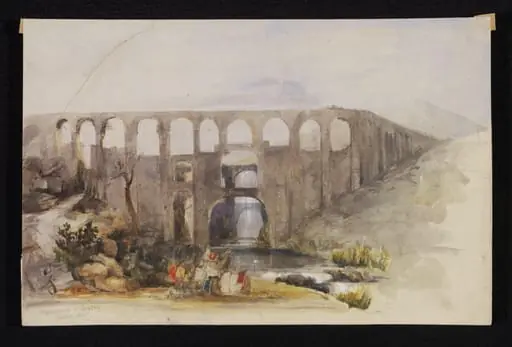 Aqueducts nr. Smyrna
 The Finding of the Body of Tipu Sultan at Seringapatam.
 Running
 Plain of Raha, Sinai
 Philadelphia
 Theatre, with the Sarcophagus and Harpy Tombs, Xanthus
 Bridge over the river Herauz at Amol, a town of Mazunderan