Artwork
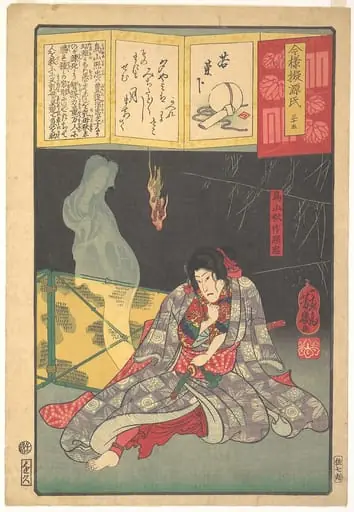
長谷川貞信画 三代目尾上菊五郎|Kabuki Actor Onoe Kikugorō III as the Spirit of the Courtesan Yonakishii
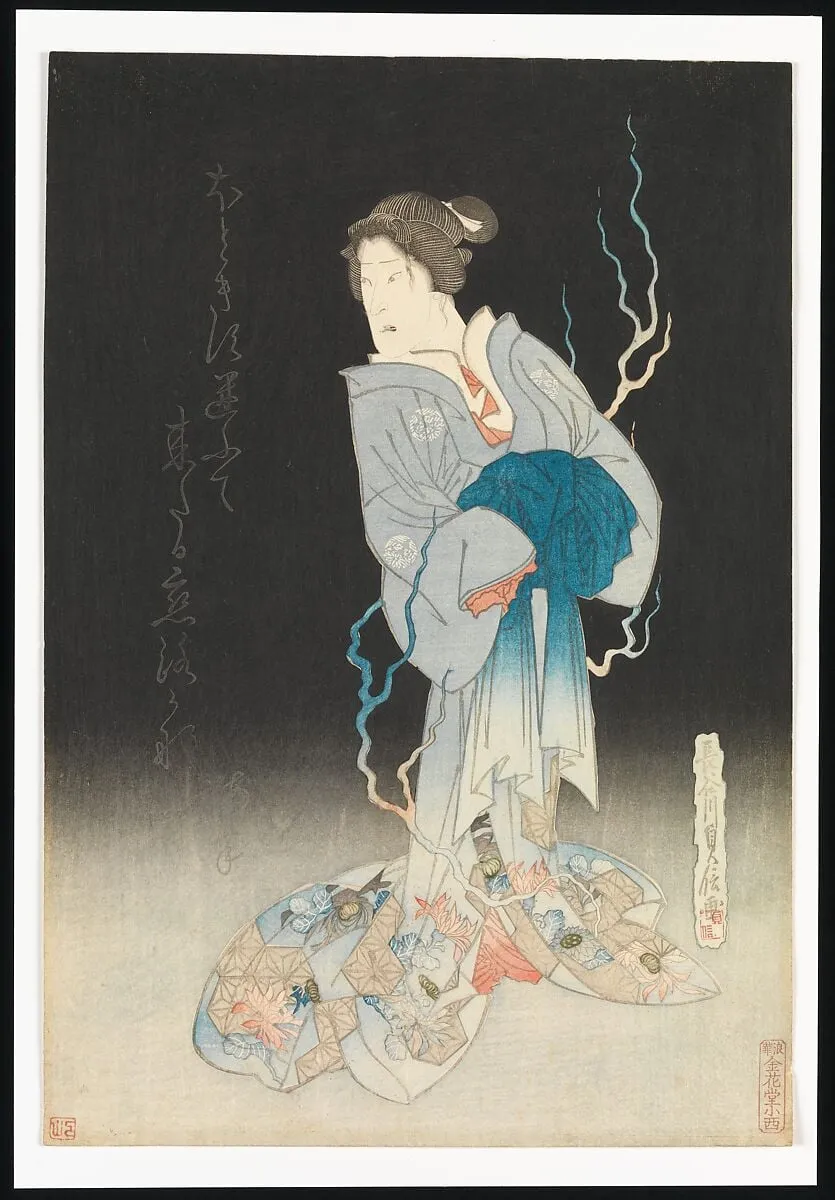
長谷川貞信画 三代目尾上菊五郎|Kabuki Actor Onoe Kikugorō III as the Spirit of the Courtesan Yonakishii is an ink print by the Romanticist artist Hasegawa Sadanobu. It dates from 1841 and is held in the collection of the Metropolitan Museum of Art.
About this work
Overview
Created in 1841 by the Edo‑period printmaker Hasegawa Sadanobu, this woodblock illustration is part of the Metropolitan Museum of Art’s collection. It portrays the celebrated kabuki performer Onoe Kikugorō III transformed into the ethereal figure of the courtesan Yonakishii, a role drawn from popular theatrical repertoire of the time.
Subject & Meaning
The image shows a female figure dressed in a richly patterned kimono, hair arranged in a formal updo, and holding a blue cloth. By casting the actor as the spirit of a courtesan, the print underscores the fluidity of gender and identity on the kabuki stage, where male performers routinely assumed female roles.
Technique & Style
Executed with traditional ukiyo‑e methods, the work combines carved woodblocks for line work with separate blocks for color application. The contrast between the dark gray backdrop and the lighter, detailed garments highlights the figure’s serene demeanor, while the intricate patterns demonstrate the high level of craftsmanship typical of mid‑nineteenth‑century prints.
History & Provenance
The print was produced during the late Edo period, a time when kabuki portraiture flourished. It entered the Metropolitan Museum of Art’s holdings through a 20th‑century acquisition, joining a broader collection of Japanese woodblock prints that document theatrical culture.
Context
Onoe Kikugorō III (1798‑1865) was a leading actor of the three‑generation Onoe lineage, renowned for his portrayals of elegant courtesans. The character Yonakishii appears in popular kabuki dramas, embodying ideals of beauty and refined poise that resonated with contemporary audiences.
Artist & collection


 Untitled
 Untitled
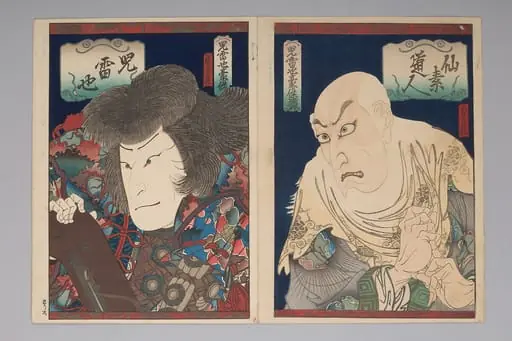 「仙素道人」五代目市川海老蔵 「児雷也」初代実川延三郎|Ichikawa Ebizō V as Senso Dōjin (right); Jitsukawa Ensaburō as Jiraiya (left)
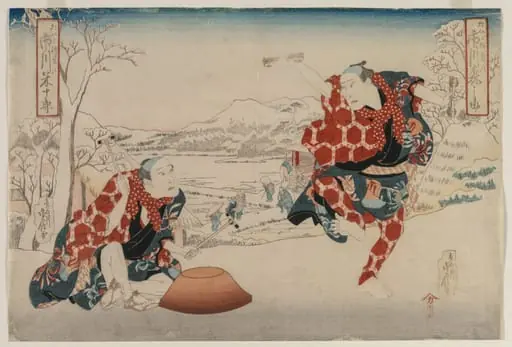 Ichikawa Norinosuke and Ichikawa Yonejuro as Morihachi and Yonehachi, Two Comedians
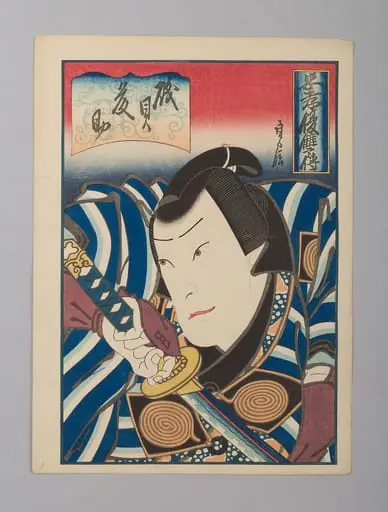 「忠孝復讐傳 磯貝藤助」二代目嵐璃珏|The Actor Arashi Rikaku II as Isogai Tōsuke, from the series Lives of Men who Carried Out Revenge for Loyalty or Filial Piety
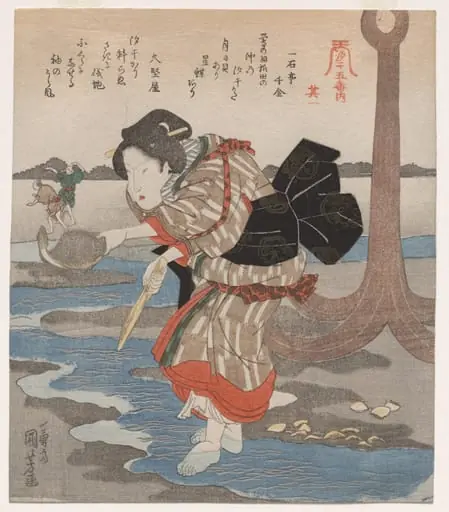 First Print from A Low Tide Pentaptych
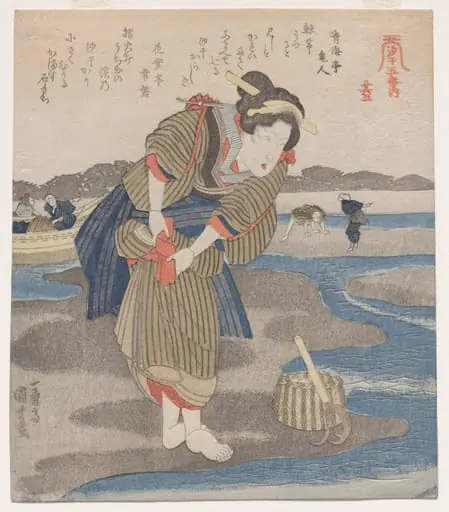 Fifth Print from A Low Tide Pentaptych
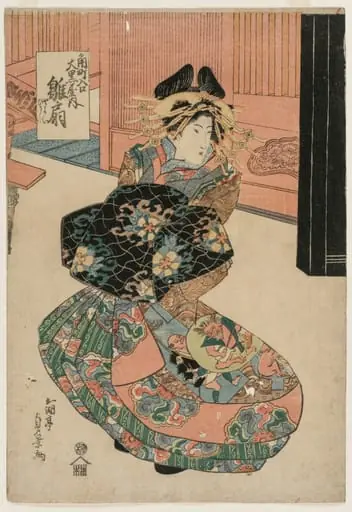 The Courtesan Hinaogi of the Daikokuya at the Entrance of Kadomachi
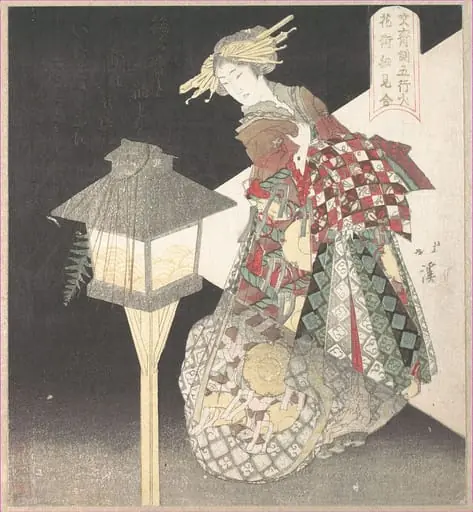 「文齊側五行火 花街細見合」|Courtesan by a Lantern, “Fire,” from the series Five Elements for the Bunsai Poetry Group, a Guide to the Yoshiwara Pleasure Quarters
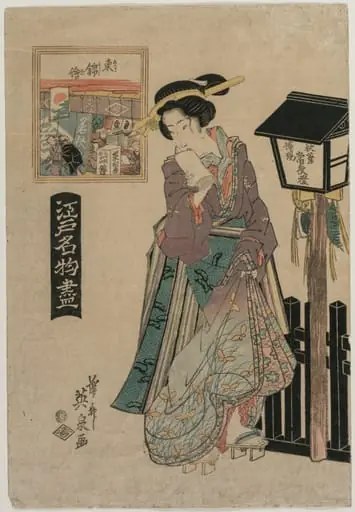 Pictures of Eastern Brocade (from the series Famous Products of Edo)
 Untitled
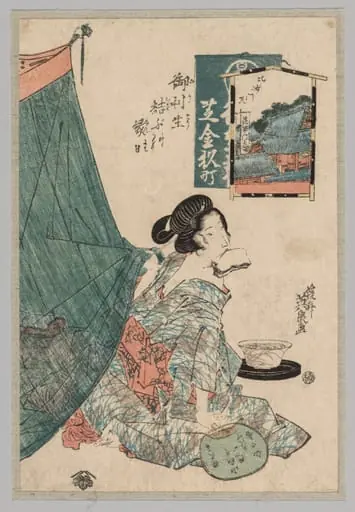 Woman with Papers in Mouth and Fan in Hand
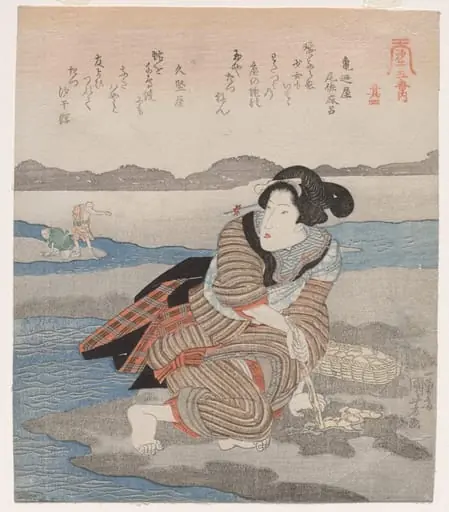 Fourth Print from A Low Tide Pentaptych
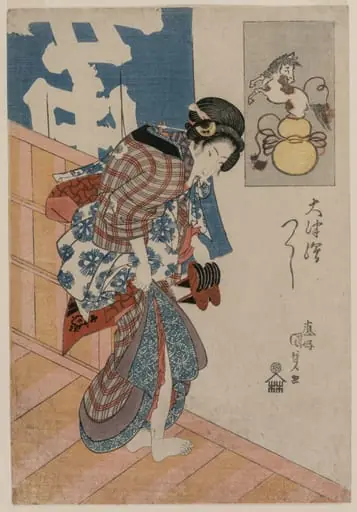 Woman Leaving a Bath House (from the series Pictures from Otsu)
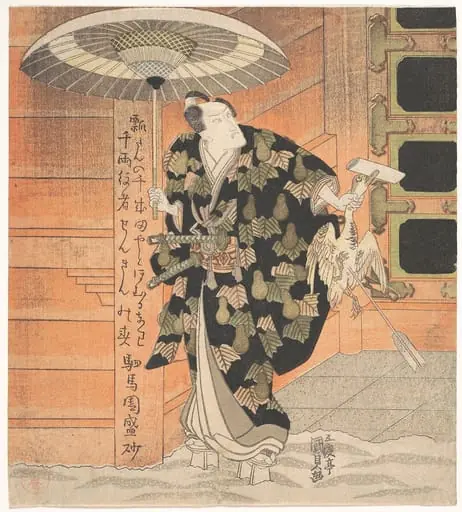 Untitled