Artwork
Untitled
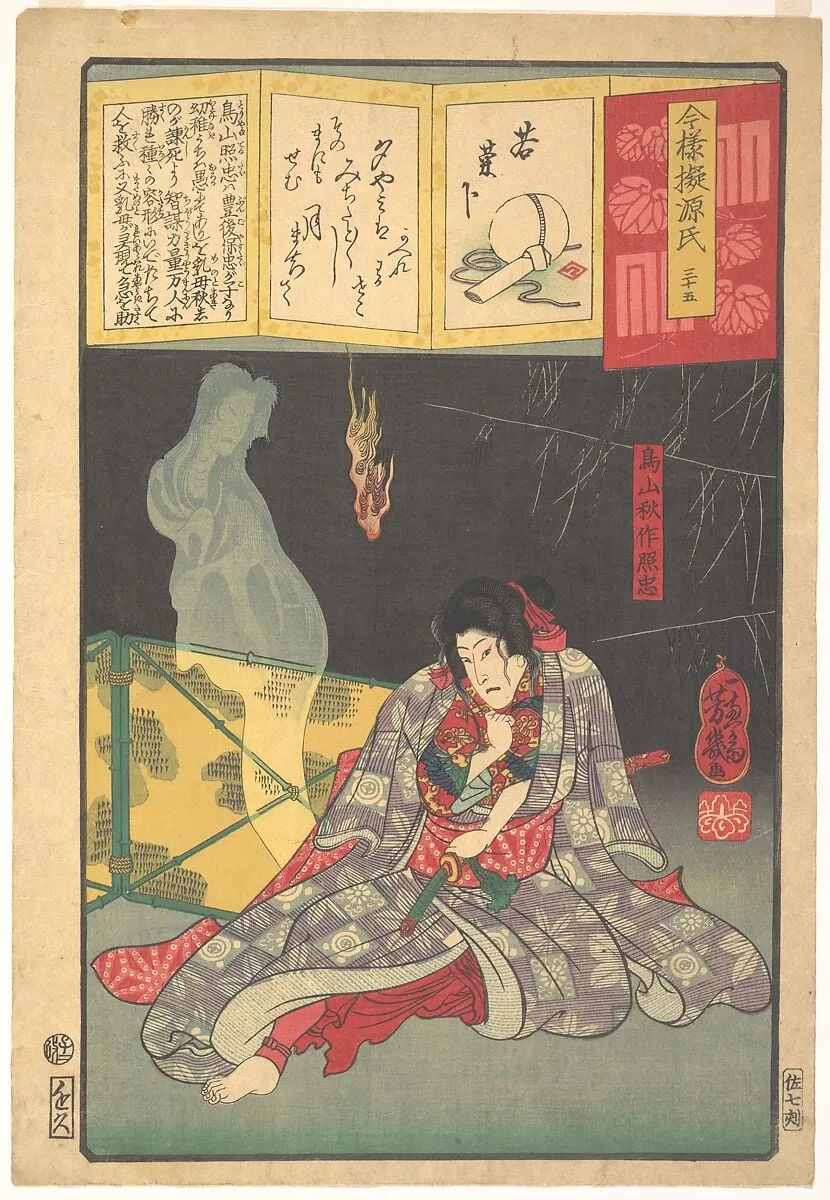
Untitled is an ink print by the Baroque artist Utagawa Yoshiiku. It dates from 1864 and is held in the collection of the Metropolitan Museum of Art.
About this work
Overview
Created in 1864 by Utagawa Yoshiiku, this woodblock print is rendered in ink and color on paper. It belongs to the Metropolitan Museum of Art’s collection and exemplifies mid-19th-century ukiyo-e traditions. The composition centers on a seated figure in vividly patterned clothing, accompanied by an ambiguous spectral presence, framed by minimal architectural elements and two hanging lanterns.
Subject & Meaning
The seated man, dressed in ornate robes, appears grounded in the earthly realm, while the tall, dark figure behind him—long-haired and formless—resembles a yūrei, a spirit from Japanese folklore associated with unresolved grief or vengeance. The red lanterns and inscribed sign suggest a liminal space, perhaps a shrine or boundary between worlds, reinforcing themes of transition and the unseen.
Technique & Style
The print employs bold, flat areas of color and strong outlines typical of ukiyo-e, with sharp contrasts between light and shadow to heighten tension. Cross-hatching and sparse linework define the ghost’s form, suggesting volume without modeling. The background fence and buildings are simplified, emphasizing the figures and creating a stage-like space that isolates the supernatural encounter.
History & Provenance
Produced during the late Edo period, the print reflects the popularity of ghost stories in popular print culture. It entered the Metropolitan Museum of Art’s collection through documented acquisitions of Japanese prints in the early 20th century. No earlier ownership records are publicly known, but its style aligns with Yoshiiku’s known output for commercial publishers of the time.
Context
In 1864, Japan was undergoing political upheaval as the Tokugawa shogunate neared its end. While ukiyo-e often depicted kabuki actors and courtesans, ghost prints like this one tapped into public fascination with the supernatural, serving as both entertainment and moral allegory. The use of red—symbolic of protection and danger—was common in such imagery to signal the presence of spirits.
Legacy
Yoshiiku’s work contributed to the evolution of horror-themed prints in the late Edo period, influencing later artists who explored psychological and supernatural themes. Though less celebrated than contemporaries like Kuniyoshi, his prints remain valuable for documenting how folklore was visually adapted for urban audiences during a time of social transformation.
Artist & collection


 Untitled
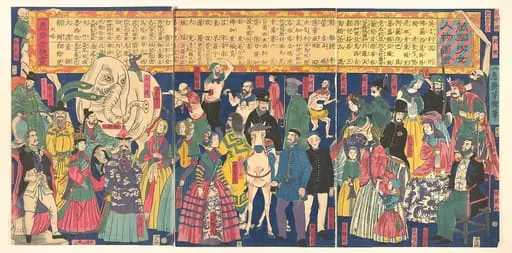 万国男女人物図絵|Picture of Men and Women from all Nations (Bankoku danjo jinbutsu zue)
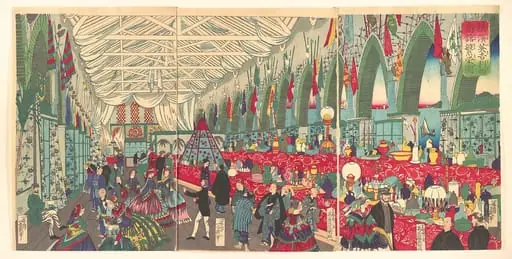 「横浜英吉利西商館繁栄圖」|“The Flourishing of an English Trading Firm in Yokohama”
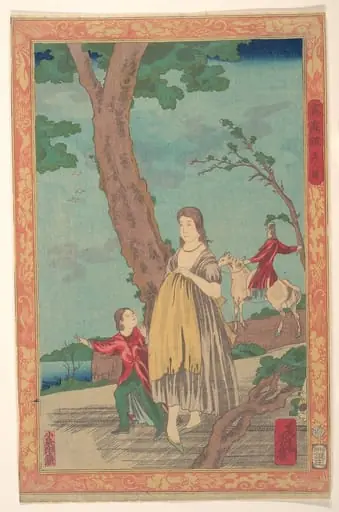 Bijin zu|Beauties
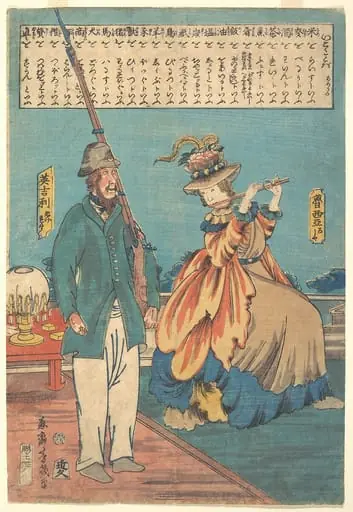 魯西亞 ・英吉利|An English Man and a Russian Woman
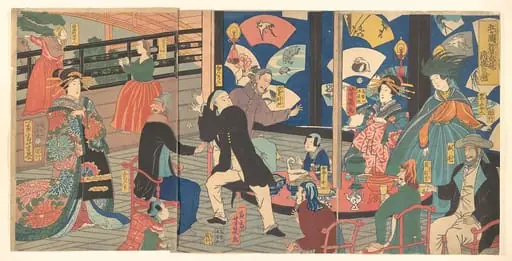 Gok'koku o Gankirō sakamori no zu|The Five Nations Enjoying a Drunken Revel at the Gankirō Tea House
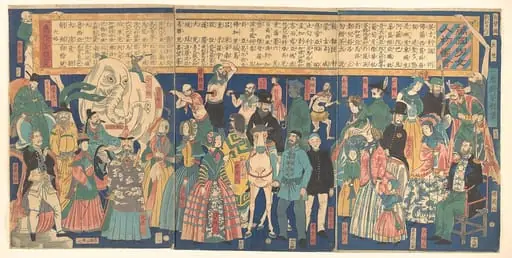 Bankoku danjō jimbutsu zue|Picture of Men and Women from all nations (Bankoku danjo jinbutsu zue)
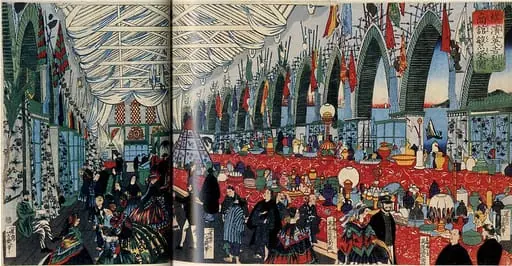 Yokohama Igirisu Shokan hanei no zu|Picture of a Prosperous English Trading Firm in Yokohama
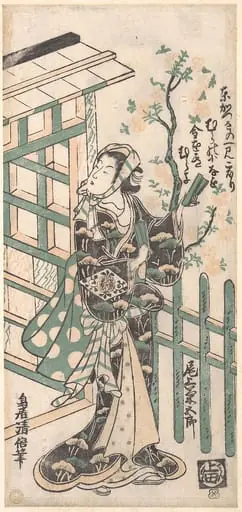 Untitled
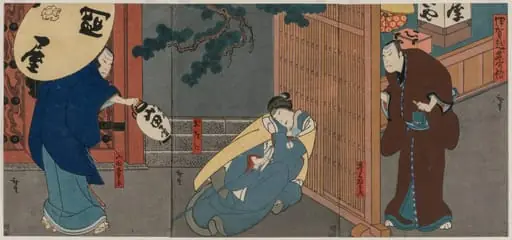 A Tale of Valor at Iga Pass
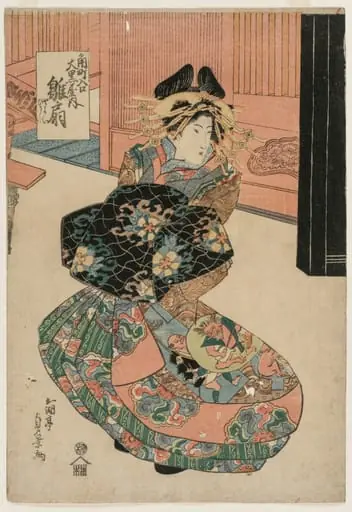 The Courtesan Hinaogi of the Daikokuya at the Entrance of Kadomachi
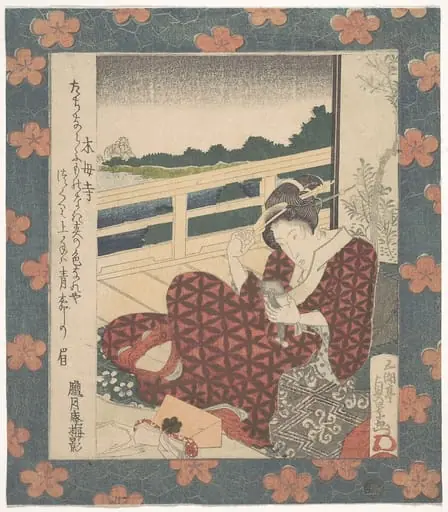 Untitled
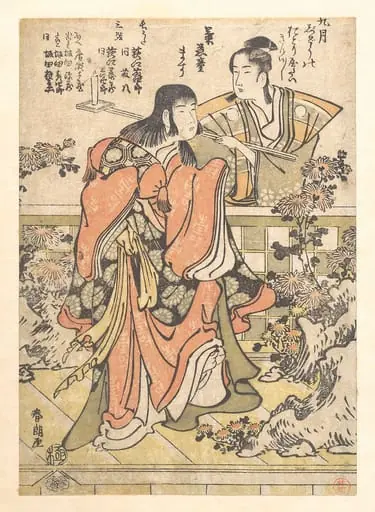 Untitled
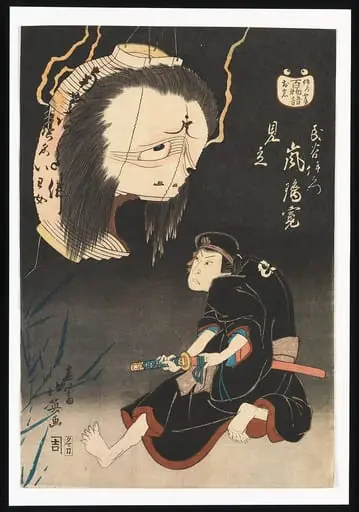 春江斎北英画 二代目嵐璃寛 見立 「百物語」|Kabuki Actor Arashi Rikan II as Iemon Confronted by an Image of His Murdered Wife, Oiwa, on a Broken Lantern, Referring to Katsushika Hokusai’s Hyaku monogatari (One Hundred Ghost Stories)
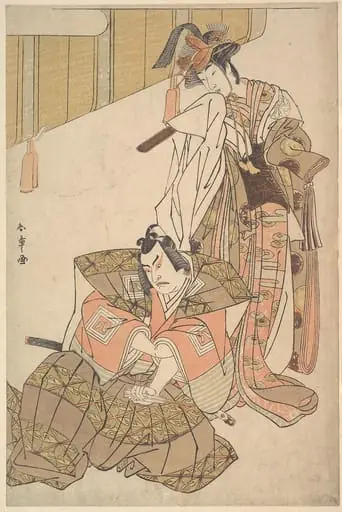 Untitled
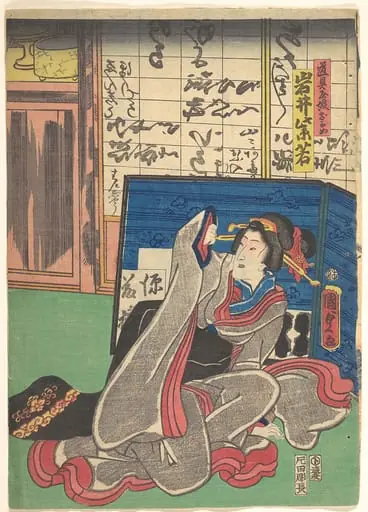 岩井紫若(二代目)の道具屋娘おかめ|Iwai Shijaku II as Okame, the Daughter of a Furniture Store
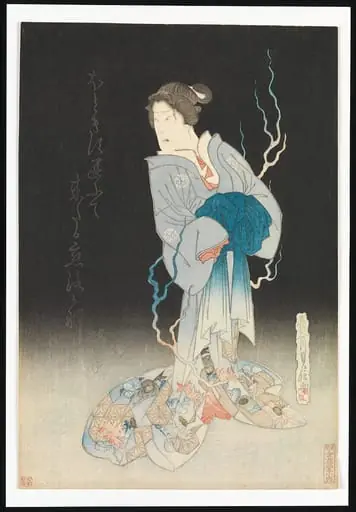 長谷川貞信画 三代目尾上菊五郎|Kabuki Actor Onoe Kikugorō III as the Spirit of the Courtesan Yonakishii
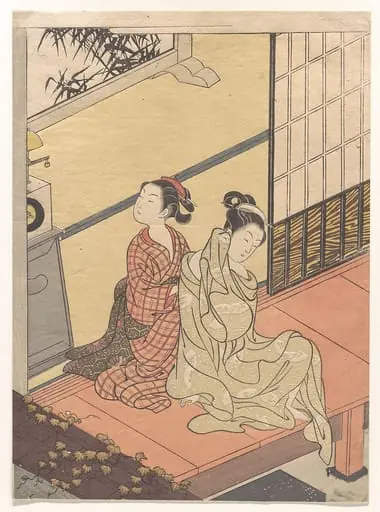 鈴木春信画 坐鋪八景 とけひの晩鐘|Evening Chime of the Clock (Tokei no banshō), from the series “Eight Parlor Views” (Zashiki hakkei)
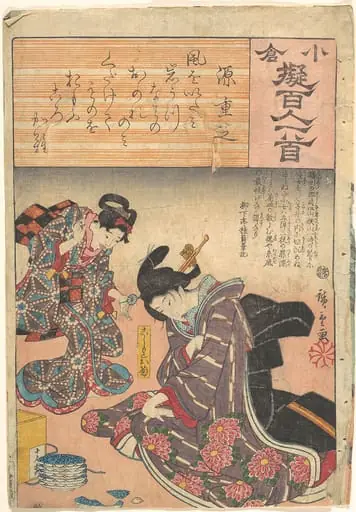 Untitled
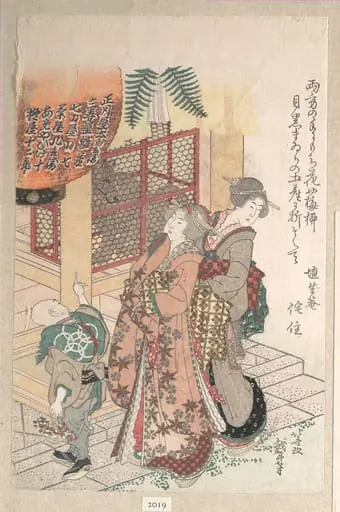 初詣|Young Women Visiting a Shinto Shrine