Artwork
Untitled
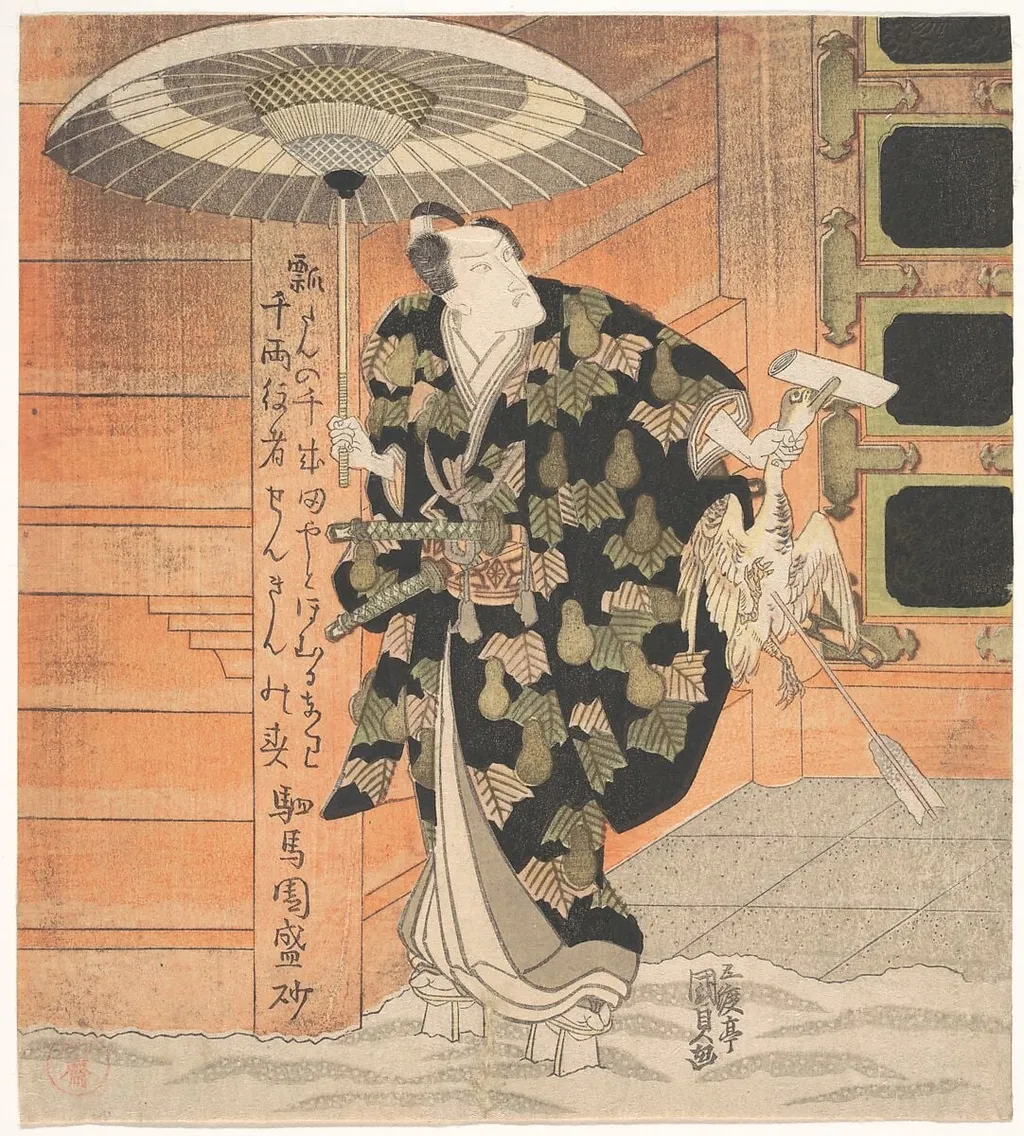
Untitled is an ink print by the Romanticist artist Utagawa Kunisada. It dates from 1819 and is held in the collection of the Metropolitan Museum of Art. This woodblock print, dated 1819, is a surimono—a privately commissioned print often produced for special occasions.
About this work
Overview
This woodblock print, dated 1819, is a surimono—a privately commissioned print often produced for special occasions. Attributed to Utagawa Kunisada, it features a solitary figure against a vivid red background. The work combines ink and color on paper, reflecting the refined aesthetic of early 19th-century Japanese printmaking. It is part of the collection at The Metropolitan Museum of Art.
Subject & Meaning
The duck, a symbol of fidelity in Japanese culture, and the seasonal imagery of pears may allude to autumn or a private ritual.
A man in a dark kimono, adorned with leaf and pear motifs, holds a white duck and a black-handled parasol. His turned head and solemn expression suggest contemplation. The duck, a symbol of fidelity in Japanese culture, and the seasonal imagery of pears may allude to autumn or a private ritual. The Japanese text on the wall likely contains a poetic inscription, common in surimono, adding layers of literary meaning.
Technique & Style
The print employs fine linework and layered color to render intricate textile patterns and delicate textures. The kimono’s detailed foliage and fruit are printed with precision, while the duck’s feathers and the parasol’s surface show subtle gradations. The red background contrasts sharply with the muted tones of the figure, drawing focus to his form. Surimono prints like this were often produced in small editions using high-quality materials and meticulous carving.
History & Provenance
Created in 1819, this surimono was likely commissioned by a member of the literati or a wealthy patron for seasonal celebration or personal use. It entered the collection of The Metropolitan Museum of Art through documented acquisition, though its early ownership history remains unclear. As a privately circulated print, it was not widely distributed, contributing to its rarity among Kunisada’s surviving works.
Context
During the early 1800s, surimono flourished as an elite art form, distinct from mass-produced ukiyo-e. They often paired poetry with imagery, appealing to cultured audiences. Kunisada, primarily known for actor prints, occasionally produced such refined works for select patrons. This piece reflects the intersection of visual art, literary culture, and seasonal symbolism in Edo-period Japan.
Legacy
Though not among Kunisada’s most widely recognized works, this print exemplifies the sophistication of surimono production. It preserves the quiet elegance and symbolic depth favored by Edo’s literati. Today, it serves as a testament to the diversity within Japanese printmaking, illustrating how even private commissions contributed to the broader artistic landscape of the period.
Artist & collection
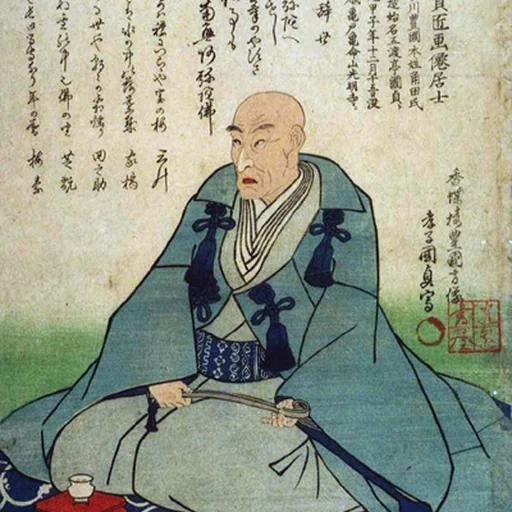

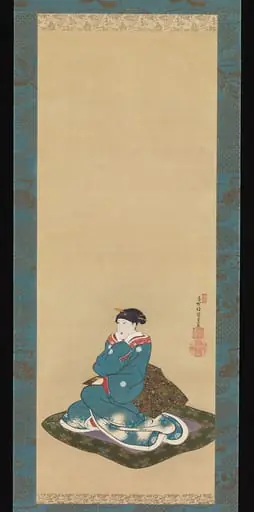 二代目岩井粂三郎の肖像|Portrait of Iwai Kumesaburō II
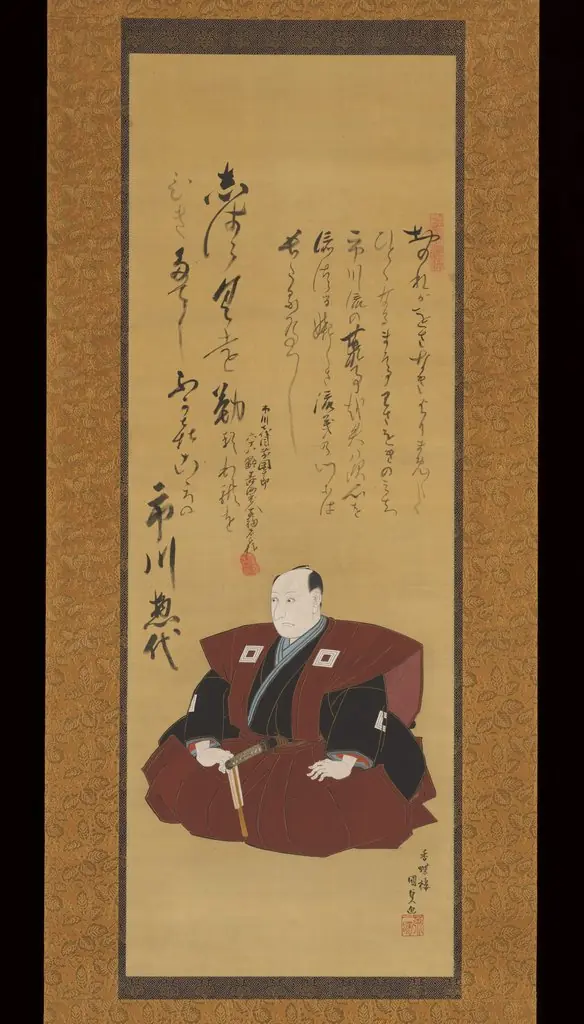 Memorial Portrait of the Actor Ichikawa Ōmezō I
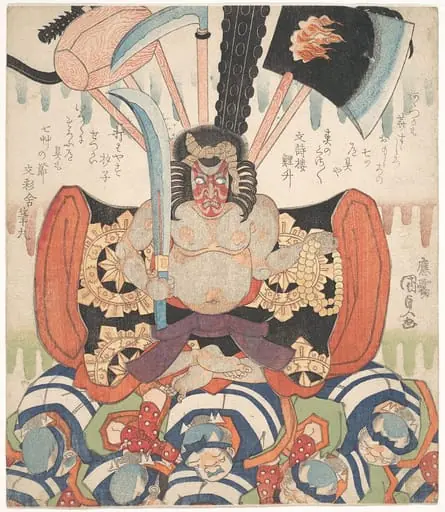 Untitled
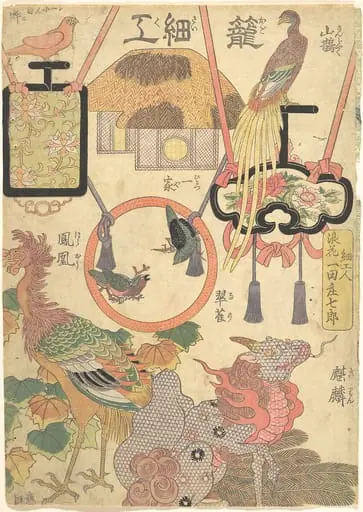 「籠細工 浪花細工人一田庄七郎」|Basketry Work: By the Craftsman Ichida Shōshichirō of Naniwa (Kagosaiku Naniwa saikujin Ichida Shōshichirō)
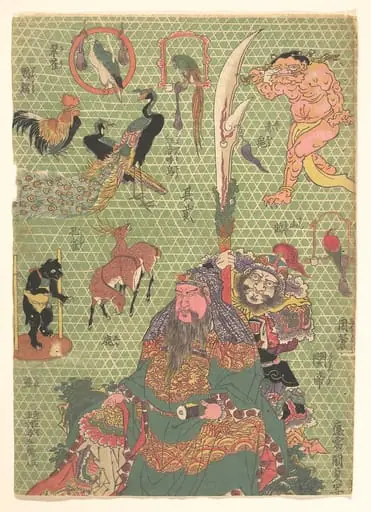 歌川国貞画 「籠細工 浪花細工人 一田庄七郎」|Basketry Work: By the Craftsman Ichida Shōshichirō of Naniwa (Kagozaiku Naniwa saikunin Ichida Shōshichirō)
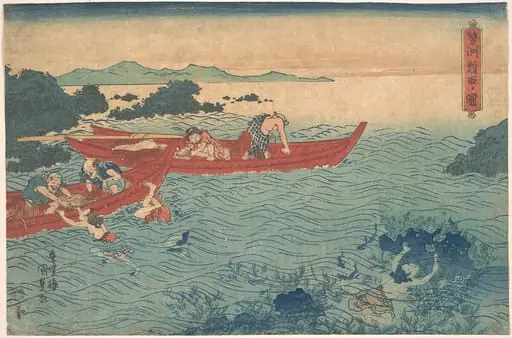 Untitled
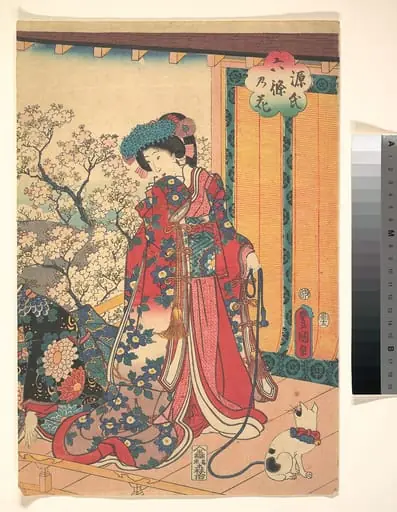 Untitled
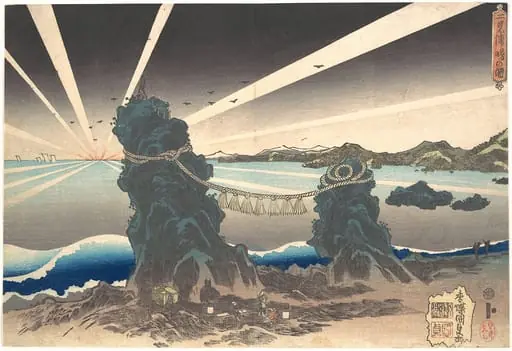 Futami-ga-ura akebono-no kuni|Futami-ga-ura Rocks at Ise, Land of Dawn
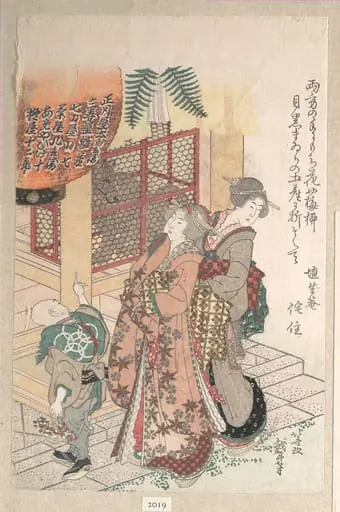 初詣|Young Women Visiting a Shinto Shrine
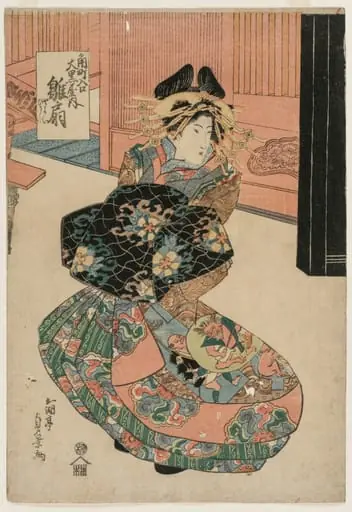 The Courtesan Hinaogi of the Daikokuya at the Entrance of Kadomachi
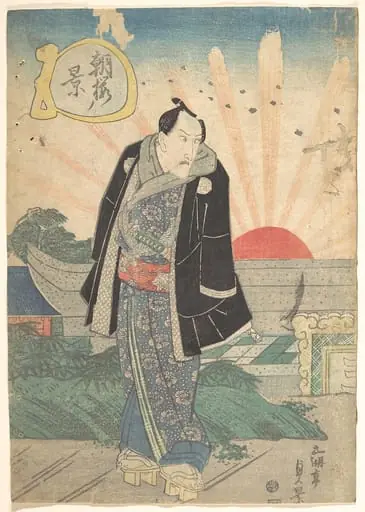 Untitled
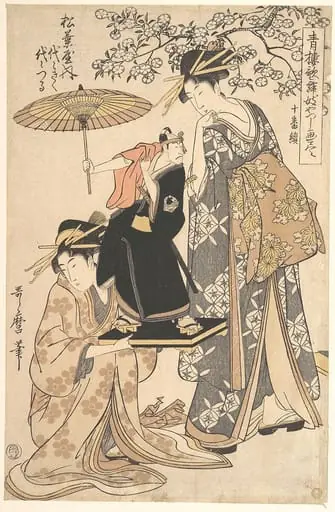 青楼歌舞妓やつし画尽 十番続|The Oiran Yoyogiku of Matsubaya Standing under a Cherry Tree
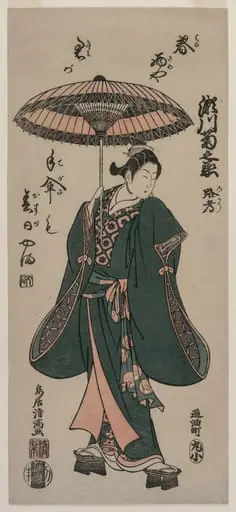 Segawa Kikunojo (Roko) Holding an Umbrella
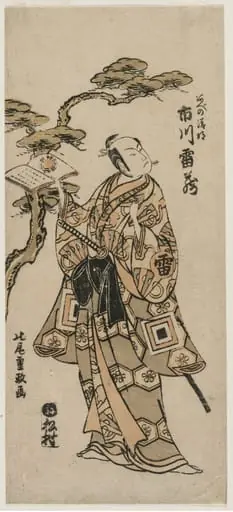 Ichikawa Raizo as Abe no Seimei
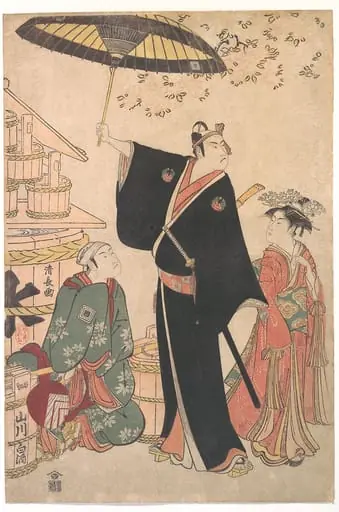 Untitled
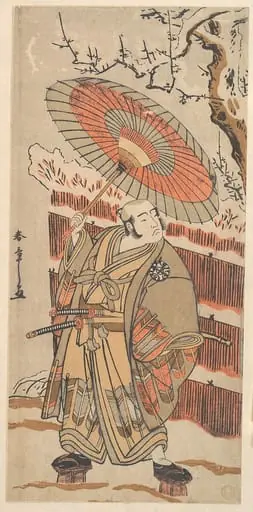 勝川春章画 二代目中村傳九郎|Kabuki Actor Nakamura Denkurō II
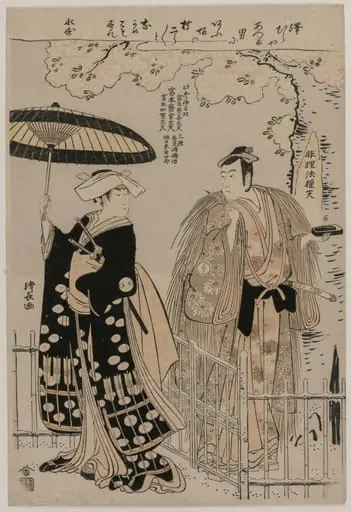 Sawamura Sojuro III and Arashi Murajiro as Kusunoki Masatsura and Koto no Naishi
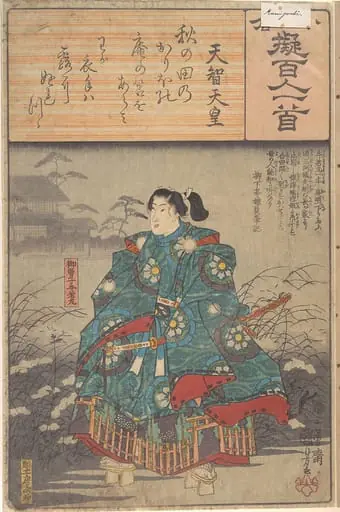 小倉擬百人一首|Album of Eighty-eight Prints from the series Ogura Imitations of One Hundred Poems by One Hundred Poets (Ogura nazorae hyakunin isshu)
 Untitled
 Untitled