Artwork
Field Sparrow
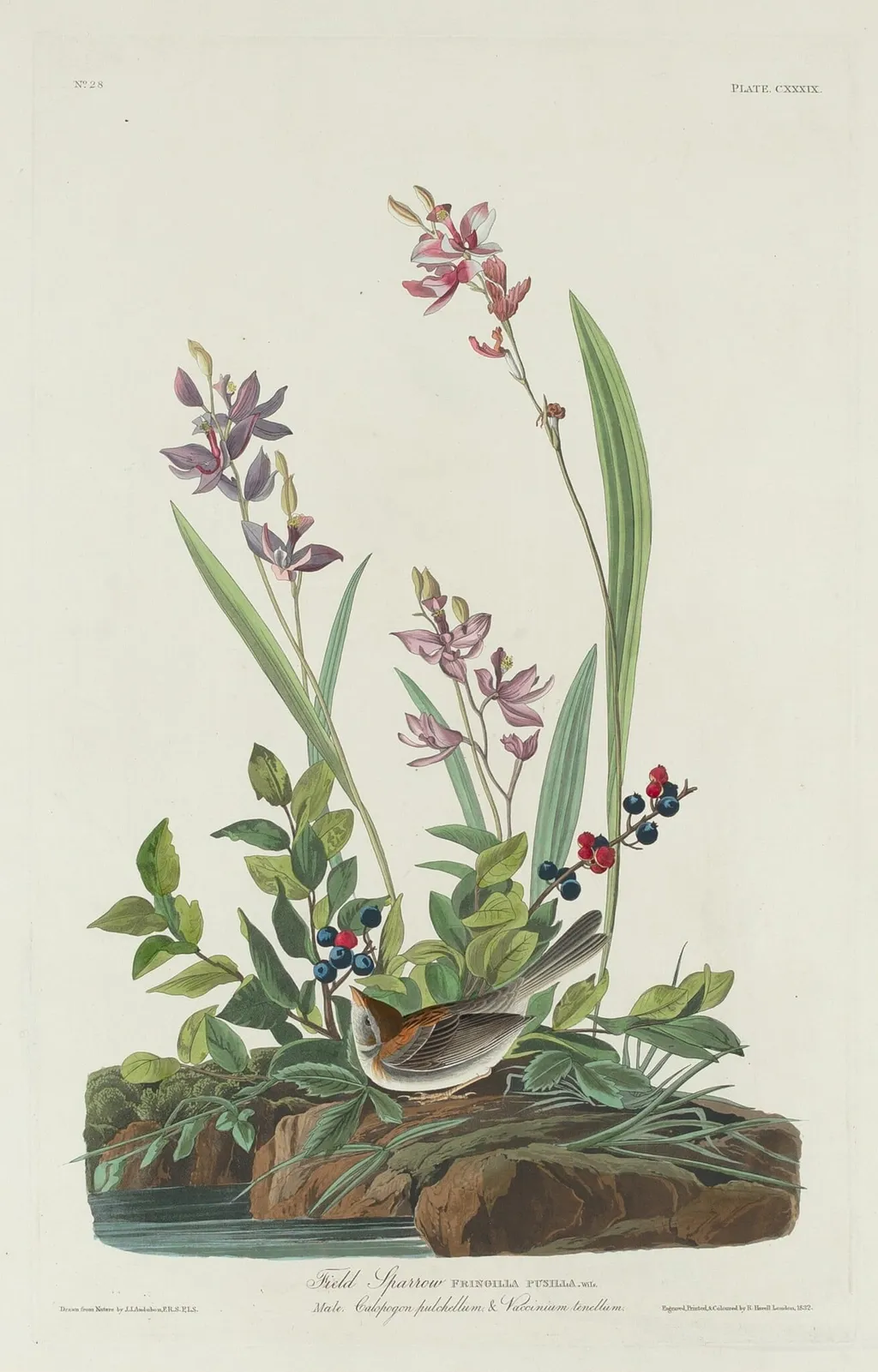
Field Sparrow is an ink print by the Romanticist artist Robert Havell Jr.. It dates from 1832 and is held in the collection of the National Gallery of Art.
About this work
Overview
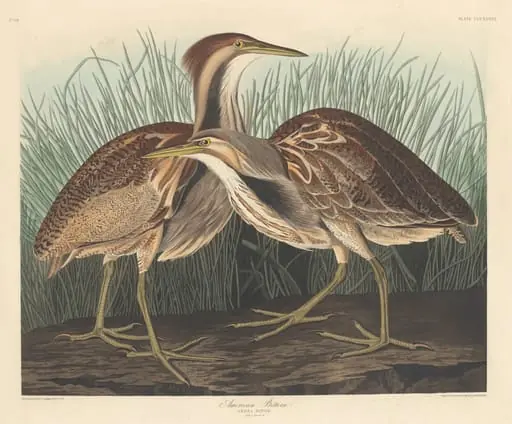
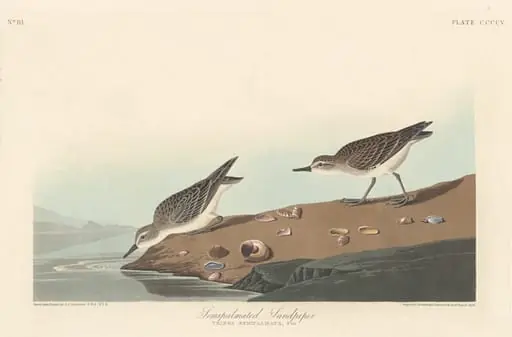
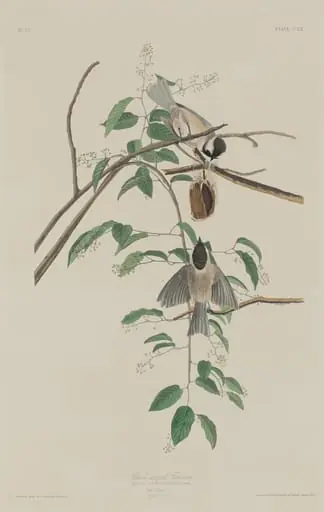
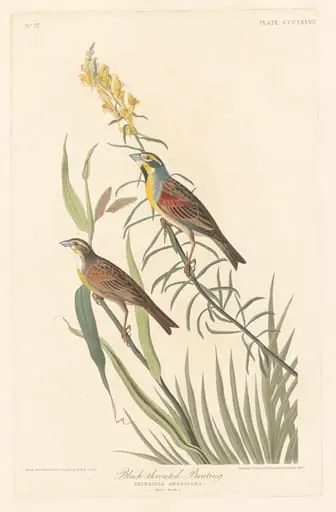
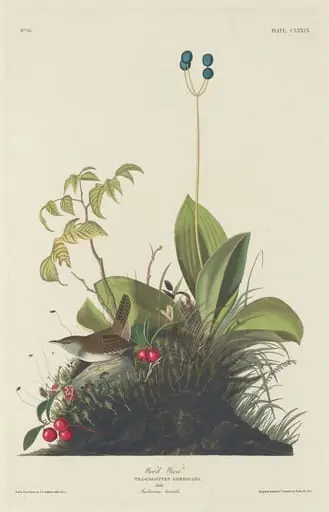
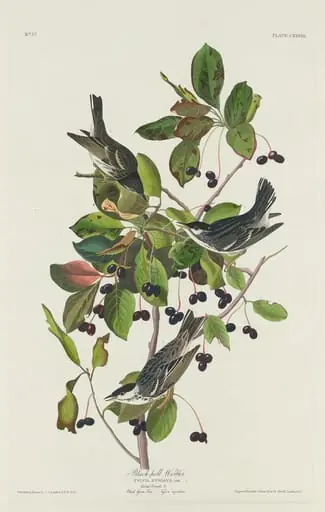
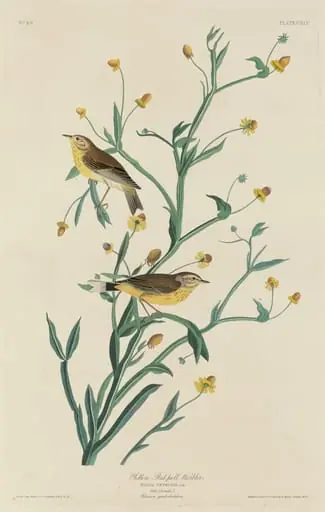
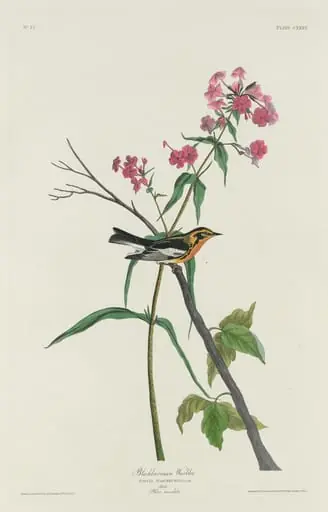
Created in 1832, Field Sparrow is a hand‑colored print that combines engraving with aquatint on fine Whatman wove paper. The work was produced by Robert Havell Jr., a member of a long‑standing family of British printmakers. It presents a delicately rendered bird amid a lush setting of foliage and blossoms, exemplifying the detailed natural studies popular in the early nineteenth century.
Subject & Meaning
The image portrays a small sparrow perched on a branch, surrounded by vivid flowers of purple, pink and red, and interspersed with green leaves and a gently flowing stream. The composition emphasizes the quiet observation of nature, inviting viewers to notice the subtle interplay of light, texture and colour in a seemingly ordinary garden scene.
Technique & Style
Havell employed aquatint, a process that uses an acid‑resistant resin to produce smooth tonal gradations on a metal plate, alongside traditional engraving lines. After printing, the work was hand‑colored, allowing precise control of hue and shading. The use of Whatman wove paper provides a uniform surface that enhances the fine dots and lines characteristic of the artist’s meticulous approach.
History & Provenance
Robert Havell Jr. inherited a printmaking tradition established by his father, Robert Havell the Elder, and continued the family’s engagement with both European and Indian artistic influences. Field Sparrow reflects the Havell workshop’s reputation for high‑quality natural history illustrations, which were widely circulated among collectors and scientific societies in the 1830s.
Artist & collection

Artist
The Havell family of Reading, Berkshire, England, included a number of notable engravers, etchers and painters, as well as writers, publishers, educators, and musicians.