Artwork
Gamekeepers Cottage (The Warren House), Cuxton Valley
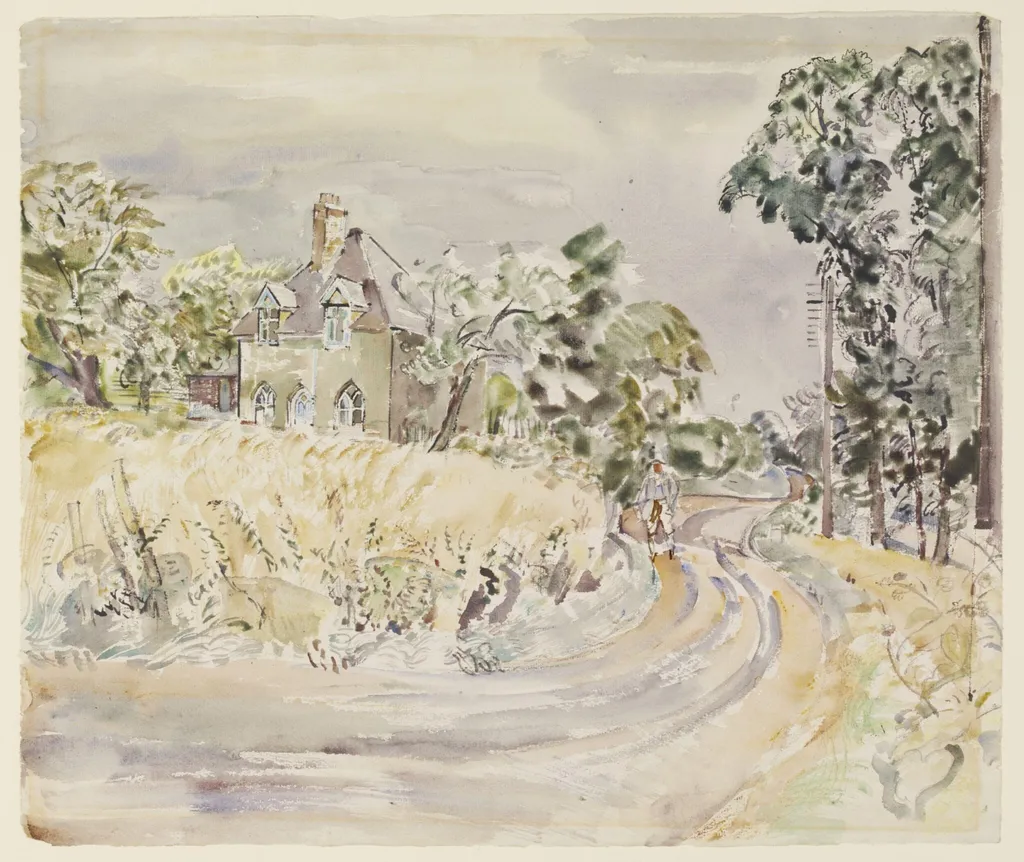
Gamekeepers Cottage (The Warren House), Cuxton Valley is a watercolor work on paper by Hennell. It dates from 1940 and is held in the collection of the Victoria and Albert Museum.
About this work
Overview
Painted in 1940 by Hennell, this watercolour captures a modest cottage in Cuxton Valley, Kent.
Painted in 1940 by Hennell, this watercolour captures a modest cottage in Cuxton Valley, Kent. Executed in delicate washes, the work belongs to the Recording Britain project, a government-backed effort to visually archive rural architecture during wartime. The scene reflects a quiet, unassuming corner of the English countryside, preserved as part of a broader initiative to safeguard cultural memory amid national uncertainty.
Subject & Meaning
The cottage, known locally as The Warren House, stands at the end of a winding path, its presence softened by surrounding vegetation. A solitary figure walks along the trail, carrying a burden, suggesting daily rural life. The composition avoids drama, instead emphasizing stillness and solitude. The subject is not monumental but ordinary—valued here for its quiet endurance and representation of a vanishing way of life.
Technique & Style
Hennell employed loose, fluid brushwork to suggest form rather than define it. Washes of muted greens, browns, and ochres create a subdued palette, with subtle highlights indicating patches of sunlight. The architecture is rendered with minimal detail—arched windows and a chimney implied rather than meticulously outlined. The technique conveys atmosphere over precision, aligning with the project’s aim to evoke mood rather than document architecture with scientific accuracy.
History & Provenance
Created in 1940, the painting was commissioned as part of the Recording Britain initiative, funded by the Pilgrim Trust and overseen by Sir Kenneth Clark. The project enlisted artists to record vulnerable landscapes and buildings threatened by war or modernization. This watercolour entered the Victoria and Albert Museum’s collection as part of the archive, where it remains as a testament to the program’s mission of cultural preservation during a time of national upheaval.
Context
During the early years of World War II, fears of aerial bombardment and societal disruption prompted efforts to document Britain’s physical heritage. Artists were employed to capture rural scenes, historic structures, and everyday landscapes before they could be lost. Hennell’s work reflects this urgency—not through grandeur, but through attentive observation of humble, overlooked places that embodied national identity.
Legacy
The Recording Britain collection endures as a significant visual archive of mid-20th-century Britain. Hennell’s watercolour contributes to this record not as a celebrated work, but as a quiet, authentic witness to a specific time and place. Its value lies in its restraint and sincerity, offering future generations a glimpse into the texture of rural life during a period of profound change.
Artist & collection
Artist
The Hennell family is a family of prominent silver-smiths and writers in Southern England.

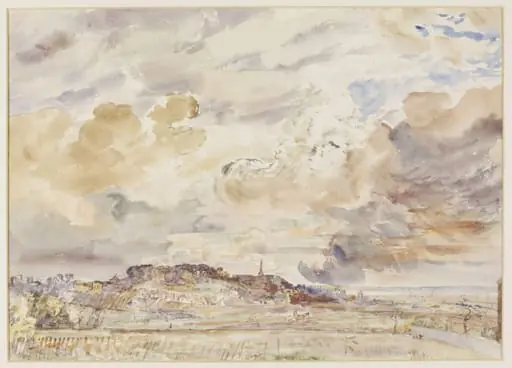 Gadshill, from the Three Crutches on the Gravesend - Rochester Road
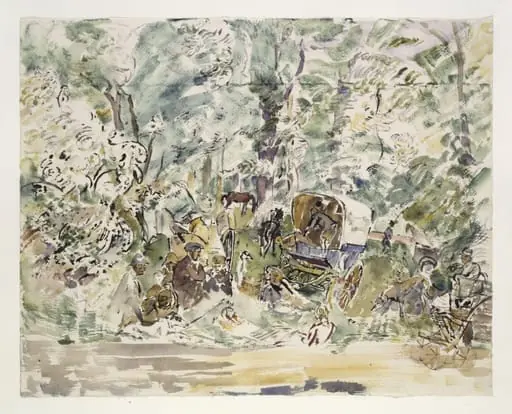 Gipsy Encampment
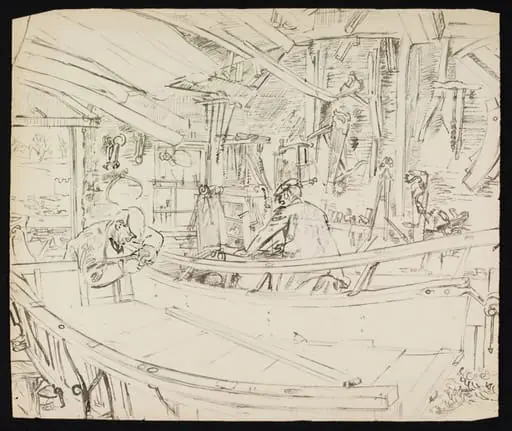 Building a Wiltshire Waggon near Longleat (April 1941)
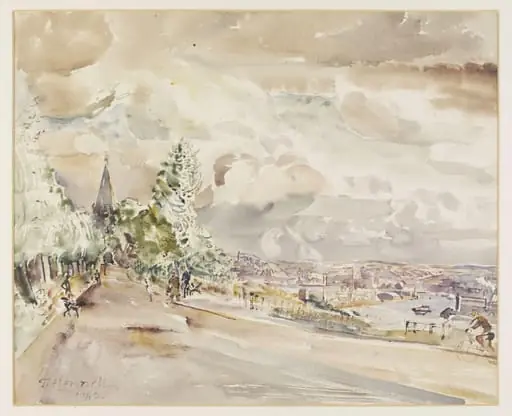 View of the Medway and part of Chatham from Frindsbury
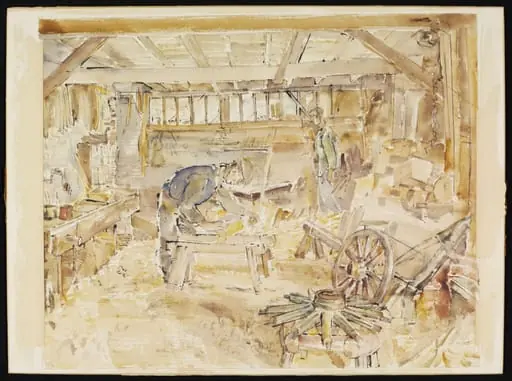 Wheelwrights at work in Mr. J. W. Brunt's Shop, Newington
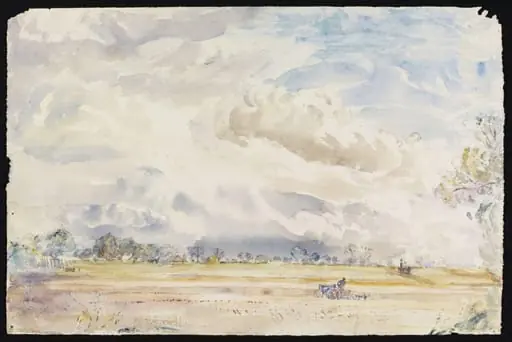 A view at Ridley
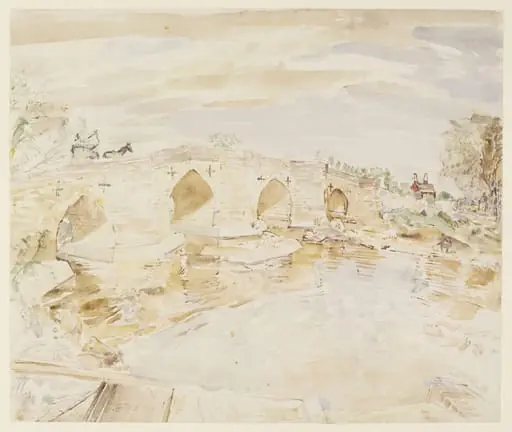 Yalding Bridge
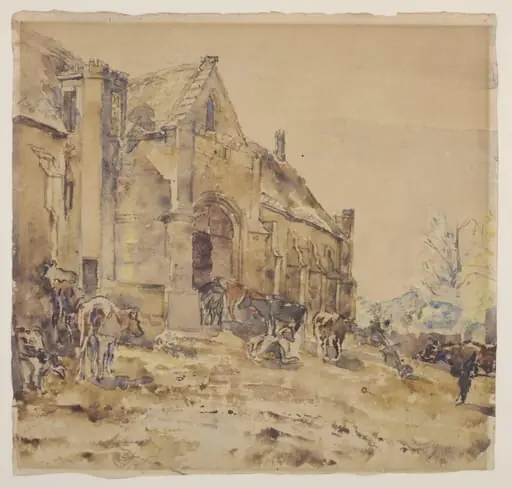 Tithe Barn, Abbotsbury
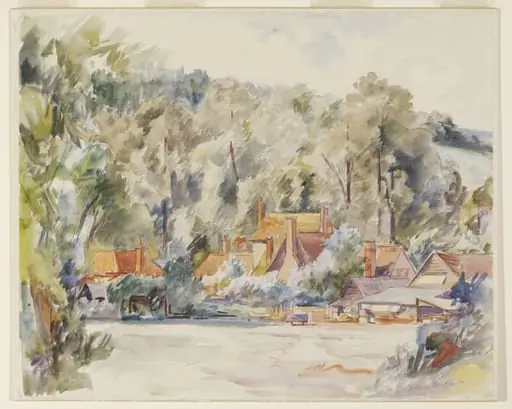 The Chequers Inn, Fingest
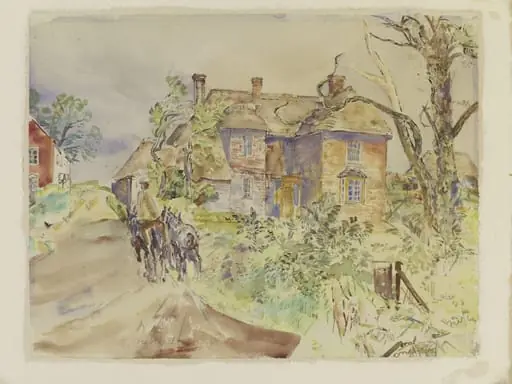 Waddock Farm, Clyffe, Nr. Dorchester
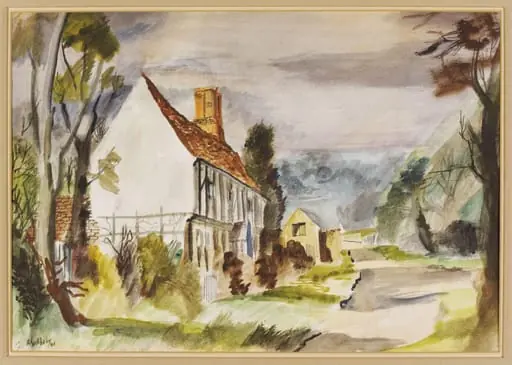 Old House at Bulmer
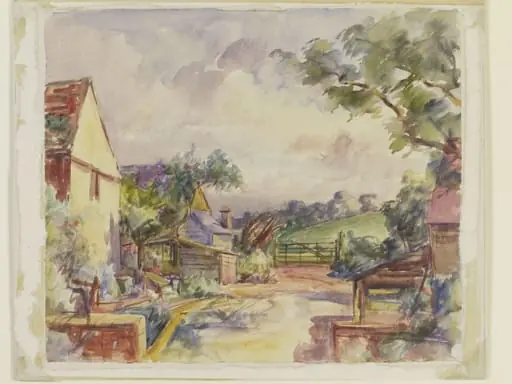 Glebe Farm, Fingest
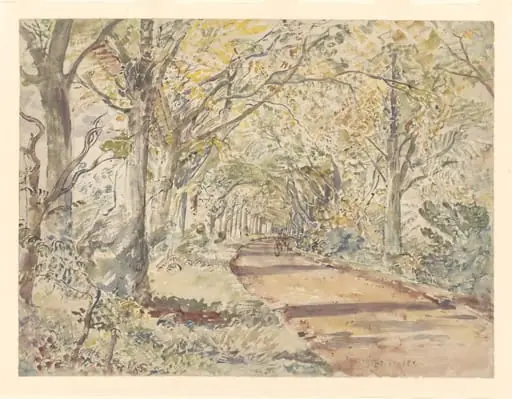 The Beech Avenue, Lasham, Hampshire
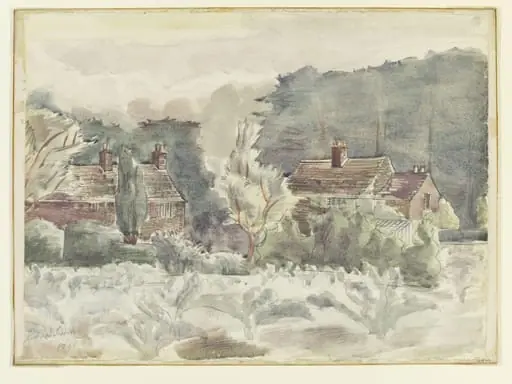 Cottages at Norton, No.5
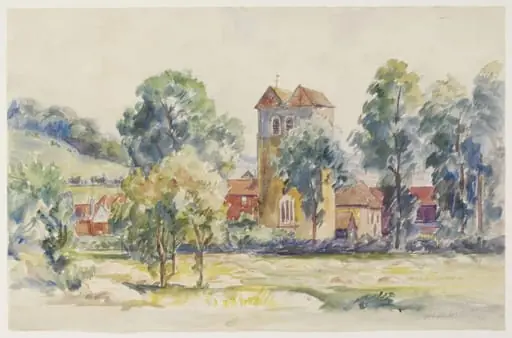 St. Bartholomew's Church, Fingest
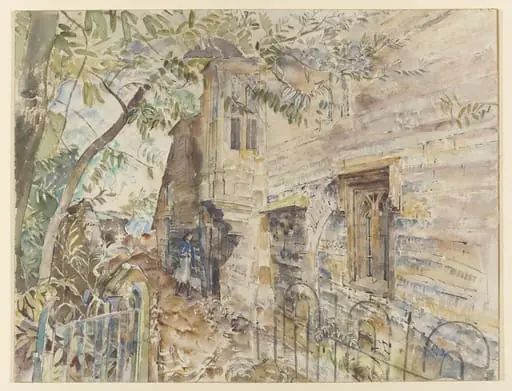 The Guest House, Cerne Abbas
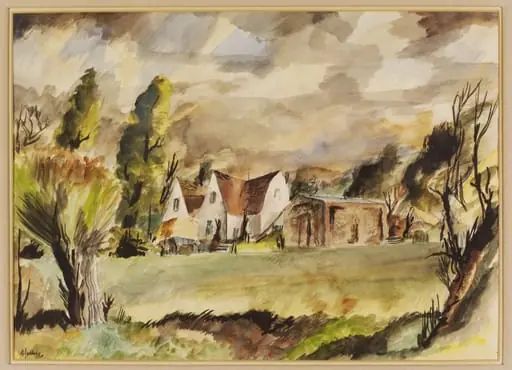 Farm at Bulmer Tye
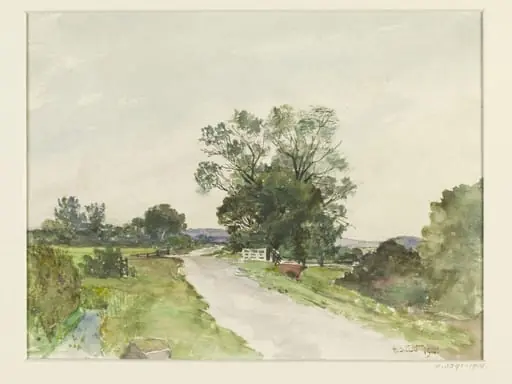 Landscape with road in flat country
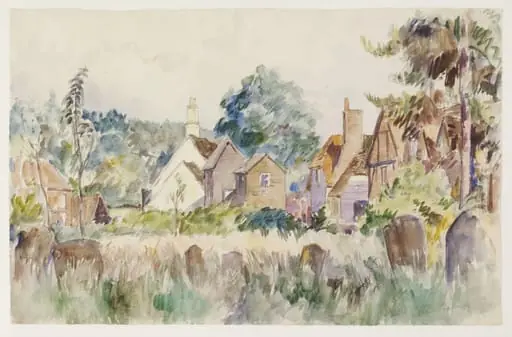 Princes Farm, Fingest
 Old Fernhurst Church