Artwork
Harvests: The Pillage
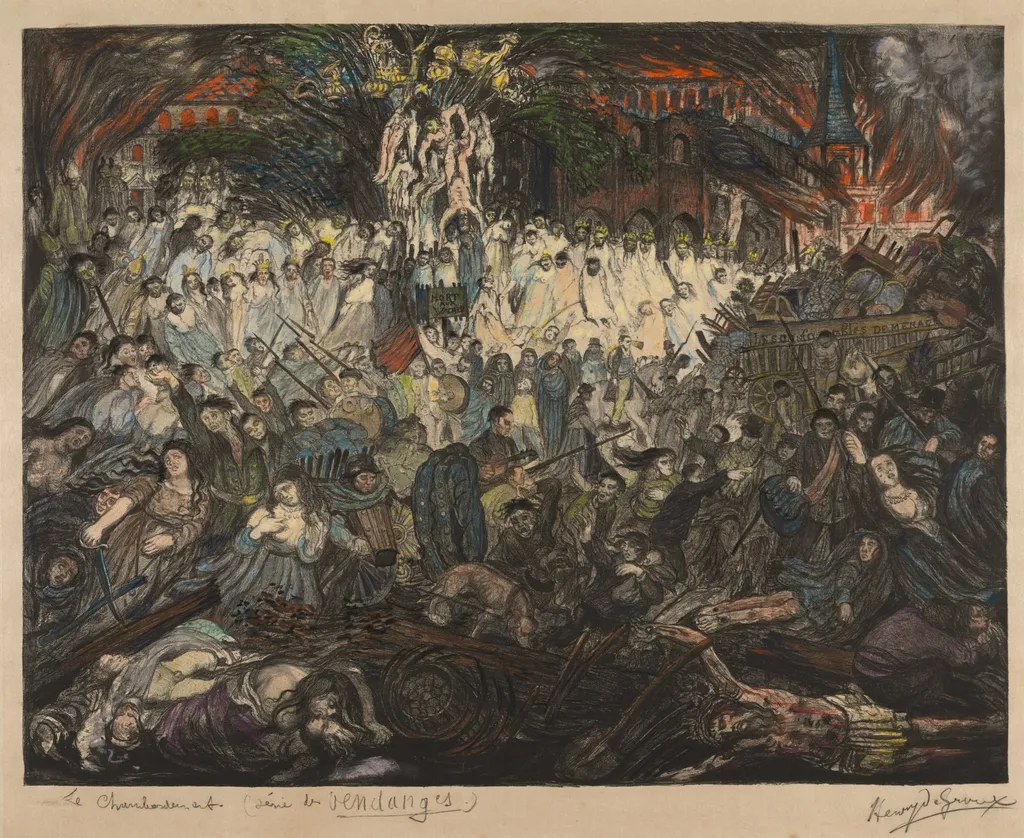
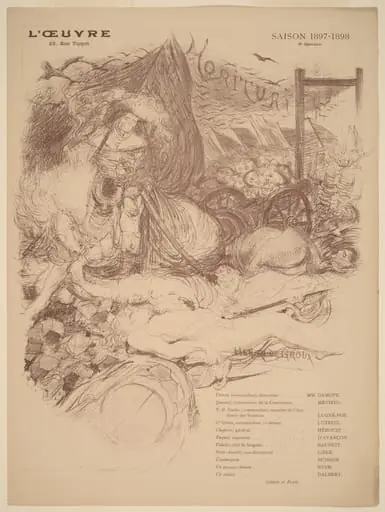
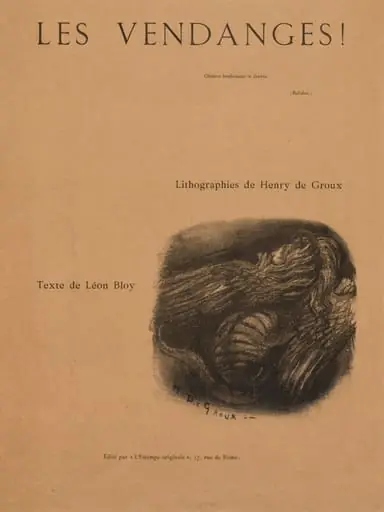
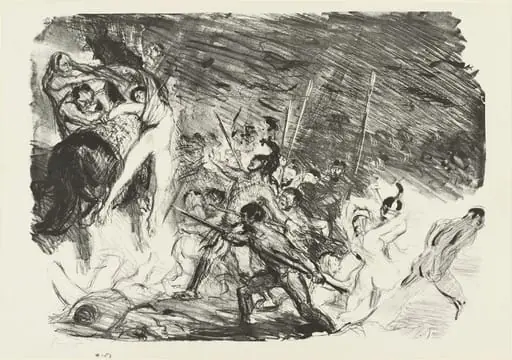
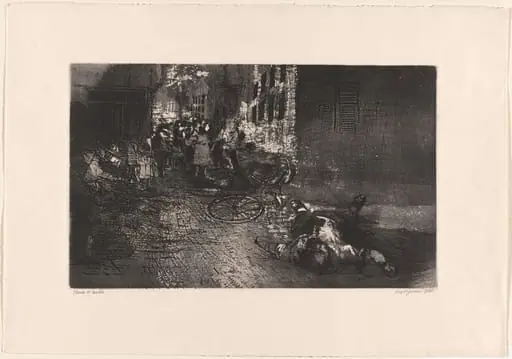
Harvests: The Pillage is a print by the Impressionist artist Henri de Groux. It dates from 1894 and is held in the collection of the Cleveland Museum of Art.
About this work
Overview
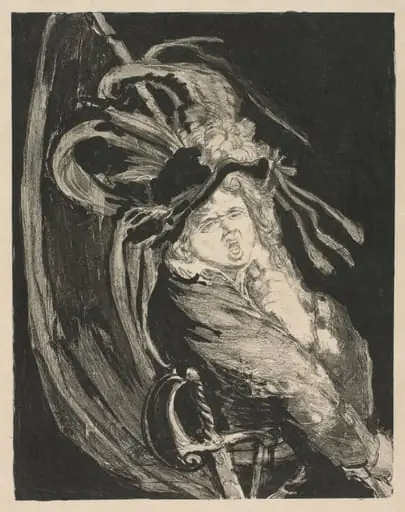
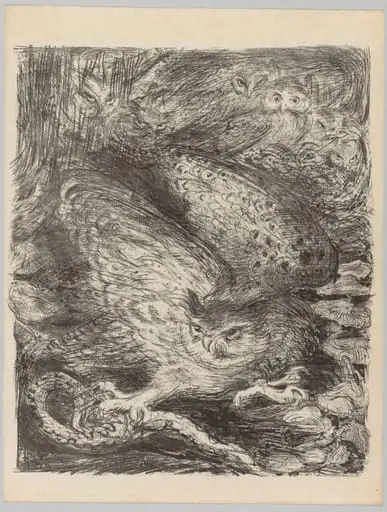
Created around 1894, *Harvests: The Pillage* is a lithograph that captures a moment of communal upheaval.
Henri de Groux, a Belgian artist active in the late 19th century, worked across painting, sculpture, and printmaking, aligning with Symbolist ideals that prioritized emotion over realism. Created around 1894, *Harvests: The Pillage* is a lithograph that captures a moment of communal upheaval. It resides in the Cleveland Museum of Art’s collection, reflecting Groux’s engagement with social tension through expressive visual language rather than narrative clarity.
Subject & Meaning
The scene depicts a crowded, chaotic gathering in which figures are shown in violent motion—some falling, others raising arms or clutching objects. The title suggests a violent appropriation of resources, possibly alluding to rural unrest or class conflict. No clear hero or villain emerges; instead, the composition conveys collective frenzy, aligning with Symbolist interests in psychological and moral ambiguity over literal storytelling.
Technique & Style
Groux employed bold, rapid linework and stark contrasts of light and shadow to generate urgency. The use of thick, uneven strokes and saturated hues—deep reds, electric blues, and acidic yellows—creates a sense of disarray. The rough texture and lack of refined detail emphasize emotional intensity over physical accuracy, characteristic of Symbolist printmaking that favored mood over realism.
History & Provenance
Produced during Groux’s time in Paris, the work emerged after his early success with *Christ Attacked by a Mob*, which established his reputation among avant-garde circles. Though little is documented about its initial exhibition, the print entered the Cleveland Museum of Art’s collection in the 20th century, where it remains as part of a broader effort to preserve Symbolist graphic works from the fin de siècle period.
Context
In the 1890s, Europe witnessed rising labor unrest and agrarian discontent, themes that resonated with Symbolist artists seeking to express inner turmoil through external chaos. Groux’s work reflects this climate, drawing from literary and philosophical currents that questioned progress and order. Unlike realist depictions of rural life, his imagery distorts reality to evoke psychological and spiritual unease.
Legacy
Though less widely known than contemporaries like Munch or Redon, Groux’s prints contributed to the expansion of Symbolist visual vocabulary in print media. *Harvests: The Pillage* exemplifies how lithography could convey emotional gravity through abstraction and texture. Its preservation in major institutions ensures its role in understanding the darker, more turbulent strands of late 19th-century European art.
Artist & collection
Artist
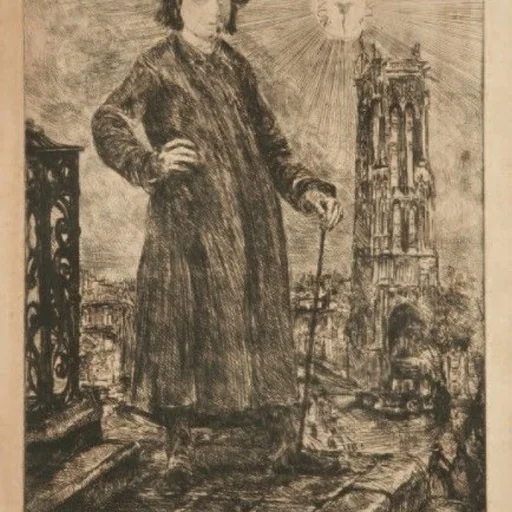
Henry de Groux (15 September 1866 – 12 January 1930) was a Belgian Symbolist painter, sculptor and lithographer.

![Street Fight [recto], by George Bellows](https://artifactworldgallery.com/img/george-bellows--street-fight-recto--f42415a53dfd457c-w320.webp)