Artwork
Blind Homer
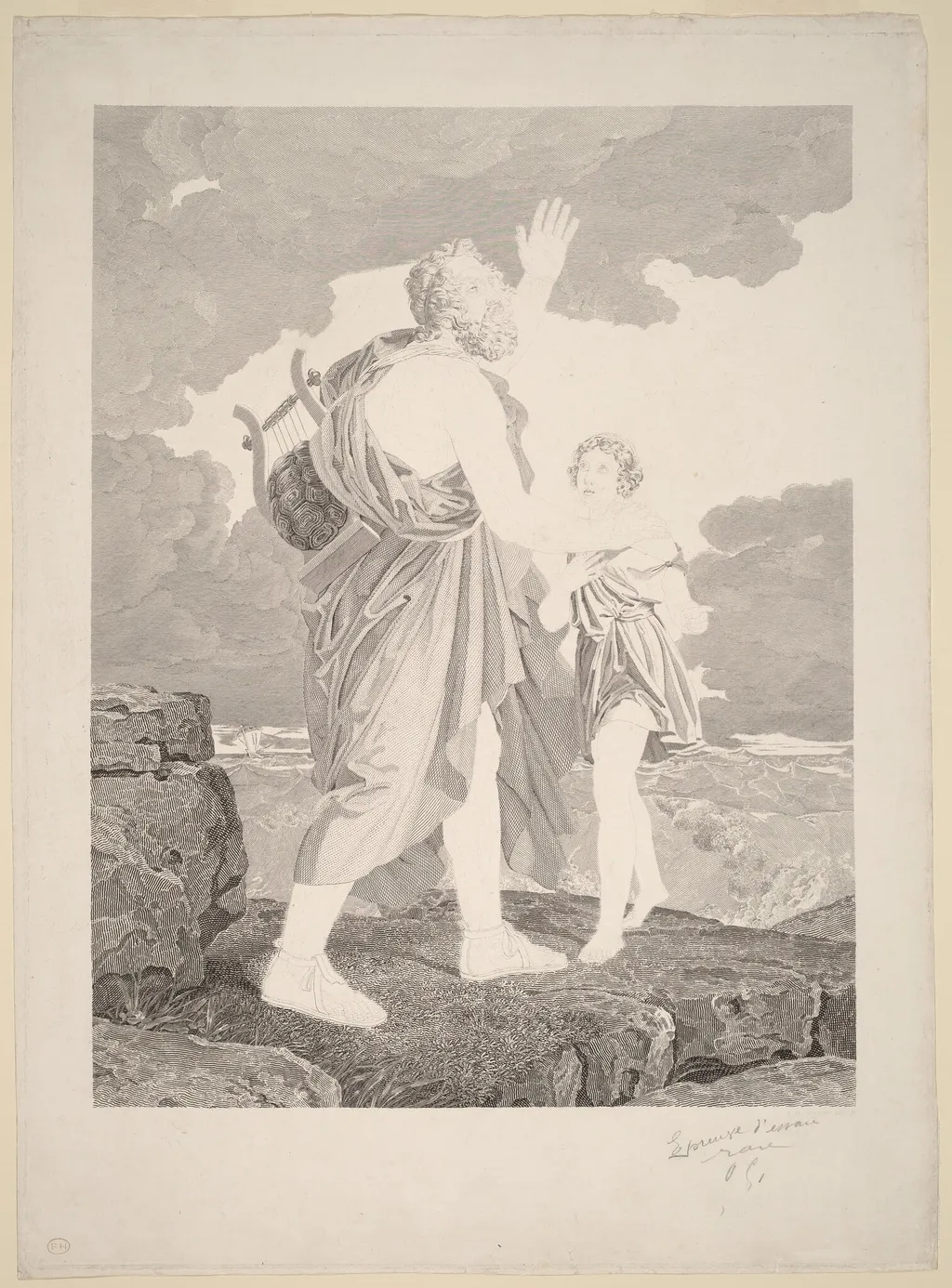
Blind Homer is an ink print by the Romanticist artist Jean-Baptiste-Raphael-Urbain Massard. It dates from 1816 and is held in the collection of the National Gallery of Art.
About this work
Overview
Jean‑Baptiste‑Raphael‑Urbain Massard produced an early 19th‑century print titled Blind Homer in 1816. Executed as an etching on laid paper, the work exists as a proof taken before the final engraving was pulled, offering a rare glimpse of the artist’s preparatory stage.
Subject & Meaning
The image portrays a solitary figure seated with a walking stick, his eyes closed and his expression serene. Dressed in antiquated attire, the man’s gentle countenance suggests a contemplative state, inviting viewers to consider themes of loss, memory, and the poetic tradition associated with the legendary poet Homer.
Technique & Style
Massard employed the etching process, incising lines into a metal plate with acid before transferring the design onto laid paper. The proof stage preserves delicate line work and tonal variations that would later be deepened in the final engraving, highlighting the artist’s skill in rendering texture and mood through subtle shading.
History & Provenance
Created in the post‑Napoleonic period, the print reflects the era’s renewed interest in classical subjects. While the exact ownership trail is unclear, the proof has been catalogued among Massard’s surviving works and is referenced in early 19th‑century print collections.
Context
Blind Homer belongs to a broader European fascination with the figure of Homer as a symbol of artistic inspiration despite physical impairment. The work aligns with Romantic-era explorations of the artist‑poet archetype, echoing contemporary literary and visual representations of the blind poet.
Legacy
As a proof, the piece offers scholars insight into Massard’s working methods and the evolution of printmaking techniques in the early 1800s. It remains a valuable reference for studies of etching practice and the visual culture surrounding classical mythology.
Artist & collection

Artist
Jean-Baptiste-Raphael-Urbain Massard
Jean-Baptiste-Raphael-Urbain Massard (1816–1816) was an artist.

 Joseph of Arimathea Among the Rocks of Albion
 Retiring Wounded from Battle
 Saint Jerome
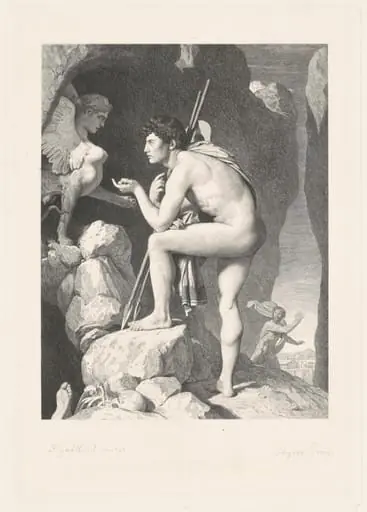 Oedipus (Oedipe)
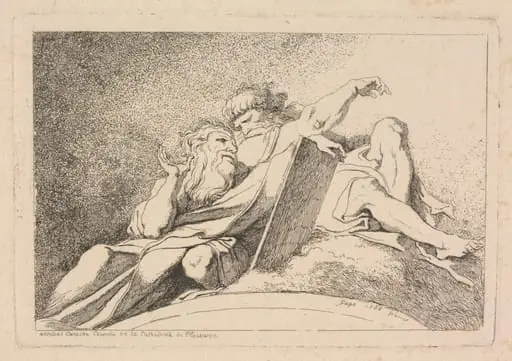 The Two Prophets
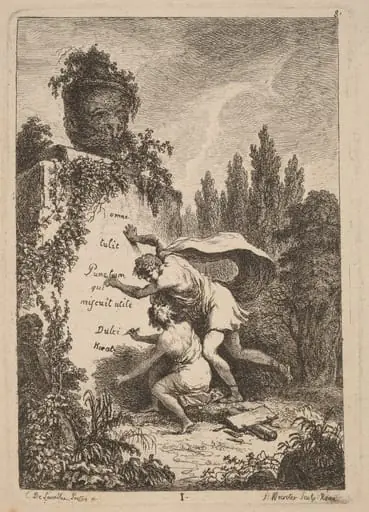 Nella Venuta in Roma: pl. 1
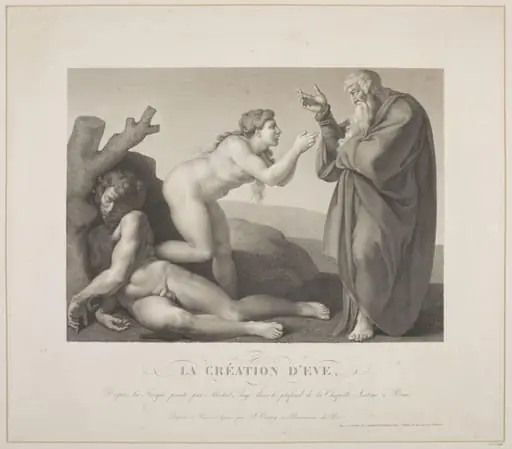 The Creation of Eve
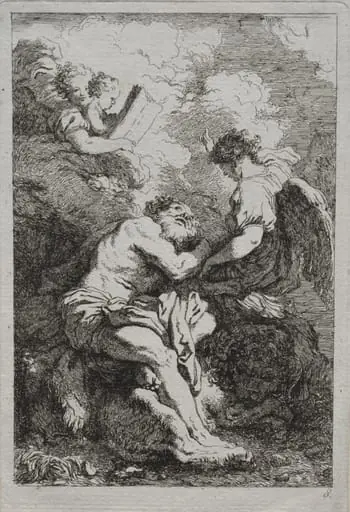 Saint Jerome
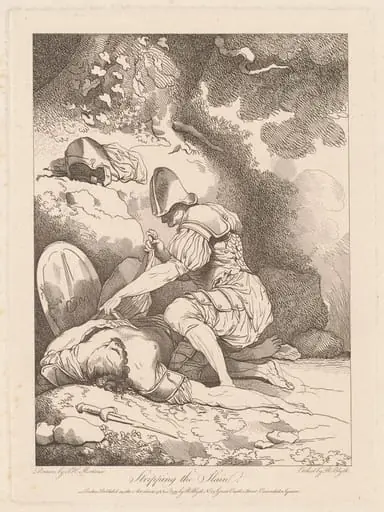 Stripping the Slain
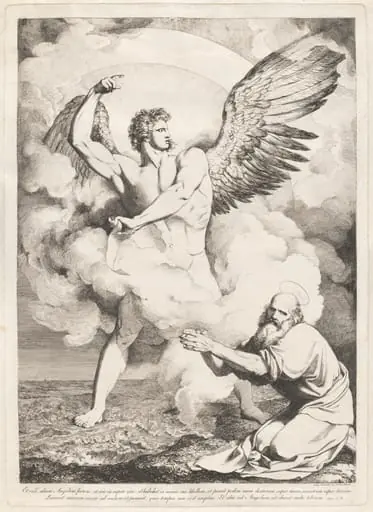 Et vidi alium angelum fortem... (The Angel of the Apocalypse Appearing to Saint John)
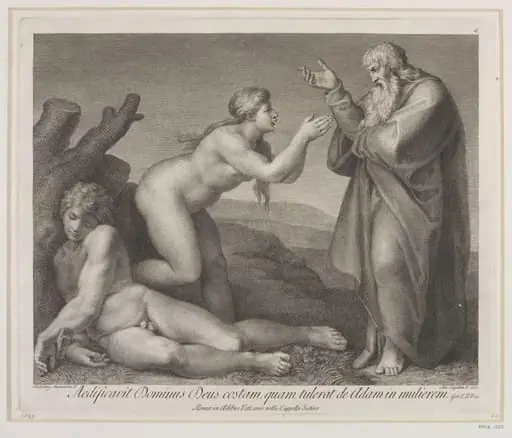 The Creation of Eve
 Killing an Enemy