Artwork
Dr. Gideon Harvey, Physician of Charles II and James II
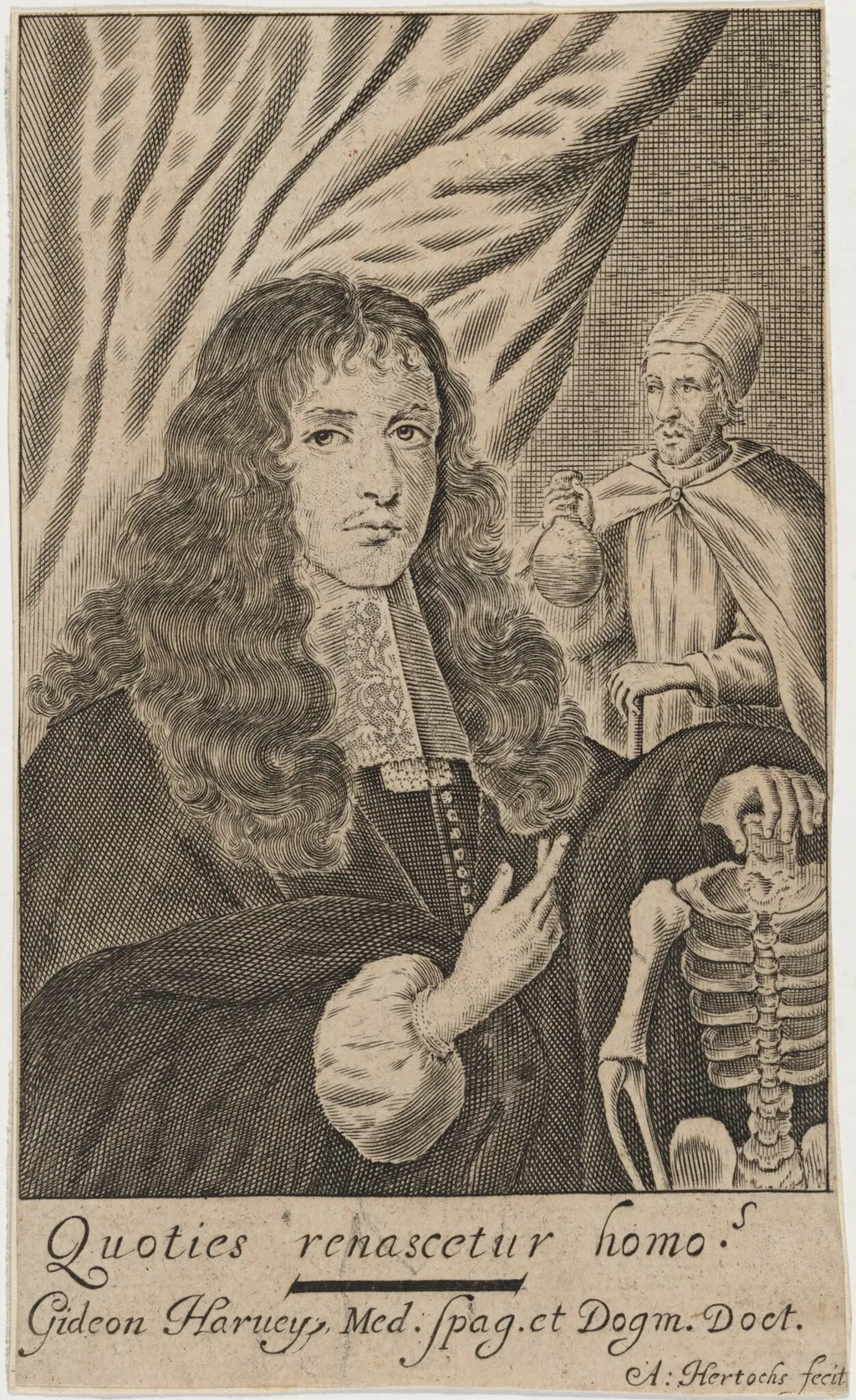
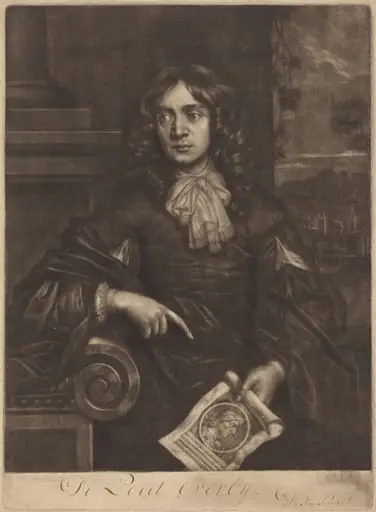
Dr. Gideon Harvey, Physician of Charles II and James II is an ink print by the Renaissance artist Abraham Hertochs. It dates from 1639 and is held in the collection of the National Gallery of Art. This engraving depicts Dr.
About this work
Overview
The work belongs to the tradition of portraiture used to document professional and social figures of the period.
This engraving depicts Dr. Gideon Harvey, a physician who served under Kings Charles II and James II of England. Created in 1639 by Abraham Hertochs, it is a printed image produced through the intaglio technique of engraving, in which lines are incised into a metal plate and inked to transfer the design onto paper. The work belongs to the tradition of portraiture used to document professional and social figures of the period.
Subject & Meaning
Dr. Harvey is portrayed in formal attire typical of 17th-century medical practitioners, conveying authority and scholarly status. His composed expression and dignified posture reflect the era’s idealization of the physician as a learned, responsible figure. The image serves not merely as a likeness but as a statement of professional identity, aligning Harvey with the intellectual and royal circles of his time.
Technique & Style
The portrait was executed using copperplate engraving, a method requiring precise hand-cut lines to create tonal variation and detail. Hertochs employed fine, controlled strokes to render fabric textures, facial features, and the subtle gradations of light and shadow. The style is restrained and linear, emphasizing clarity and structure over expressive flourish, consistent with the conventions of portrait engraving in mid-17th-century England.
History & Provenance
The engraving was produced during Harvey’s early career, before his appointment to the royal court. It likely served as a professional calling card or was commissioned by associates to circulate his image among medical and aristocratic networks. Its survival suggests continued interest in Harvey’s status, though specific early ownership records remain undocumented.
Context
In the 1630s, England’s medical profession was increasingly formalized, with physicians seeking to distinguish themselves from apothecaries and surgeons. Portraits like this reinforced their scholarly credentials. Engravings of notable figures were circulated among elites, functioning as both personal mementos and markers of social standing within a culture still reliant on print for image dissemination.
Legacy
The engraving remains one of the few visual records of Dr. Harvey, whose writings on medicine and court practice have survived more prominently than his image. As an example of early English medical portraiture, it offers insight into how professional identity was visually constructed before the rise of photography. It is now held in institutional collections as a historical artifact of medical and print culture.
Artist & collection