Artwork
Envy
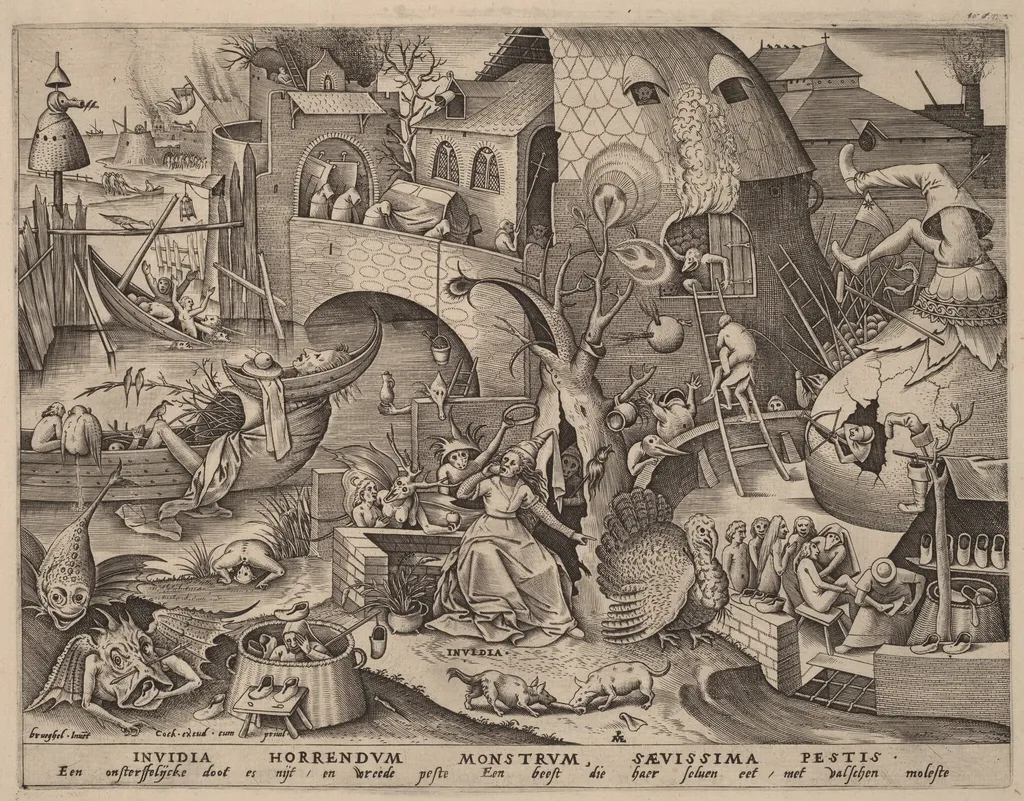
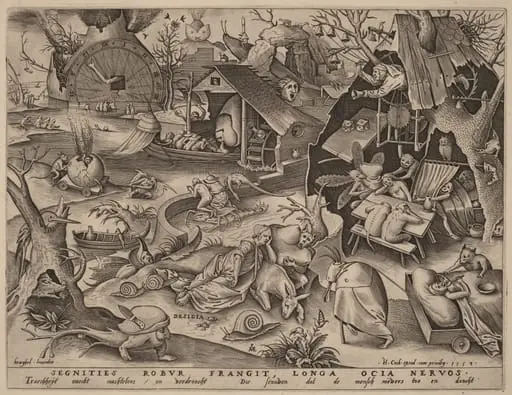
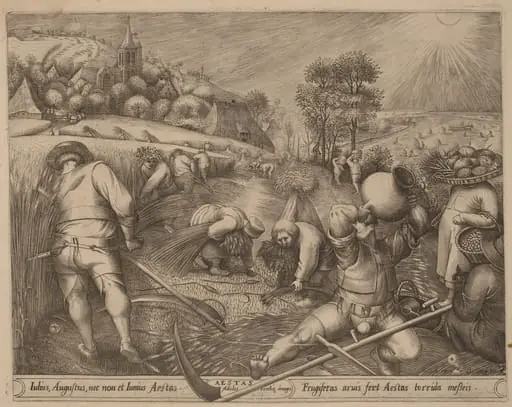
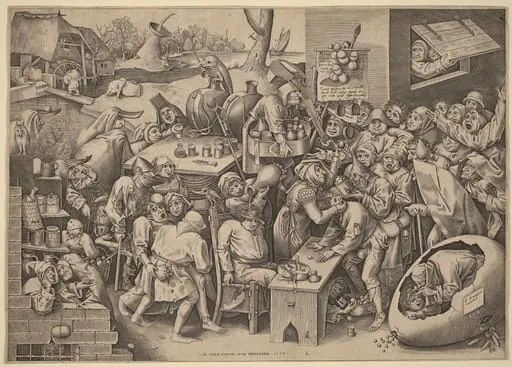
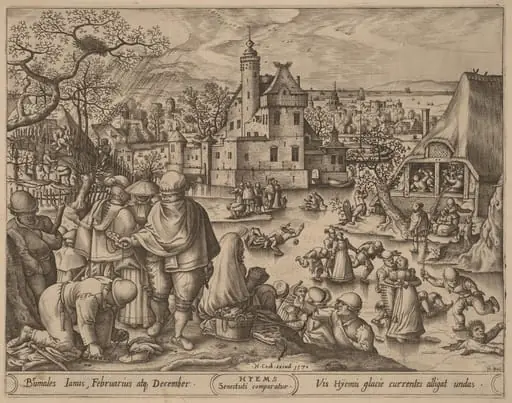
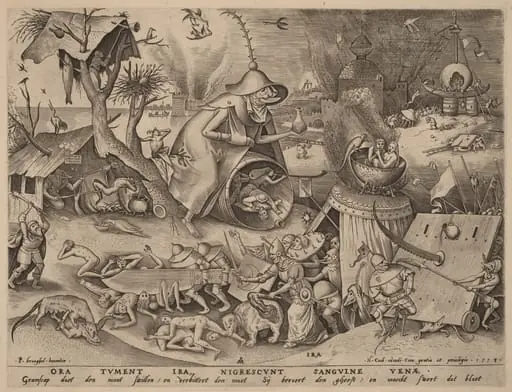
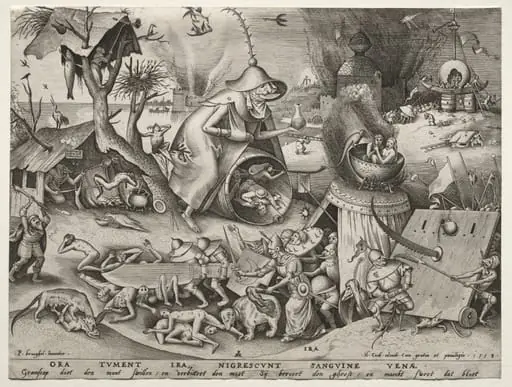
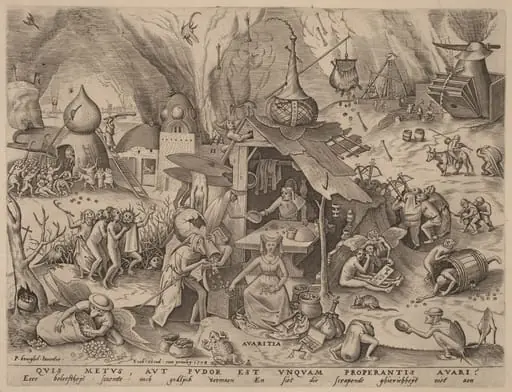
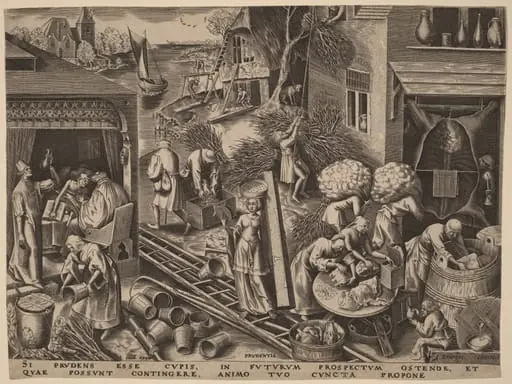
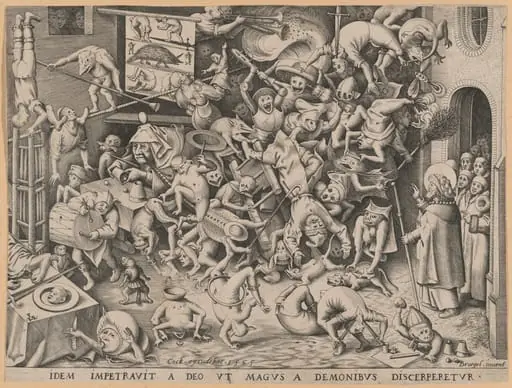
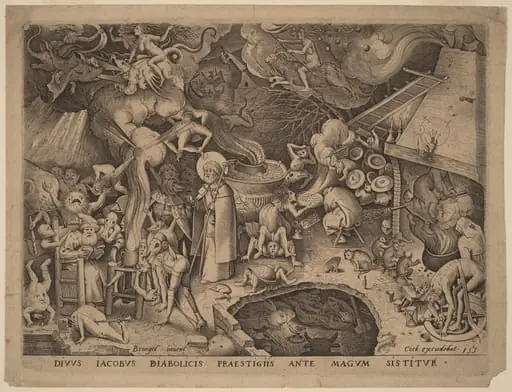
Envy is an ink print by the Renaissance artist Pieter van der Heyden. It dates from 1558 and is held in the collection of the National Gallery of Art.
About this work
Overview
The work belongs to a broader tradition of reproductive prints that disseminated visual ideas across Europe.
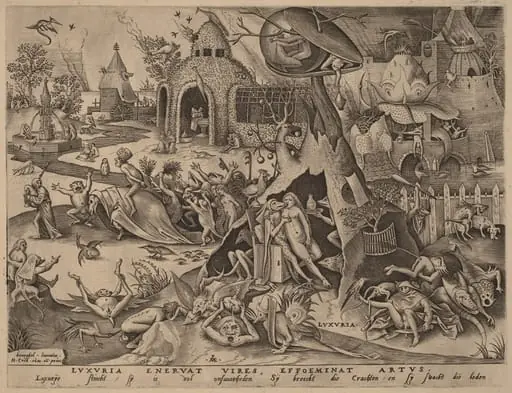
Created in 1558, *Envy* is an engraving on laid paper by Pieter van der Heyden, a Flemish printmaker known for translating painted compositions into printed form. The work belongs to a broader tradition of reproductive prints that disseminated visual ideas across Europe. Its intricate detail and dense composition reflect the technical precision characteristic of mid-16th-century Northern European printmaking, serving as both artistic reproduction and moral commentary.
Subject & Meaning
The central figure is a woman clutching a mirror, surrounded by a turmoil of human and hybrid figures engaged in conflict, concealment, and distress. The Latin inscription 'INVIDIA' identifies the theme as envy, a cardinal sin in Christian moral teaching. The scene suggests envy as a corrosive force, distorting relationships and inciting chaos. The monkey’s reach toward the mirror may imply self-deception, reinforcing the idea that envy stems from distorted perception.
Technique & Style
Van der Heyden employed fine, controlled lines to render a complex, cluttered scene with remarkable clarity. The engraving’s dense patterning and meticulous shading create depth within a compressed space, typical of Northern Renaissance printmaking. The use of laid paper, with its subtle watermark texture, enhanced the tonal range possible in intaglio printing. The style prioritizes narrative density over spatial logic, emphasizing symbolic overload rather than naturalism.
History & Provenance
The print was produced during a period when Flemish workshops specialized in reproducing designs by leading painters, often for export. While the original design may have been by Pieter Bruegel the Elder or another Antwerp artist, van der Heyden’s version became one of several circulating prints on the seven deadly sins. Its survival in multiple institutional collections indicates its early and sustained distribution across Europe.
Context
In mid-16th-century Flanders, visual depictions of moral vices were common in both religious and secular art, often commissioned to reinforce ethical conduct. Engravings like this served as accessible moral guides for a literate urban audience. The chaotic imagery aligns with broader European traditions of allegorical satire, influenced by medieval morality plays and emerging humanist critiques of vice.
Legacy
Van der Heyden’s *Envy* contributed to the visual vocabulary of sin in Northern European art, influencing later allegorical prints and satirical imagery. Its emphasis on psychological tension through crowded composition prefigured developments in 17th-century Dutch and Flemish genre scenes. Though not widely attributed to a single original designer, the print remains a significant example of how print culture amplified moral narratives across social classes.
Artist & collection

Artist
Pieter van der Heyden (c. 1530 - after March 1572) was a Flemish printmaker who is known for his reproductive engravings after works by leading Flemish painters and designers of the 16th century.