Artwork
Anger
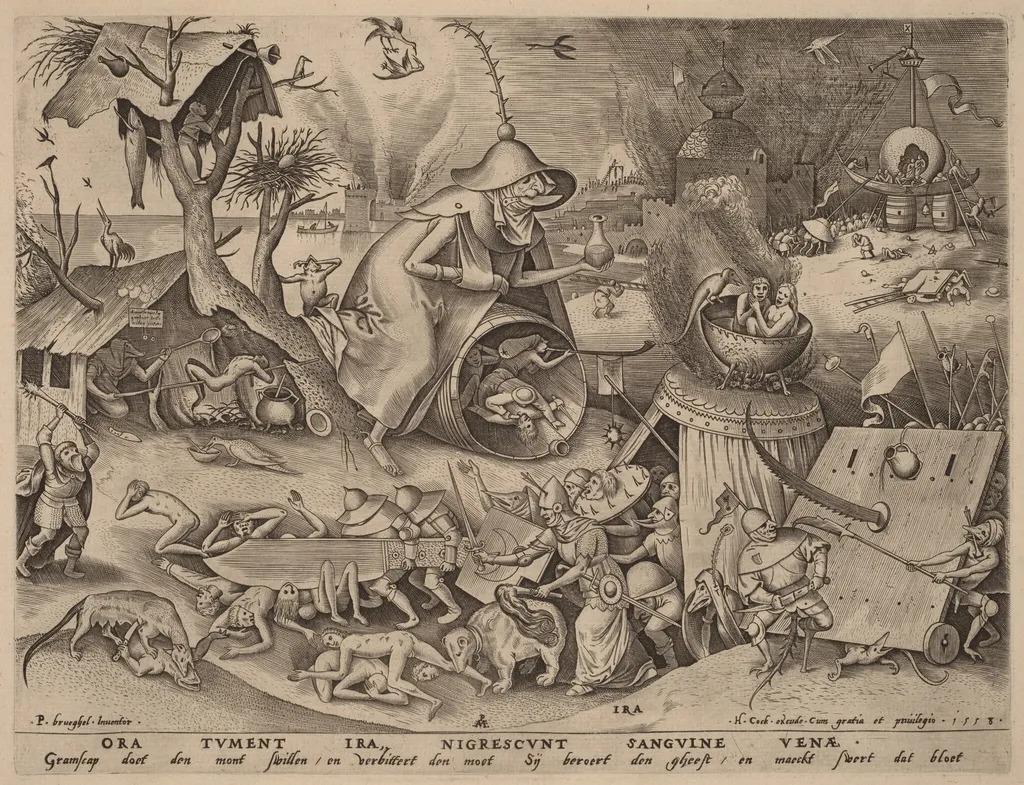
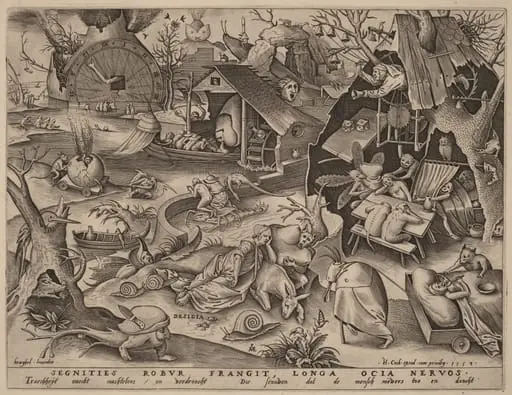
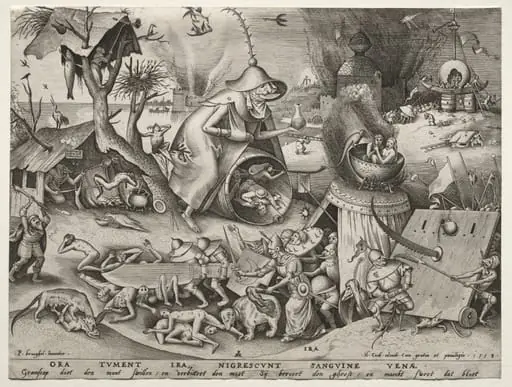
Anger is an ink print by the Renaissance artist Pieter van der Heyden. It dates from 1558 and is held in the collection of the National Gallery of Art.
About this work
Overview
Anger is a 1558 engraving on laid paper by Flemish printmaker Pieter van der Heyden, characteristic of his role in disseminating contemporary Flemish art through reproductive prints.
Subject & Meaning
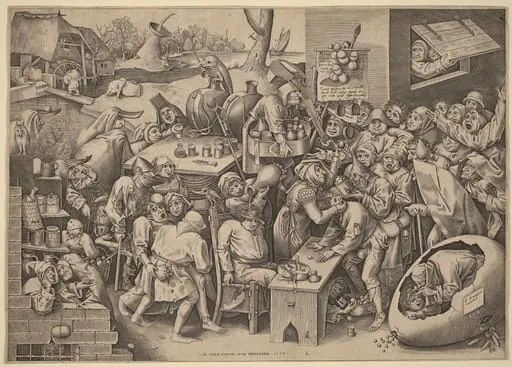
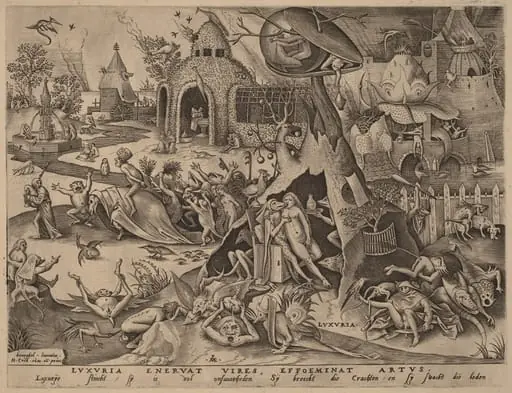
The engraving depicts a chaotic scene of unbridled frenzy, centered on a witch-like figure stirring a pot amidst fighting, dancing, and collapsing figures, alongside animals, objects, a shipwreck, and a burning city, embodying the intense emotion of anger through visual turmoil.
Technique & Style
Executed in black and white with thick, scratchy lines, the work showcases van der Heyden's technical proficiency in engraving, blending the period's graphic traditions with meticulous detail to convey chaotic energy.
History & Provenance
Created in 1558 by Pieter van der Heyden, the engraving is part of his oeuvre of reproductive engravings after prominent Flemish artists, though the specific original design source for *Anger* is not detailed here.
Context
The inclusion of Latin text at the bottom suggests an intended layer of interpretive depth, potentially referencing philosophical or moral themes common in 16th-century Flemish art, though the image's primary impact lies in its vivid depiction of chaos.
Legacy
While *Anger* reflects van der Heyden's contribution to the spread of Flemish artistic themes through print, its lasting impact is more closely tied to the broader tradition of 16th-century engraving rather than a singular, groundbreaking influence.
Artist & collection

Artist
Pieter van der Heyden (c. 1530 - after March 1572) was a Flemish printmaker who is known for his reproductive engravings after works by leading Flemish painters and designers of the 16th century.