Artwork
Plate 59: Seven Insects, Including a Hawthorn Shield Bug, Crane Flies, and a Hoverfly
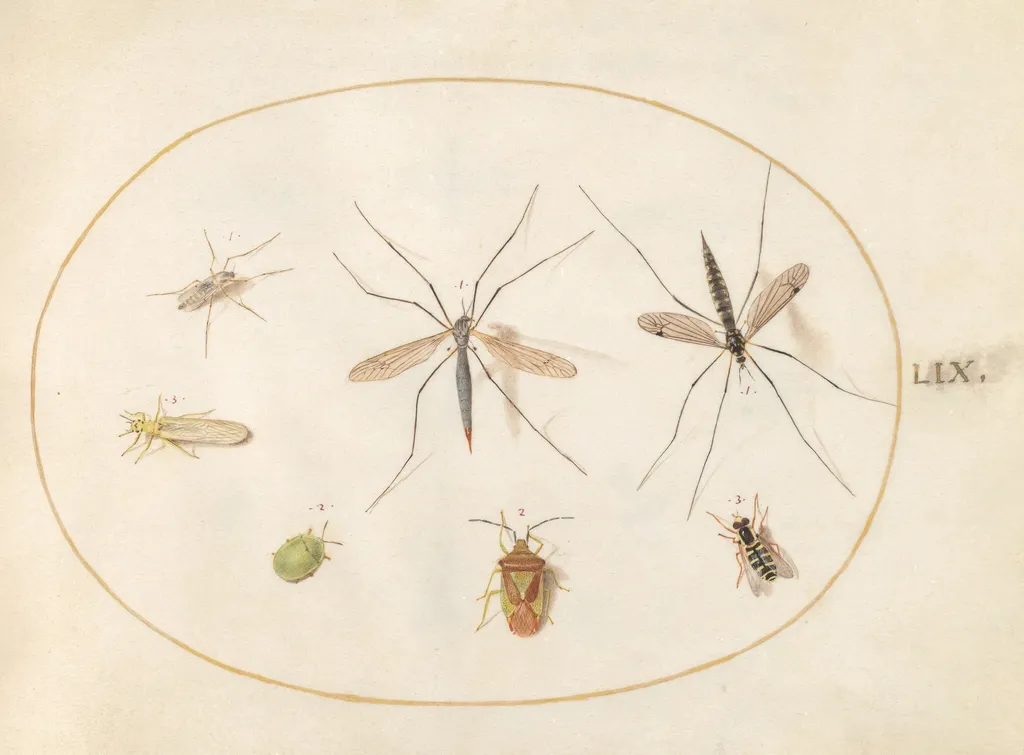
Plate 59: Seven Insects, Including a Hawthorn Shield Bug, Crane Flies, and a Hoverfly is a gouache drawing by the Renaissance artist Joris Hoefnagel. It dates from 1594 and is held in the collection of the National Gallery of Art. Created circa 1594, this small watercolor on parchment depicts seven insects arranged together, highlighted with touches of gold.
About this work
Overview
The work exemplifies the meticulous natural observation characteristic of its maker, Joris Hoefnagel, and functions as a decorative yet scientific illustration.
Created circa 1594, this small watercolor on parchment depicts seven insects arranged together, highlighted with touches of gold. The composition includes a hawthorn shield bug, several crane flies and a hoverfly, each rendered with vivid coloration that has endured for more than four centuries. The work exemplifies the meticulous natural observation characteristic of its maker, Joris Hoefnagel, and functions as a decorative yet scientific illustration.
Subject & Meaning
The panel concentrates on a selection of common European insects, presenting them in close proximity to emphasize their varied forms and textures. By isolating the creatures from a broader landscape, Hoefnagel invites viewers to consider the intricate details of each species, reflecting a growing 16th‑century interest in cataloguing the natural world.
Technique & Style
Executed with fine watercolor washes, the artist applied delicate gold pigment to accentuate the iridescence of wings and the glossy carapace of the shield bug. The precision of line and the subtle gradations of hue surpass the crude woodcut representations typical of earlier texts, revealing a blend of manuscript illumination methods with emerging natural‑history illustration.
History & Provenance
The piece belongs to Hoefnagel’s later output, produced when he was already recognized for his contributions to topographical and botanical illustration. It was likely commissioned by a collector interested in scientific curiosities, a market that expanded in the late 1500s. The work has survived in good condition, its colors remaining bright despite the passage of roughly 450 years.
Context
During the late Renaissance, Flemish artists began to merge artistic practice with empirical observation. Hoefnagel, one of the final practitioners of illuminated manuscript art, helped transition decorative painting toward a more documentary approach, influencing subsequent natural‑history illustrators in northern Europe.
Artist & collection

Artist
Joris Hoefnagel or Georg Hoefnagel (1542 – 24 July 1601) was a Flemish painter, printmaker, miniaturist, draftsman and merchant.

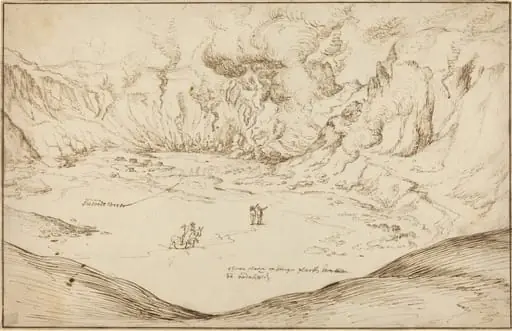 Forum Vulcani: The Hot Springs at Pozzuoli
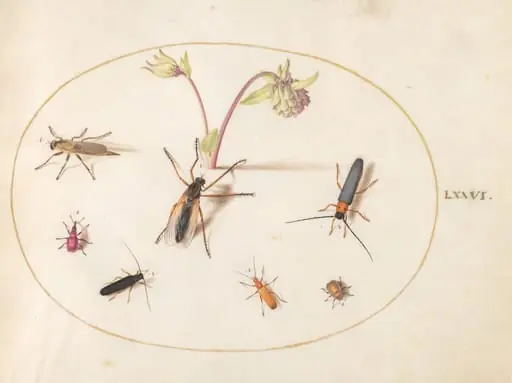 Plate 76: Insects with a Pink and Cream Columbine
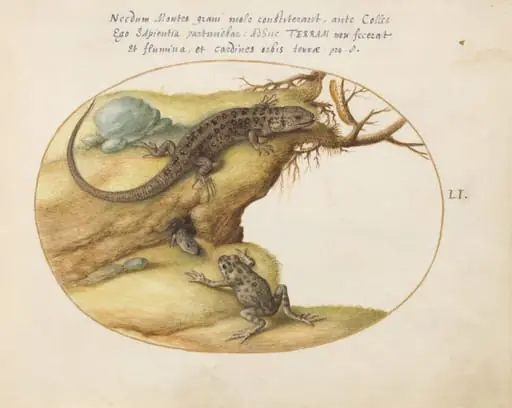 Plate 51: Two Sand Lizards, a Common Parsley Frog(?), and a Caterpillar
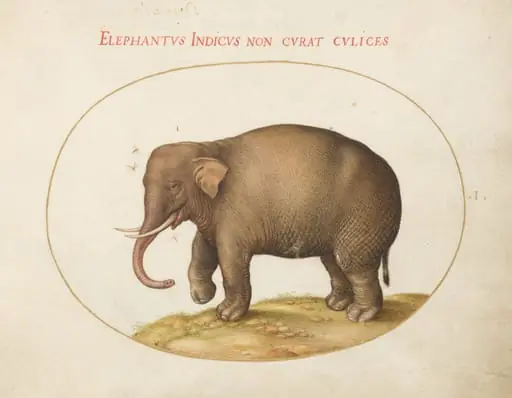 Plate 1: Elephant with Insects
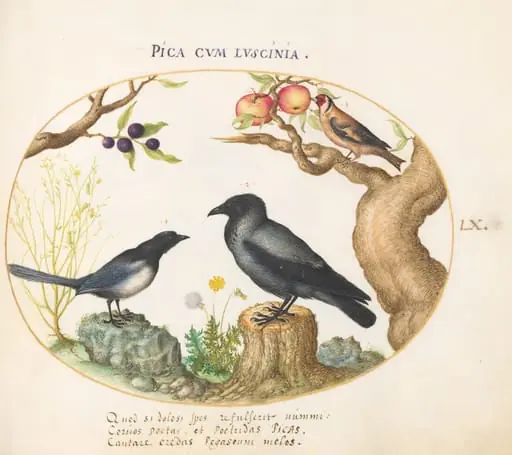 Plate 60: Magpie, Crow, and Goldfinch
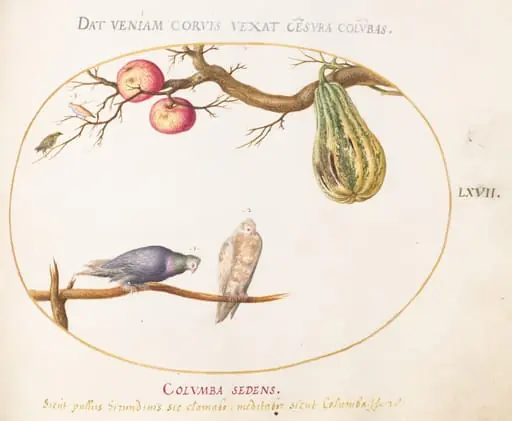 Plate 67: Two Doves beneath a Gourd and Apples
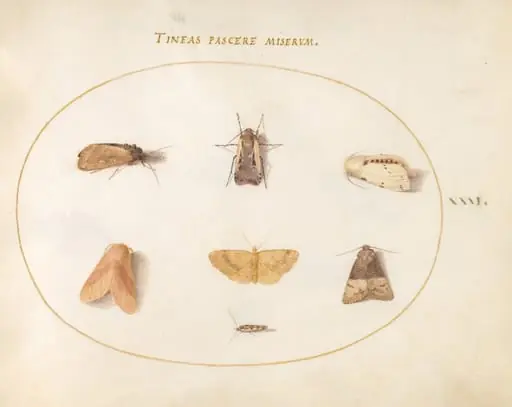 Plate 31: Seven Moths
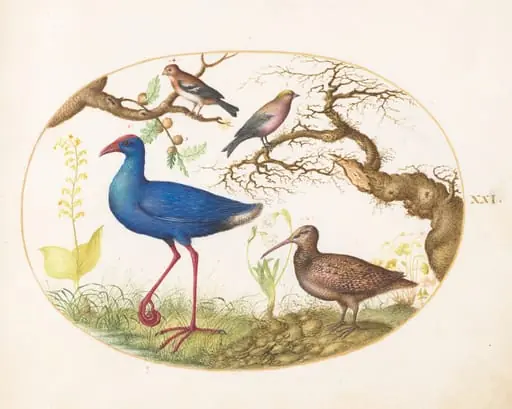 Plate 21: Swamp Hen and Woodcock with a Streaked Rosefinch, a Finch, and Oak Galls
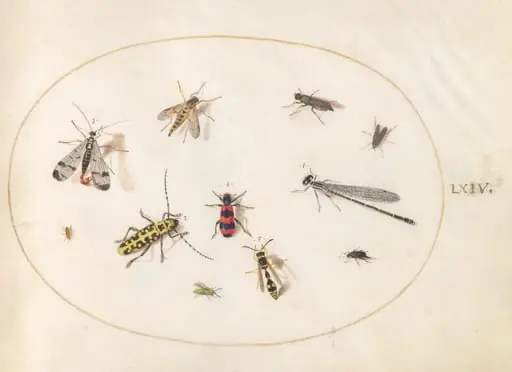 Plate 64: Eleven Insects, Including a Dragonfly and Longhorn Beetle
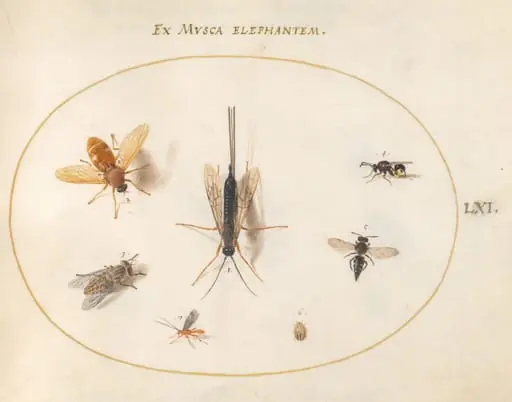 Plate 61: Seven Insects, Including Flies
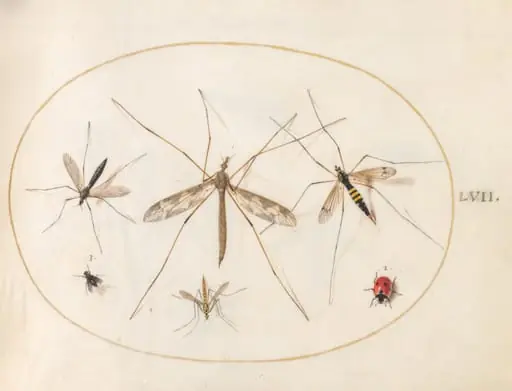 Plate 57: A Ladybug, a Fly, and Four Other Insects
 Plate 72: Shield Bug, Cinnamon Bug, Wasp, and Other Insects
 Plate 79: Twelve Insects, Including Shield Bugs
 Plate 49: A Grasshopper, a Caterpillar, a Butterfly, a Moth, and Other Insects
 Plate 58: A Bee and Five Other Insects
 Plate 68: Seven Bees and Flies
 Plate 62: Ten Insects
 Plate 73: Ten Insects
 Plate 77: Dotted Bee Fly with a White Flower, a Mayfly, a Blue Weevil, and Other Insects
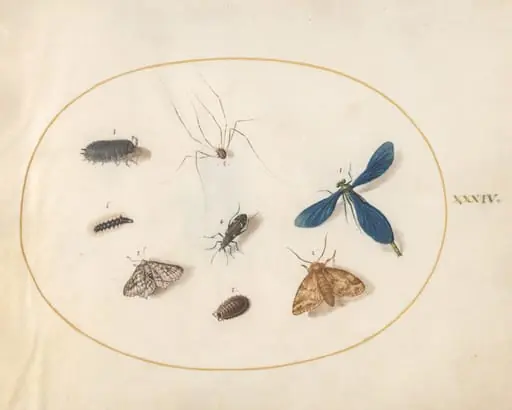 Plate 34: Two Moths with a Spider, a Caterpillar, a Damselfly, and Other Insects