Artwork
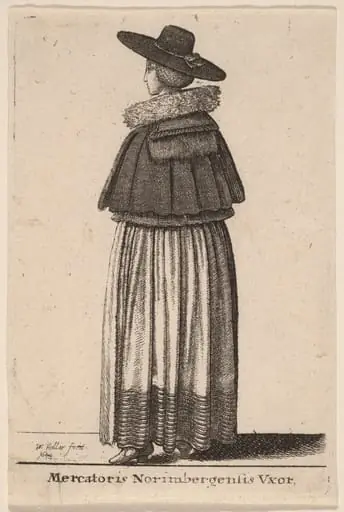
Mercatoris Pragensis Vxor
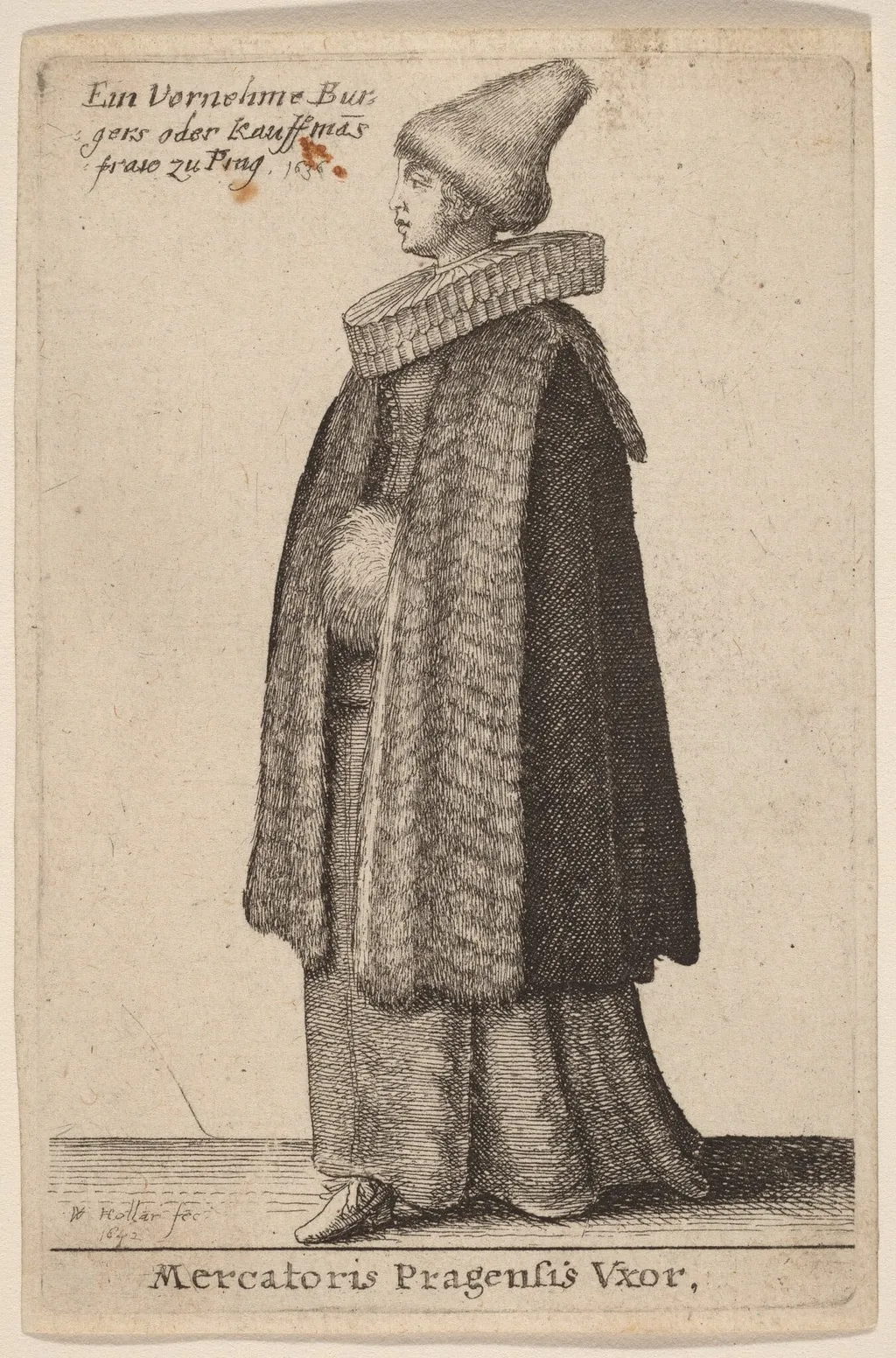
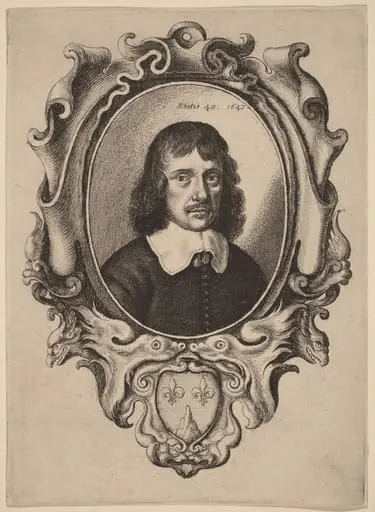
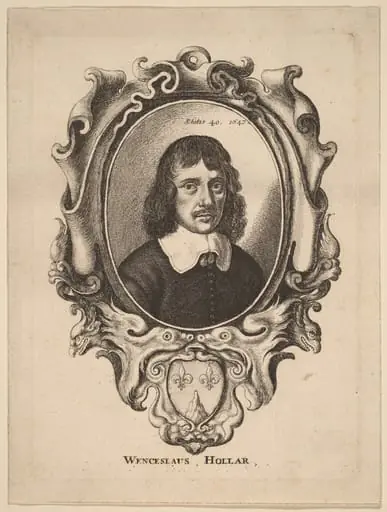
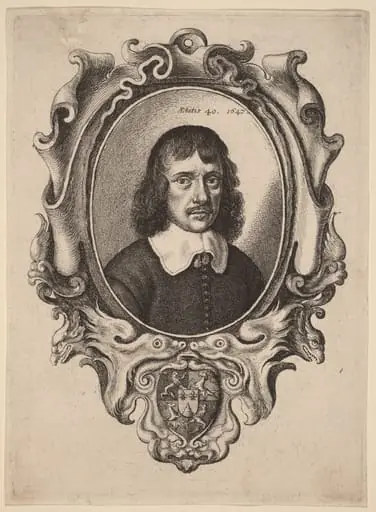
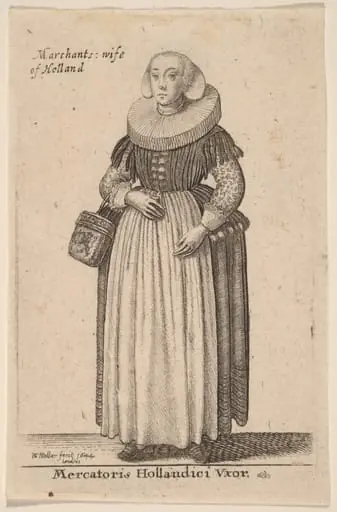
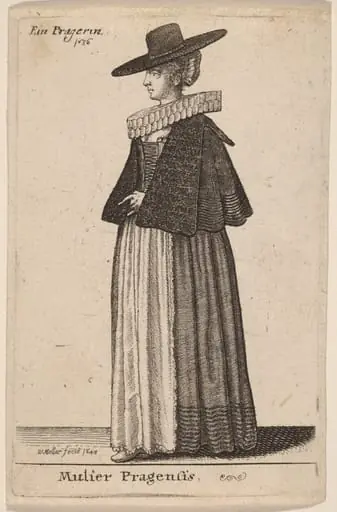
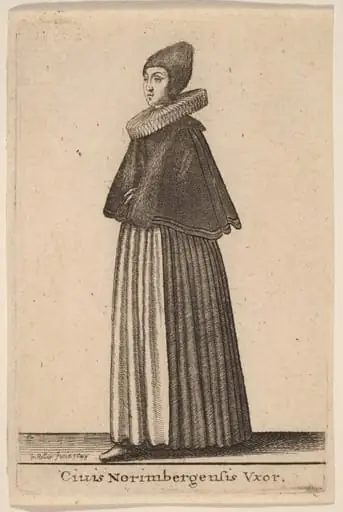
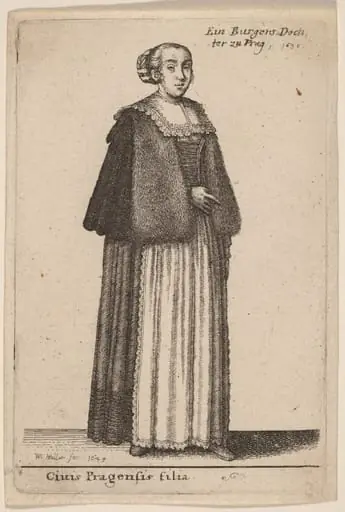
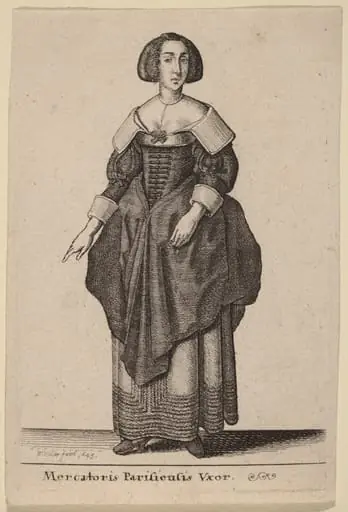
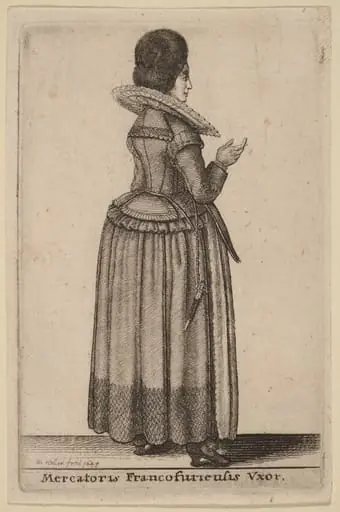
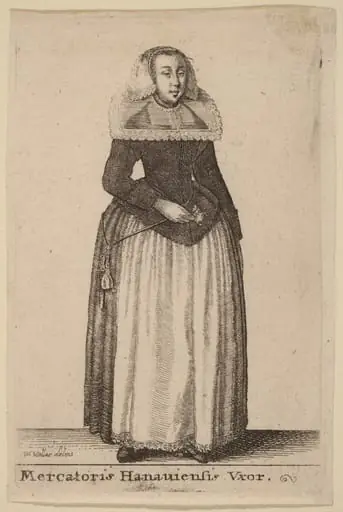
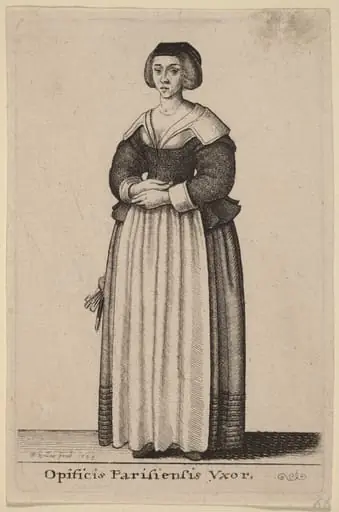
Mercatoris Pragensis Vxor is an ink print by the Baroque artist Wenceslaus Hollar. It dates from 1642 and is held in the collection of the National Gallery of Art.
About this work
Overview
Wenceslaus Hollar, a Czech artist active in 17th-century England, produced this 1642 etching as part of his extensive body of portrait and topographical works.
Wenceslaus Hollar, a Czech artist active in 17th-century England, produced this 1642 etching as part of his extensive body of portrait and topographical works. Created during his years in London, the piece reflects his technical precision and keen attention to individual detail. Though titled with a Latin phrase suggesting a merchant’s wife, the figure depicted is male, indicating a possible misattribution or symbolic designation in the title.
Subject & Meaning
The subject is a man dressed in elaborate attire—a long dark cloak with fur trim and a tall, pointed hat—suggesting wealth or civic status, possibly a merchant or burgher from Prague. His hands are clasped formally before him, conveying composure and dignity. The plain background focuses attention on his figure and costume, reinforcing the portrait’s intent to capture personal identity rather than narrative context.
Technique & Style
Hollar employed fine-line etching to render textures with remarkable clarity: the fur lining, fabric folds, and hat’s brim are defined through delicate cross-hatching and controlled ink lines. His method emphasizes tonal gradation over bold contrasts, achieving a quiet realism. The absence of background elements directs the viewer’s eye to the subject’s posture and attire, showcasing Hollar’s skill in conveying character through detail alone.
History & Provenance
Created in London in 1642, the etching emerged during Hollar’s early years in England, following his departure from continental Europe. It was likely made for private circulation or as a study for a larger commission. The Latin title may reflect scholarly or aristocratic tastes of the period. The work remains in private and institutional collections, though its early ownership history is not fully documented.
Context
In mid-17th-century England, portraiture in print was increasingly valued among the educated elite. Hollar’s work intersected with this trend, blending continental engraving traditions with English patronage. While many of his contemporaries focused on royalty or battle scenes, Hollar often turned to lesser-known figures, capturing their social presence through meticulous observation rather than grandeur.
Legacy
Hollar’s etchings, including this one, contributed to the development of portrait printmaking in England. His ability to convey individuality through subtle line work influenced later generations of engravers. Though not widely exhibited today, his works remain important references for understanding the intersection of craftsmanship, identity, and social status in early modern visual culture.
Artist & collection
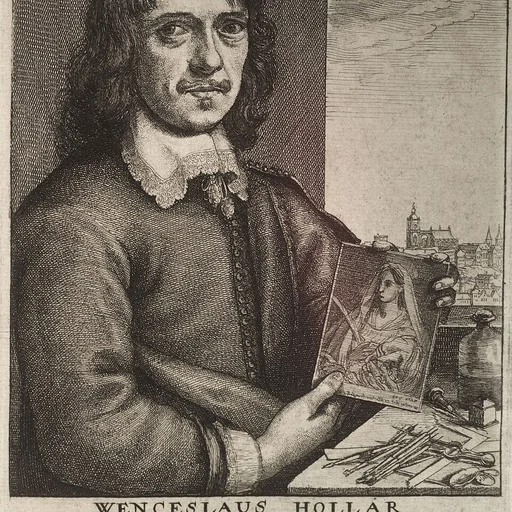
Artist
Wenceslaus Hollar (Czech: Václav Hollar (Czech pronunciation: ), German: Wenzel Hollar; 23 July 1607 – 25 March 1677) was a Czech engraver, etcher and painter.