Artwork
Răstignirea
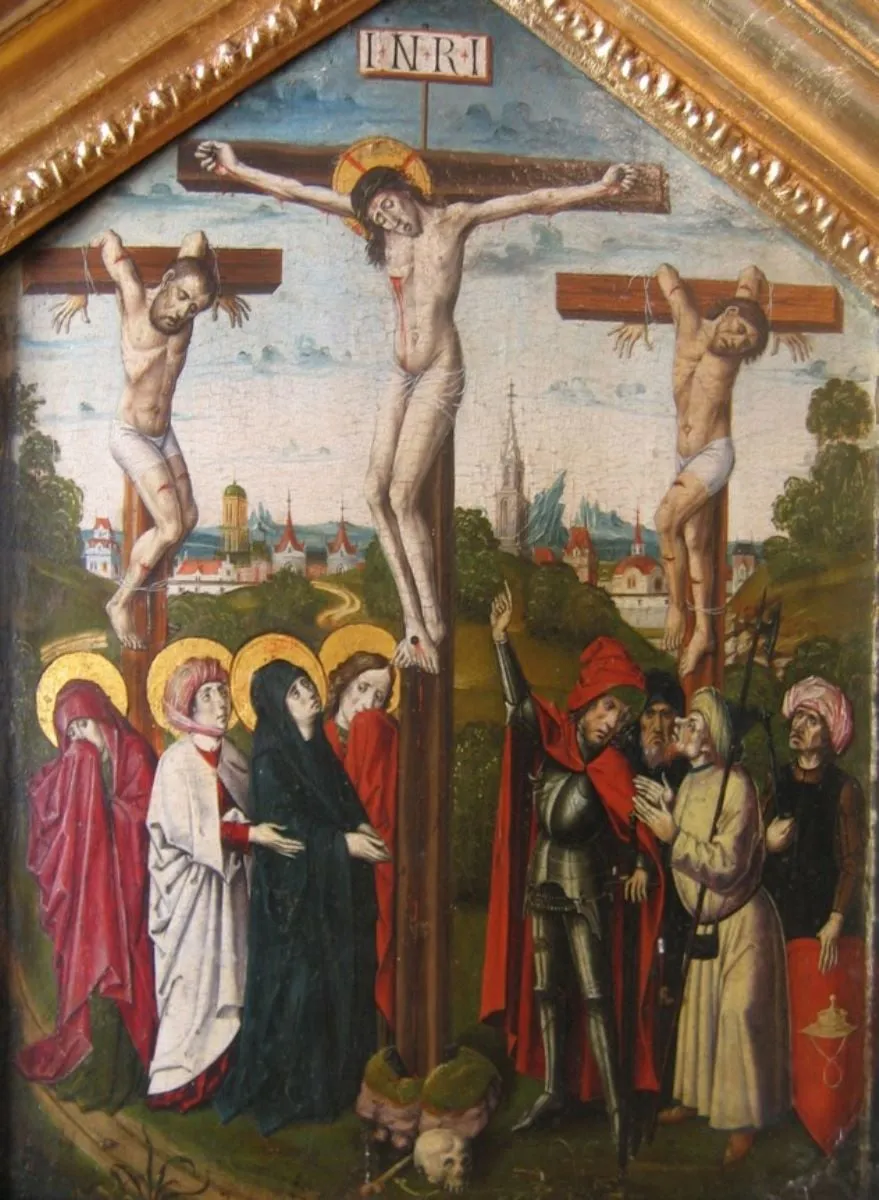
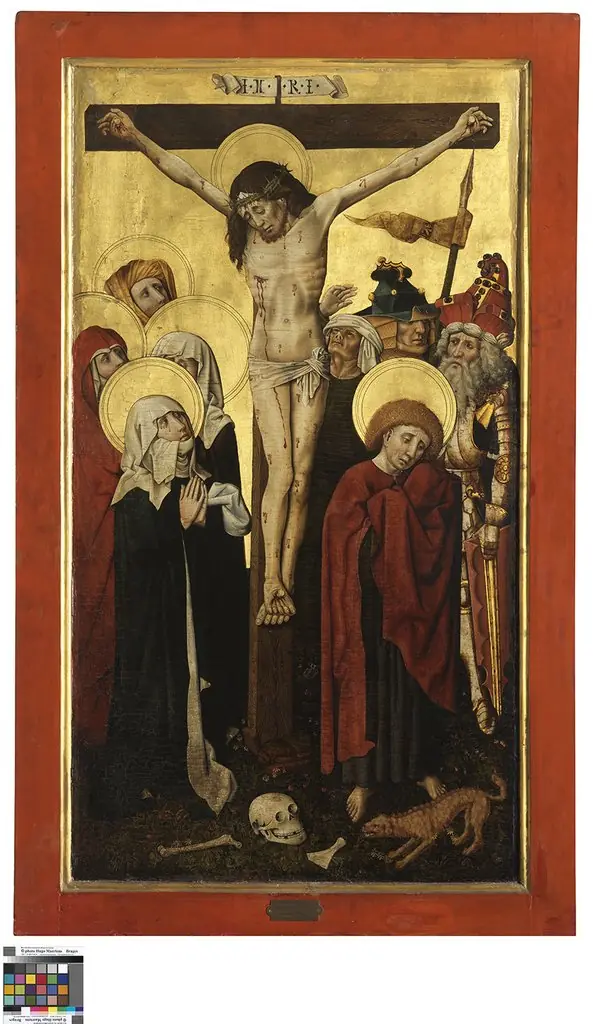
Răstignirea is an unspecified painting by the Byzantine icon painting artist Hugo Kołłątaj. It dates from 1450 and is held in the collection of the Brukenthal National Museum.
About this work
Overview
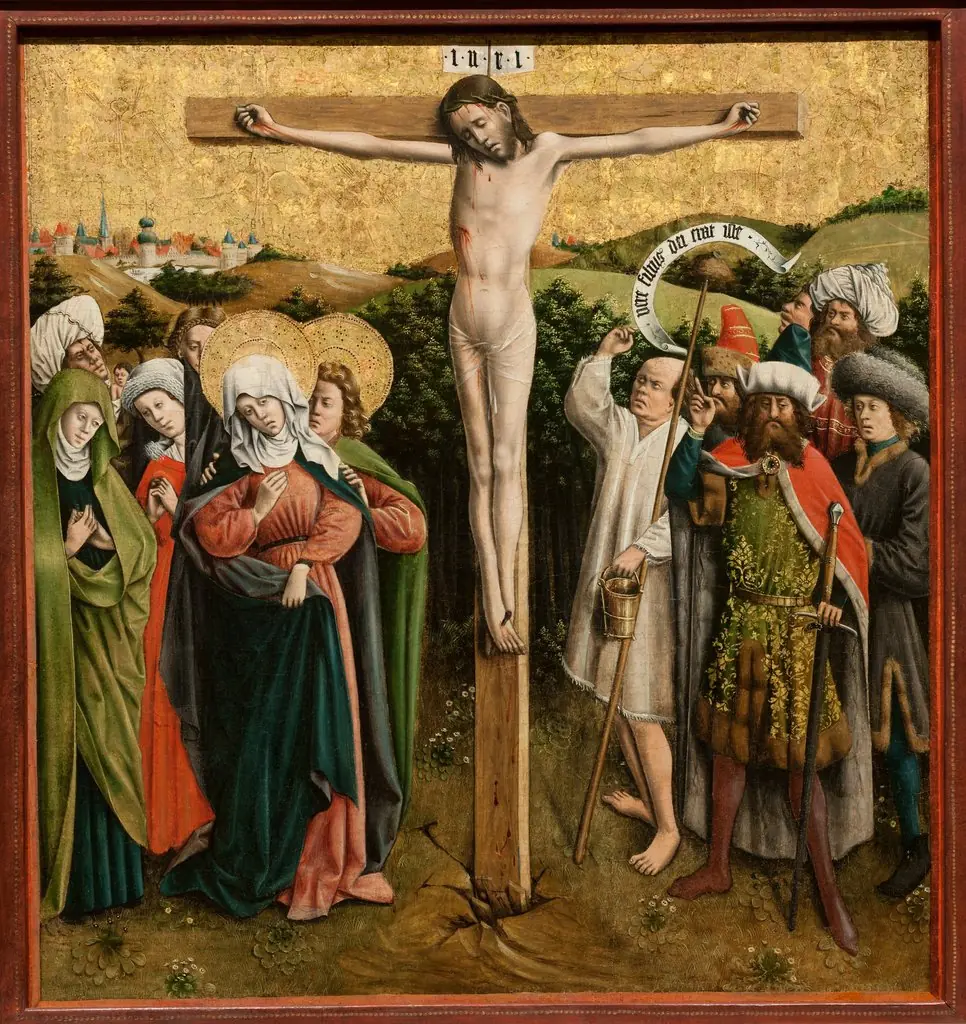
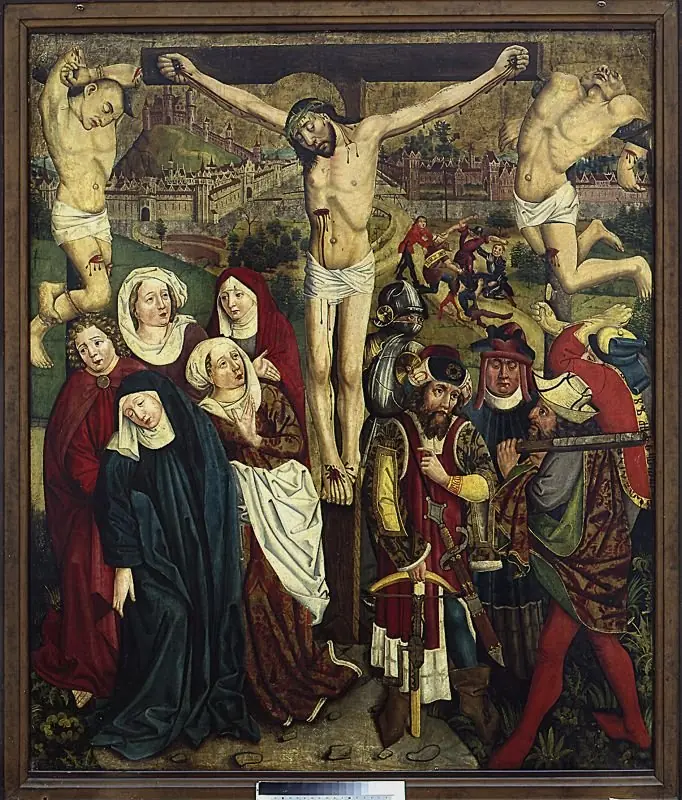
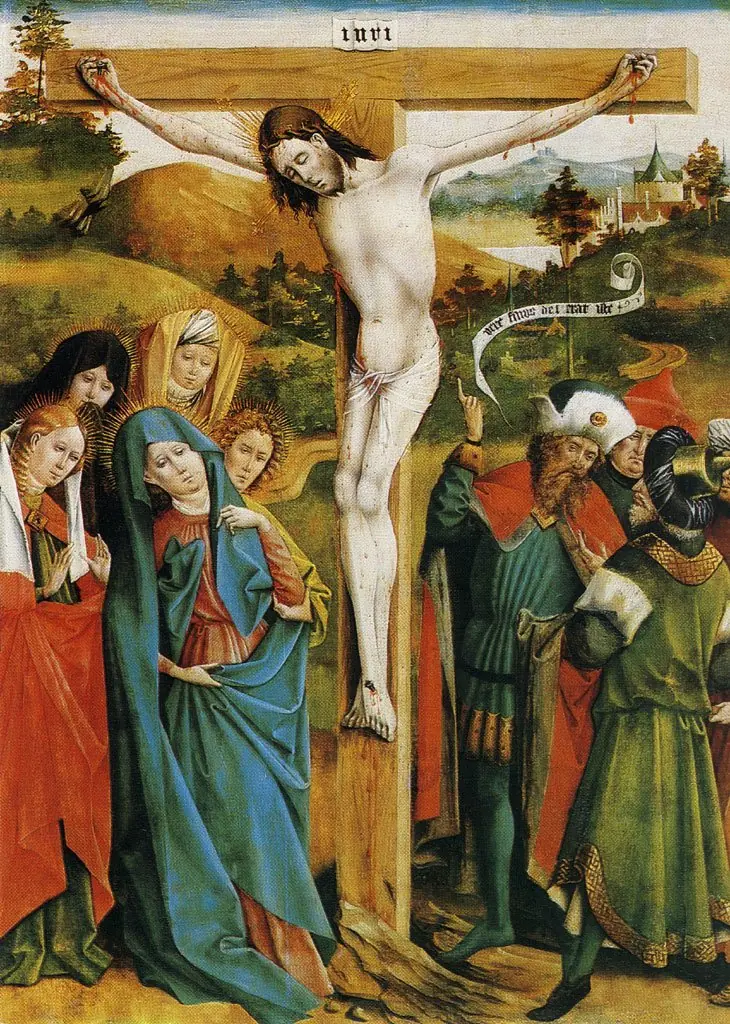
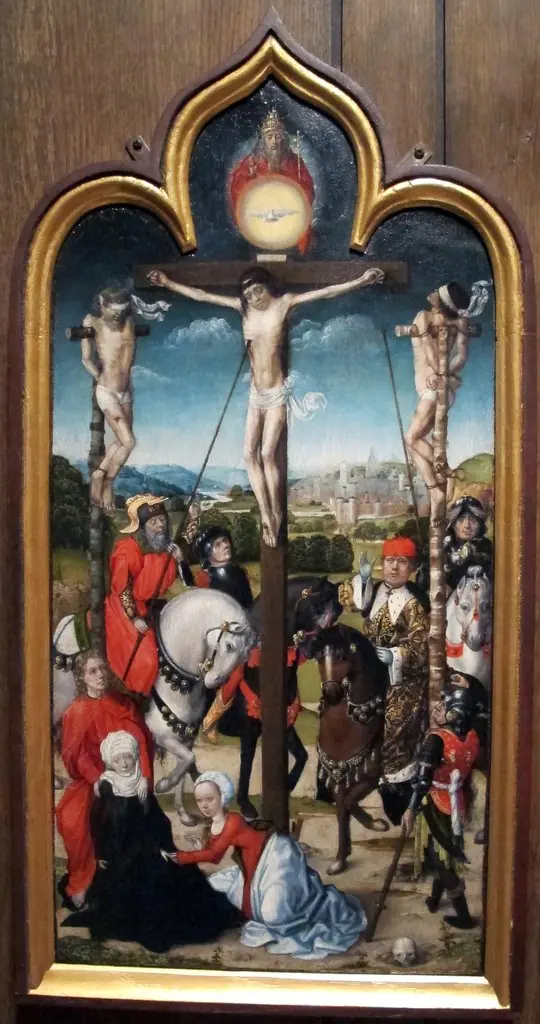
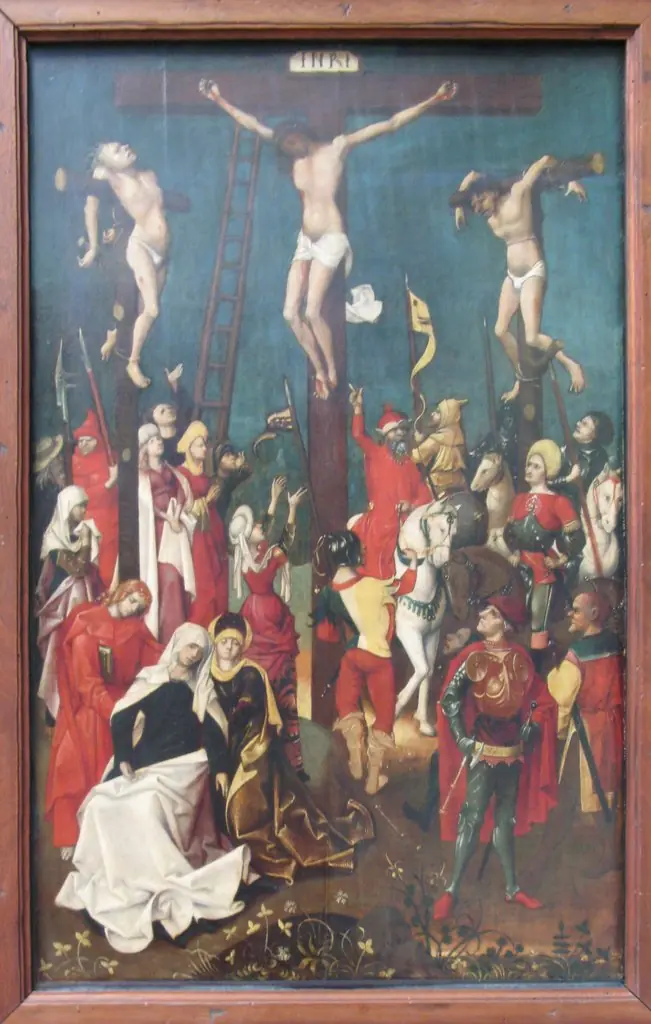
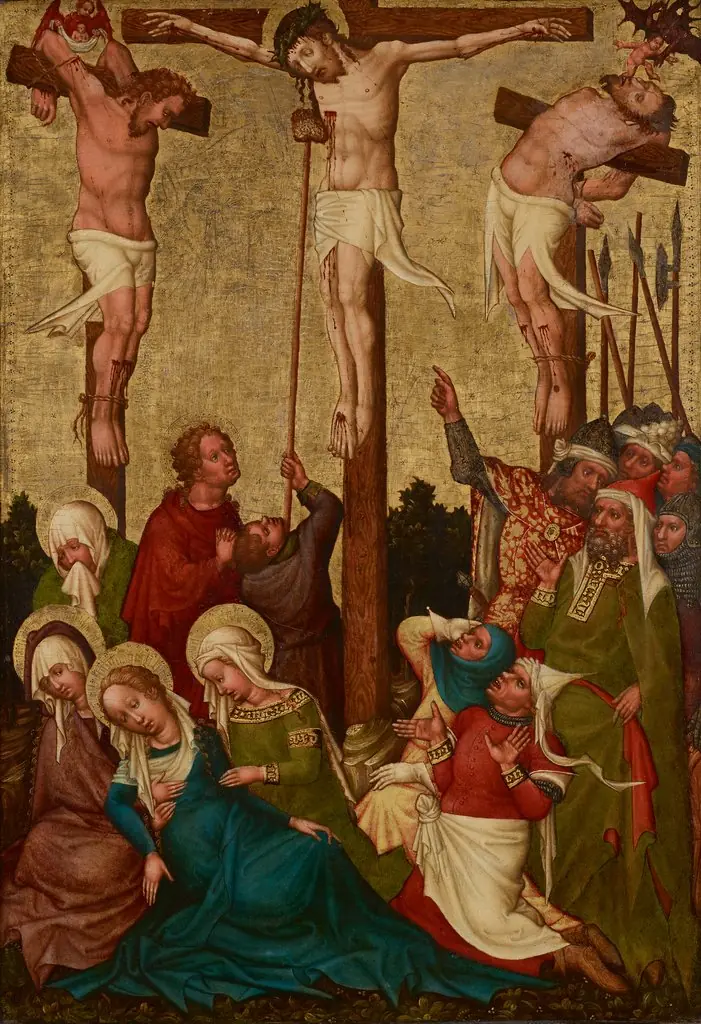
Răstignirea, attributed to Hugo Kołłątaj and dated to around 1450, presents a solemn tableau of three crucified figures set against a modest landscape.
Răstignirea, attributed to Hugo Kołłątaj and dated to around 1450, presents a solemn tableau of three crucified figures set against a modest landscape. The central crucifix dominates the composition, while two flanking figures occupy adjacent crosses. Beneath the crosses a gathering of mourners in dark garments observes the scene, and a small settlement with scattered buildings and trees recedes into the background.
Subject & Meaning
The work portrays the crucifixion of three individuals, a visual expansion of the traditional single‑Christ motif. The central figure’s sagging posture emphasizes suffering, whereas the more upright side figures suggest varying degrees of resignation. The assembled onlookers, cloaked in somber attire, convey communal grief, reinforcing the painting’s focus on collective mourning and the human dimension of the Passion narrative.
Technique & Style
Executed in a realistic manner, the painting emphasizes precise rendering of anatomy and environment. Kołłątaj employs a restrained palette dominated by earthy browns and muted greens, which enhances the work’s austere atmosphere. Careful attention to the drapery of robes, the texture of wood, and the foliage of the distant village demonstrates a commitment to naturalistic detail typical of mid‑15th‑century Northern European art.
History & Provenance
Created circa 1450, Răstignirea is one of the few surviving images linked to Hugo Kołłątaj, a lesser‑known artist of the period. The work’s provenance prior to modern collection is undocumented, and it likely remained in a regional ecclesiastical setting before entering a museum context in the late 20th century, where it is now catalogued as an example of early devotional imagery.
Artist & collection
Artist
This Polish folk painter worked in the late eighteenth and early nineteenth centuries, creating religious scenes with bold colors and simple shapes.

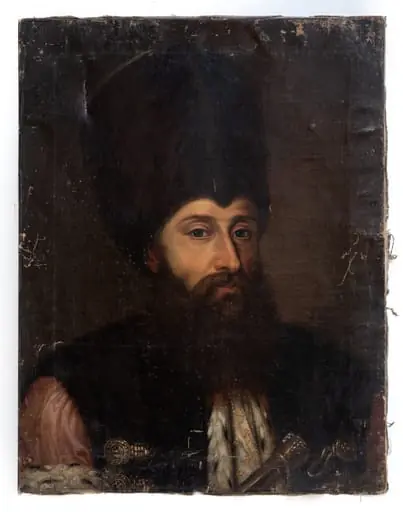 Alexandru Ipsilanti
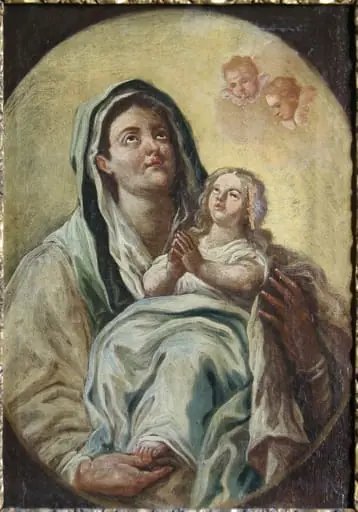 Fecioara Maria cu Pruncul Isus (în Reg. Inv.: Maria cu copilul Isus)
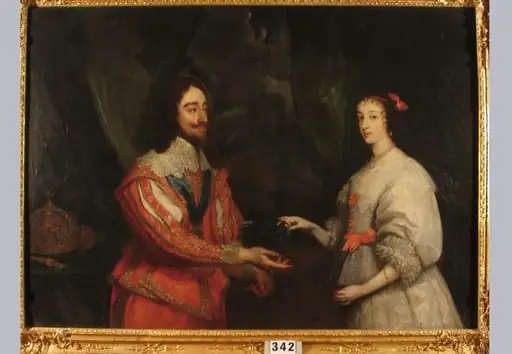 Regele Charles I Stuart al Angliei și soția sa Henrietta Maria de Franța (în Reg. Inv.: Carol I al Angliei și soția sa Henriette din Franța)
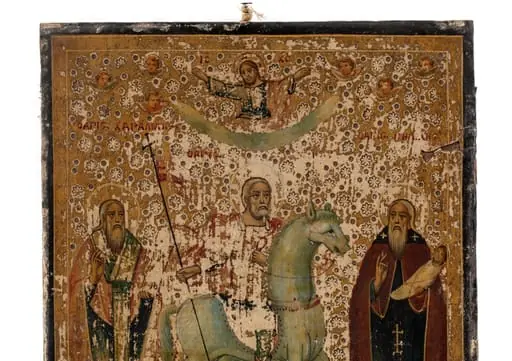 Sfântul Haralambie cu alți doi sfinți
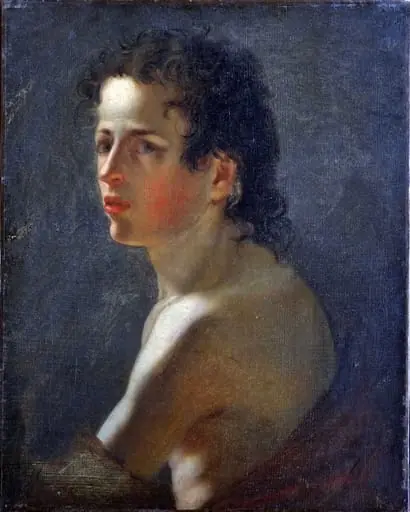 Portret de bărbat
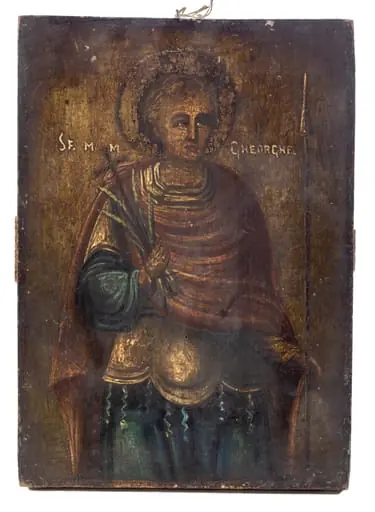 Sfântul Gheorghe
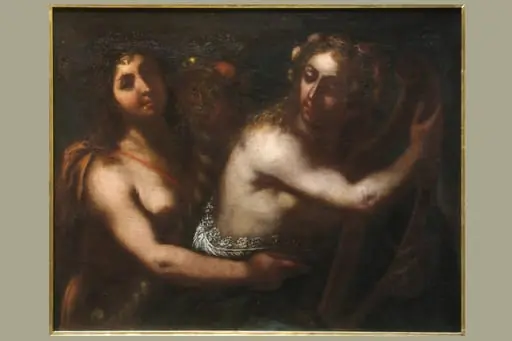 Vertumnus și Pomona (în Reg. Inv.: Vertumnus și Flora)
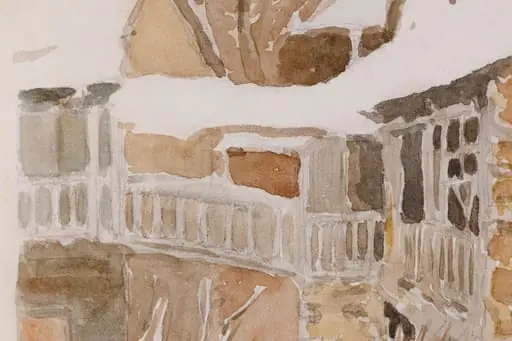 Iarnă
Iarnă