Artwork
Temadisp
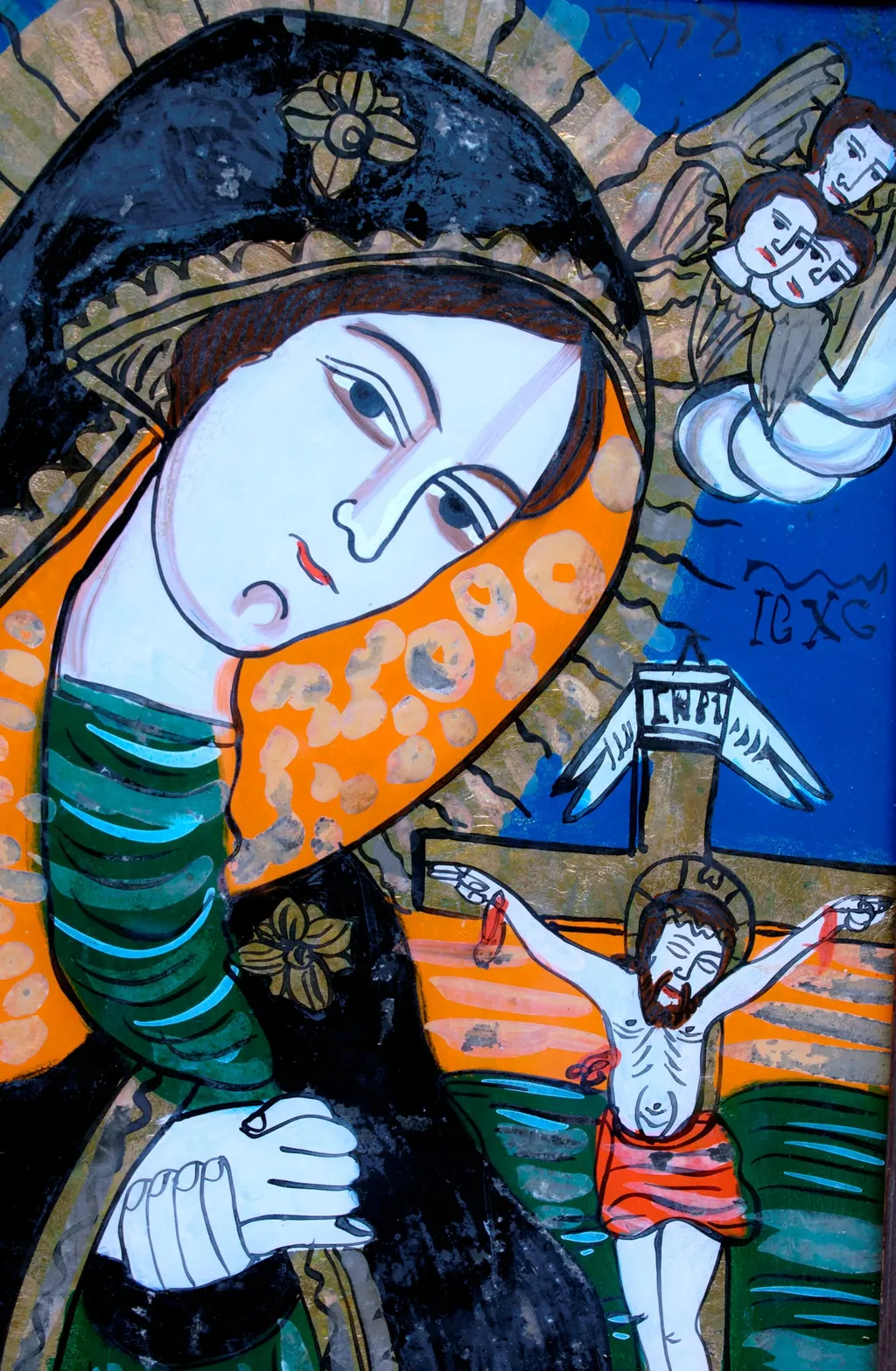
Temadisp is a drawing by Hugo Kołłątaj. It is held in the collection of the "Dimitrie Gusti" National Village Museum. This drawing features a vivid orange humanoid form floating above a smaller, red-clad figure with a halo and outstretched arms.
About this work
Overview
The composition balances simplified forms with energetic, loose linework, creating a sense of movement and otherworldly presence without narrative clarity.
This drawing features a vivid orange humanoid form floating above a smaller, red-clad figure with a halo and outstretched arms. A winged presence hovers nearby, while the background is composed of bold, flat areas of blue and green with a textured, rocky surface. The composition balances simplified forms with energetic, loose linework, creating a sense of movement and otherworldly presence without narrative clarity.
Subject & Meaning
The central orange figure, with its stark white face and single red cheek mark, appears symbolic rather than literal. The smaller figure, haloed and arms raised, may suggest supplication or reverence. The winged form adds an ethereal dimension, possibly representing a spirit or intermediary. The absence of clear context invites interpretation, positioning the scene as an abstract meditation on power, devotion, or transcendence.
Technique & Style
The work employs flat, unmodulated color fields contrasted with rapid, sketchy lines that define form and motion. Shading is implied through directional strokes rather than gradation, evoking cross-hatching without its density. The rough, textured background contrasts with the smooth, simplified contours of the figures, emphasizing a tension between the grounded and the ethereal.
History & Provenance
The drawing’s origin and creator remain undocumented. Its informal style and lack of signature suggest it may have been a study, personal sketch, or experimental piece. No exhibition history or collection record is publicly known, leaving its creation date and context speculative, though its aesthetic aligns with late 20th-century expressive drawing traditions.
Context
The work reflects a broader trend in modern drawing where symbolic imagery and emotional expression override realism. Its use of bold color and minimal detail echoes contemporaneous experiments in outsider art and abstract expressionism, where gesture and symbolism replace narrative. The absence of traditional perspective reinforces its focus on psychological or spiritual states over physical space.
Legacy
Though not widely exhibited or published, the drawing contributes to a quieter lineage of personal, symbolic drawings that prioritize intuition over formal training. Its raw energy and ambiguous iconography resonate with artists exploring inner worlds through simplified forms, influencing later generations interested in non-narrative visual poetry.
Artist & collection
Artist
This Polish folk painter worked in the late eighteenth and early nineteenth centuries, creating religious scenes with bold colors and simple shapes.
Museum
"Dimitrie Gusti" National Village Museum
Continue through works from the same source collection.
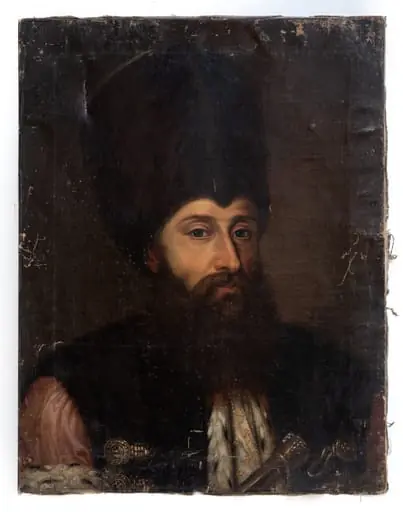 Alexandru Ipsilanti
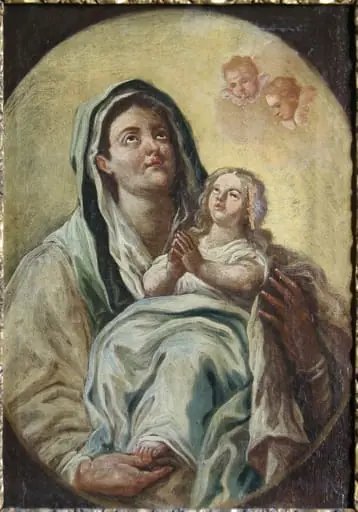 Fecioara Maria cu Pruncul Isus (în Reg. Inv.: Maria cu copilul Isus)
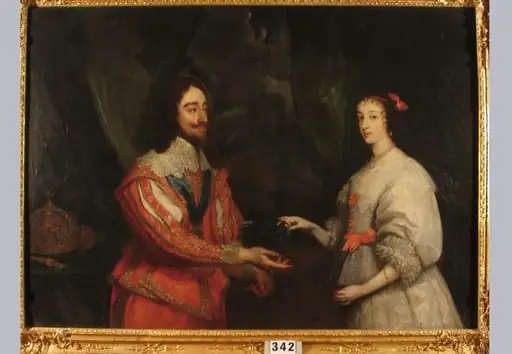 Regele Charles I Stuart al Angliei și soția sa Henrietta Maria de Franța (în Reg. Inv.: Carol I al Angliei și soția sa Henriette din Franța)
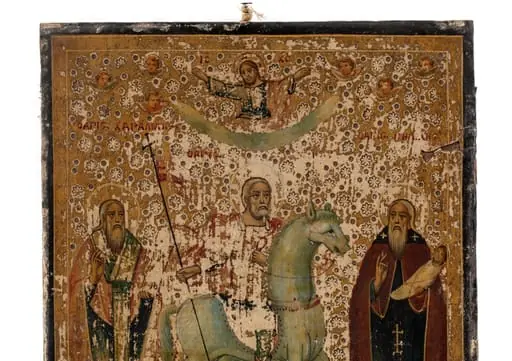 Sfântul Haralambie cu alți doi sfinți
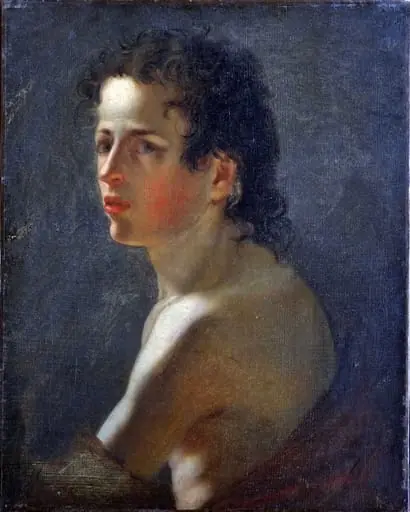 Portret de bărbat
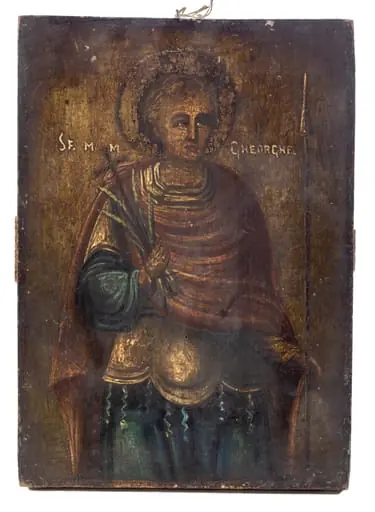 Sfântul Gheorghe
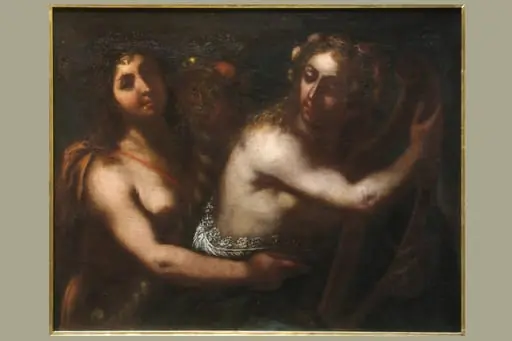 Vertumnus și Pomona (în Reg. Inv.: Vertumnus și Flora)
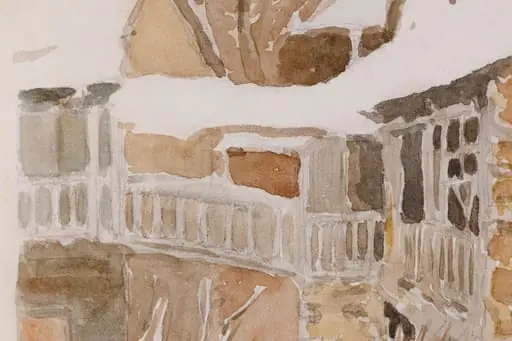 Iarnă
Iarnă
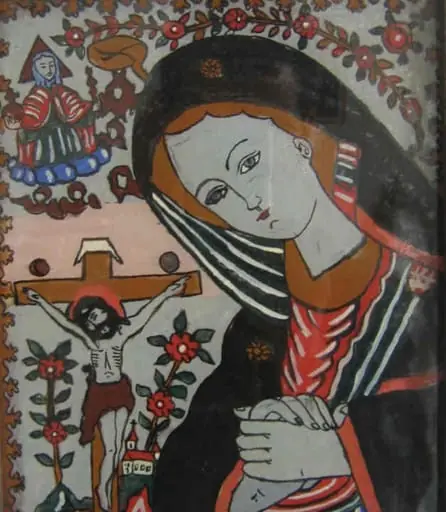 Maica Domnului Îndurerată
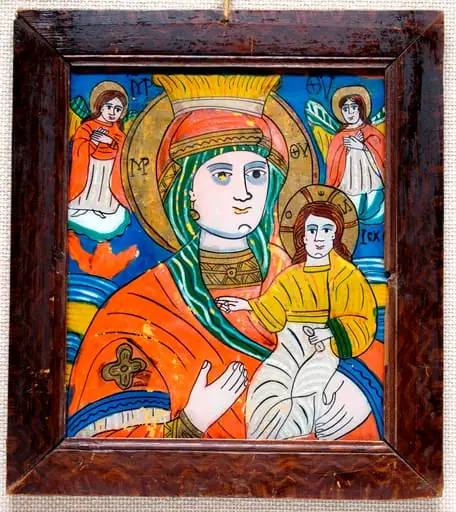 Repr
Repr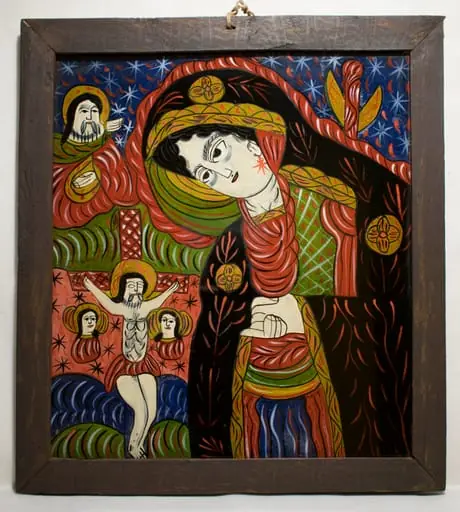 Icoa
Icoa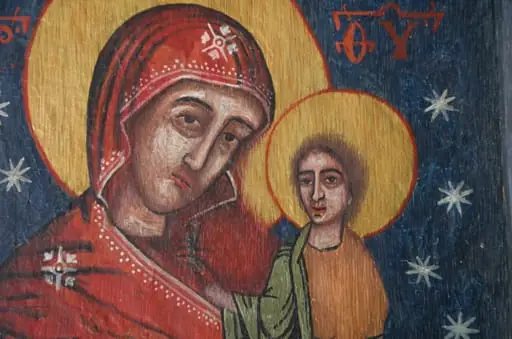 Icoana este pictată pe lemn și o reprezintă pe Maica Domnului „Îndrumătoarea” (Hodighitria), „Cea care arată calea”, cu Pruncul în brațe. Conform Tradiției Bisericii, tema a fost pictată pentru prima dată de Sfântul Apostol și Evanghelist Luca, în timpul vieții pământești a Fecioarei Maria. Maica Domnului poartă un maforion roșu și arată cu mâna dreaptă înspre Fiul său, acesta, la rândul Lui, arătând cu mâna stângă înspre Maica Sa. Pe fundal sunt pictate stele. Rama are trei chenare pictate în albastru, verde și roșu. Icoana prezintă în partea superioară câte o balama pe latura stângă și cea dreaptă, probabil deservind în trecut rolul de triptic. Cromatică: fond albastru închis; roșu; verde; portocaliu; galben; alb.
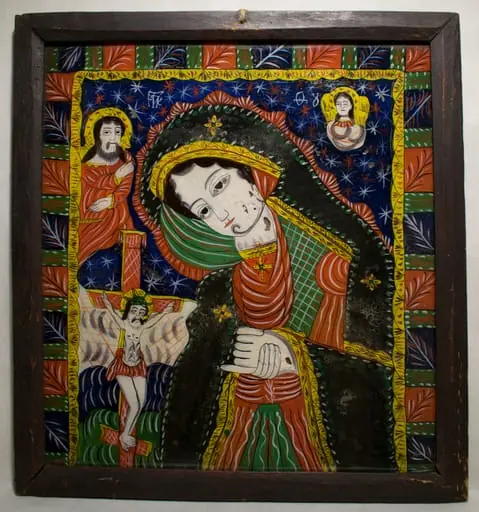 Icoaa și
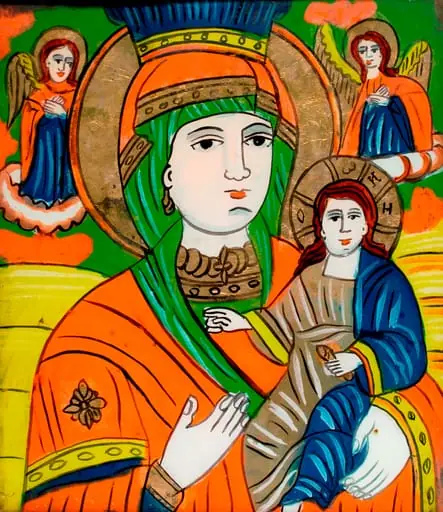 Icoagmen
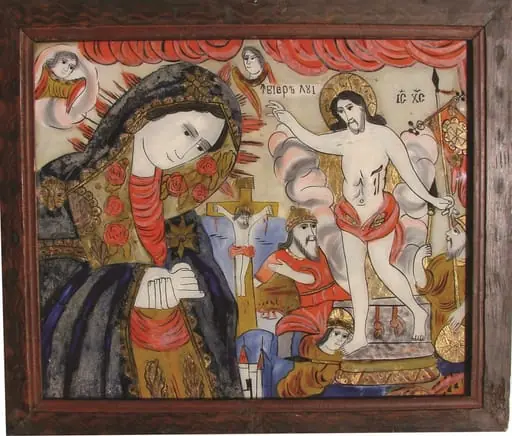 Maica Domnului îndurerată și Învierea lui Iisus
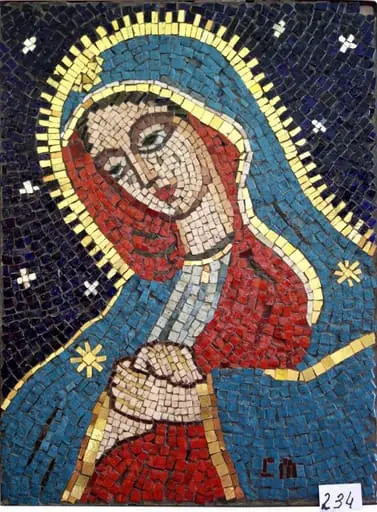 Mater Dolorosa
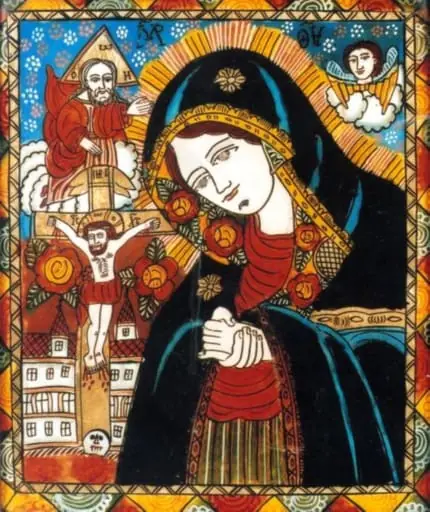 Maica Domnului jalnică
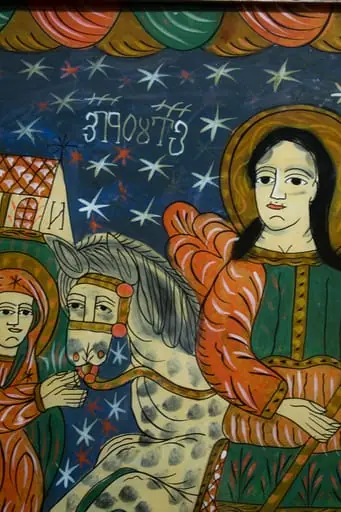 Icoaastr