Artwork
明代帝后半身像册(一)-孝慈高皇后
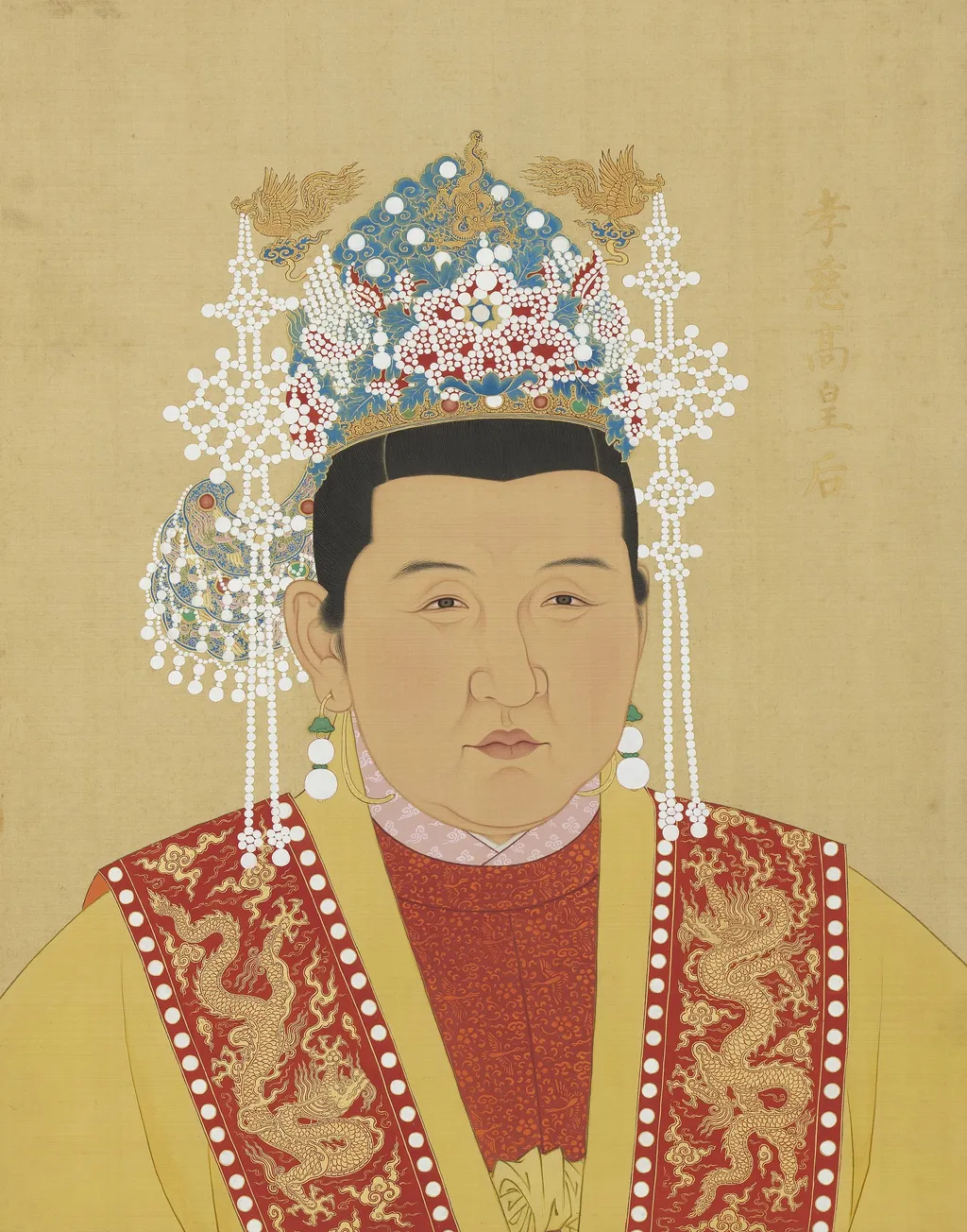
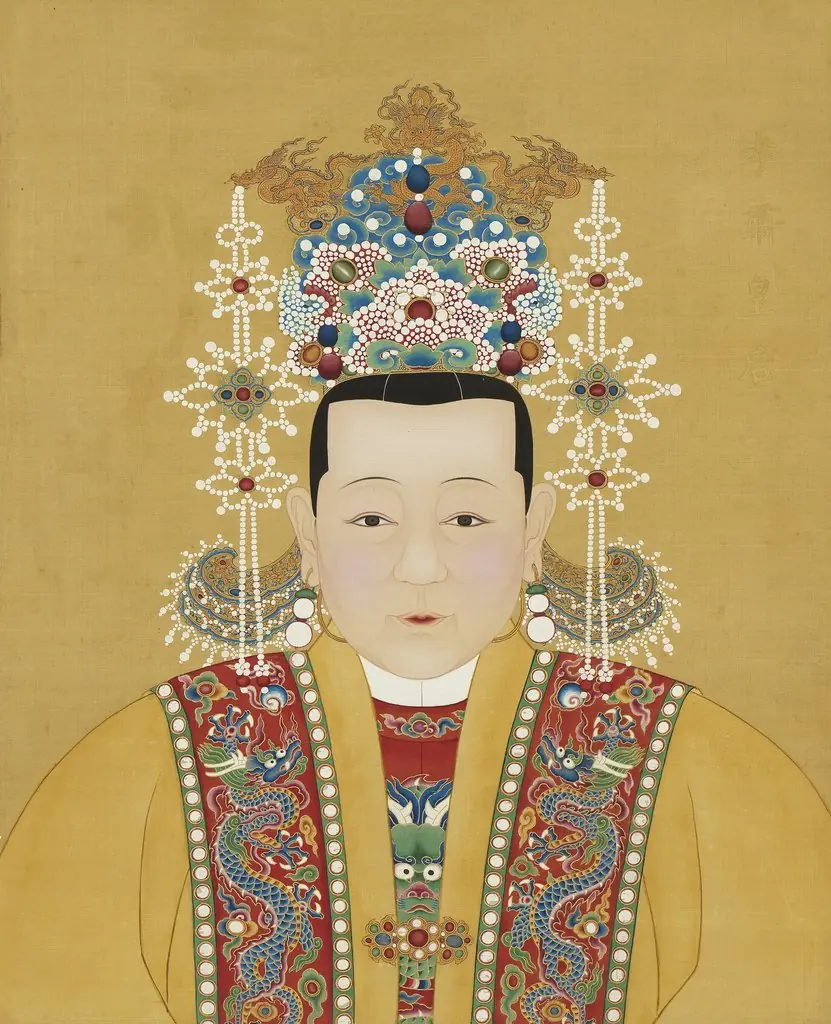
明代帝后半身像册(一)-孝慈高皇后 is an unspecified painting by Unknown. It is held in the collection of the National Palace Museum. This ink-and-color painting on silk is one of a series depicting Ming dynasty imperial figures in half-length portraiture.
About this work
Overview
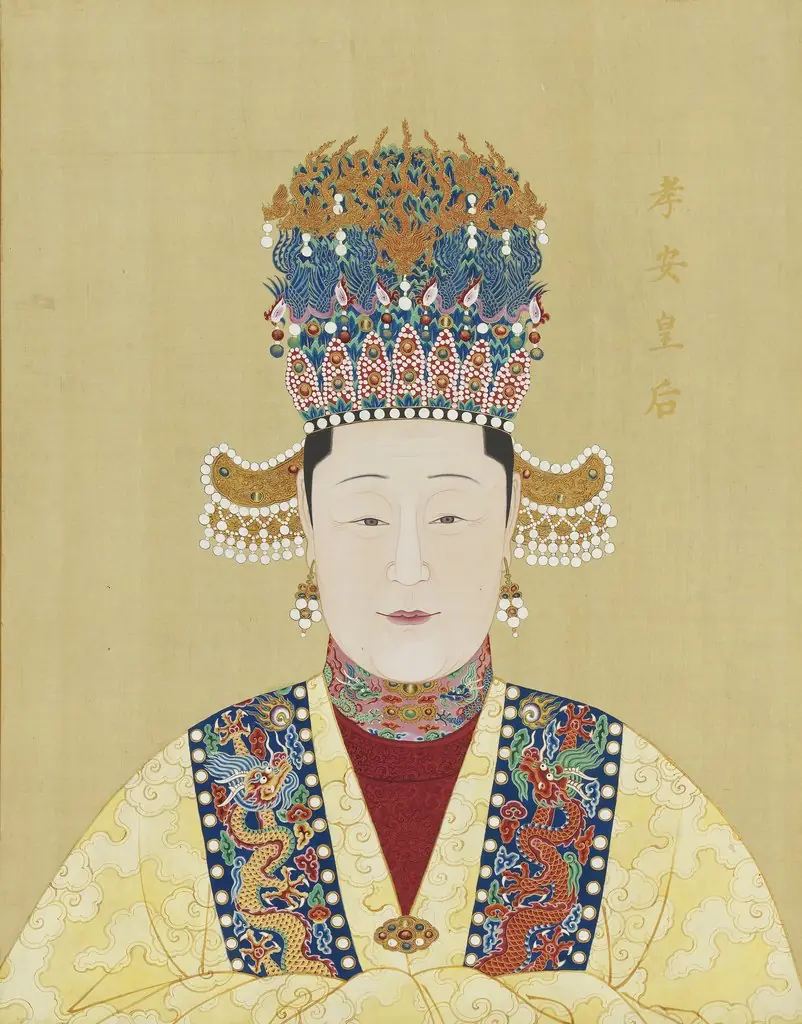
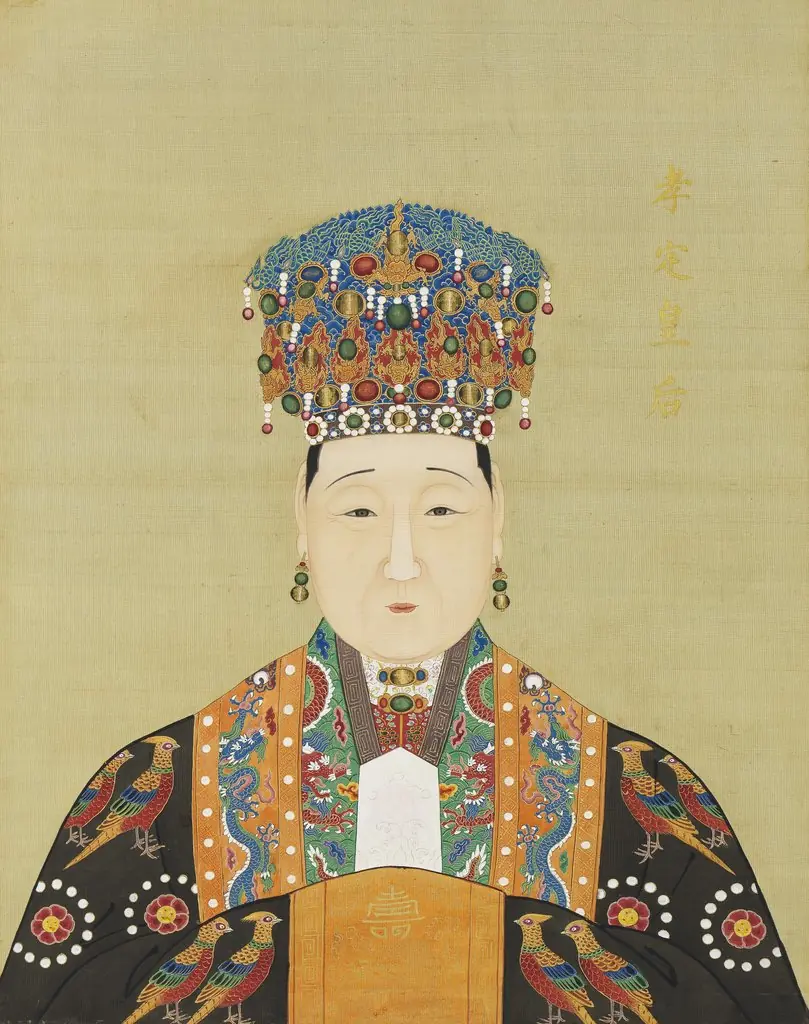
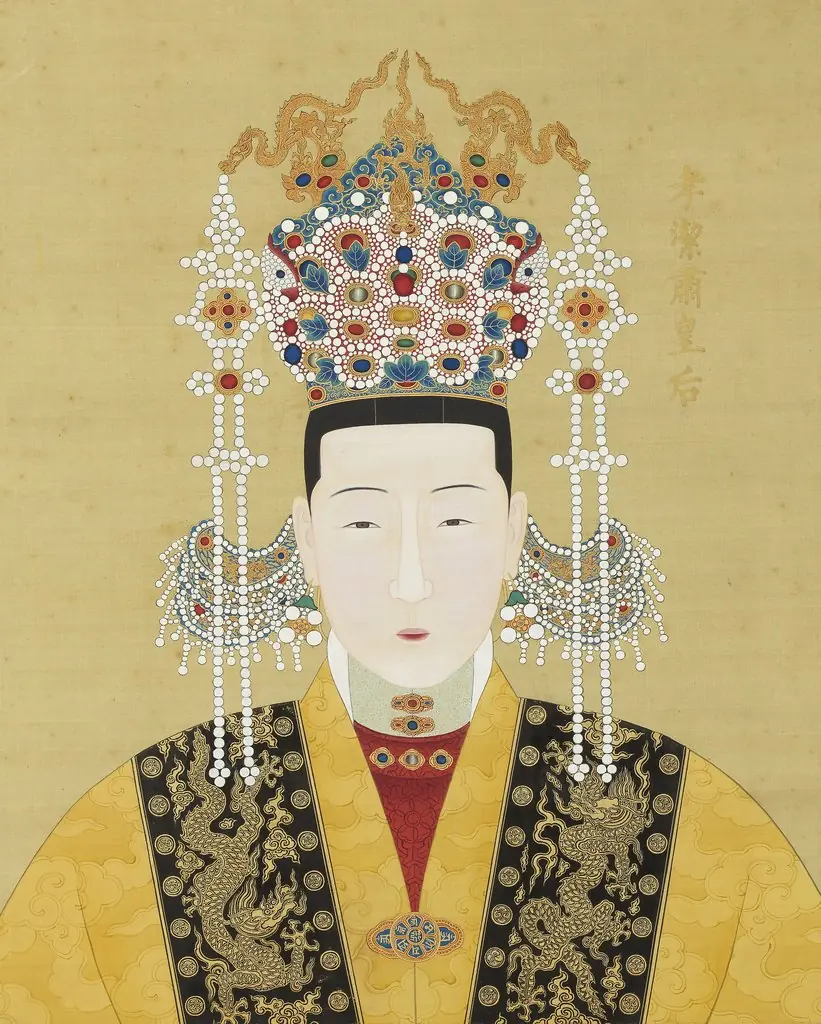
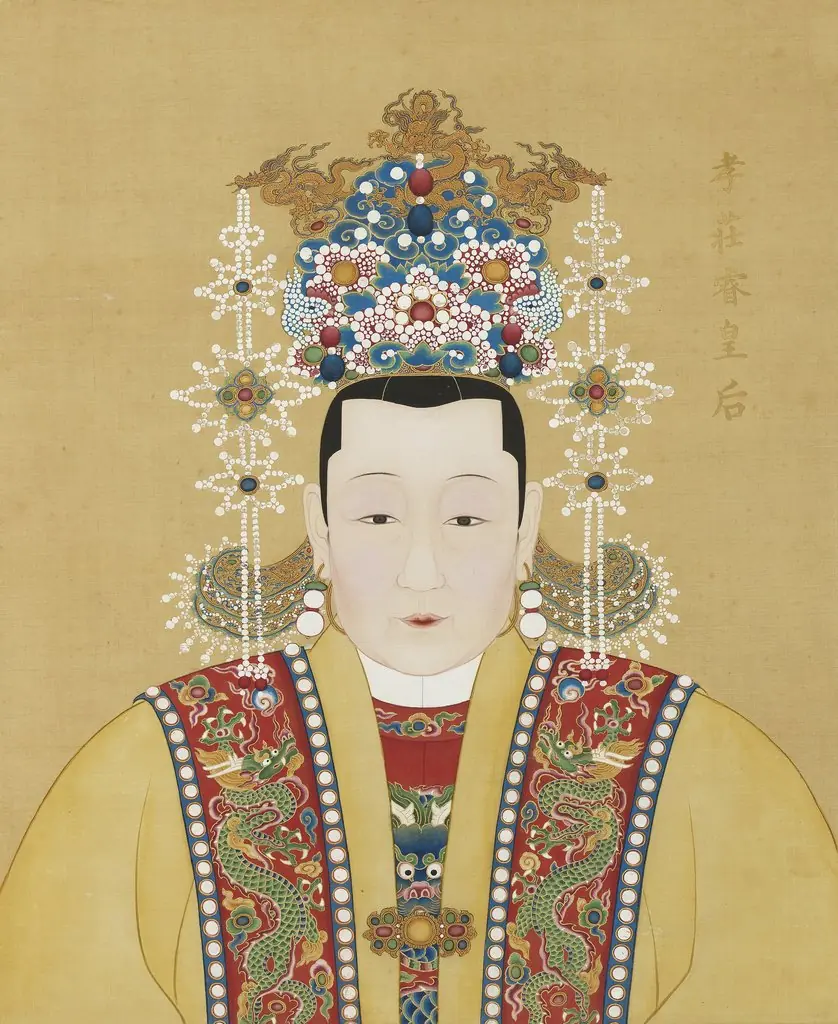
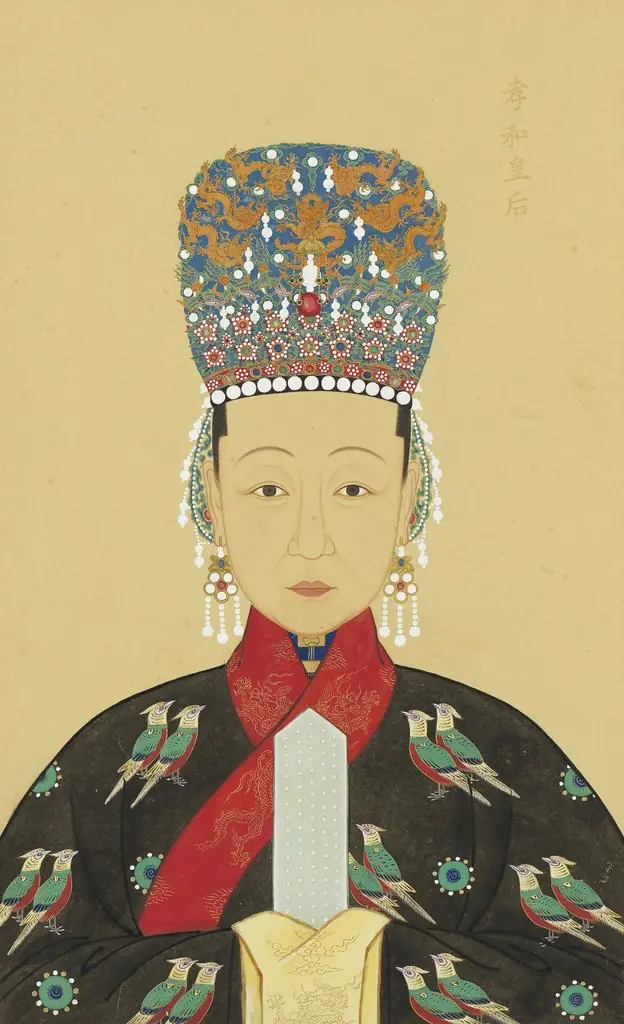
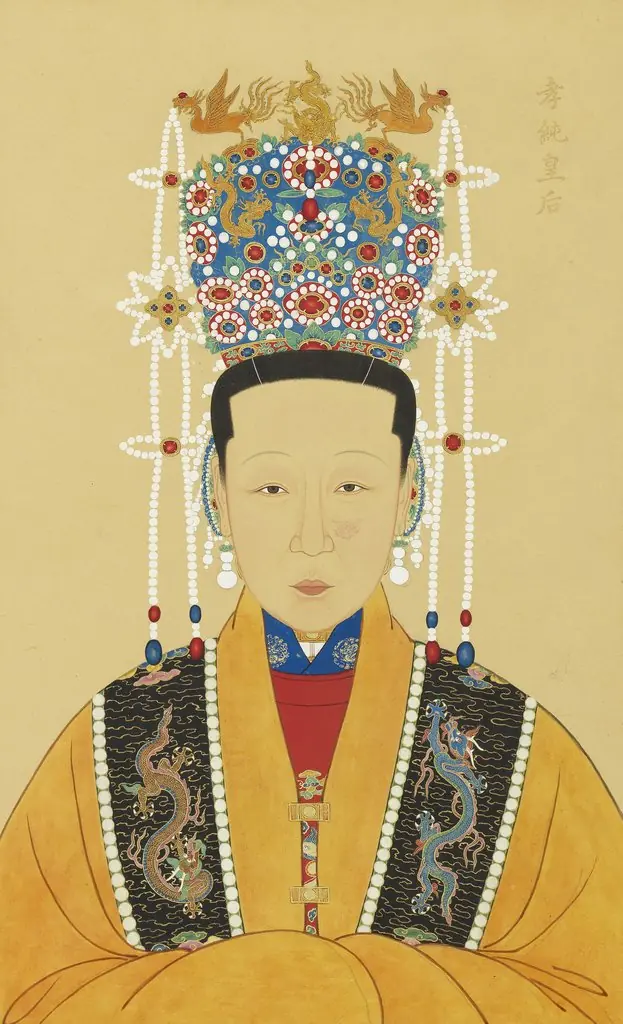
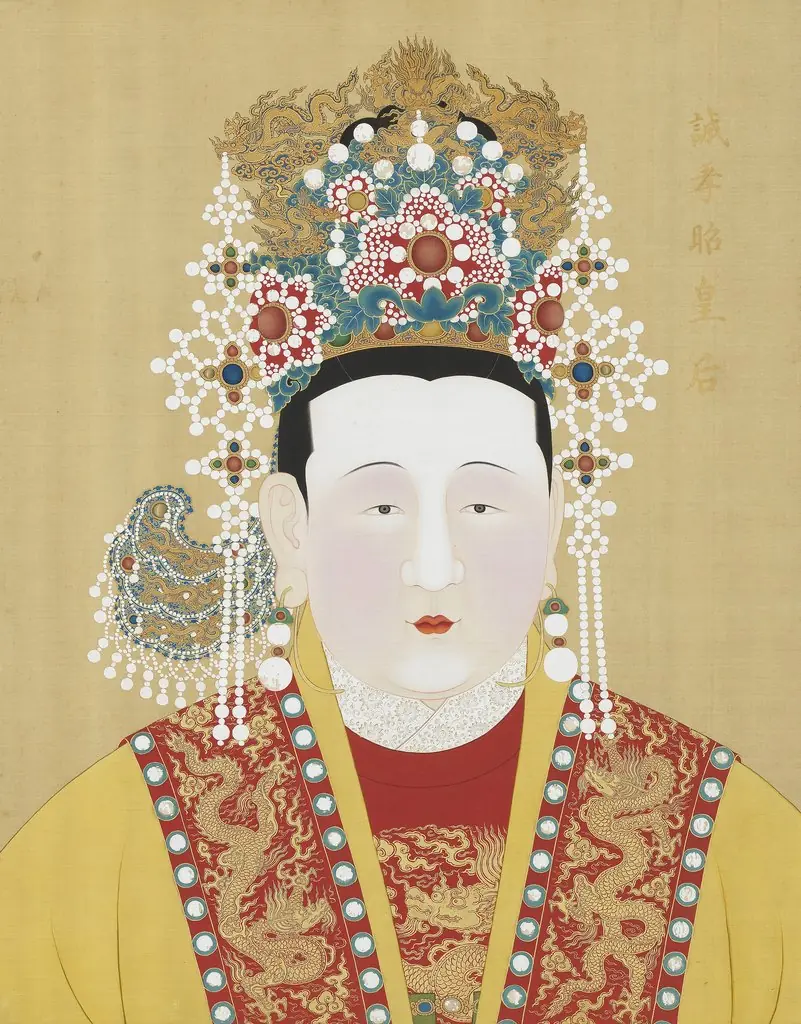
This ink-and-color painting on silk is one of a series depicting Ming dynasty imperial figures in half-length portraiture. Created during the 15th century, it portrays Empress Ma, the wife of the Hongwu Emperor, founder of the Ming dynasty. The work follows formal court conventions, emphasizing dignity and lineage rather than individual expression.
Subject & Meaning
The portrait functions as a ritual object, reinforcing dynastic legitimacy through visual representation of ancestral authority.
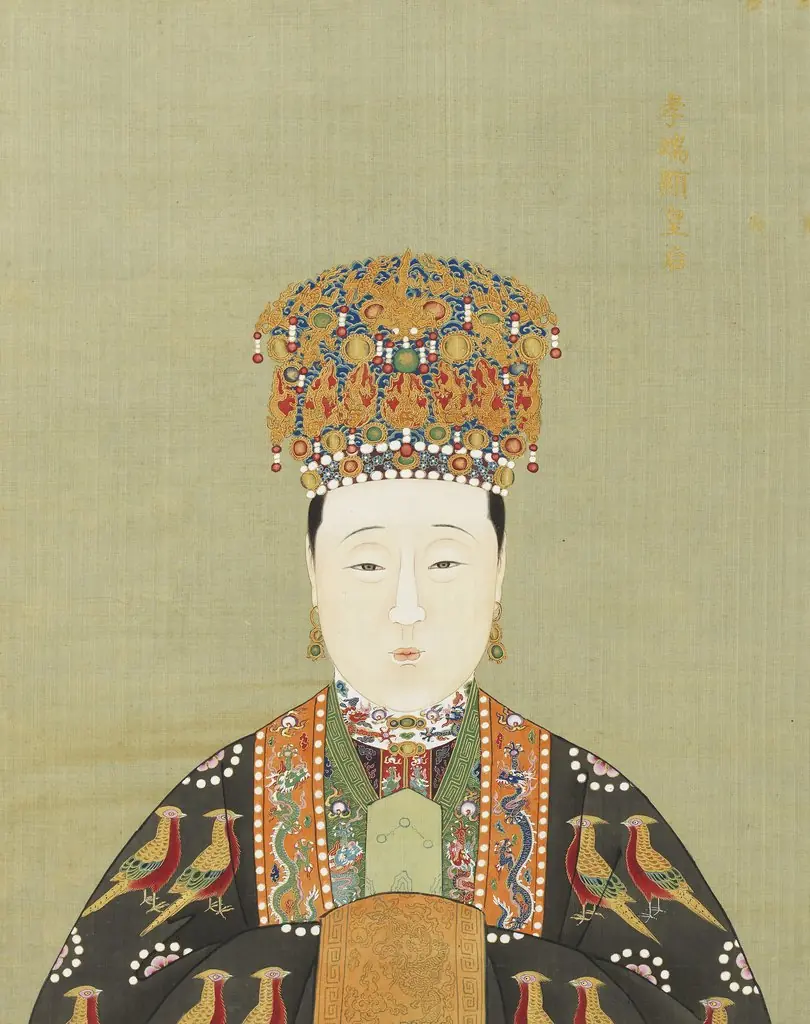
Empress Ma, posthumously honored as Xiaoci Gaohuanghou, is depicted in ceremonial court attire, adorned with phoenix motifs symbolizing imperial authority and virtue. Her composed demeanor and restrained gaze reflect Confucian ideals of maternal virtue and moral governance. The portrait functions as a ritual object, reinforcing dynastic legitimacy through visual representation of ancestral authority.
Technique & Style
The painting employs fine, controlled brushwork to render silk robes, jade ornaments, and hairpins with precision. Color is applied in flat, layered washes, avoiding chiaroscuro or spatial depth. Facial features are idealized, following standardized imperial portraiture templates. The background is left unadorned, focusing attention entirely on the figure and her regalia.
History & Provenance
The portrait was likely produced in the imperial painting academy during the early Ming period, possibly for ancestral veneration in the imperial temple. It remained within the palace collection until the fall of the dynasty, later entering institutional holdings in the 20th century. Its survival is rare, as many such works were lost during political upheavals.
Context
Imperial portrait series like this were part of a broader Ming practice of visually codifying dynastic continuity. Unlike earlier Song or Yuan depictions, Ming portraits emphasized uniformity and hierarchy, aligning with the Hongwu Emperor’s reforms to centralize authority. These images served both ceremonial and political functions, anchoring rule in ancestral tradition.
Legacy
The series remains a key reference for understanding Ming court aesthetics and gendered representations of power. While not widely exhibited, scholarly study of these portraits has informed reconstructions of Ming ritual dress and institutional iconography. They stand as quiet but enduring records of state-sponsored visual ideology.
Artist & collection

 Domestic Scene
 Giacomo and Cardinal Marco, investing Andrea, Abbot of San Zeno, with his Benefice
 The Nymph of Fontainebleau
 Portrait of a Woman
 Madonna and Child with Saints in the Enclosed Garden
 Venus and Minerva
 Family Group of Four on Sofa
 Wall painting from Room H of the Villa of P. Fannius Synistor at Boscoreale