Artwork
明代帝后半身像册(二)-孝和皇后
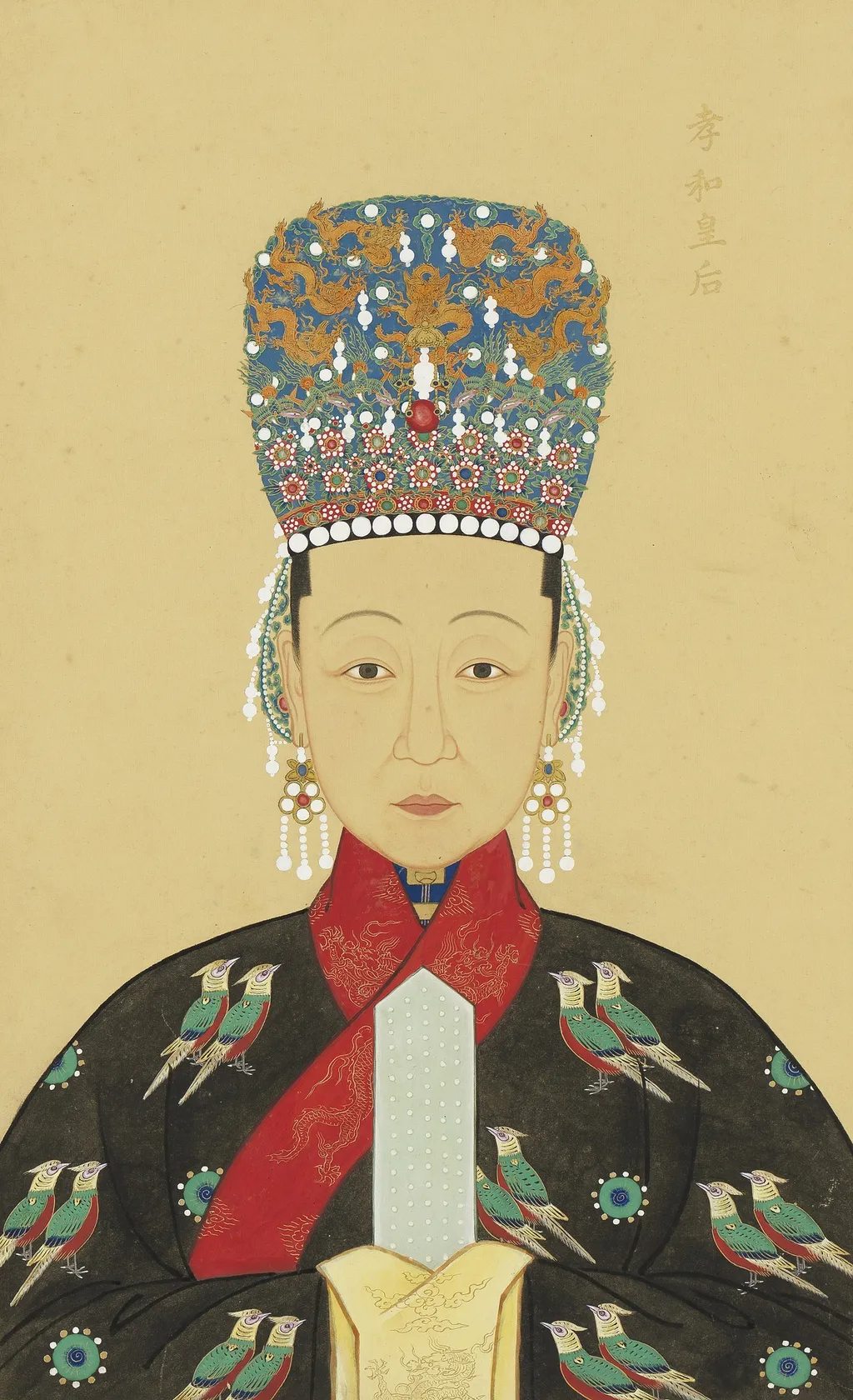
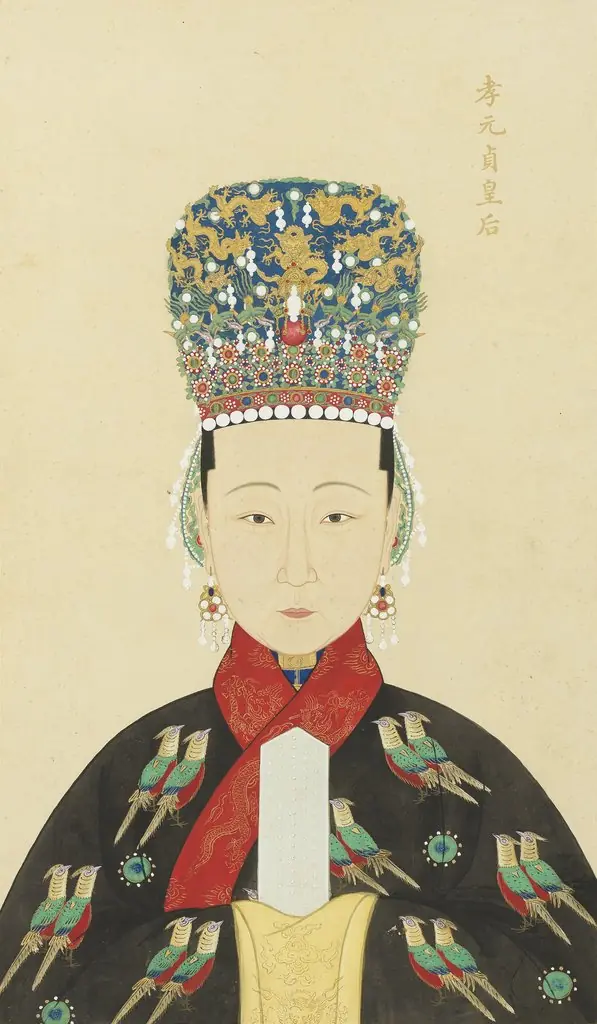
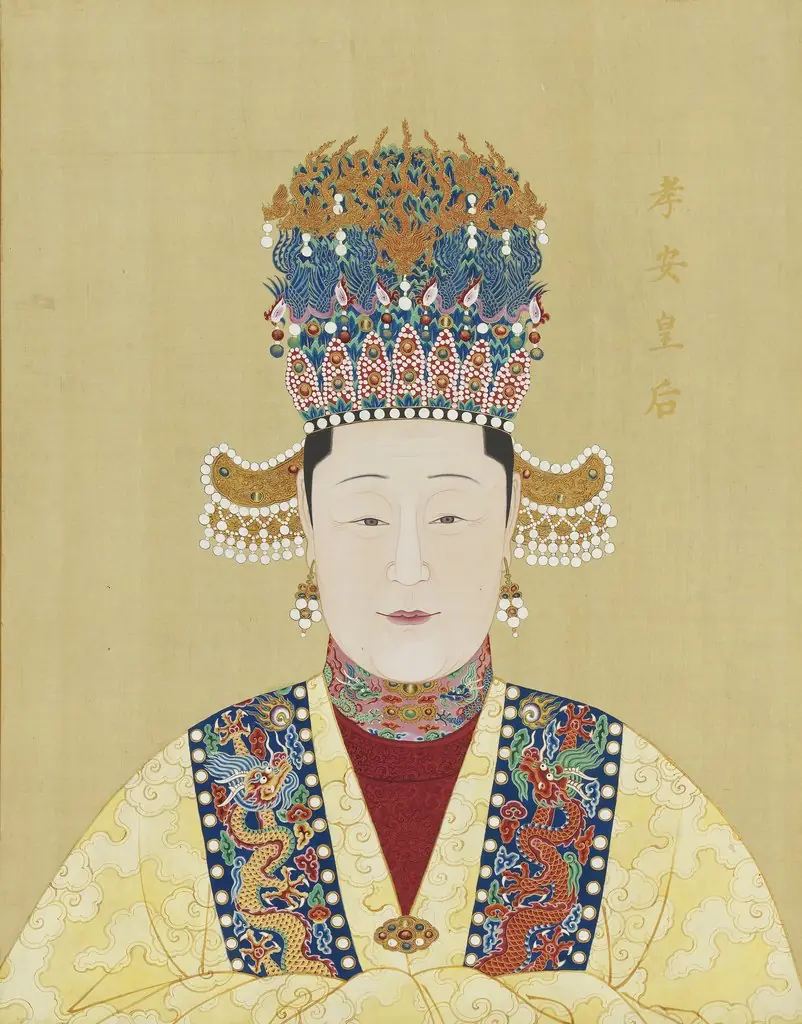
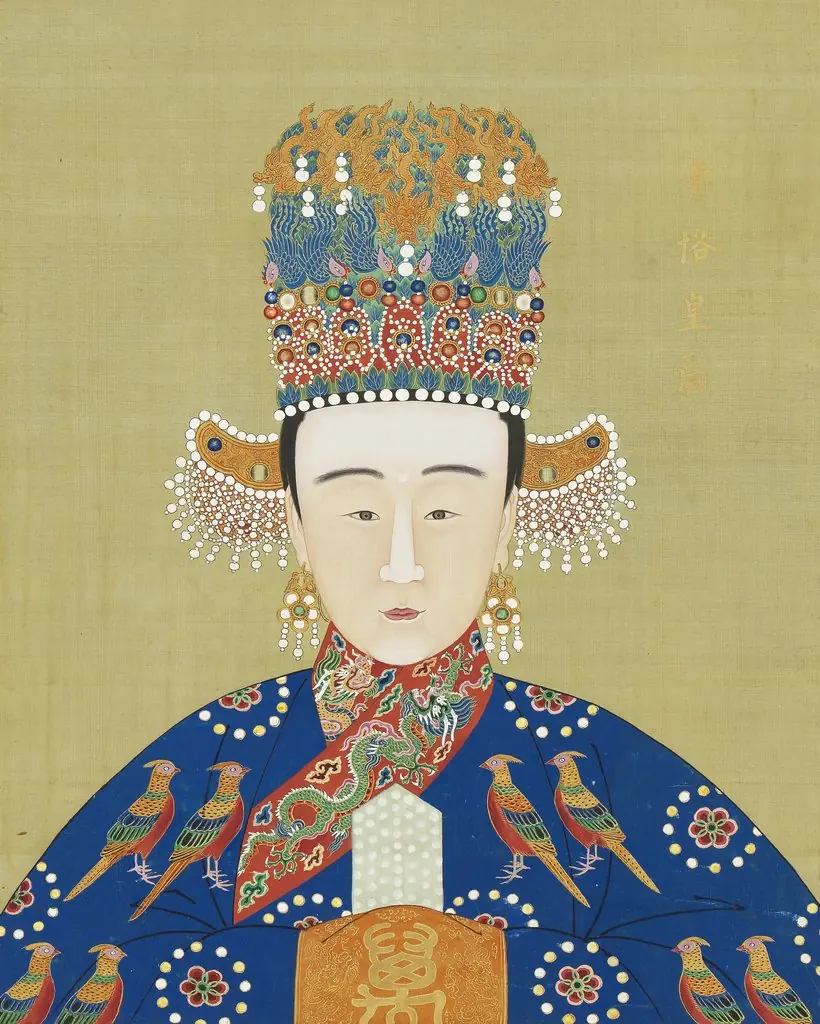
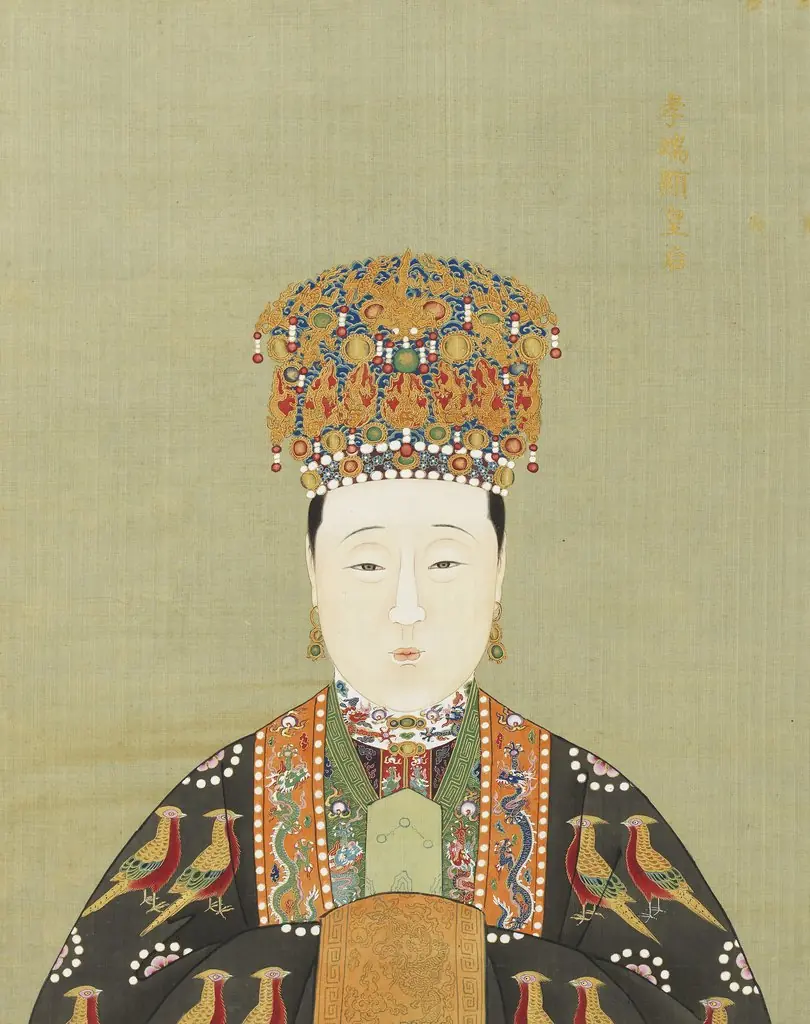
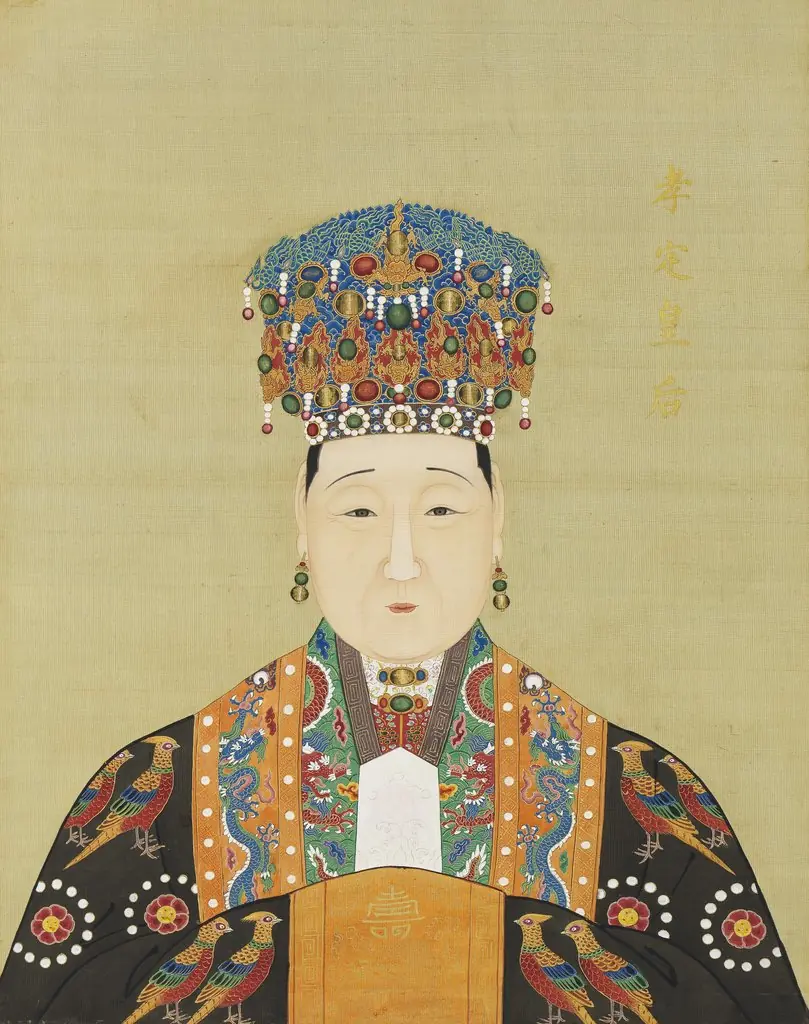
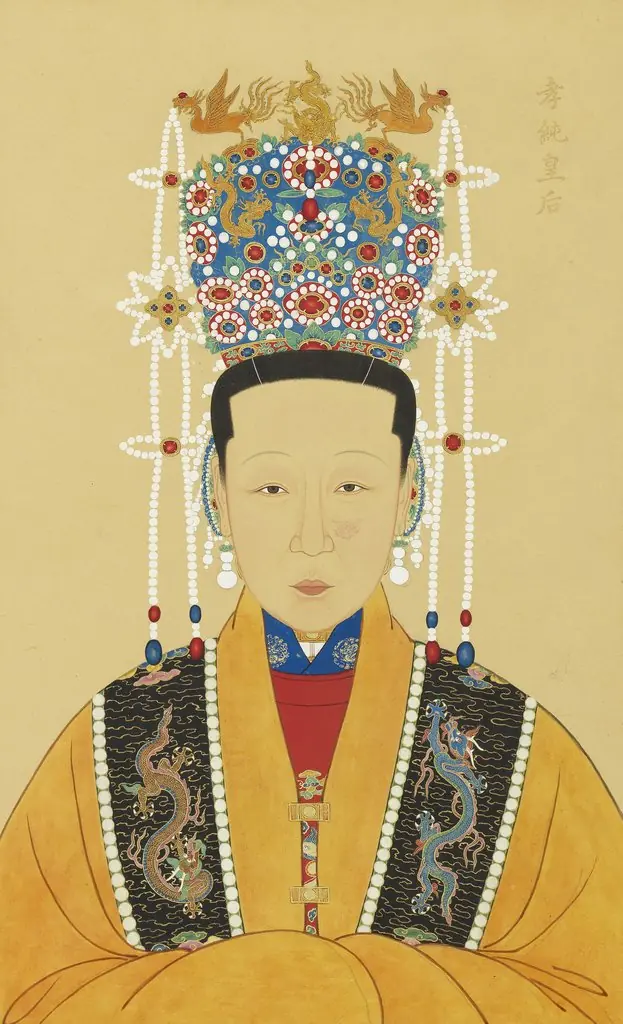
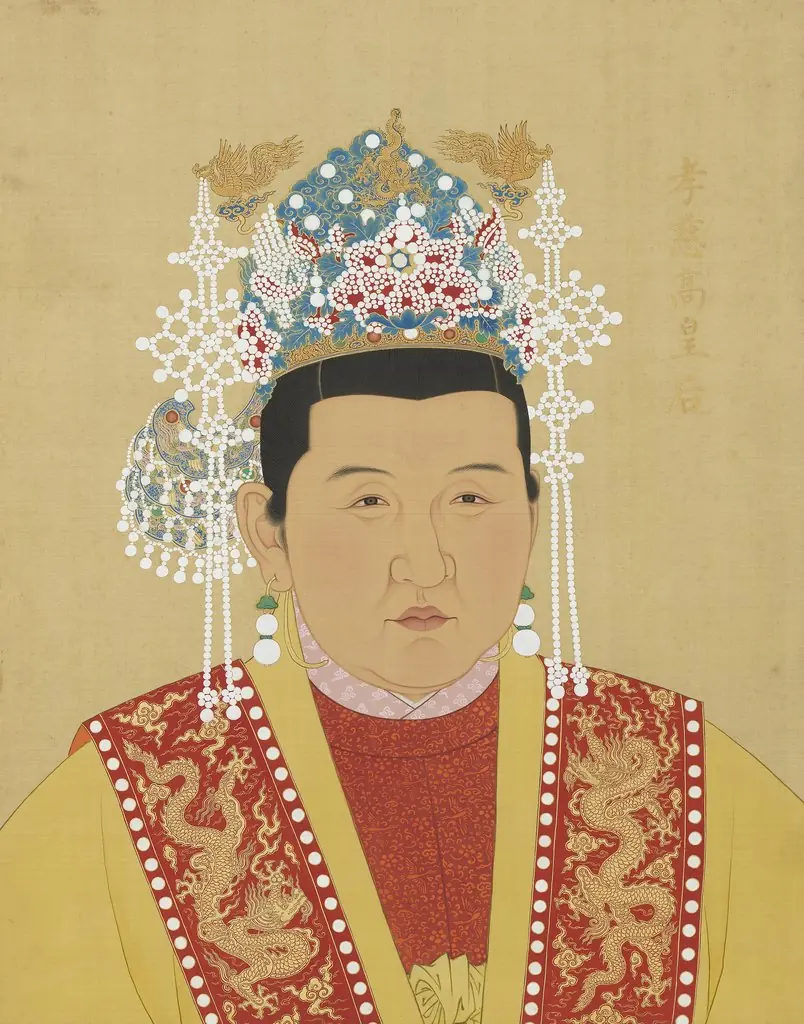
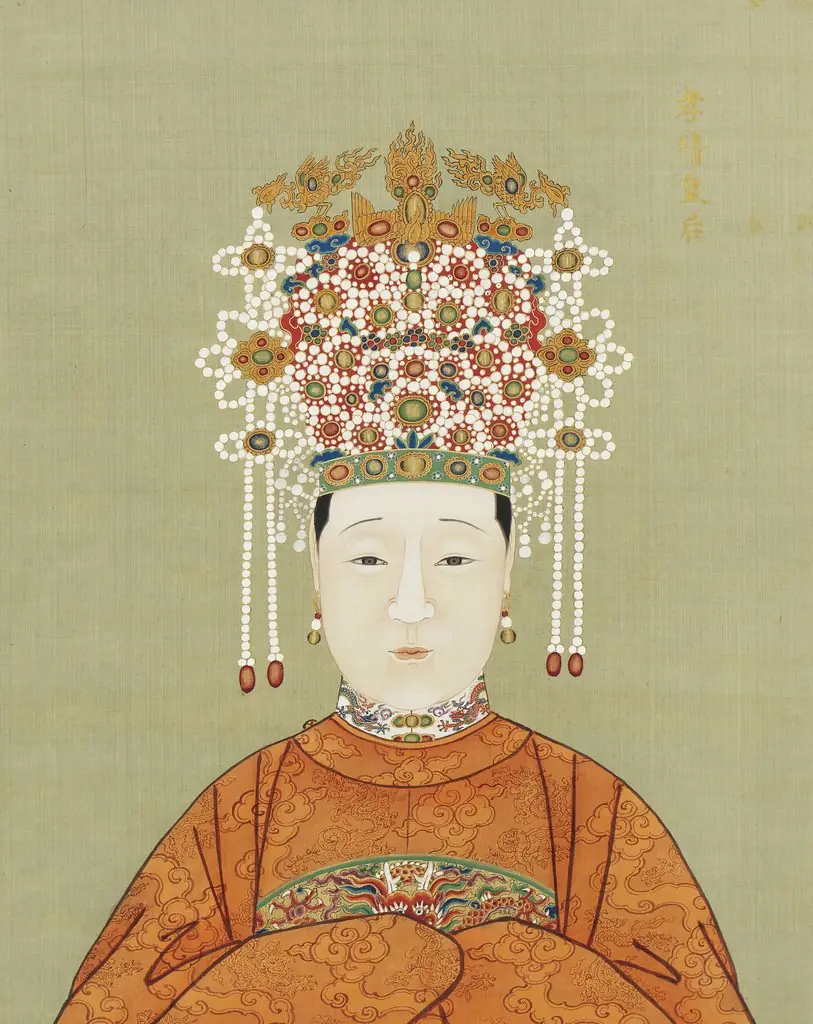
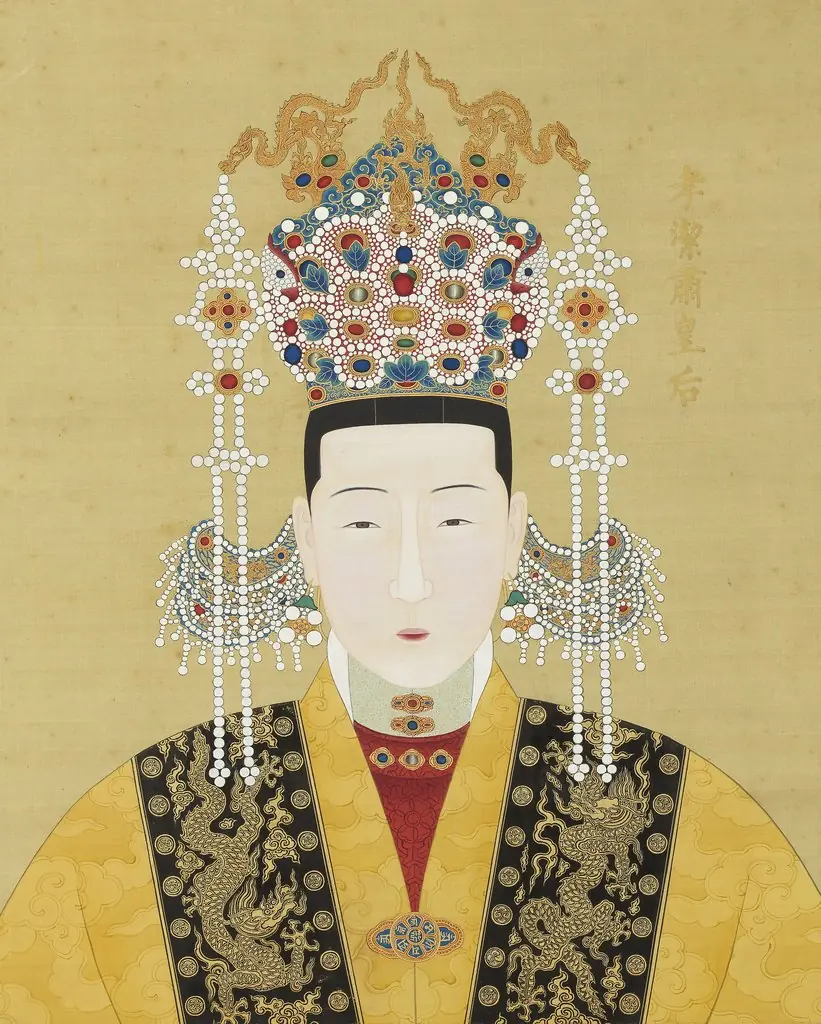
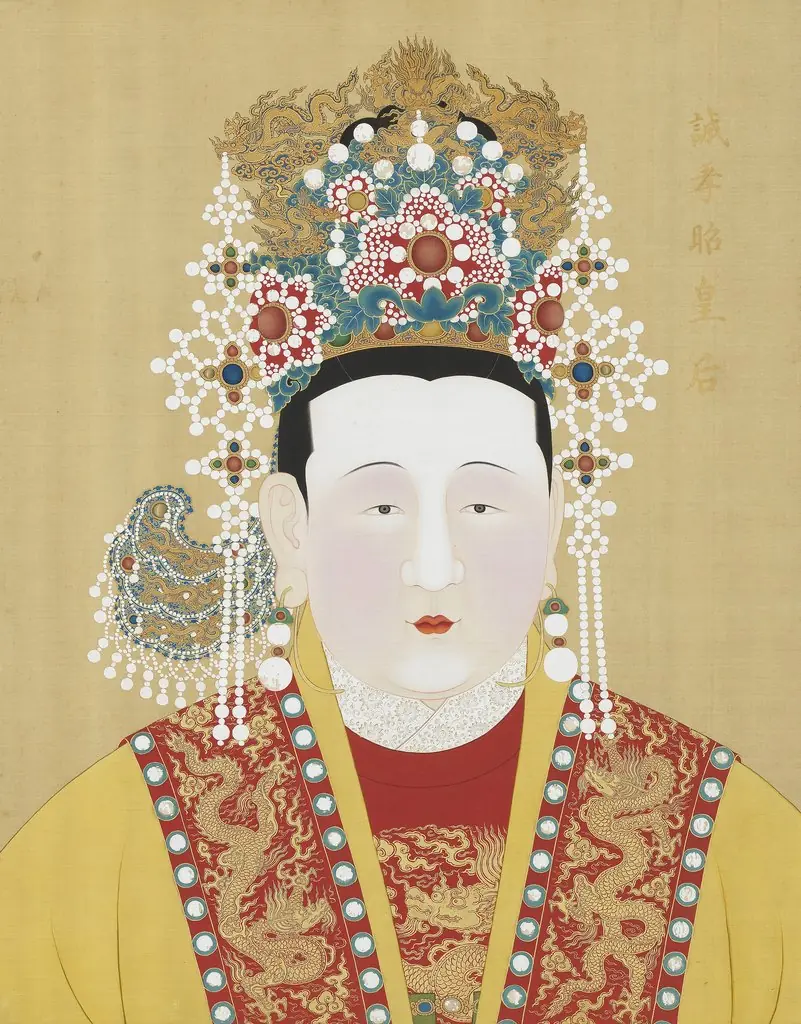
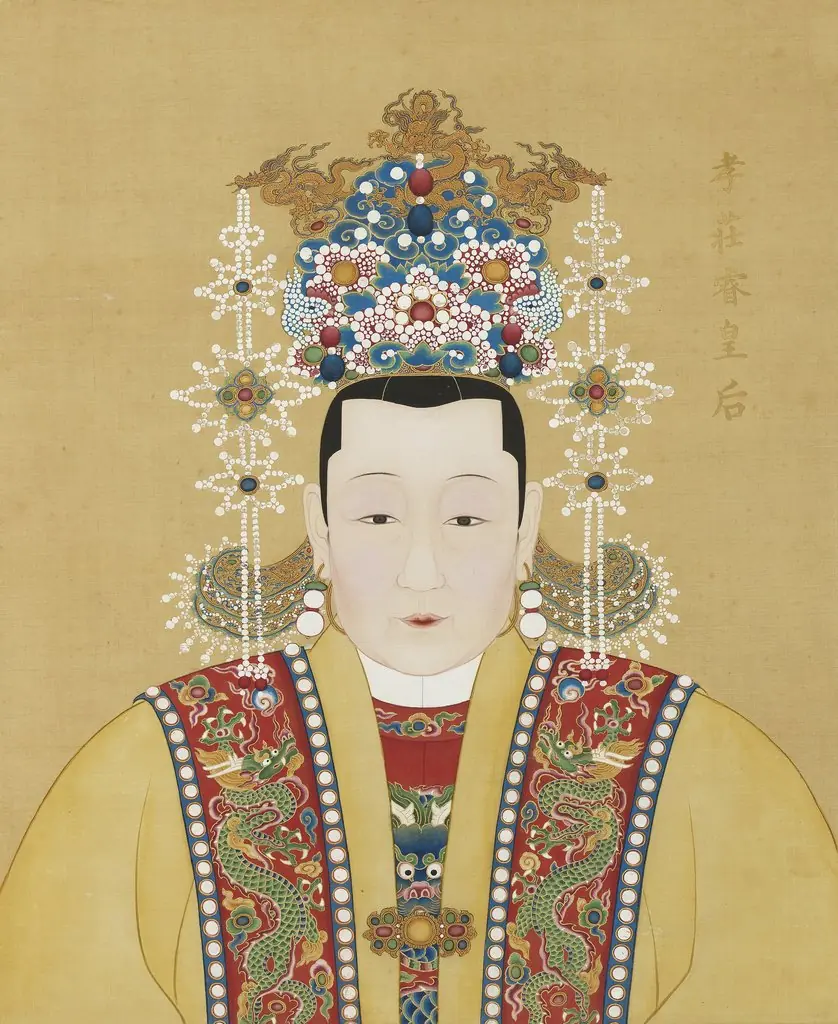
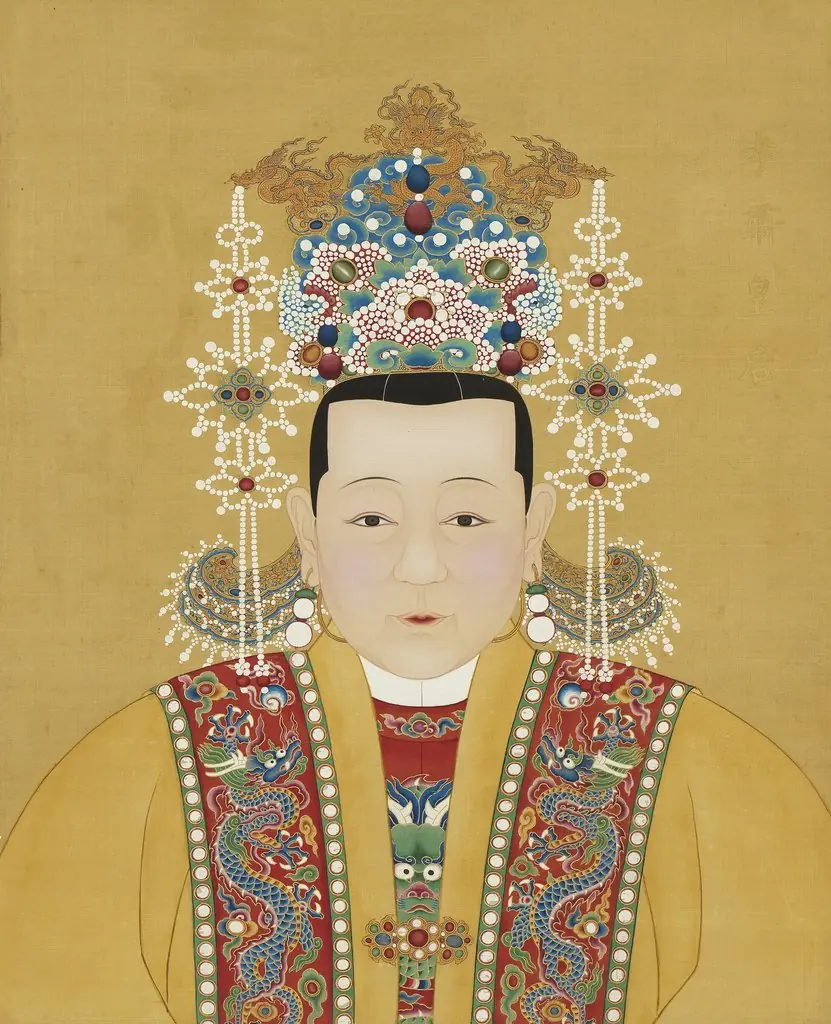
明代帝后半身像册(二)-孝和皇后 is an unspecified painting by Unknown. It dates from 1850 and is held in the collection of the National Palace Museum. This painting is one of a pair of half-length portraits from a Ming dynasty imperial album depicting empresses in formal court attire.
About this work
Overview
This painting is one of a pair of half-length portraits from a Ming dynasty imperial album depicting empresses in formal court attire. Executed in ink and color on silk, it presents an official representation of Empress Xiaohe, consort of the Wanli Emperor. The work adheres to strict court conventions, emphasizing dignity and ritual status over individual expression.
Subject & Meaning
Empress Xiaohe is shown seated, facing forward with hands folded, wearing a ceremonial headdress and layered robes adorned with symbolic embroidery. Her posture and attire reflect Confucian ideals of female virtue and imperial authority. The portrait served not as a personal likeness but as a visual assertion of her role within the dynastic hierarchy, reinforcing legitimacy and order.
Technique & Style
The painting employs fine, controlled brushwork to render textures of silk, gold thread, and jade ornaments. Facial features are rendered with subtle modeling, avoiding dramatic expression. Background is left plain, focusing attention on the figure. Color palette is restrained, dominated by reds, golds, and muted tones, consistent with Ming court aesthetics.
History & Provenance
The portrait likely originated in the imperial atelier during the late 16th century and was preserved in the palace collection. It was later cataloged among imperial portrait albums, possibly used in ancestral rites or administrative documentation. Its survival suggests careful storage within the Forbidden City until the dynasty’s end.
Context
During the Wanli reign, imperial portraiture became increasingly standardized, reflecting bureaucratic control over visual representation. These portraits were not displayed publicly but held in ritual spaces, serving as objects of veneration and political symbolism. The album format allowed for systematic documentation of the imperial lineage.
Legacy
The portrait remains a key example of Ming court painting’s formal discipline. It contributes to scholarly understanding of how gender, power, and ritual were visually encoded in imperial China. Though not widely known outside academic circles, it continues to inform studies of dynastic representation and material culture.
Artist & collection

 Domestic Scene
 Giacomo and Cardinal Marco, investing Andrea, Abbot of San Zeno, with his Benefice
 The Nymph of Fontainebleau
 Portrait of a Woman
 Madonna and Child with Saints in the Enclosed Garden
 Venus and Minerva
 Family Group of Four on Sofa
 Wall painting from Room H of the Villa of P. Fannius Synistor at Boscoreale