Artwork
明代帝后半身像册(二)-孝纯皇后
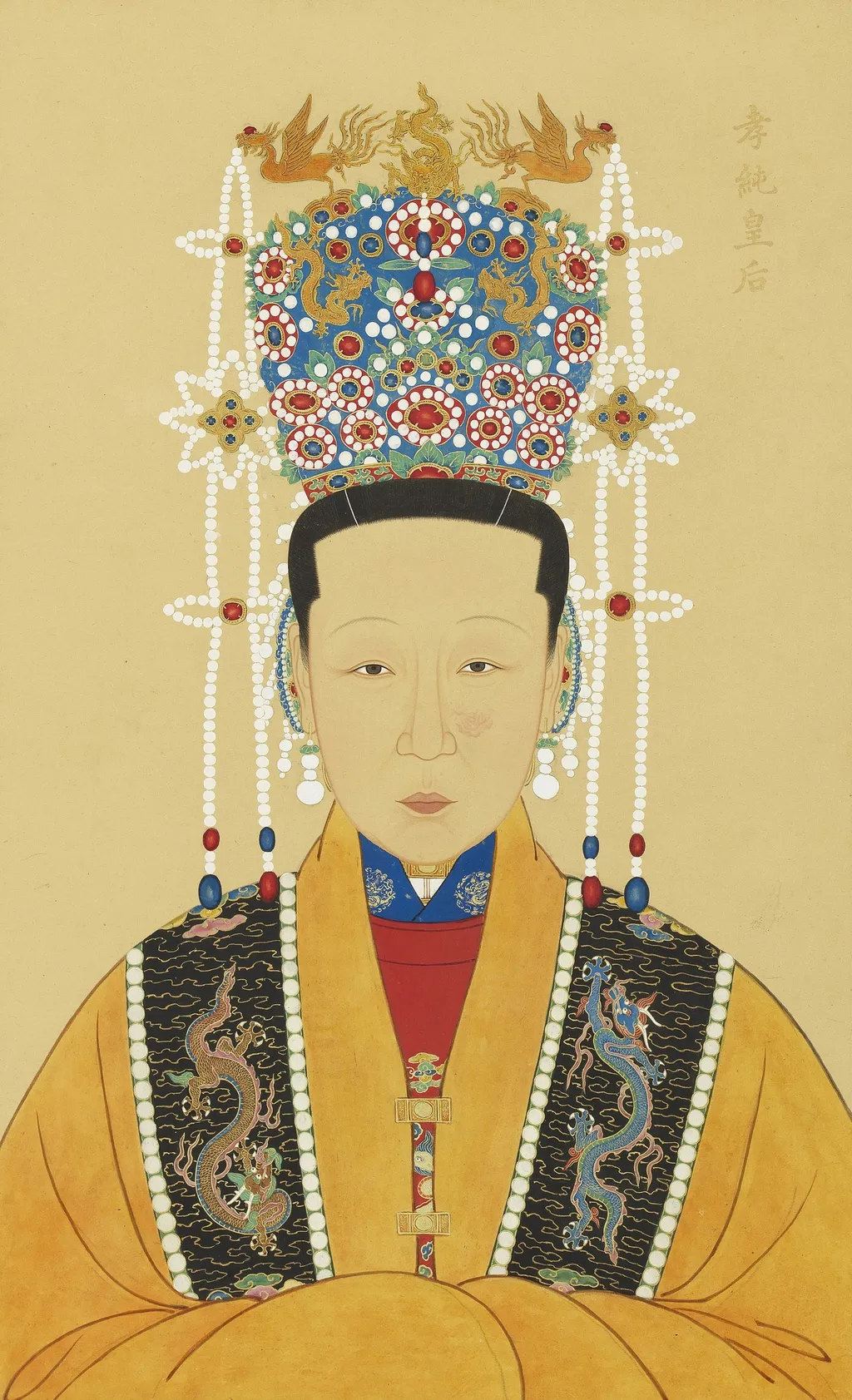
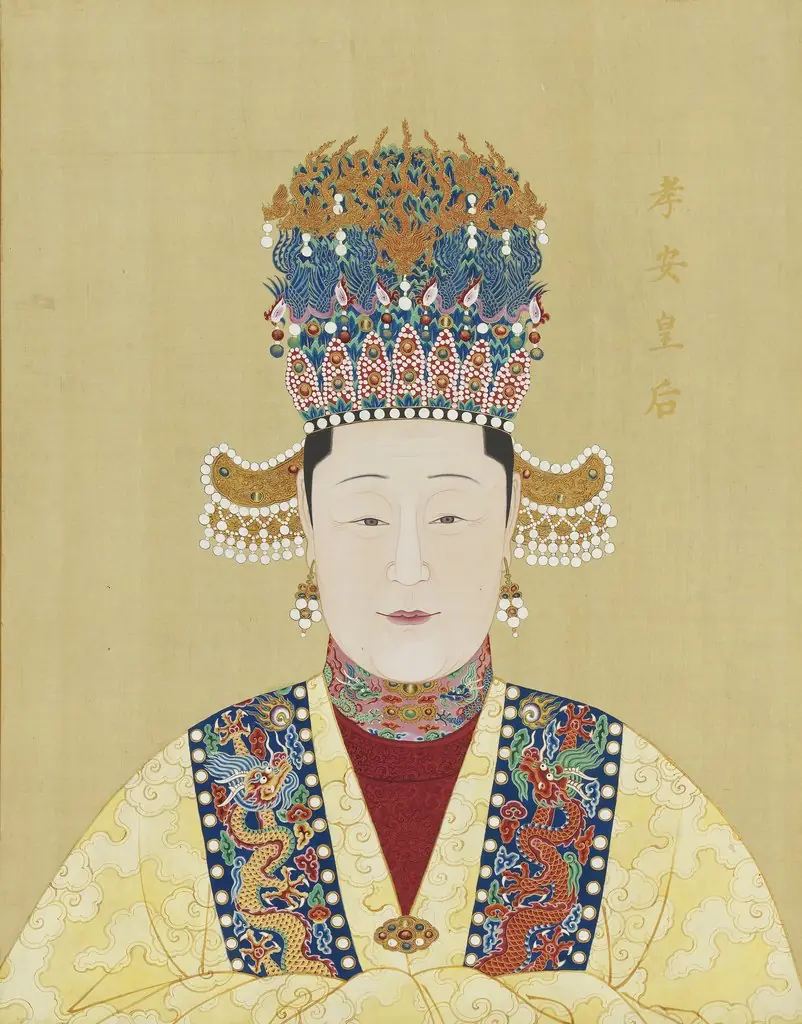
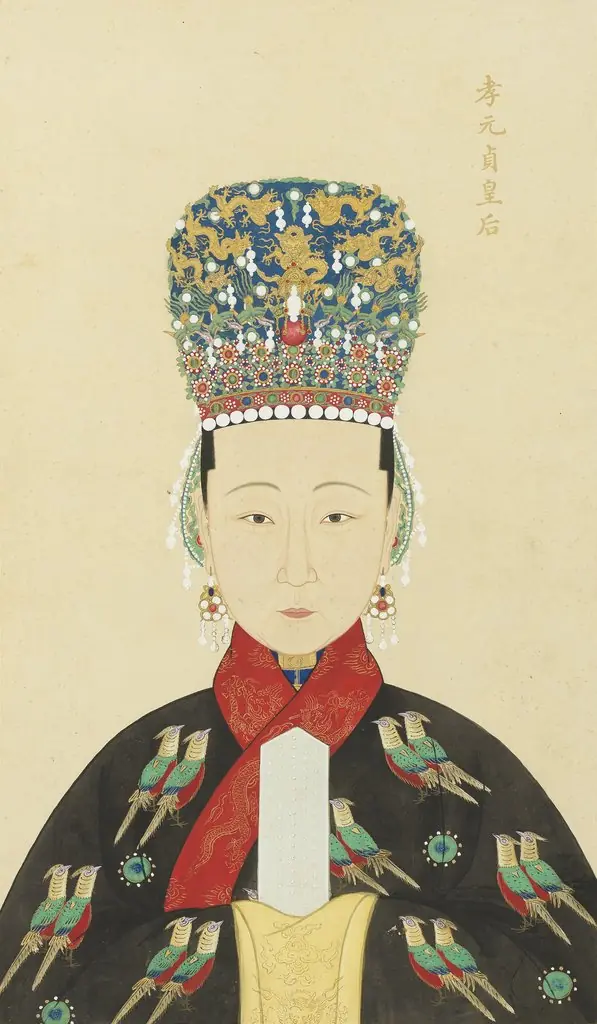
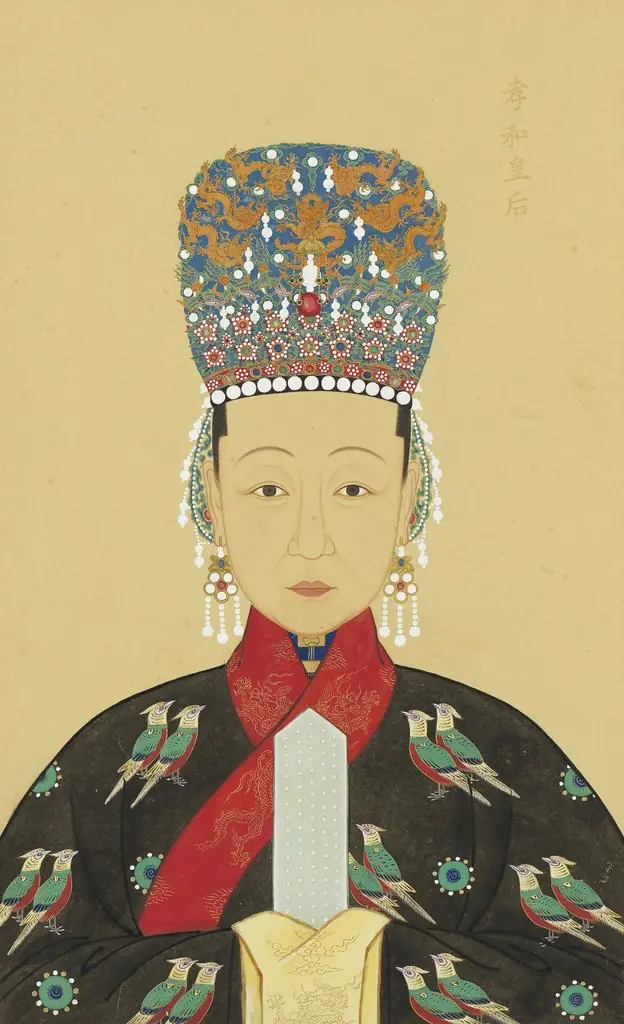
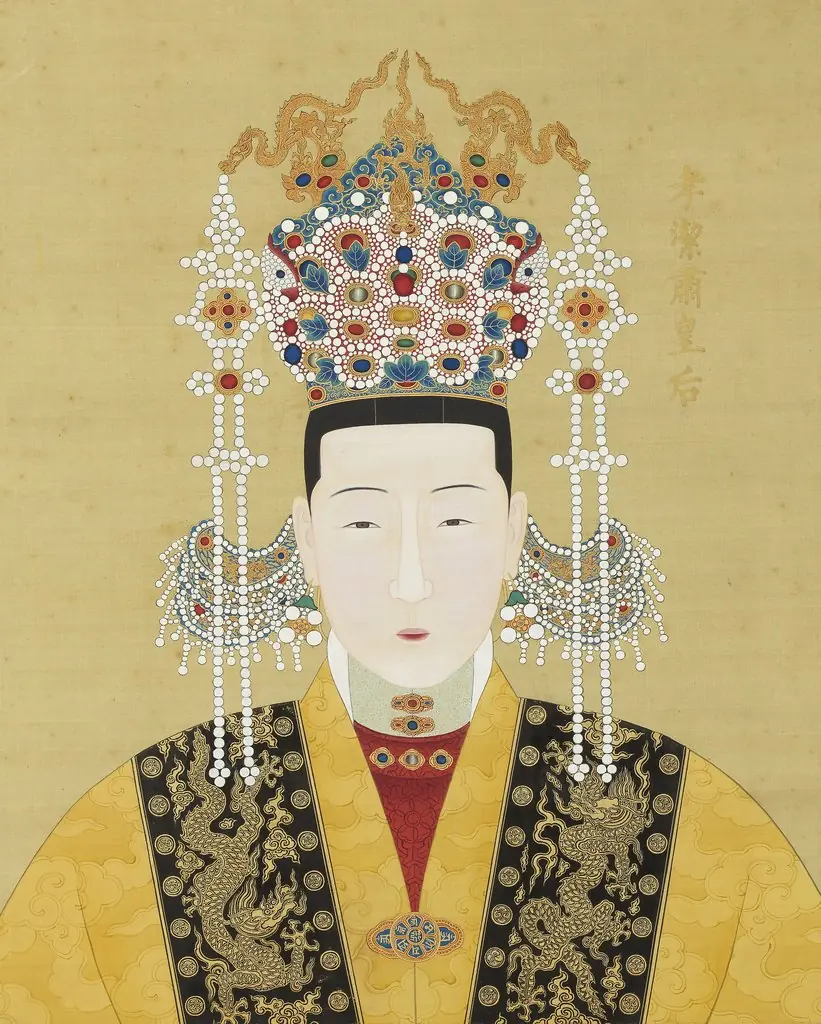
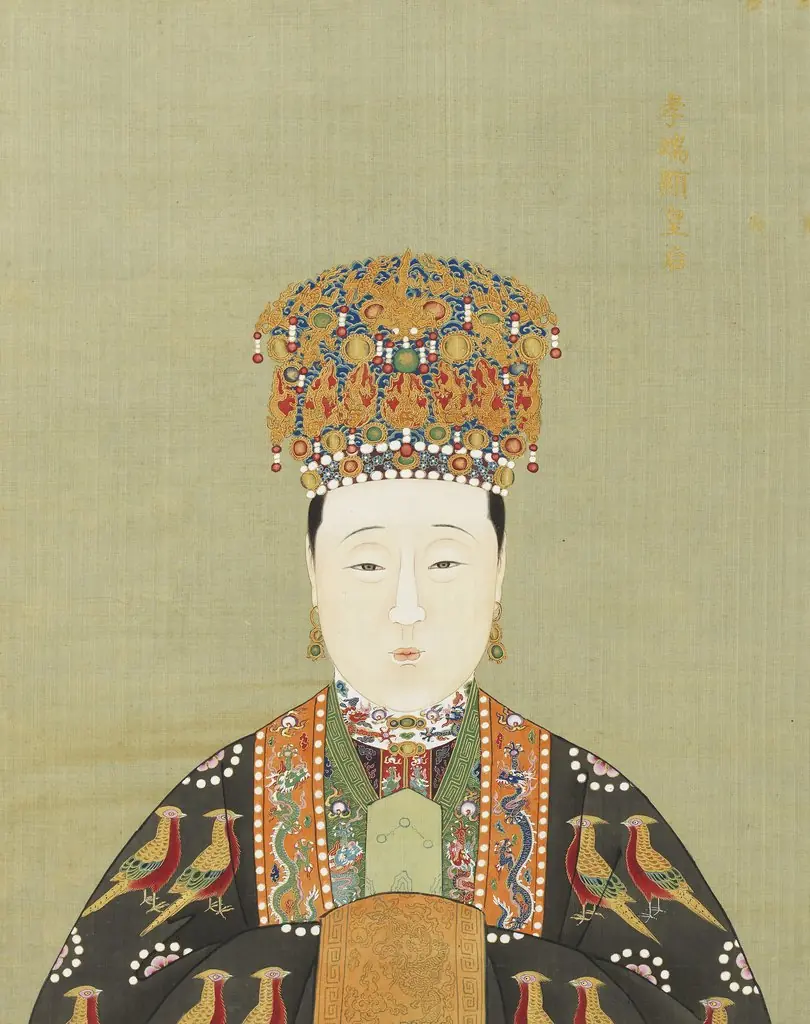
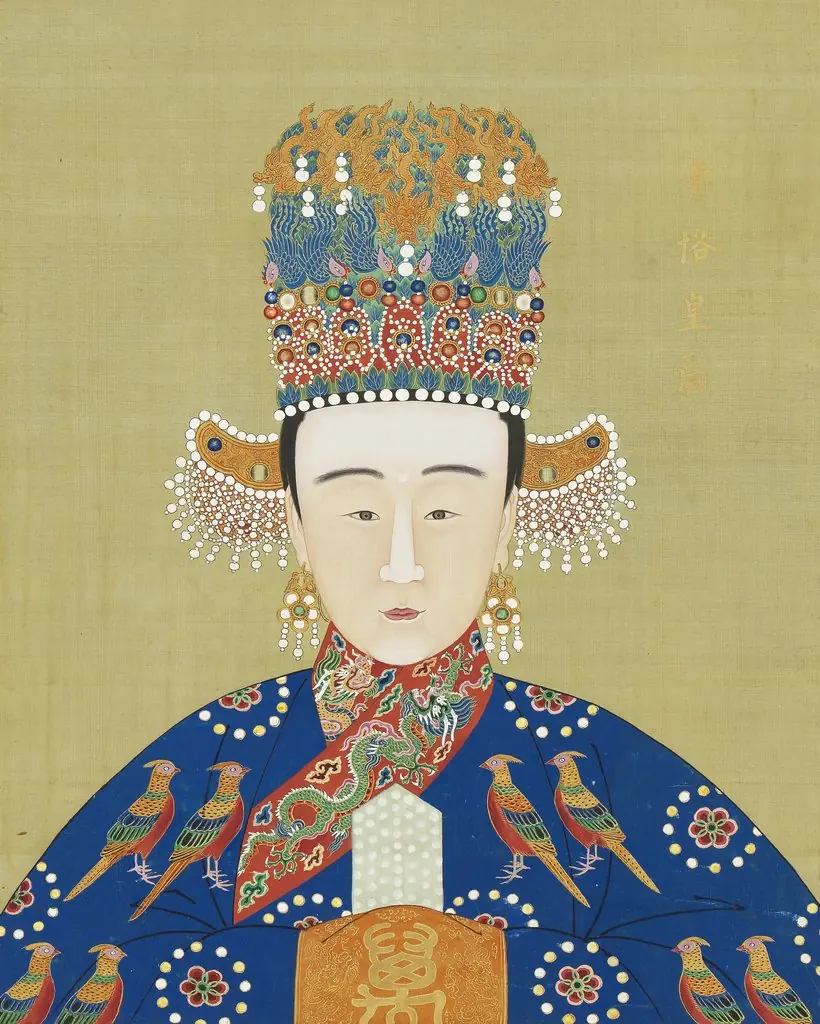
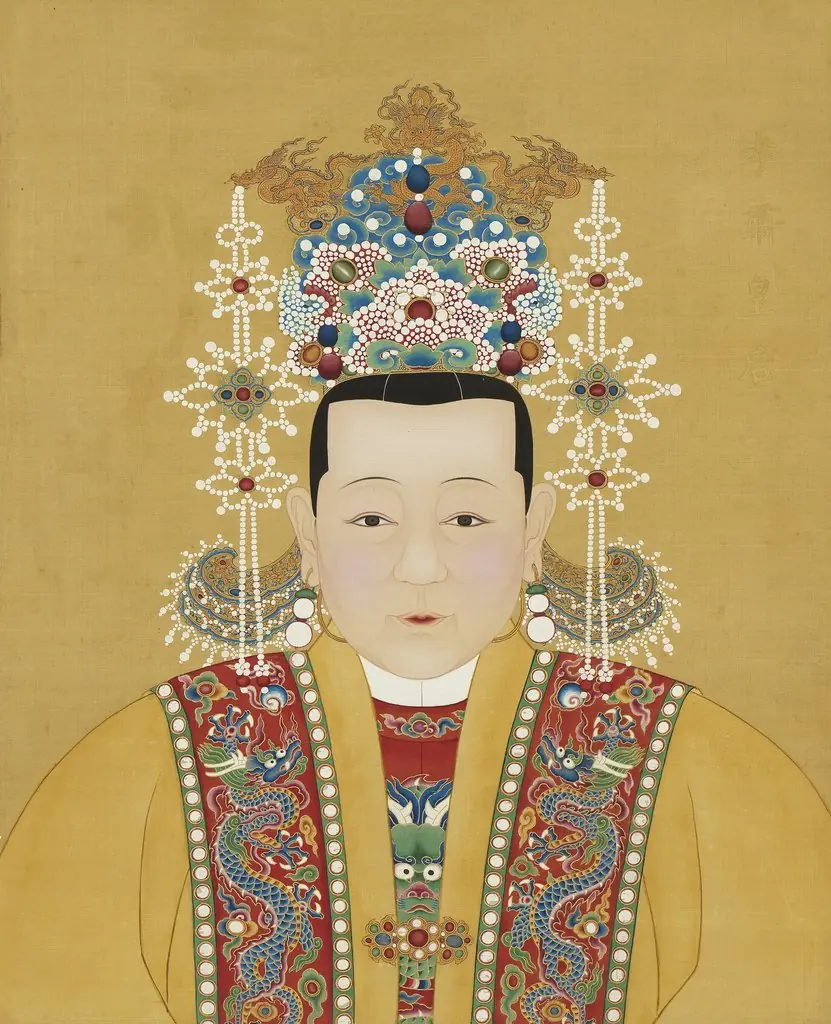
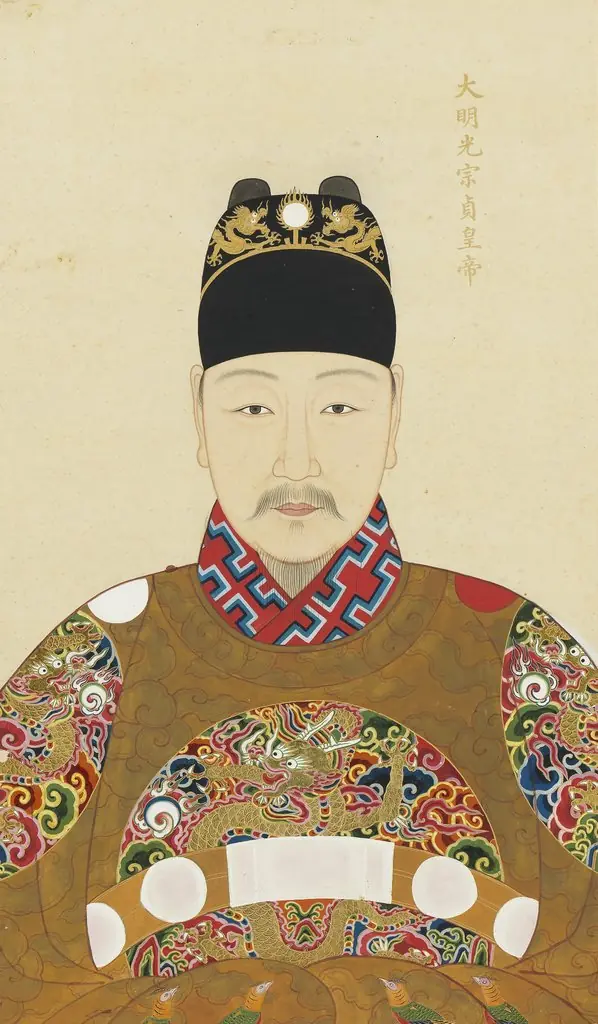
明代帝后半身像册(二)-孝纯皇后 is an unspecified painting by Unknown. It dates from 1850 and is held in the collection of the National Palace Museum. This painted portrait is one of a series depicting Ming dynasty imperial consorts, executed in ink and color on silk.
About this work
Overview
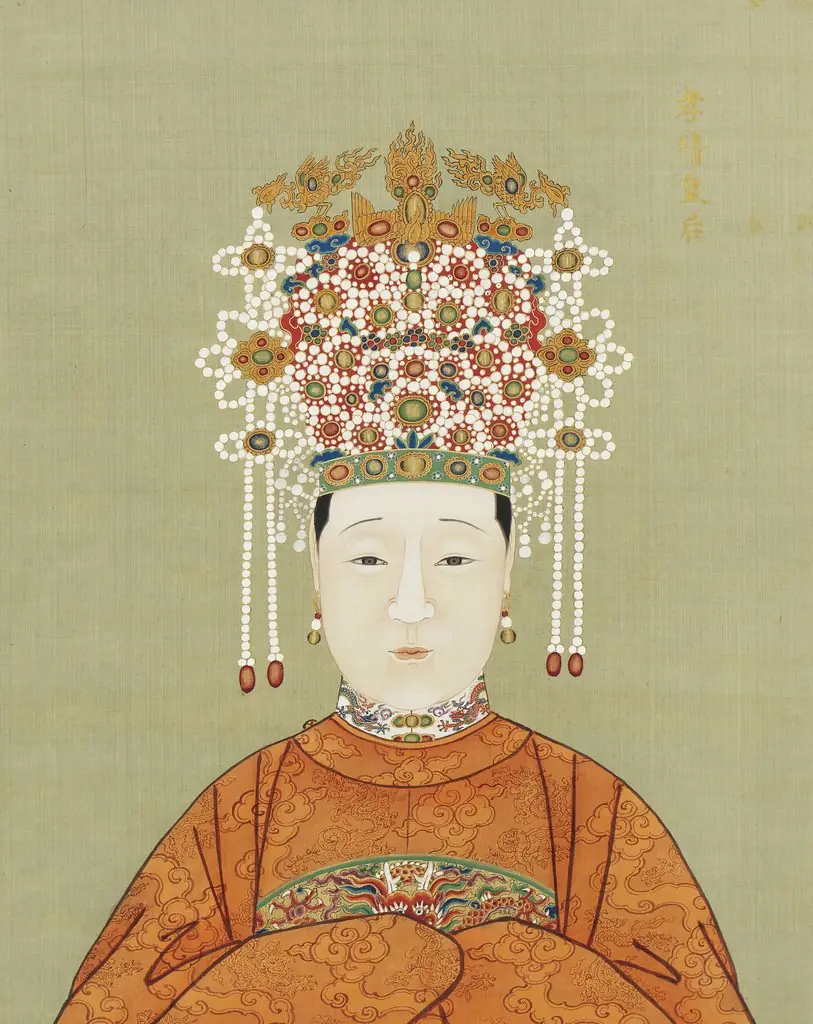
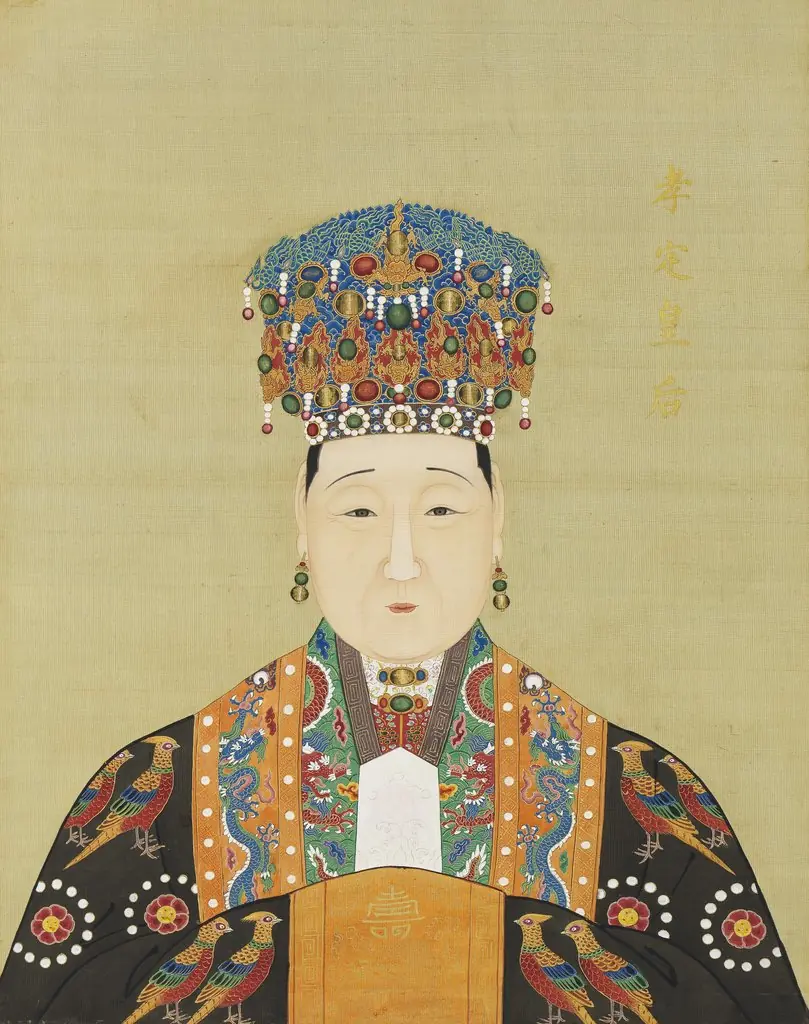
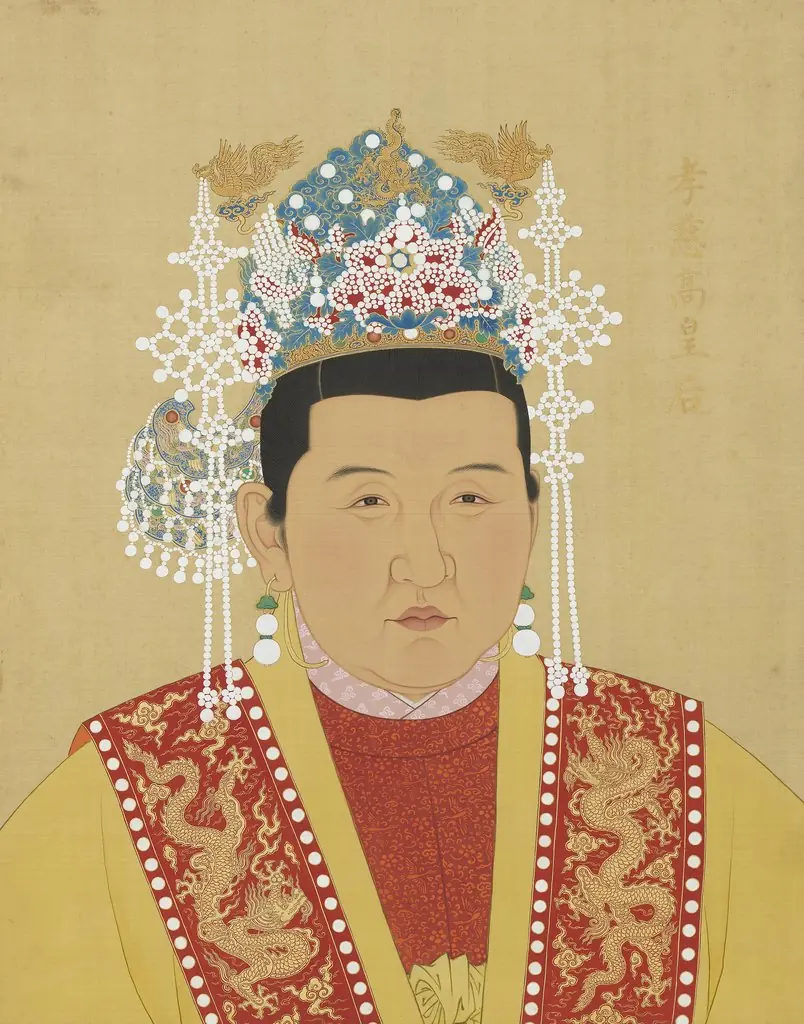
This painted portrait is one of a series depicting Ming dynasty imperial consorts, executed in ink and color on silk. It portrays Empress Xiao Chun, consort to the Wanli Emperor, in formal court attire. The work belongs to a standardized imperial commission tradition, designed to preserve the visual authority of the imperial family through controlled, ceremonial representation.
Subject & Meaning
Her elaborate headdress and layered robes signify rank and ritual status rather than individual personality.
The portrait presents Empress Xiao Chun in static, frontal pose, her expression composed and dignified. Her elaborate headdress and layered robes signify rank and ritual status rather than individual personality. The image functions as an official record, reinforcing Confucian ideals of order and filial piety, where the empress’s role is defined by her position within the imperial lineage rather than personal identity.
Technique & Style
Rendered with fine brushwork and mineral pigments on silk, the painting employs precise outlines and flat areas of color typical of Ming court portraiture. Facial features are idealized, with minimal shading, emphasizing symmetry and restraint. Gold thread details on the robes and intricate patterns in the headdress reflect technical precision and adherence to hierarchical dress codes.
History & Provenance
The portrait was likely produced in the imperial painting academy during the late 16th or early 17th century. It was stored in the imperial collection and later transferred to the Palace Museum in Beijing. Its survival suggests continued institutional care, though its specific ceremonial use after the dynasty’s fall remains undocumented.
Context
Portraits of imperial consorts were part of a broader system of visual governance in Ming China. These images were displayed in ancestral halls during rituals, affirming dynastic continuity. Unlike Western portraiture, Ming court paintings avoided individual expression, prioritizing symbolic representation over likeness to uphold state ideology and ritual propriety.
Legacy
The series of imperial portraits, including this one, remains a key resource for understanding Ming court aesthetics and gendered authority. While no longer used in ritual, they inform modern scholarship on imperial iconography and the material culture of the Ming court, preserving the visual language of power in a pre-modern bureaucratic state.
Artist & collection

 Domestic Scene
 Giacomo and Cardinal Marco, investing Andrea, Abbot of San Zeno, with his Benefice
 The Nymph of Fontainebleau
 Portrait of a Woman
 Madonna and Child with Saints in the Enclosed Garden
 Venus and Minerva
 Family Group of Four on Sofa
 Wall painting from Room H of the Villa of P. Fannius Synistor at Boscoreale