Artwork
Page from Tales of a Parrot (Tuti-nama): text page
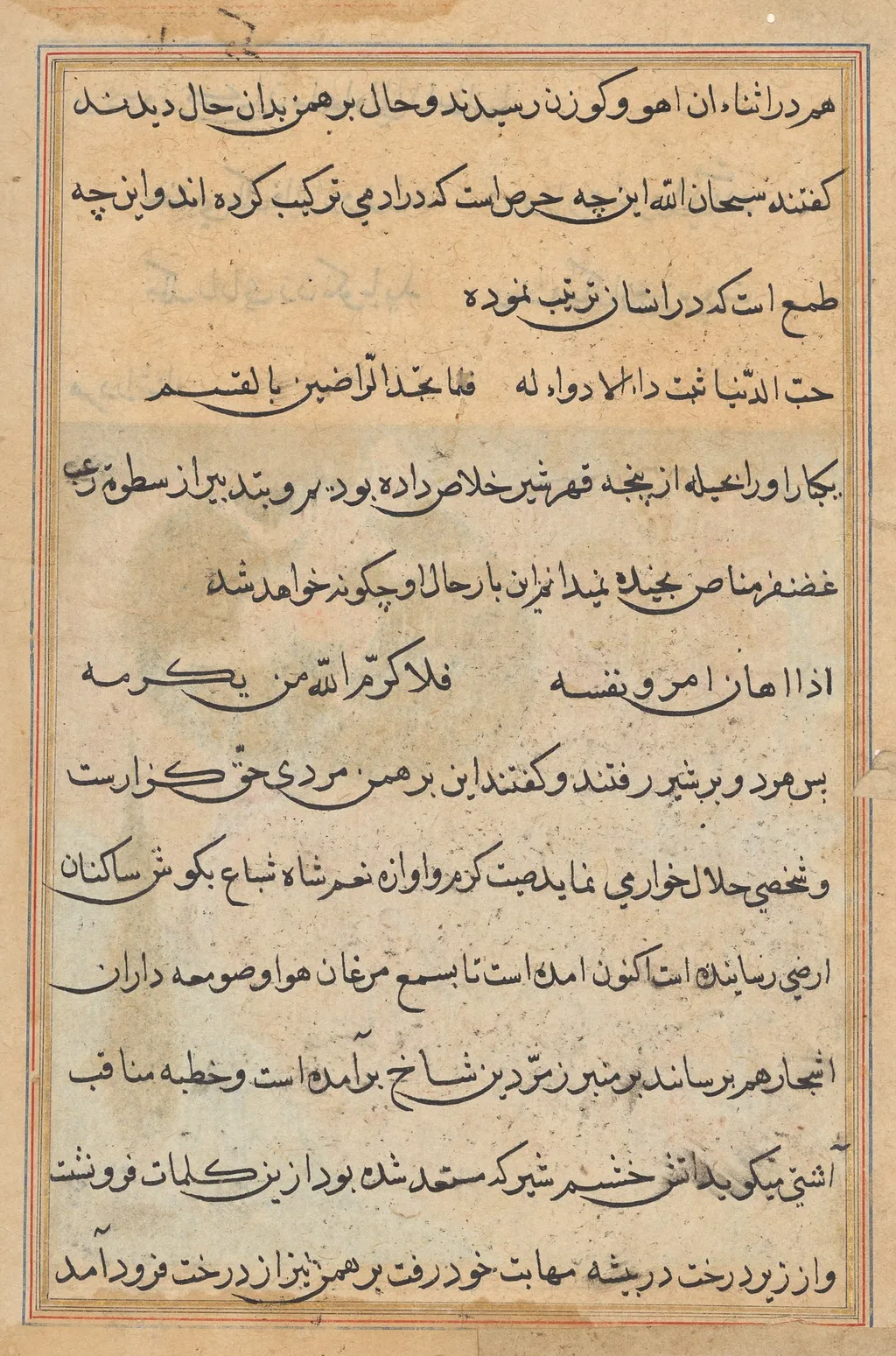
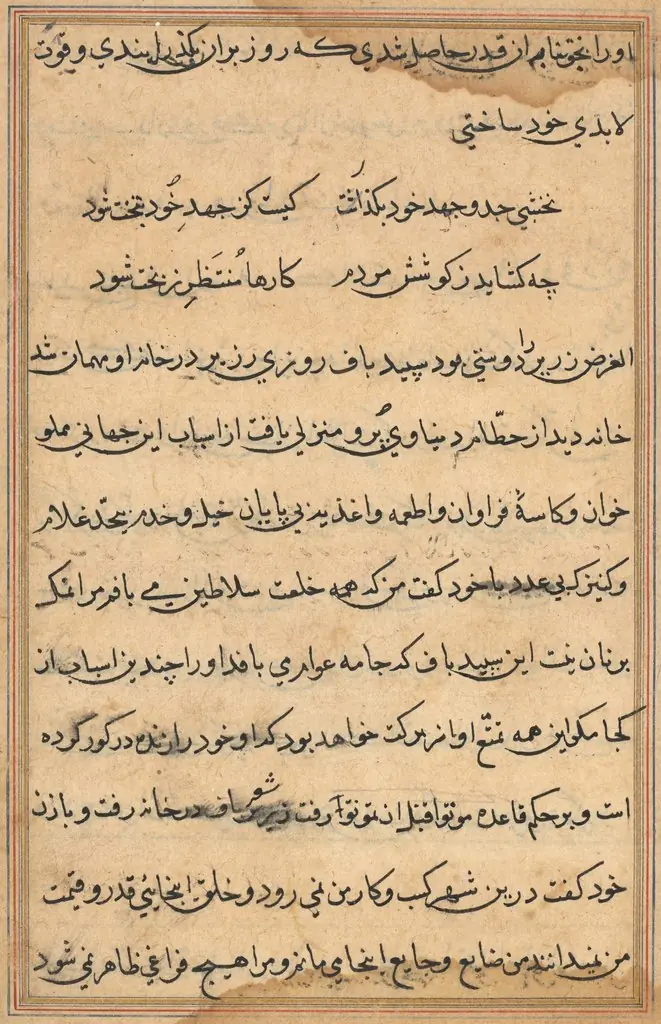
Page from Tales of a Parrot (Tuti-nama): text page is an unspecified painting. It dates from 1560 and is held in the collection of the Cleveland Museum of Art. The object is a painted page from the manuscript known as *Tales of a Parrot* (Tuti‑nama).
About this work
Overview
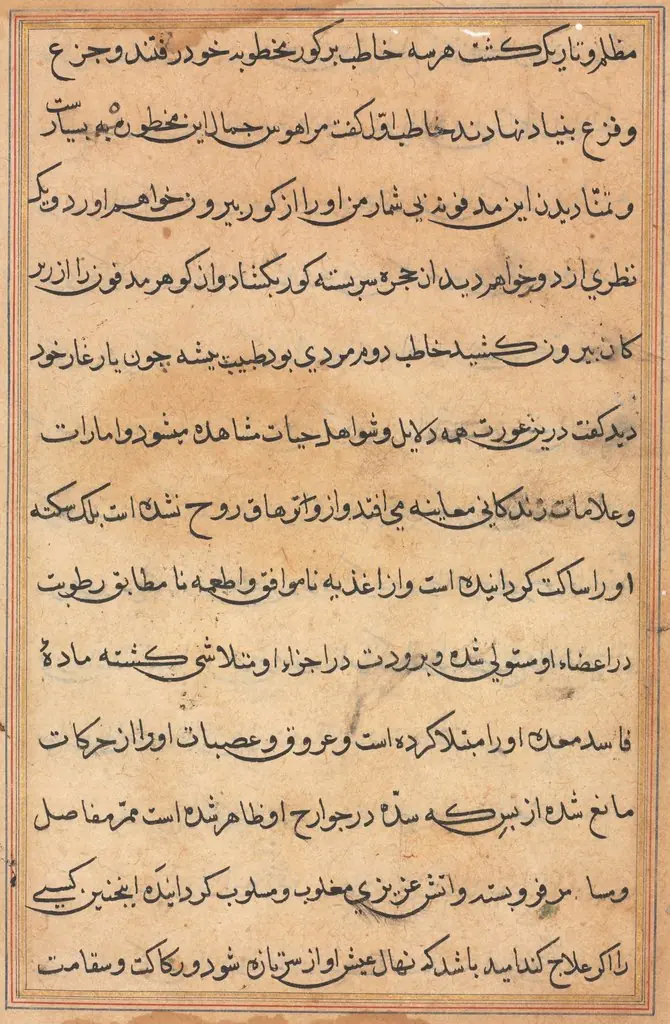
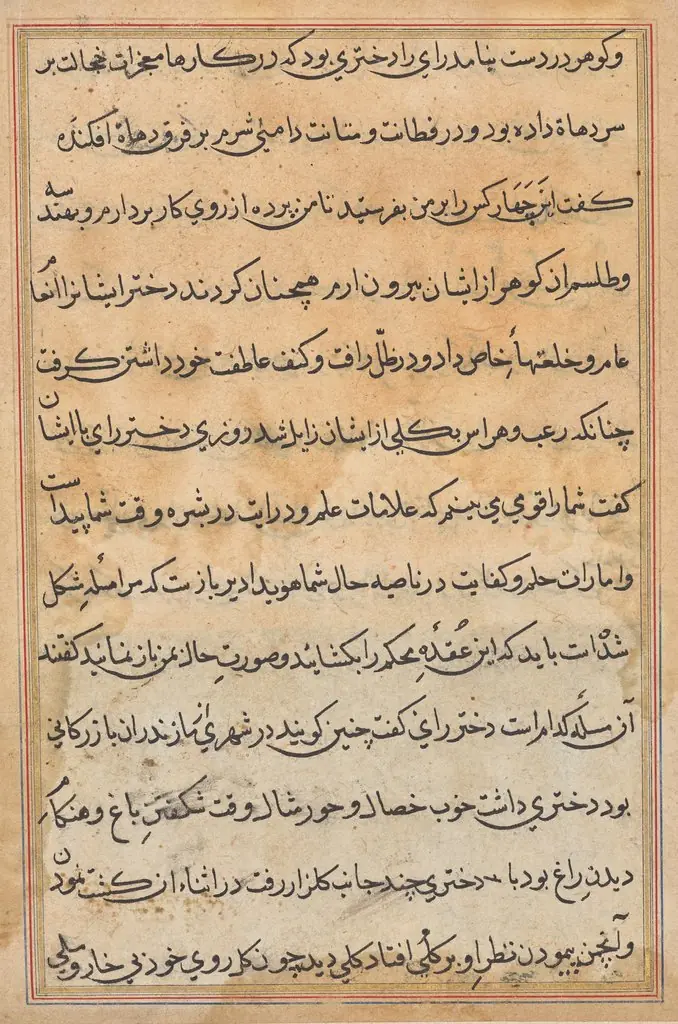
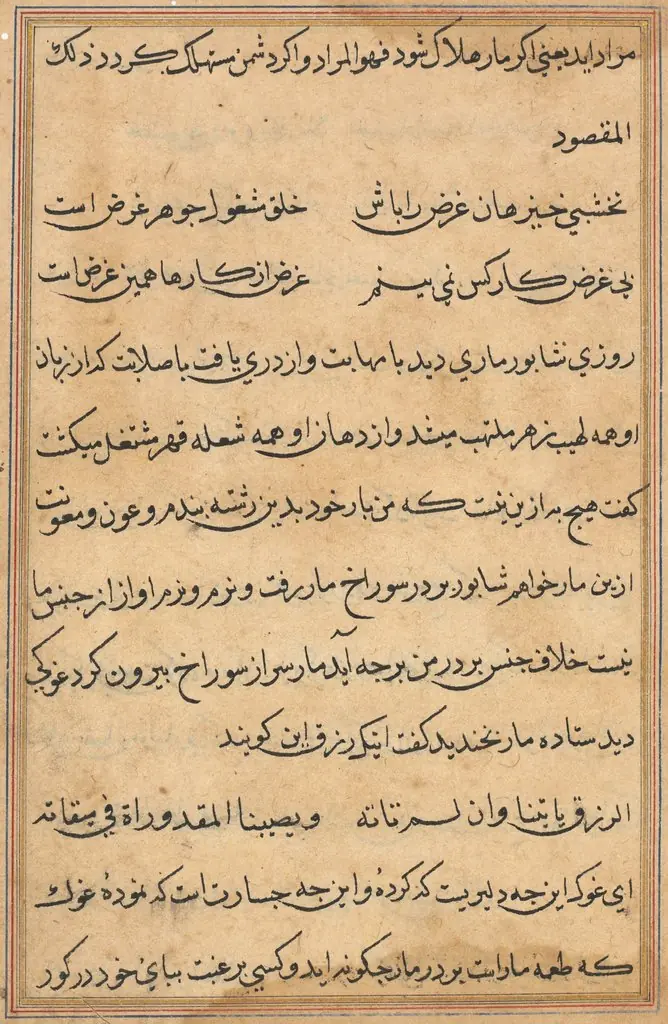
The object is a painted page from the manuscript known as *Tales of a Parrot* (Tuti‑nama). It consists of a single leaf of light‑brown, aged paper bearing black ink text. The script is hand‑written, with portions rendered in a more ornamental hand, and the page contains no illustrative imagery.
Subject & Meaning
The text forms part of a literary work that recounts stories associated with a parrot, a motif common in Persian and South Asian narrative traditions. While the specific content of this leaf is not described, the title suggests the page contributes to a collection of moral or entertaining tales conveyed through the voice of a bird.
Technique & Style
The page was created using ink applied by hand, likely with a reed or quill pen, on a substrate of rag‑based paper typical of pre‑modern manuscripts. The calligraphic style varies, indicating a skilled scribe who employed decorative strokes for emphasis, a practice that blends functional writing with aesthetic embellishment.
History & Provenance
As a component of the *Tuti‑nama*, the page originates from a manuscript tradition that flourished in the Islamic world between the 14th and 17th centuries. Its survival on light‑colored paper suggests it was part of a bound codex that has been separated or reproduced for study.
Context
Manuscript culture in the regions where the *Tuti‑nama* was produced valued the integration of text and visual refinement. Even without illustrations, the decorative script reflects the cultural importance of presenting literary works with a degree of visual elegance, enhancing the reader’s engagement with the narrative.
Artist & collection

 Page from Tales of a Parrot (Tuti-nama): text page
 Page from Tales of a Parrot (Tuti-nama): text page
 Page from Tales of a Parrot (Tuti-nama): text page
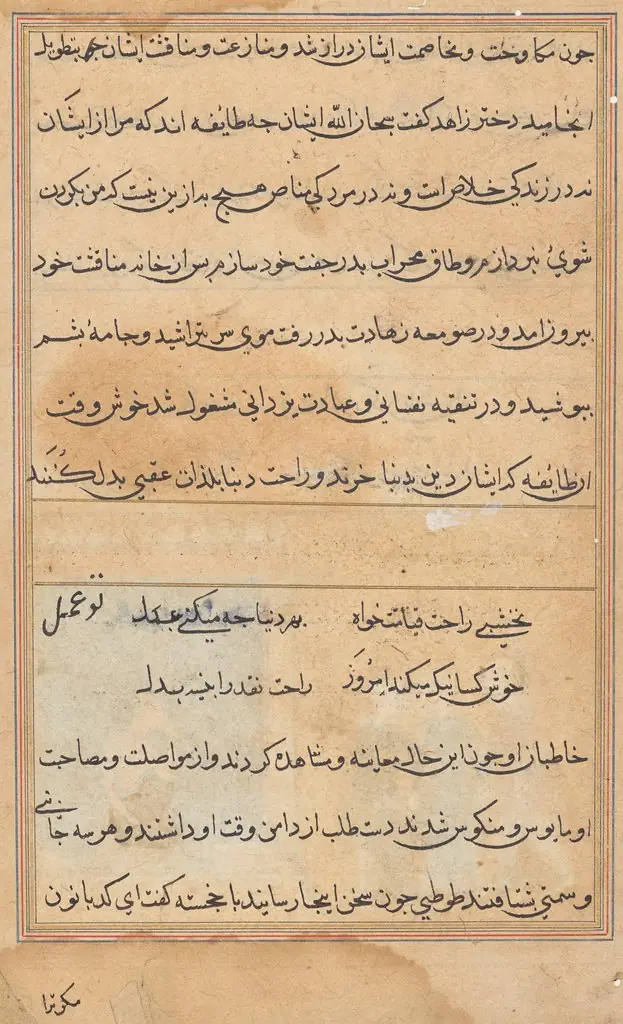 Page from Tales of a Parrot (Tuti-nama): text page
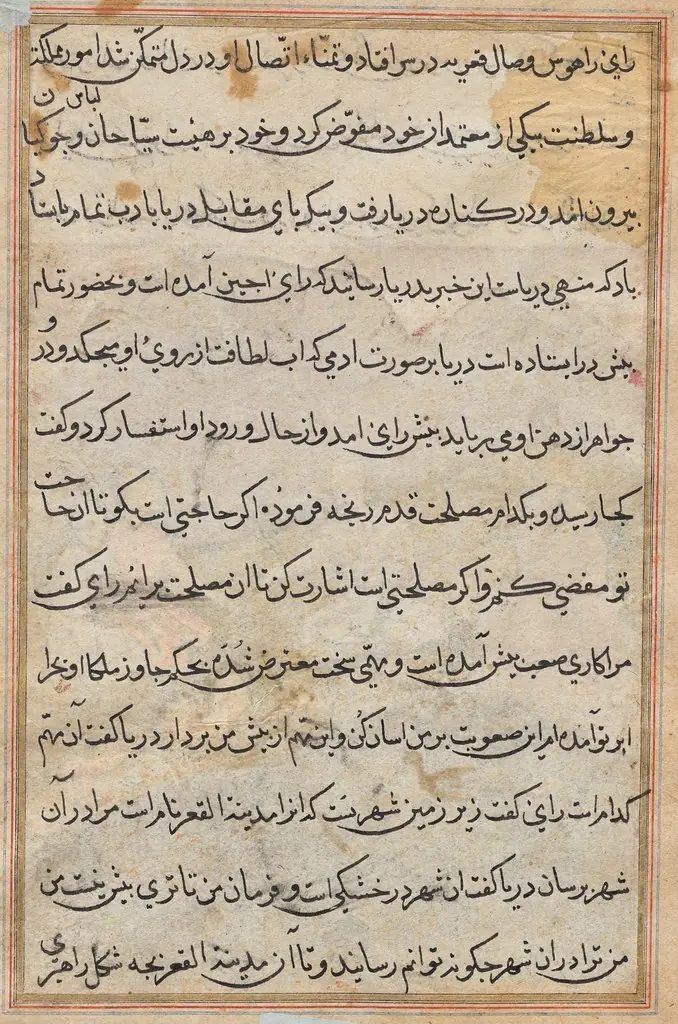 Page from Tales of a Parrot (Tuti-nama): text page
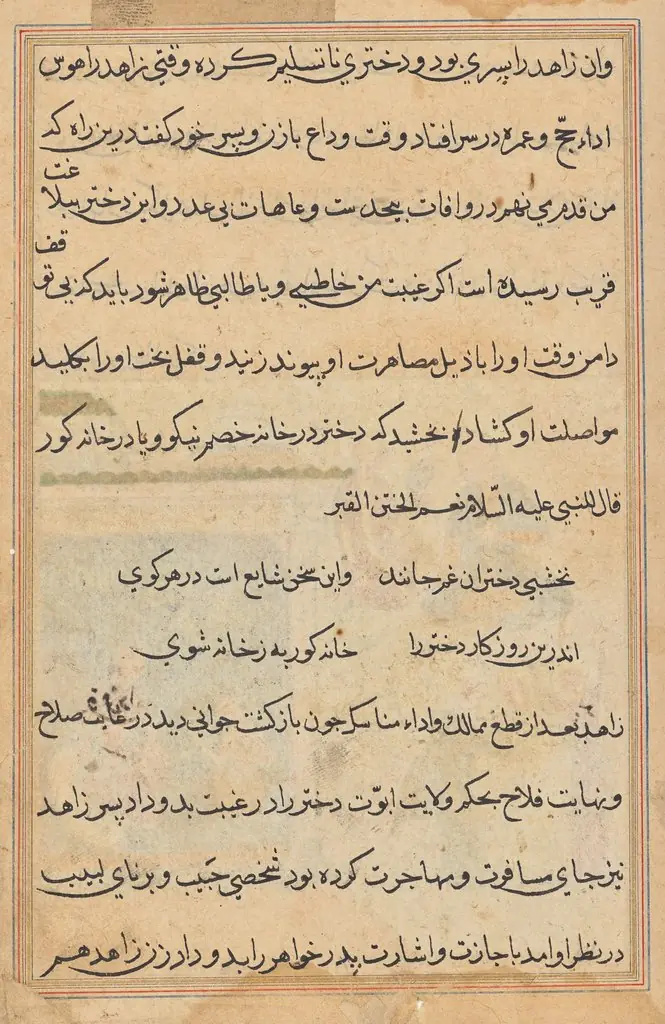 Page from Tales of a Parrot (Tuti-nama): text page
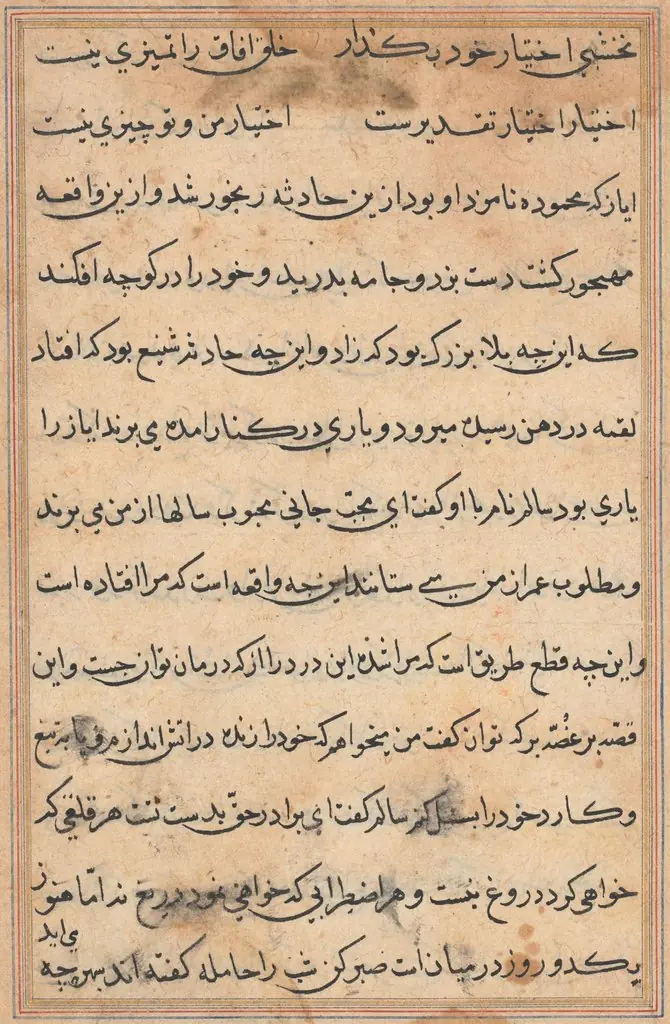 Page from Tales of a Parrot (Tuti-nama): text page
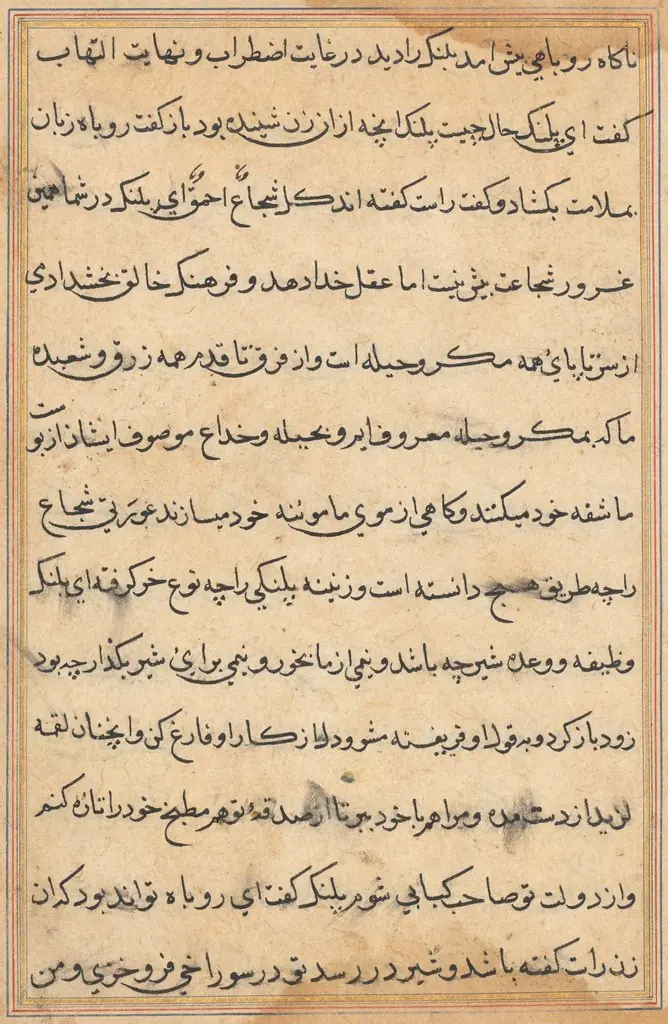 Page from Tales of a Parrot (Tuti-nama): text page
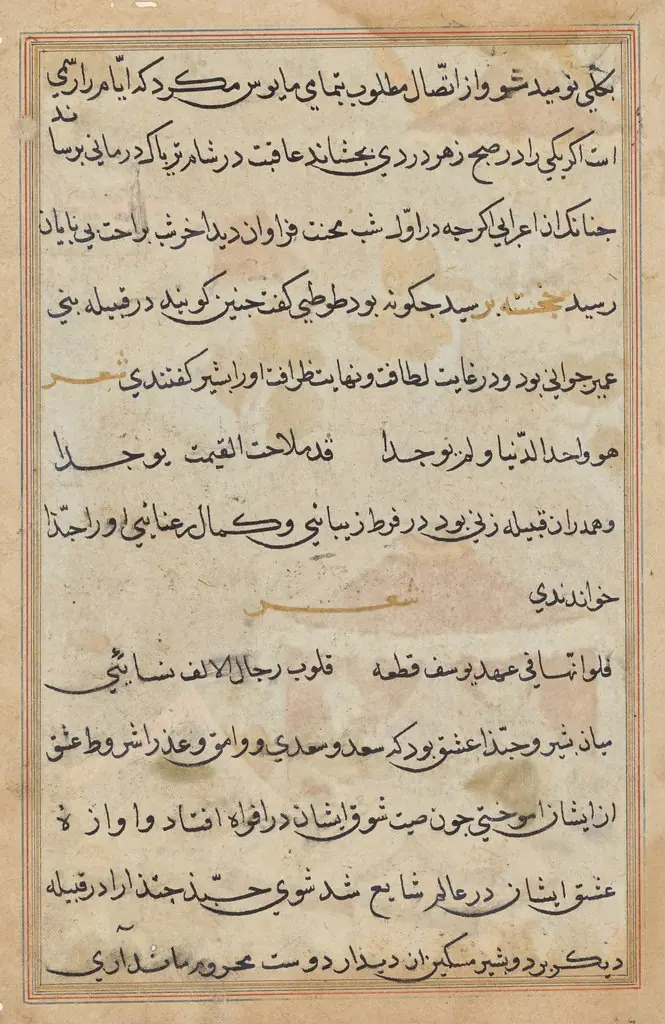 Page from Tales of a Parrot (Tuti-nama): text page
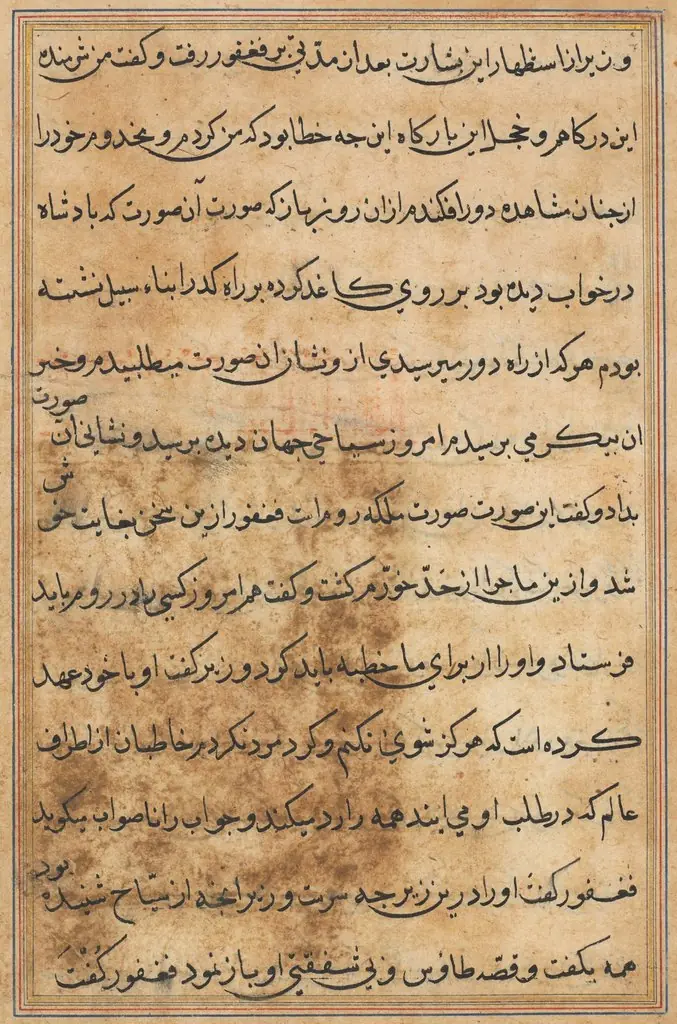 Page from Tales of a Parrot (Tuti-nama): text page
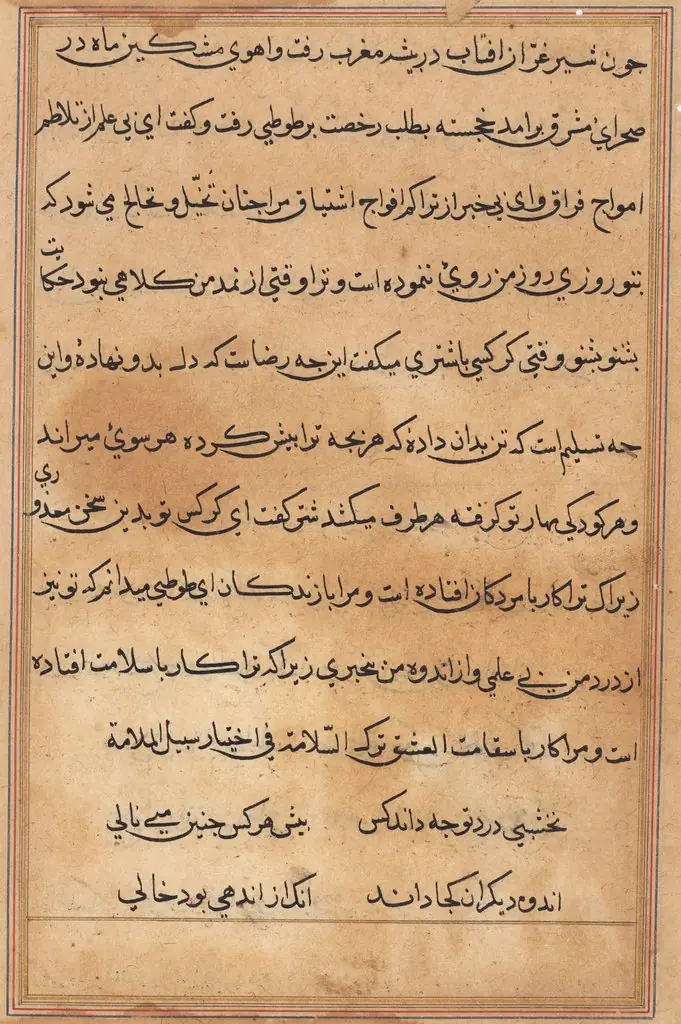 Page from Tales of a Parrot (Tuti-nama): text page
 Page from Tales of a Parrot (Tuti-nama): text page