Artwork
Page from Tales of a Parrot (Tuti-nama): text page
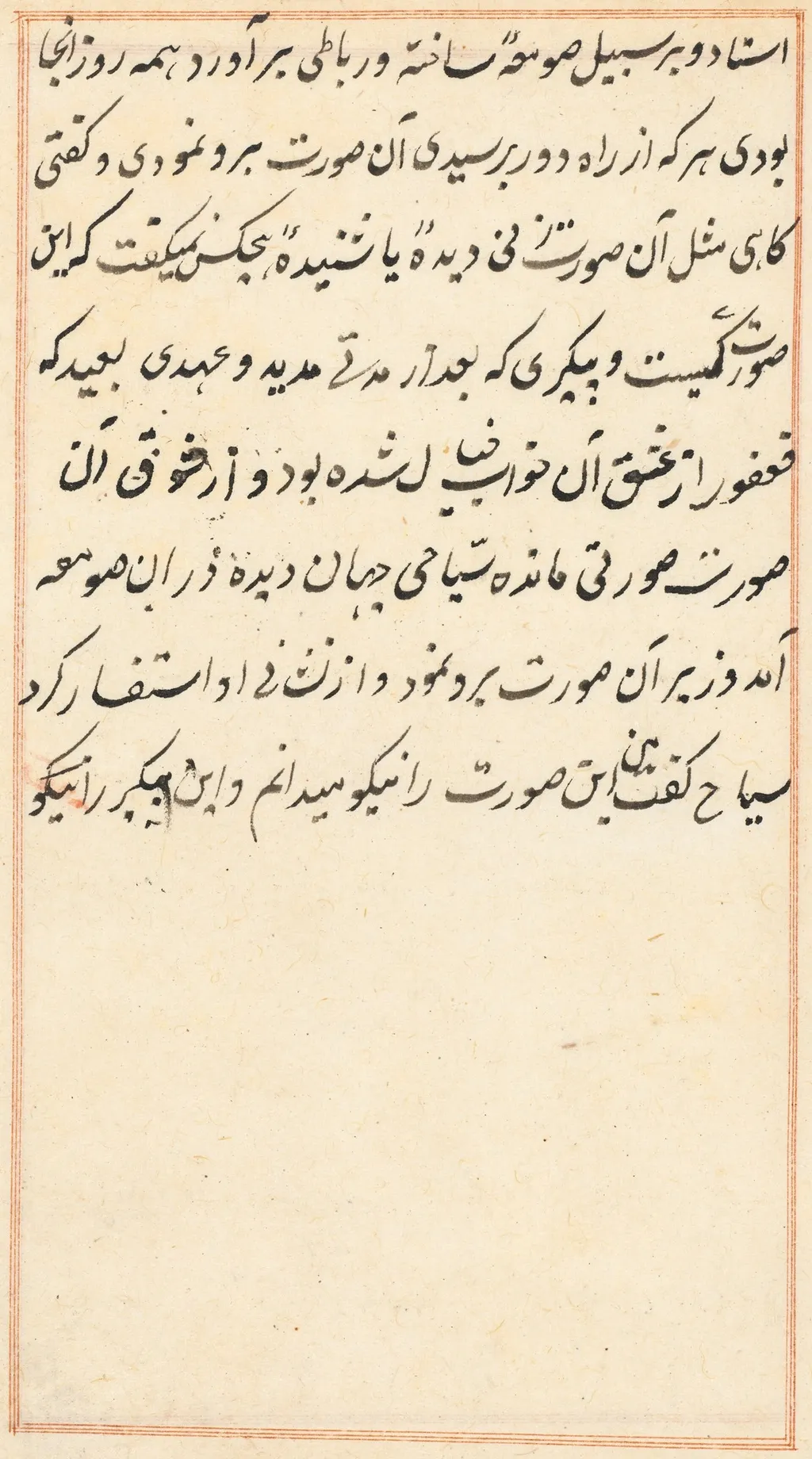
Page from Tales of a Parrot (Tuti-nama): text page is an unspecified painting. It dates from 1517 and is held in the collection of the Cleveland Museum of Art. The object is a single leaf from a manuscript titled *Tales of a Parrot* (Tuti‑nama).
About this work
Overview
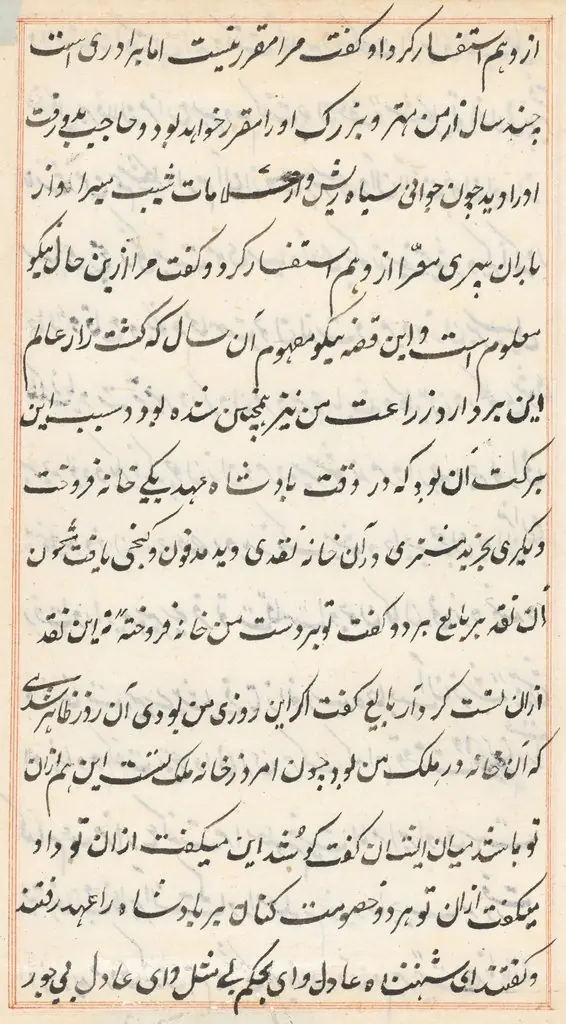
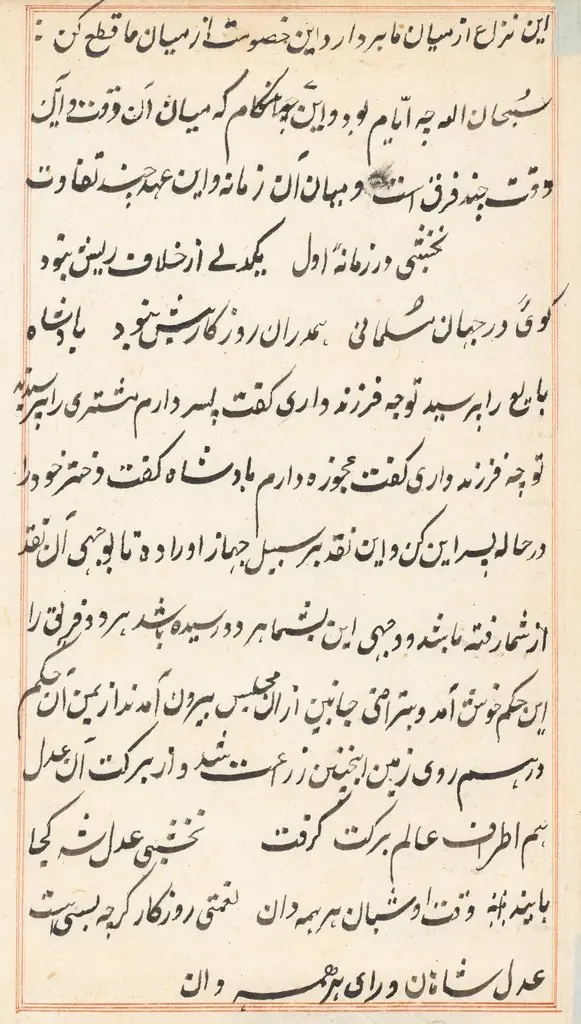
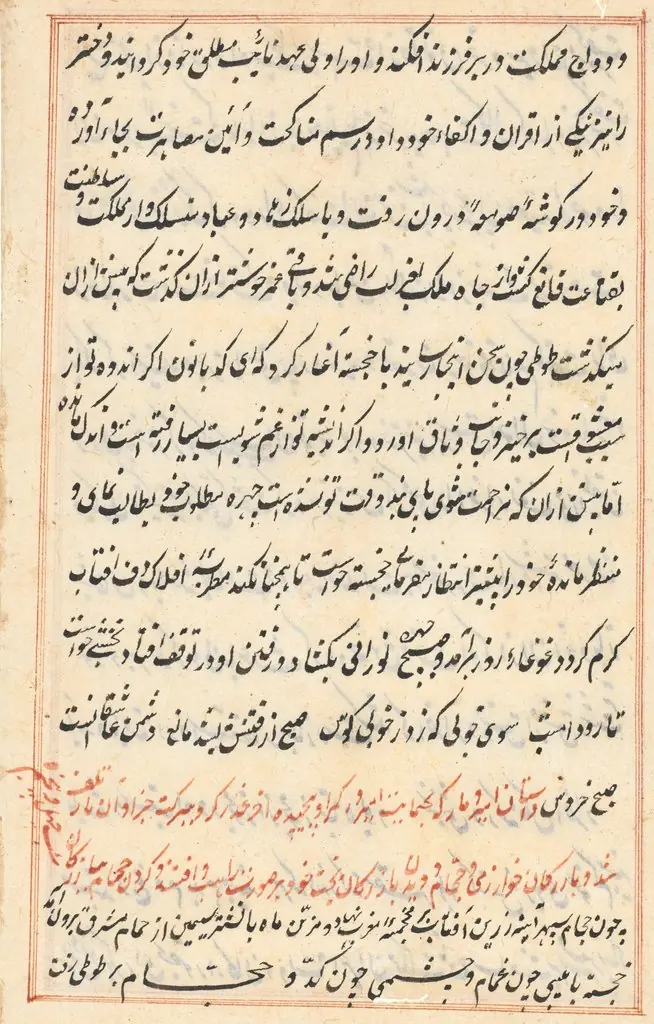
The object is a single leaf from a manuscript titled *Tales of a Parrot* (Tuti‑nama). It consists of a rectangular page with a beige parchment background, framed by a narrow red border. The text is rendered in black ink using a flowing hand, with occasional words underlined or highlighted in red for emphasis.
Subject & Meaning
The page appears to contain a segment of narrative or poetic composition, likely part of a larger story about a parrot. The arrangement of the lines and the selective red markings suggest a lyrical structure, guiding the reader’s attention to key passages within the tale.
Technique & Style
The manuscript employs traditional calligraphic techniques: black iron‑gall ink for the main script and vermilion pigment for decorative accents. The script is cursive, allowing for smooth, continuous strokes, while the red border frames the text, providing visual balance and a subtle ornamental touch.
History & Provenance
The leaf originates from a work known as *Tuti‑nama*, a Persian or Central Asian literary tradition that recounts animal fables. The exact date and place of production are not specified, but the materials and stylistic conventions align with manuscript practices of the early modern Islamic world.
Context
Animal fable collections such as *Tuti‑nama* were commonly used for moral instruction and entertainment in courtly and scholarly circles. The inclusion of a parrot—a symbol of eloquence and mimicry—reflects the cultural value placed on storytelling and the transmission of ethical lessons through animal characters.
Artist & collection

 Page from Tales of a Parrot (Tuti-nama): text page
 Page from Tales of a Parrot (Tuti-nama): text page
 Page from Tales of a Parrot (Tuti-nama): text page
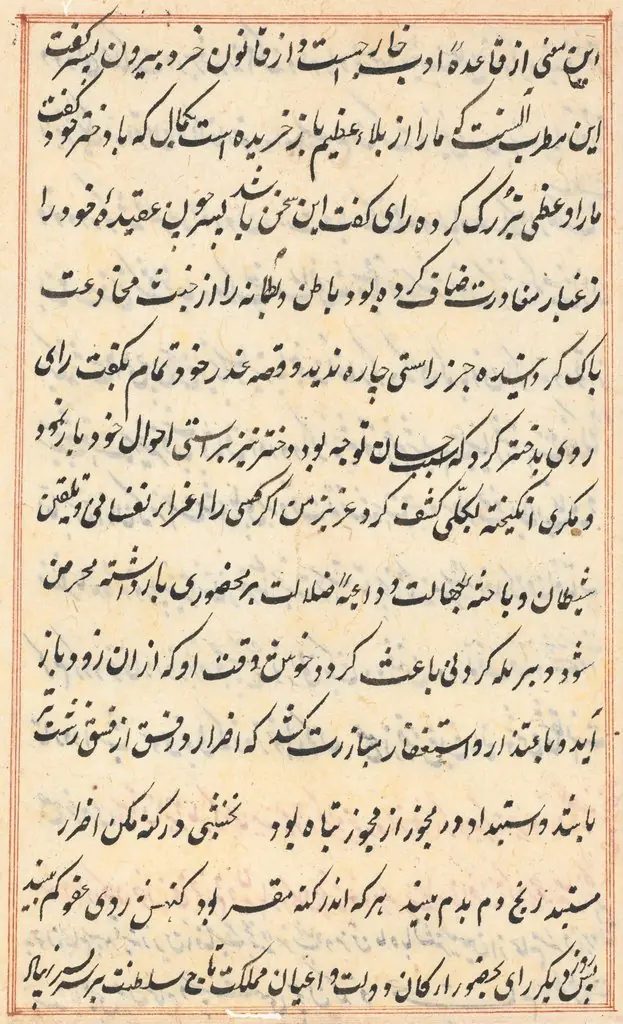 Page from Tales of a Parrot (Tuti-nama): text page
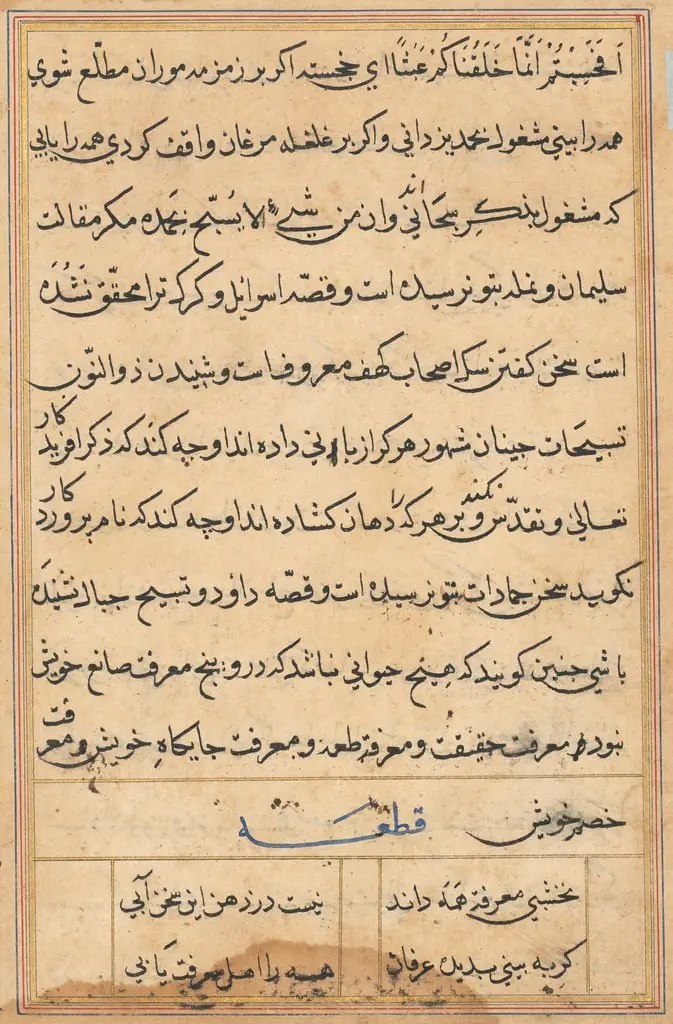 Page from Tales of a Parrot (Tuti-nama): text page
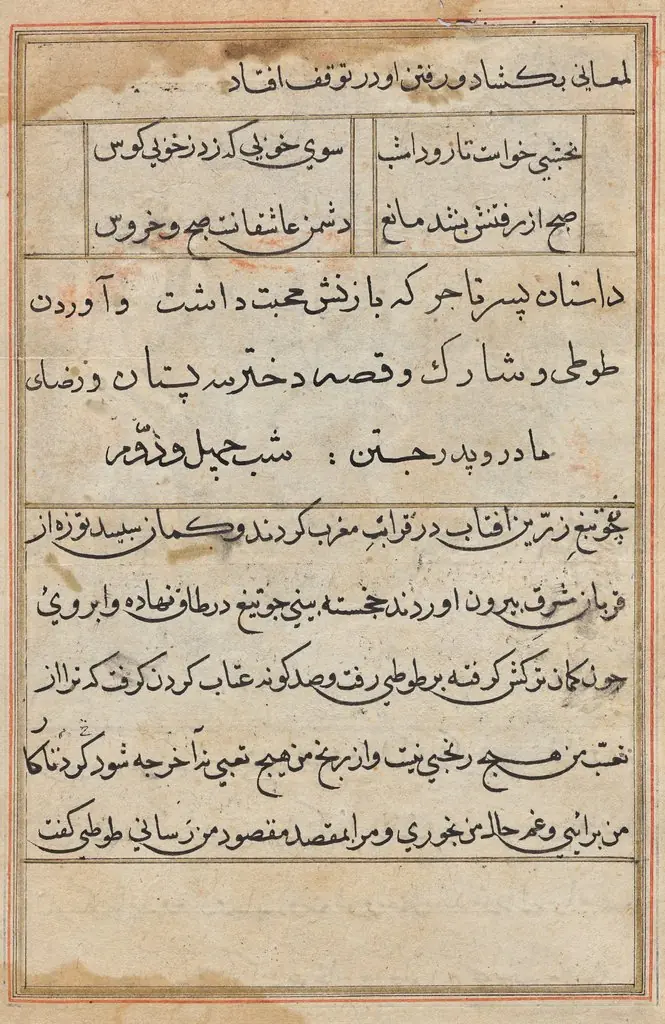 Page from Tales of a Parrot (Tuti-nama): text page
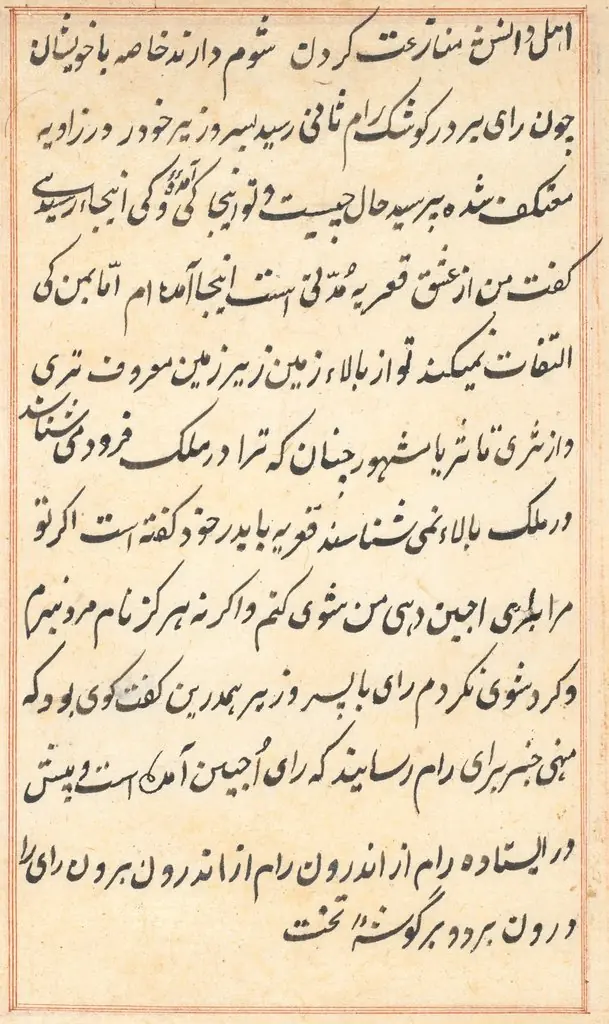 Page from Tales of a Parrot (Tuti-nama): text page
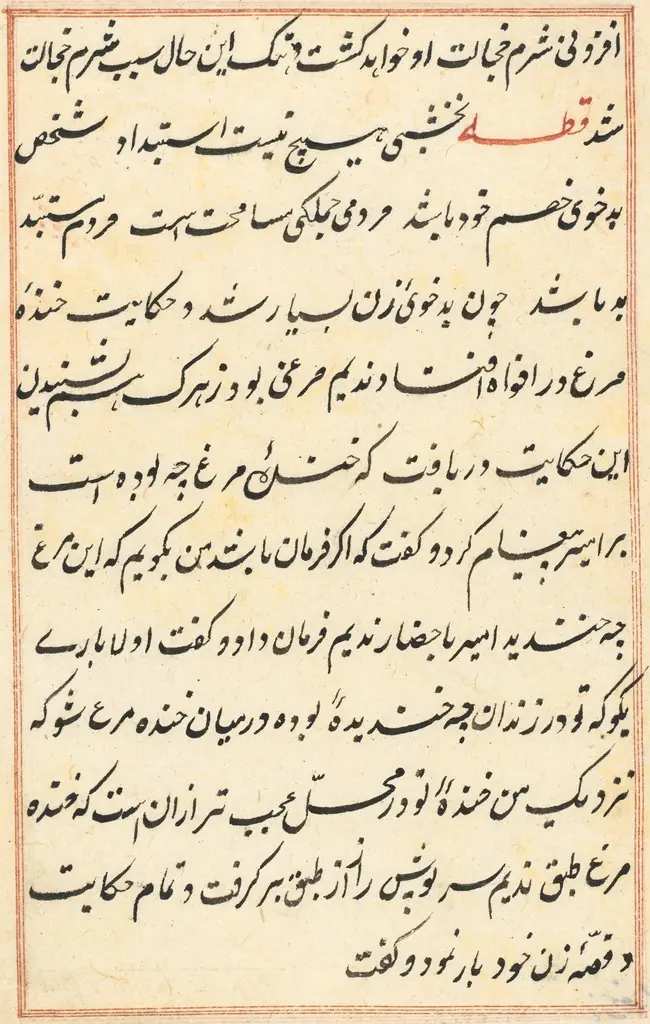 Page from Tales of a Parrot (Tuti-nama): text page
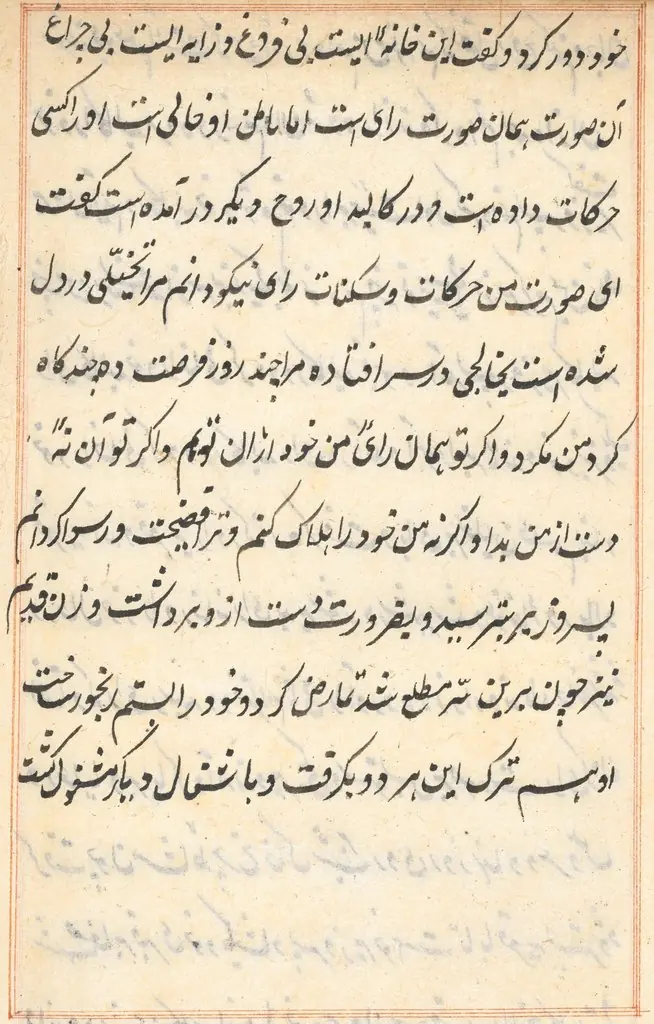 Page from Tales of a Parrot (Tuti-nama): text page
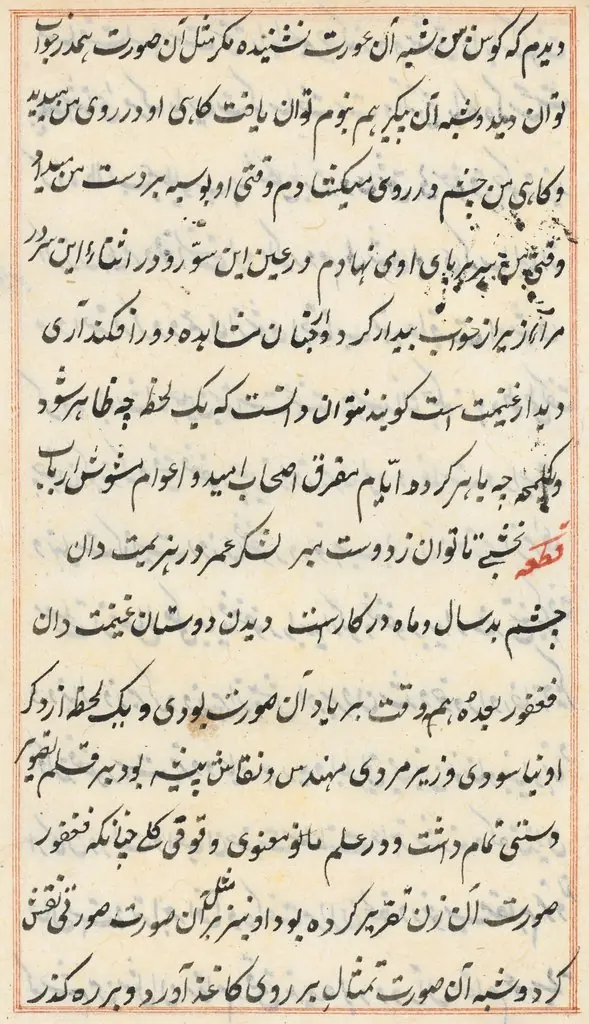 Page from Tales of a Parrot (Tuti-nama): text page
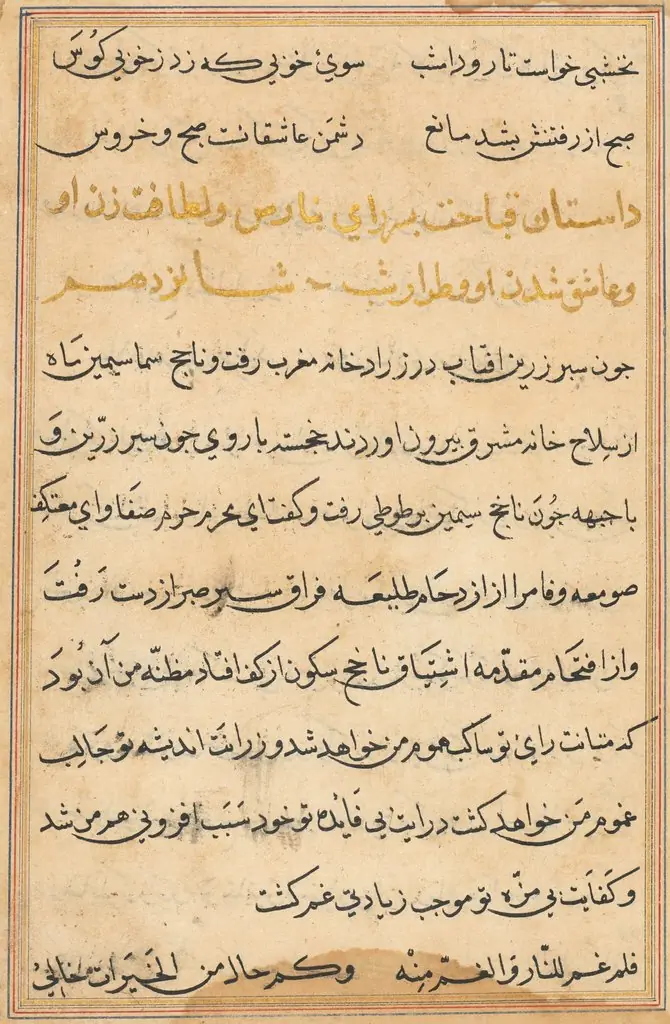 Page from Tales of a Parrot (Tuti-nama): text page