Artwork
Portrait of a Youth, said to be Sir John Suckling
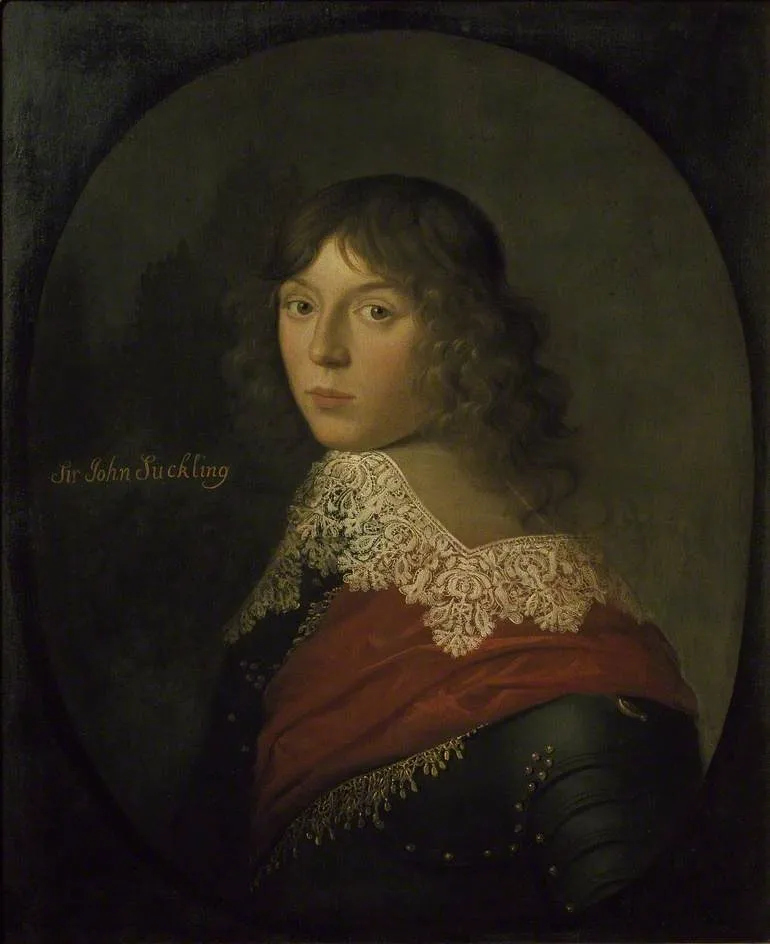
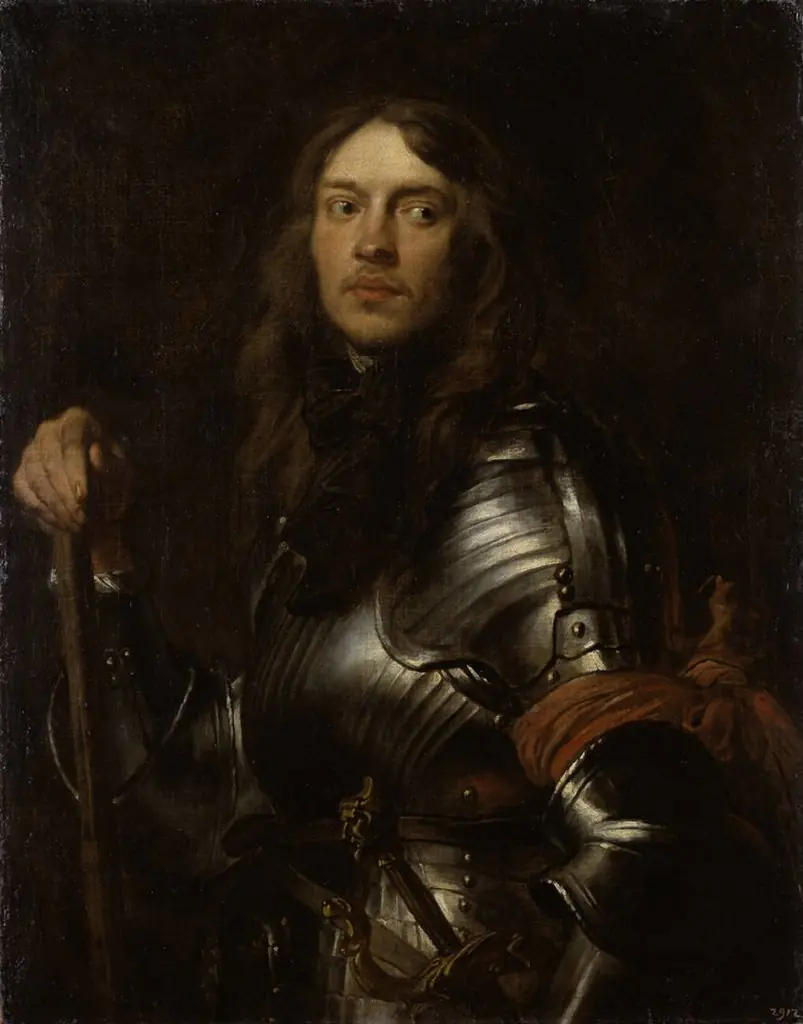
Portrait of a Youth, said to be Sir John Suckling is an oil painting by Unknown. It dates from 1632 and is held in the collection of the Ashmolean Museum.
About this work
This painting is called Portrait of a Youth, said to be Sir John Suckling.
It was made in 1632.
The artist used oil paint to create it.
The painting is held at the Ashmolean Museum.
I don't know what the painting looks like, but I can tell you it's old.
It's from a time when painting styles were changing.
Check out the Ashmolean Museum.
Overview
The portrait reflects the transitional style of early 17th-century English painting, bridging late Mannerist conventions with emerging naturalism.
Painted in 1632, this oil-on-canvas work is titled Portrait of a Youth, said to be Sir John Suckling. It belongs to the Ashmolean Museum’s collection in Oxford. The portrait reflects the transitional style of early 17th-century English painting, bridging late Mannerist conventions with emerging naturalism. Its attribution to Suckling, a known poet and courtier, remains tentative, based on historical association rather than definitive evidence.
Subject & Meaning
The sitter is identified as possibly Sir John Suckling, a minor nobleman and poet of Charles I’s court, though this is not confirmed. The portrait captures a young man in quiet introspection, dressed in fashionable but unostentatious attire. The absence of overt symbols or grandeur suggests an intimate, personal commission rather than a statement of status, aligning with the era’s shift toward individualized portraiture.
Technique & Style
The artist employed oil paint with subtle tonal gradations and soft modeling of form, avoiding the rigid formality of earlier Tudor portraits. Brushwork is restrained, with attention to the texture of fabric and the delicacy of skin tones. The background is muted, directing focus to the figure’s face and posture, characteristic of a growing preference for psychological nuance over symbolic display.
History & Provenance
The painting entered the Ashmolean Museum’s holdings in the 19th century, though its earlier ownership is undocumented. It was cataloged as a portrait of Suckling based on 18th-century conjecture, likely tied to his literary fame. No contemporary records confirm the sitter’s identity, and the attribution has never been conclusively verified by archival or stylistic analysis.
Context
Created during the reign of Charles I, the portrait emerges amid a flourishing of English portraiture influenced by continental artists like Van Dyck. While court painters favored grandeur, this work reflects a quieter, more domestic mode favored by lesser nobility. Its timing coincides with the rise of literary circles at court, where figures like Suckling embodied the cultured gentleman ideal.
Legacy
Though not widely reproduced or studied, the portrait remains a quiet example of provincial English painting from the early Stuart period. It contributes to understanding the diversity of portraiture beyond the dominant courtly style. Its tentative attribution underscores the challenges of identifying sitters in non-royal 17th-century works, where documentation is often sparse.
Artist & collection

 Domestic Scene
 Giacomo and Cardinal Marco, investing Andrea, Abbot of San Zeno, with his Benefice
 The Nymph of Fontainebleau
 Portrait of a Woman
 Madonna and Child with Saints in the Enclosed Garden
 Venus and Minerva
 Family Group of Four on Sofa
 Wall painting from Room H of the Villa of P. Fannius Synistor at Boscoreale
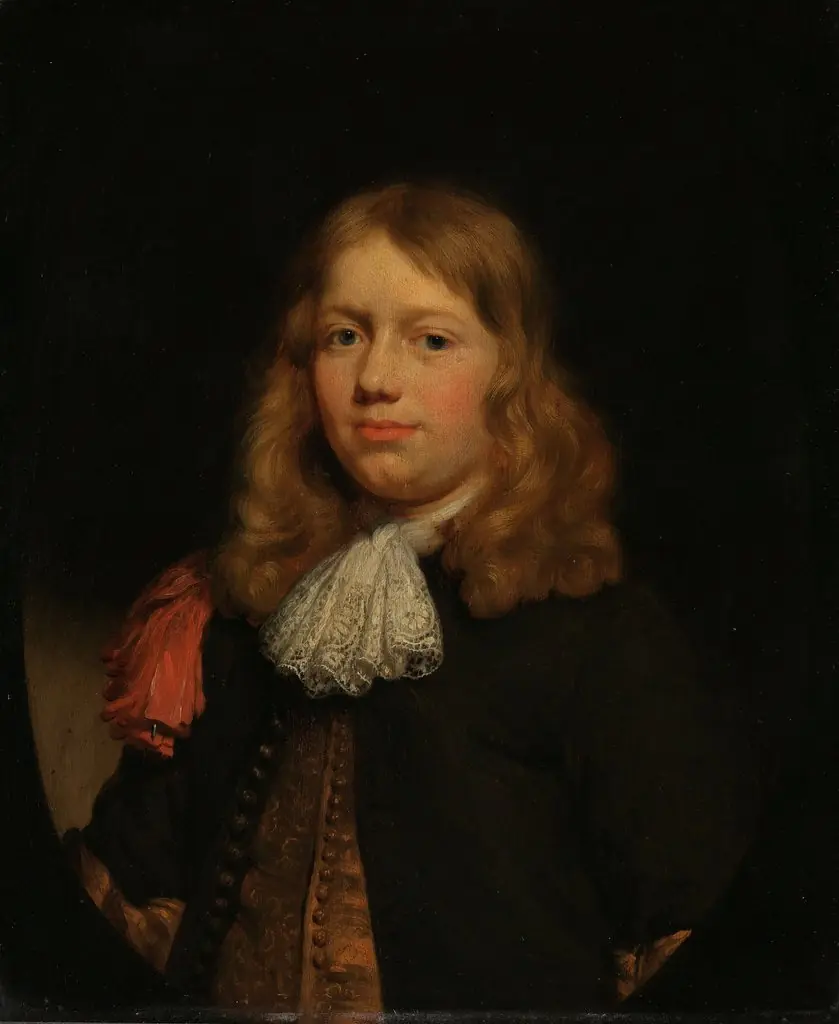 Portrait of a young man
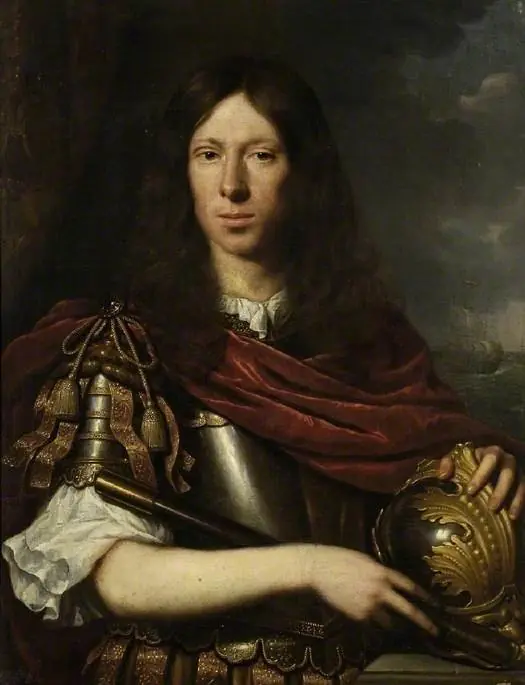 Gentleman with Helmet
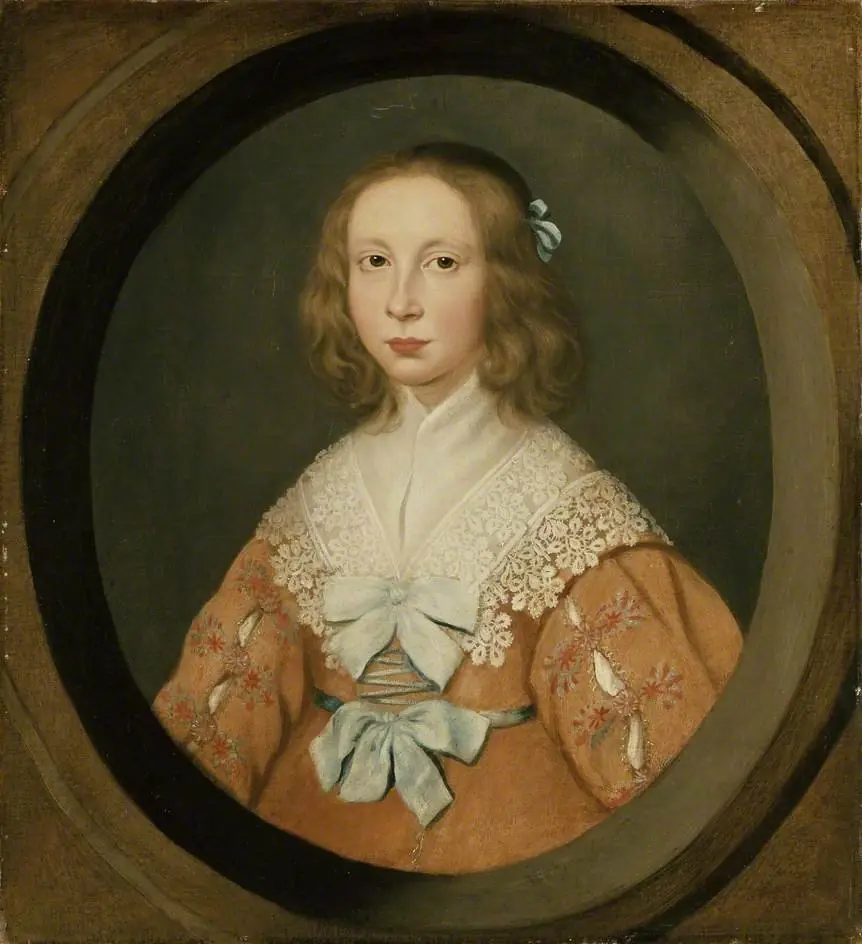 Frances Tradescant
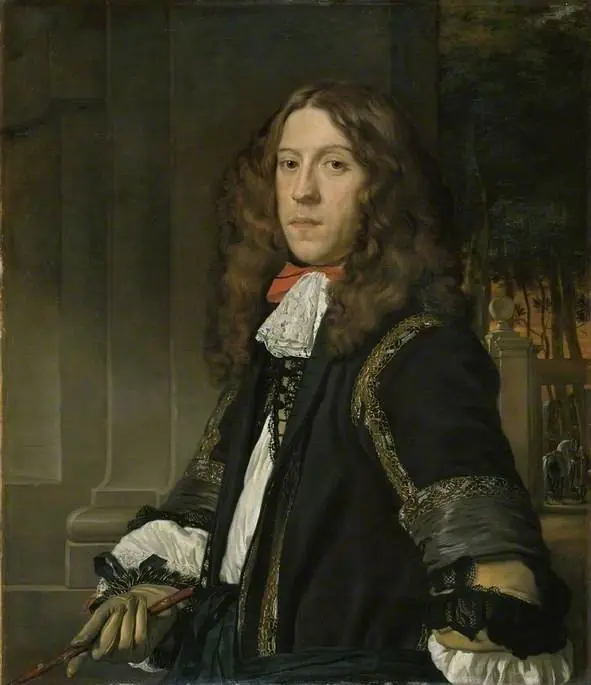 Portrait of a man
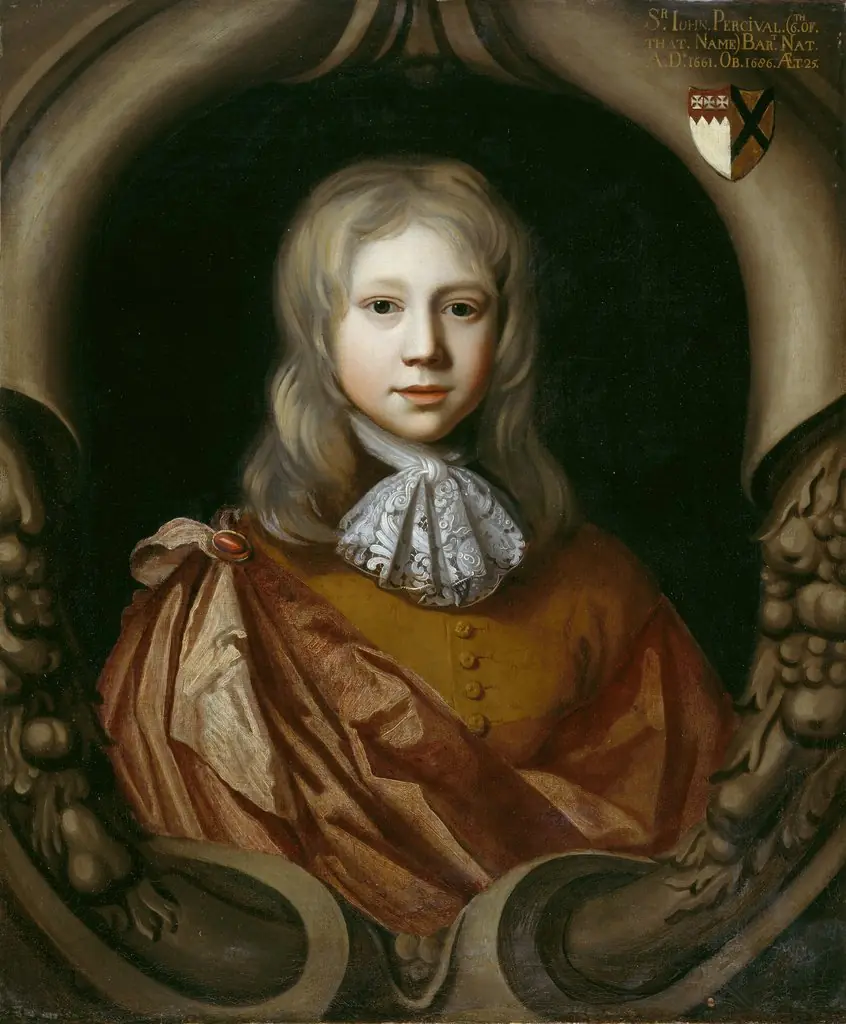 Portrait of Sir John Perceval, 3rd Bt (1660-1686)
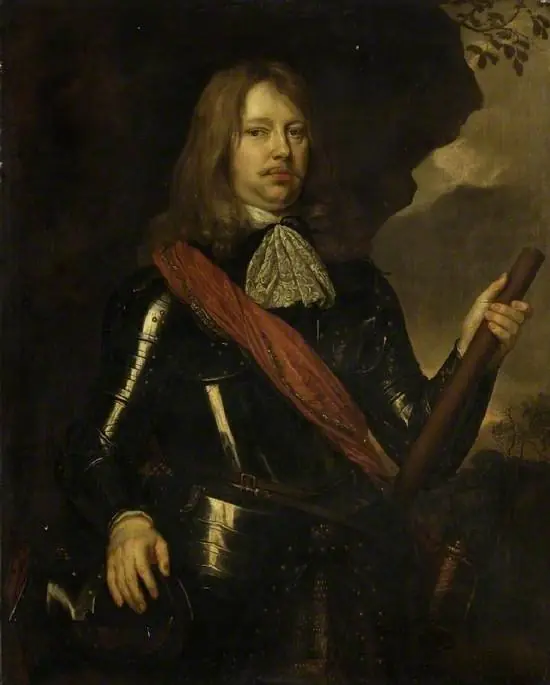 Man In armour, with yellow flowing hair
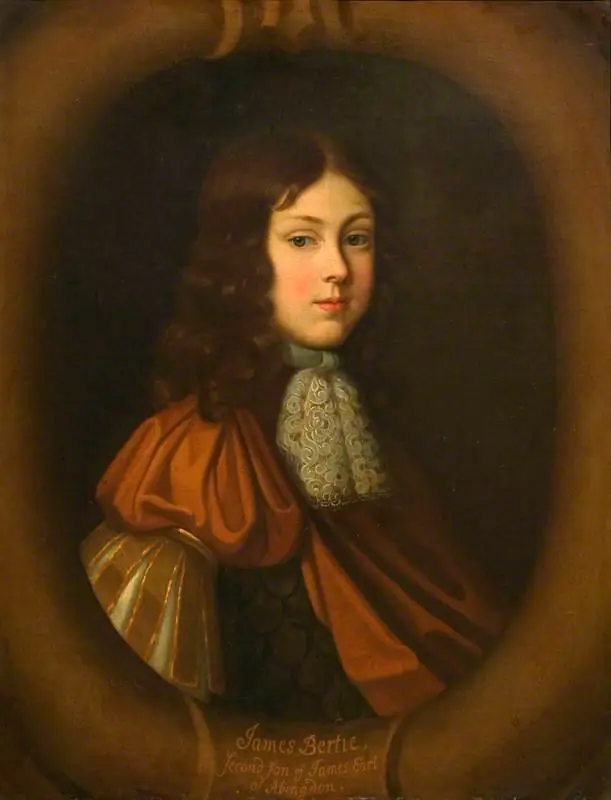 James Bertie (1653–1699), 2nd Son of James, Earl of Abingdon
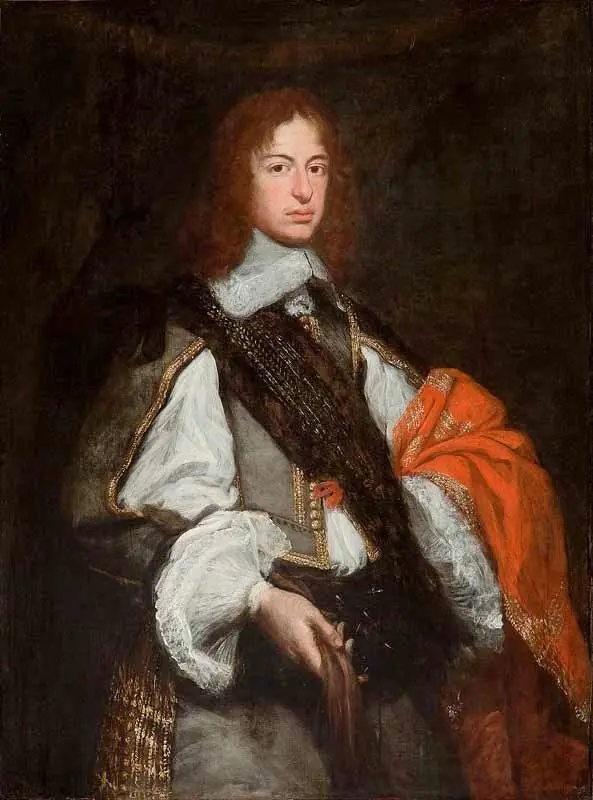 Portrait of Francesco de' Medici (1614-1634)
 Portrait of a Gentleman, possibly Patrick Sarsfield (d.1693)
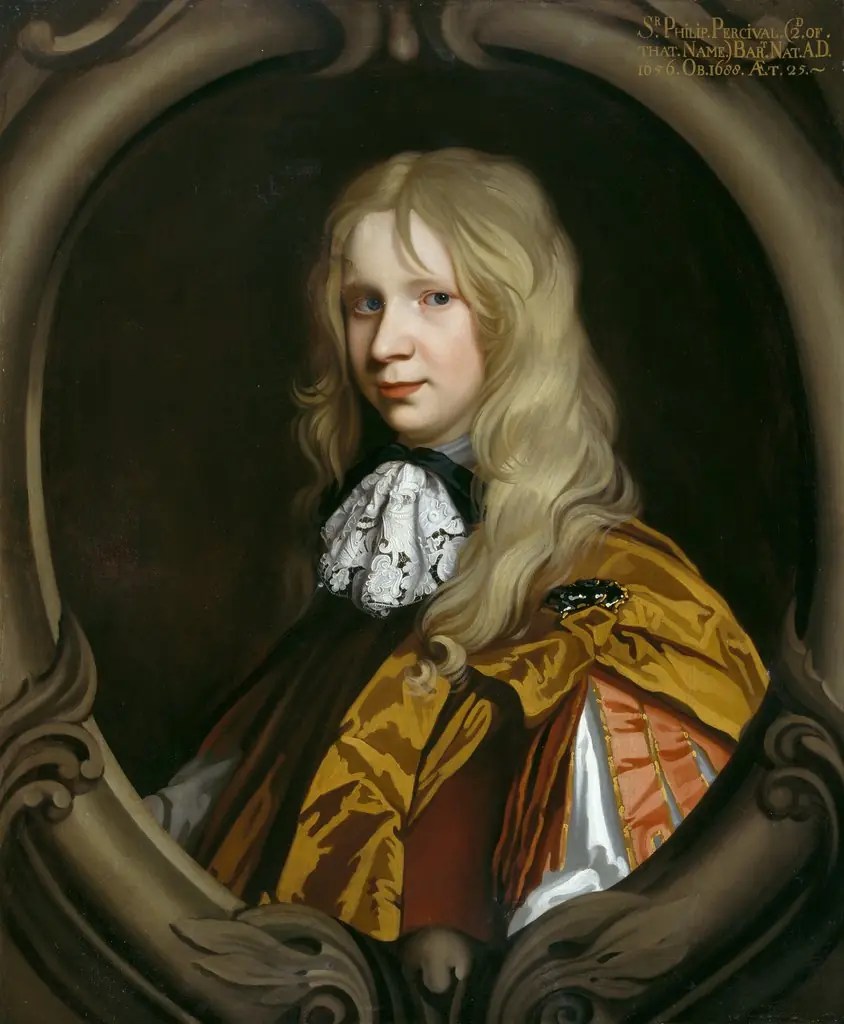 Portrait of Sir Philip Perceval, 2nd Bt (1656-1680)
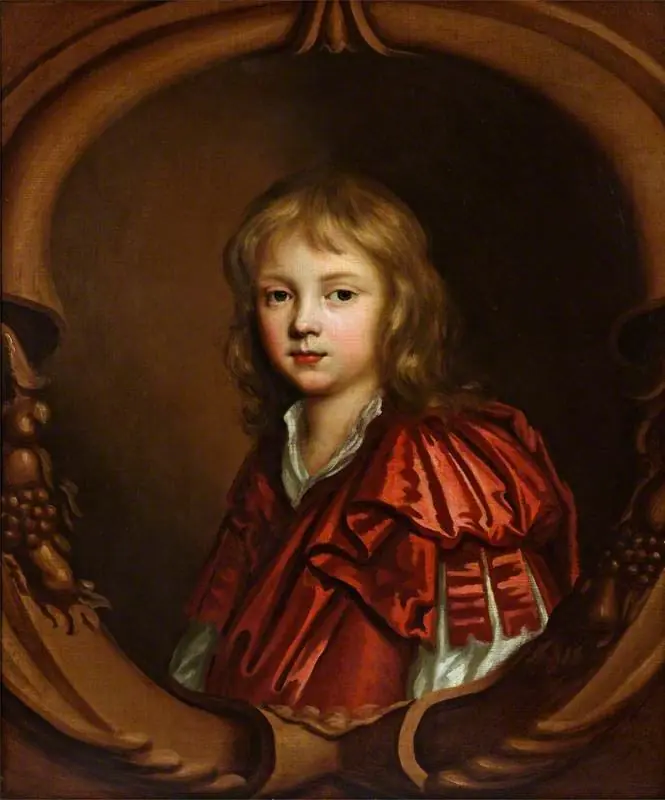 Portrait of a Boy
 Portrait of a Man in Armour with a Red Scarf