Artwork
Gentleman with Helmet
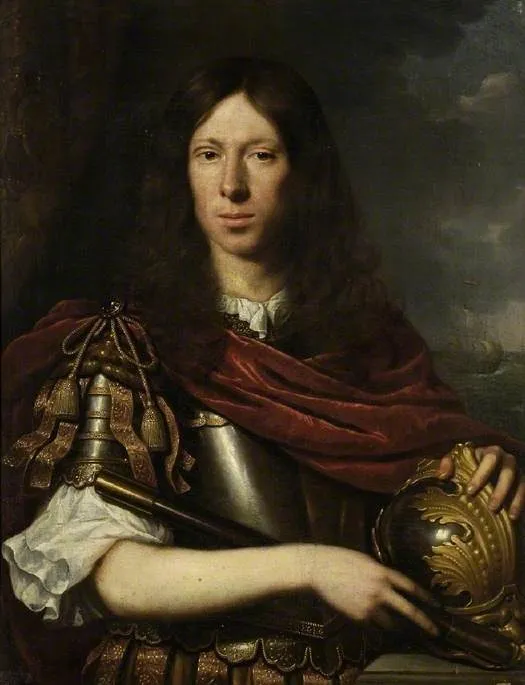
Gentleman with Helmet is an oil painting by Jan de Baen. It dates from 1674 and is held in the collection of the Fitzwilliam Museum.
About this work
Overview
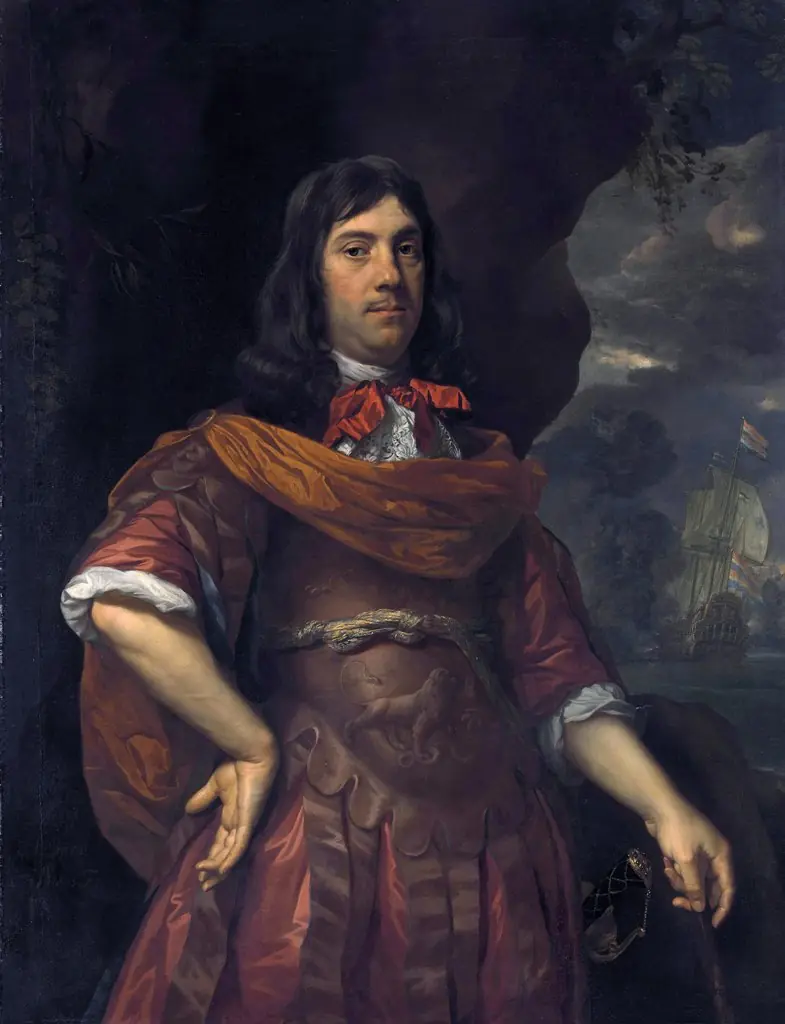
Painted in 1674 by Jan de Baen, this oil-on-canvas portrait captures a nobleman in formal attire, adorned with armor and holding a helmet.
Painted in 1674 by Jan de Baen, this oil-on-canvas portrait captures a nobleman in formal attire, adorned with armor and holding a helmet. De Baen, a Dutch artist active during the Golden Age, focused primarily on portraiture after training under Jacob Adriaensz Backer. The work resides in the Fitzwilliam Museum’s collection, reflecting the artist’s established reputation in The Hague, where he worked from 1660 until his death in 1702.
Subject & Meaning
The subject is a man of status, dressed in a white shirt and crimson cloak, with a suit of armor suggesting military or civic rank. His helmet, held loosely in his left hand, implies readiness rather than active combat. His direct gaze and solemn expression convey dignity and self-possession, aligning with the conventions of elite portraiture in the late 17th century, where character and authority were as important as likeness.
Technique & Style
De Baen employs chiaroscuro to model the figure against a dark, undefined background, enhancing the three-dimensionality of the armor and fabric. The contrast between the illuminated torso and the shadowed recesses of the helmet and cloak draws focus to the subject’s posture and expression. Brushwork is precise yet restrained, emphasizing texture without ornamentation, characteristic of Dutch portraiture’s preference for restrained realism.
History & Provenance
The painting was completed during de Baen’s tenure in The Hague, where he served as a portraitist for local elites and officials. Its documented presence in the Fitzwilliam Museum’s collection confirms its early acquisition by British collectors, likely during the 18th or 19th century. No earlier provenance records are widely known, but its condition and style suggest it remained in private hands before institutional acquisition.
Context
In the decades following the Peace of Münster, Dutch society valued images of civic virtue and military honor. Portraits like this one, blending civilian dress with armor, reflected a cultural ideal of the citizen-soldier. De Baen’s work fits within a broader tradition of Dutch portraiture that prioritized psychological presence over theatricality, distinguishing it from the more flamboyant styles of southern Europe.
Legacy
Though less celebrated than contemporaries like Rembrandt, de Baen’s portraits are recognized for their quiet authority and technical clarity. *Gentleman with Helmet* exemplifies his ability to convey gravitas through composition and light. The painting remains a representative example of mid-to-late 17th-century Dutch portraiture, studied for its restrained elegance and adherence to regional artistic norms.
Artist & collection
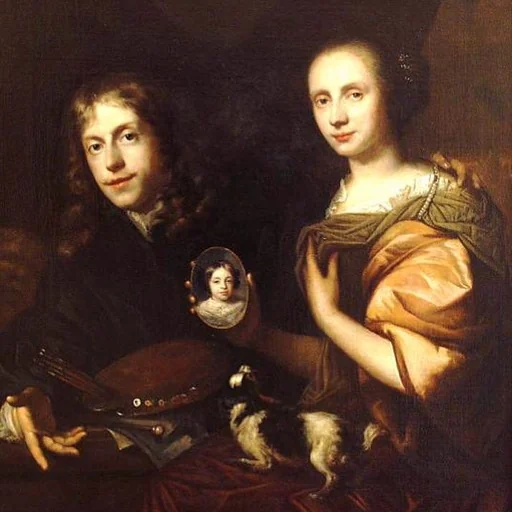
Artist
Jan de Baen (20 February 1633 – 1702) was a Dutch portrait painter who lived during the Dutch Golden Age.

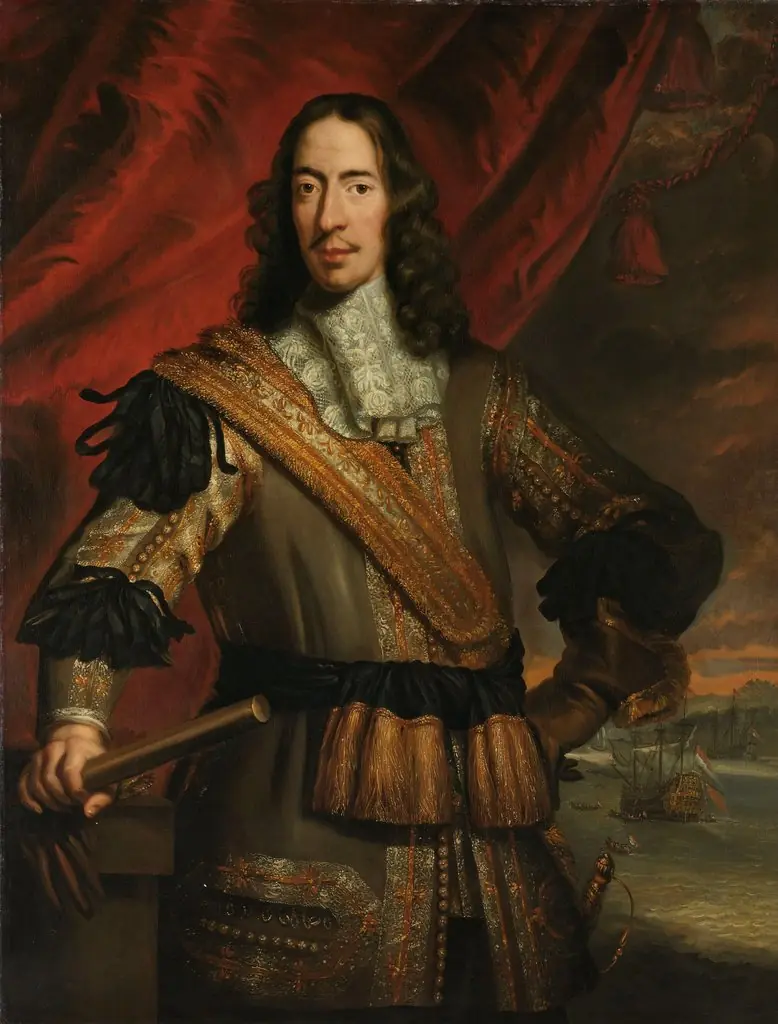 Portrait of Cornelis de Witt (1623-72), Burgomaster of Dordrecht and lord lieutenant of Putten
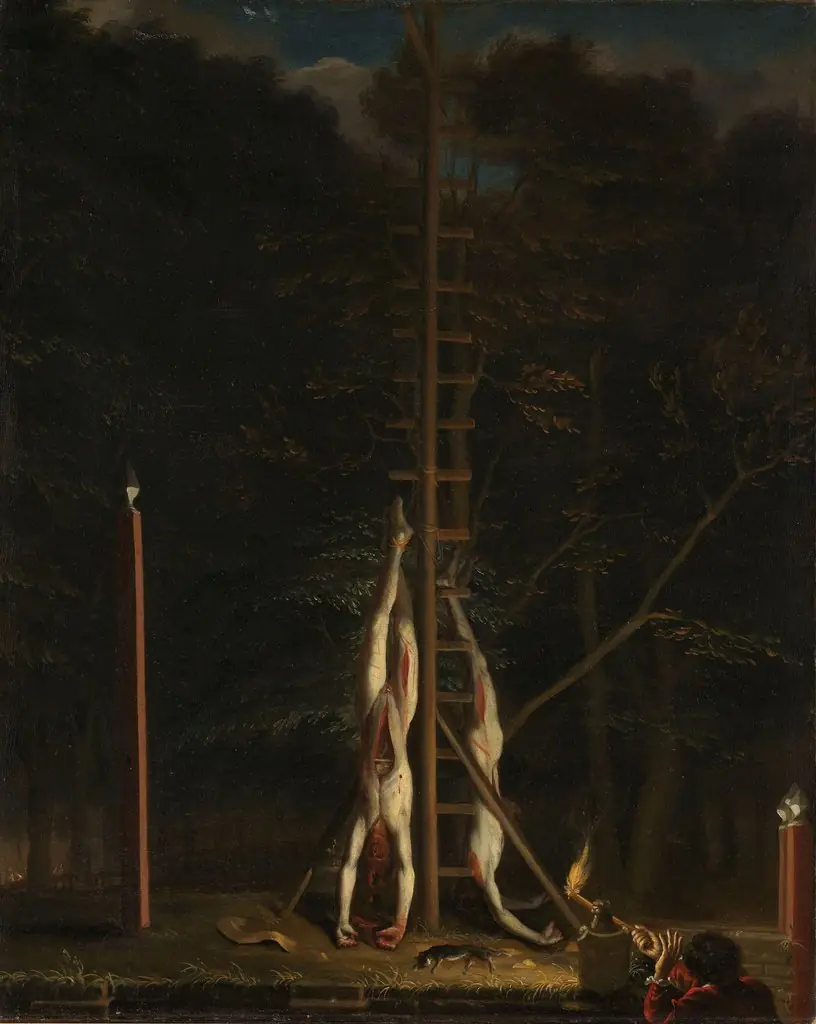 The Corpses of the De Witt Brothers
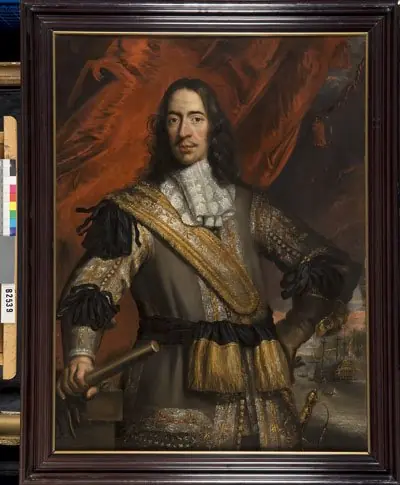 Portrait of Cornelis de Witt (1623-1672)
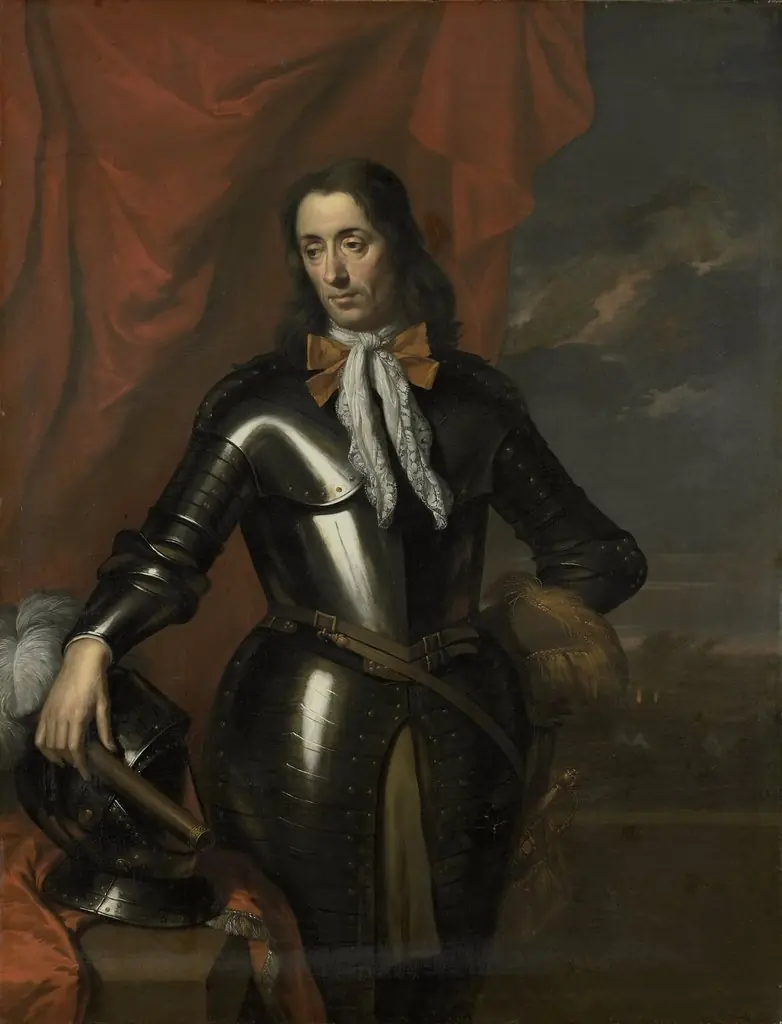 Portrait of Isaac de l'Ostal de Saint-Martin (ca 1629-96), governor of the Dutch East Indies and commander of the garrison at Batavia
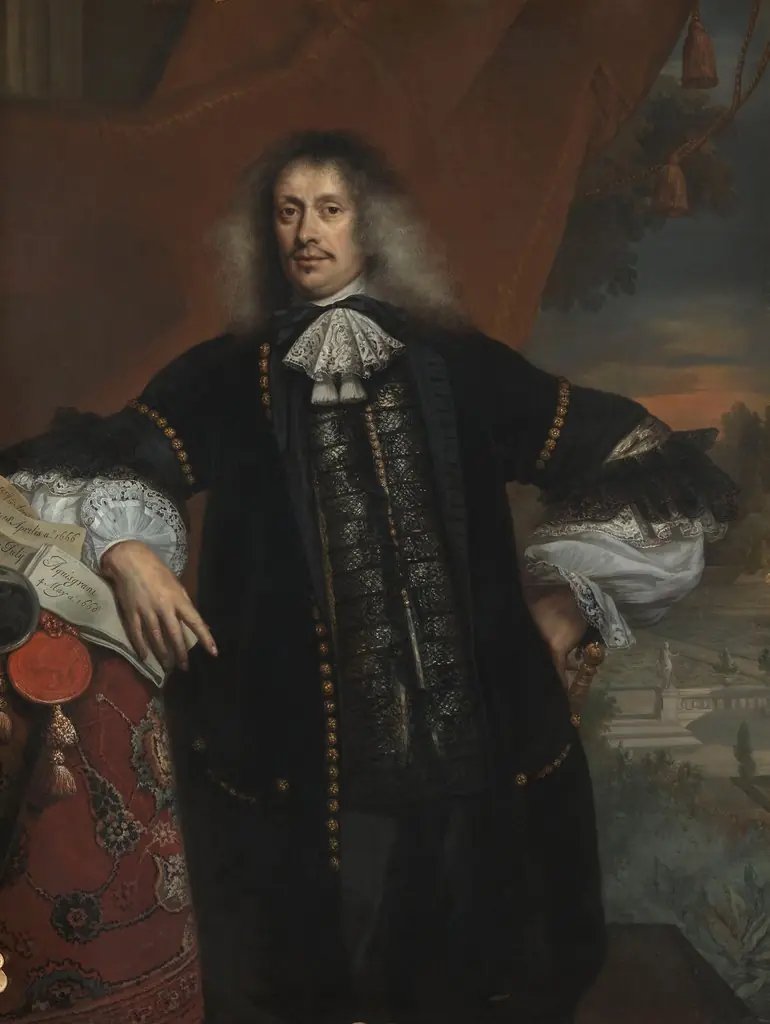 Hieronymus van Beverningk
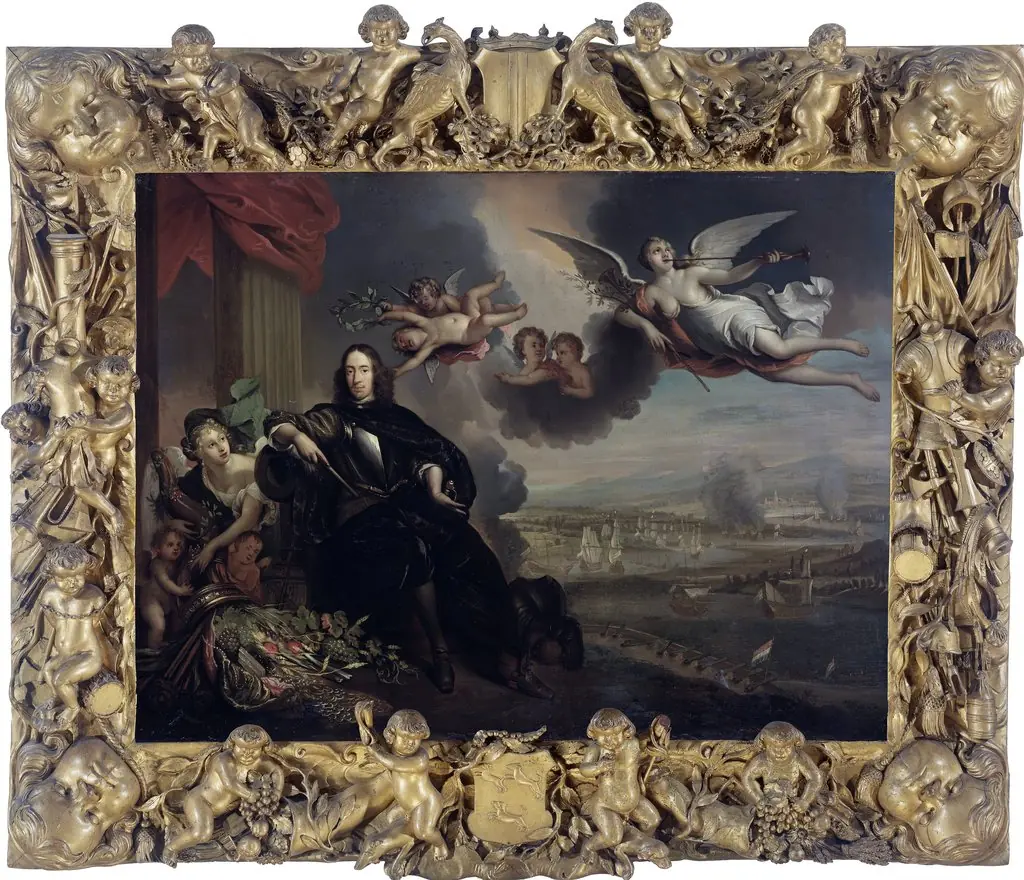 The apotheosis of Cornelis de Witt, with the raid on Chatham in the background
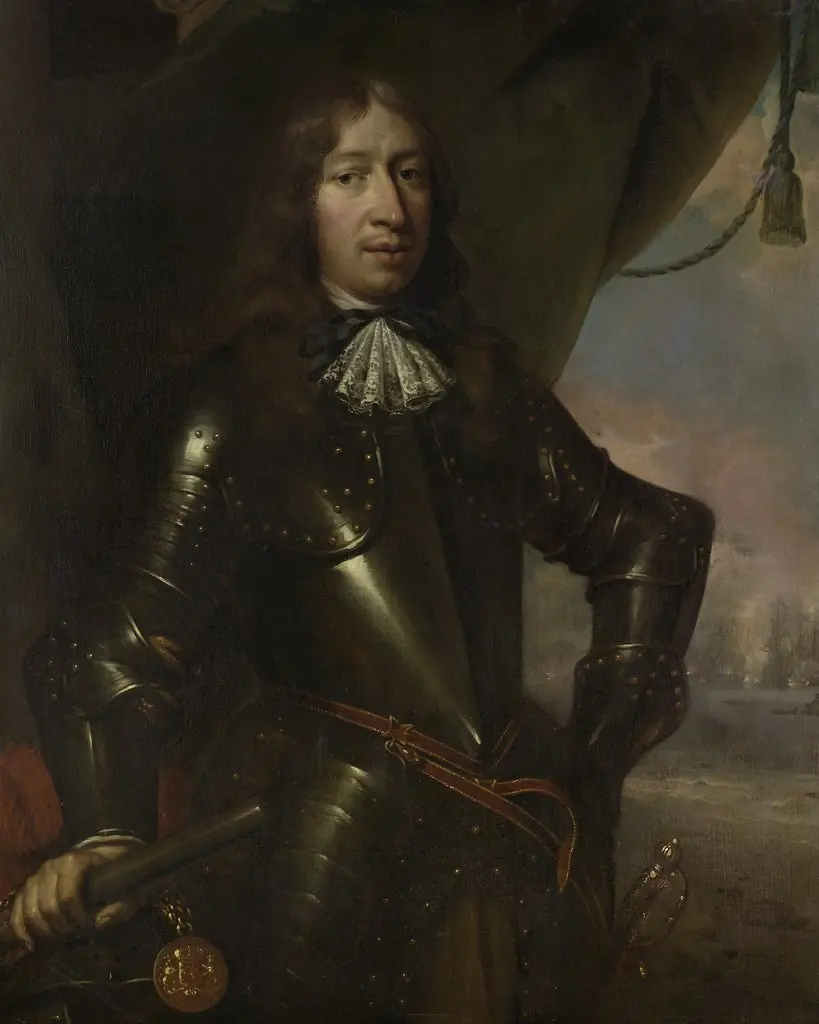 Portrait of Willem Joseph Baron van Ghent (1626-72), vice-admiral
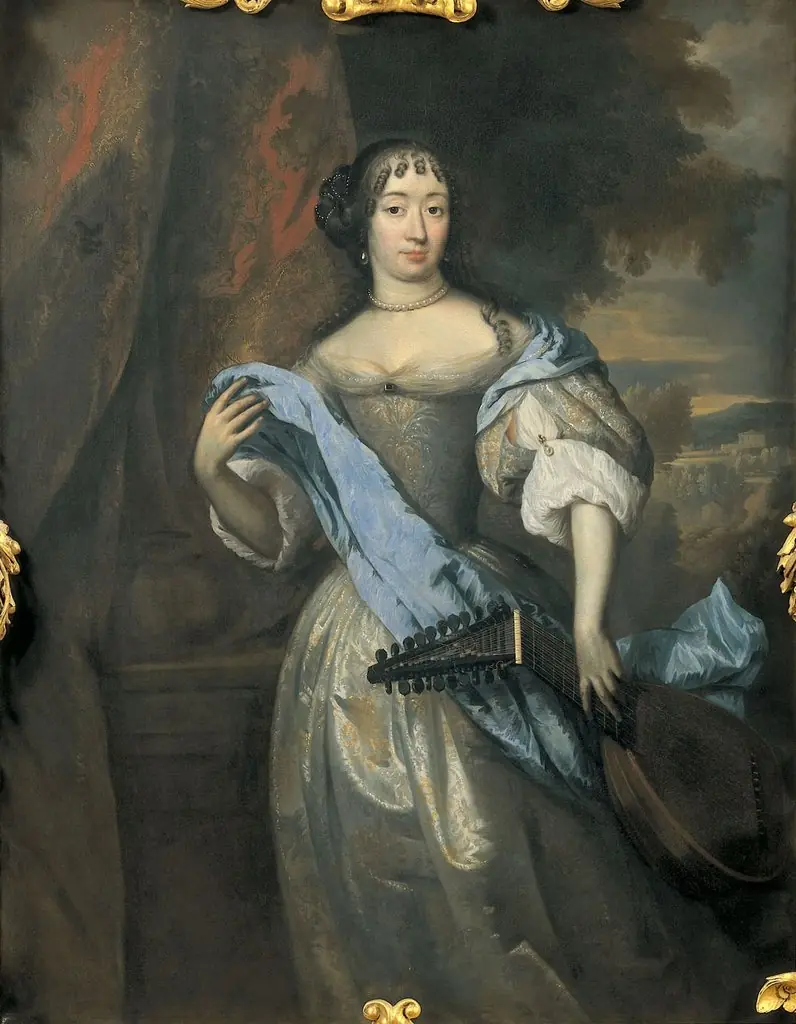 Johanna le Gillon, Wife of Hieronymus van Beverningk
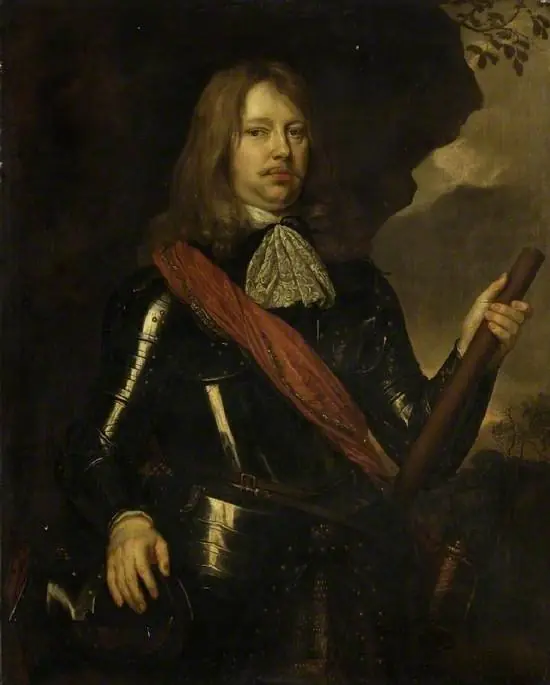 Man In armour, with yellow flowing hair
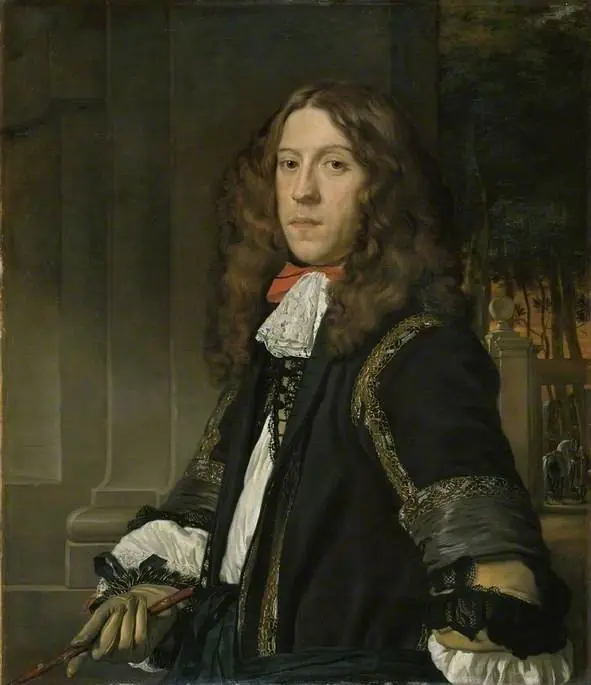 Portrait of a man
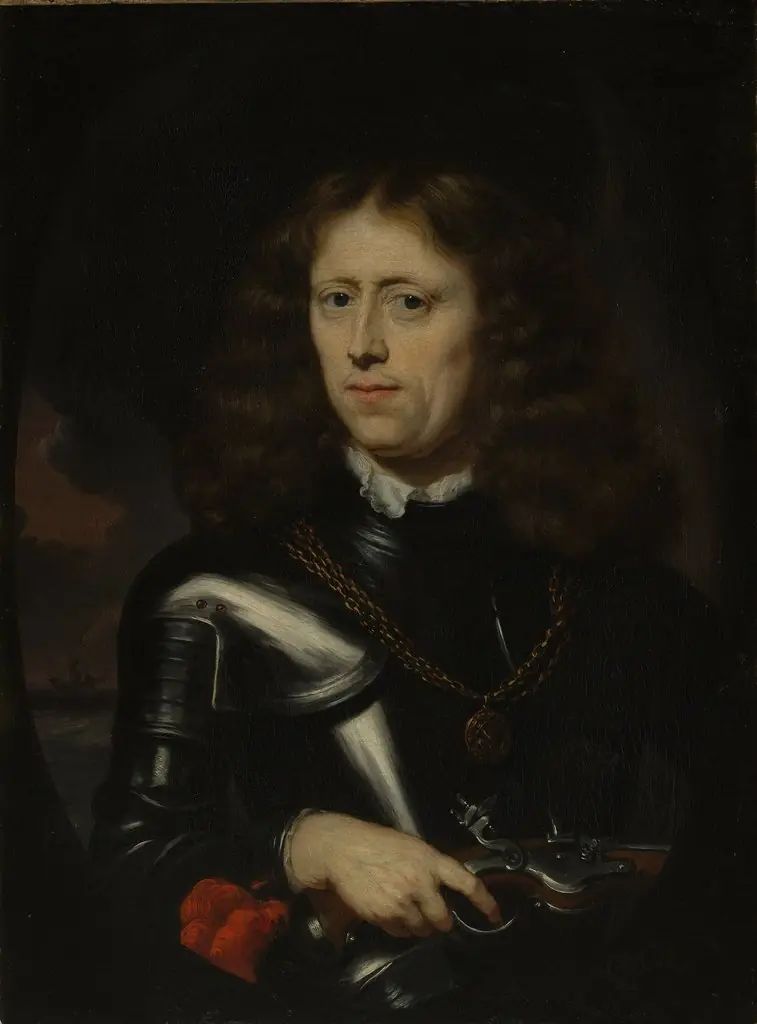 Admiral Jacob Binkes (born about 1640, died 1677)
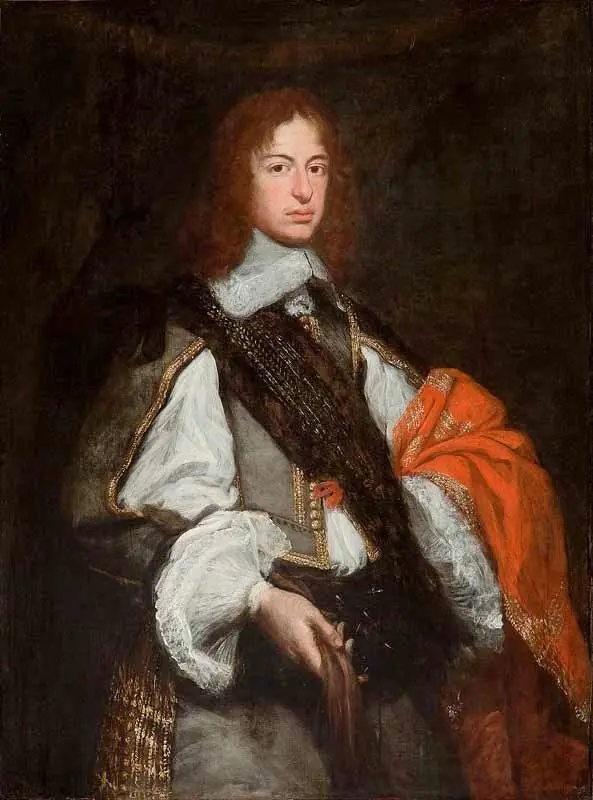 Portrait of Francesco de' Medici (1614-1634)
 A young gentleman
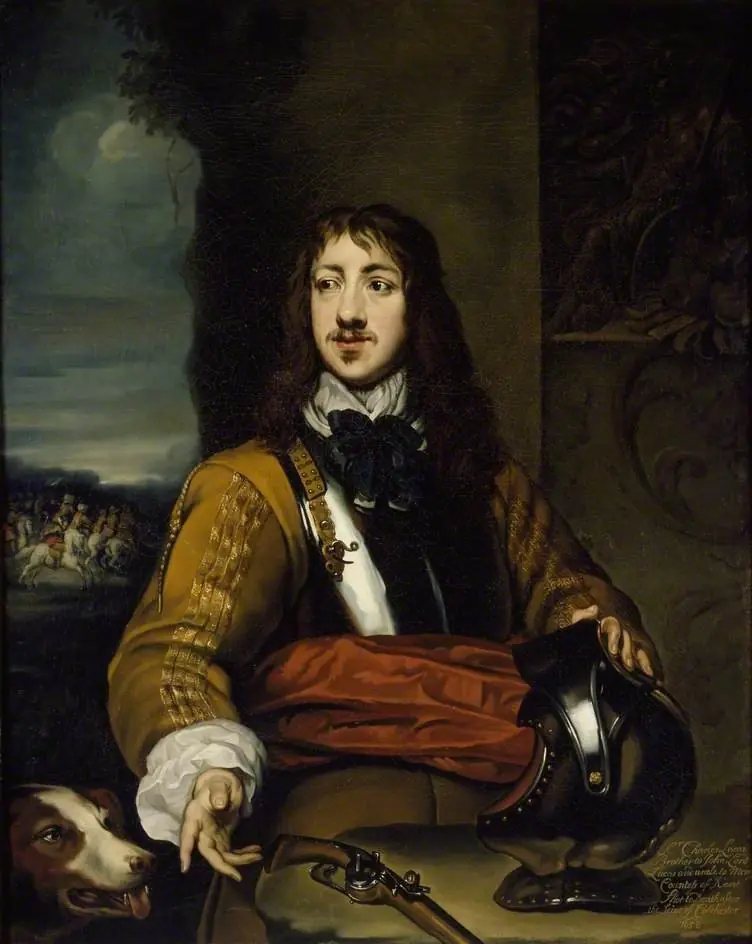 Colonel Richard Neville
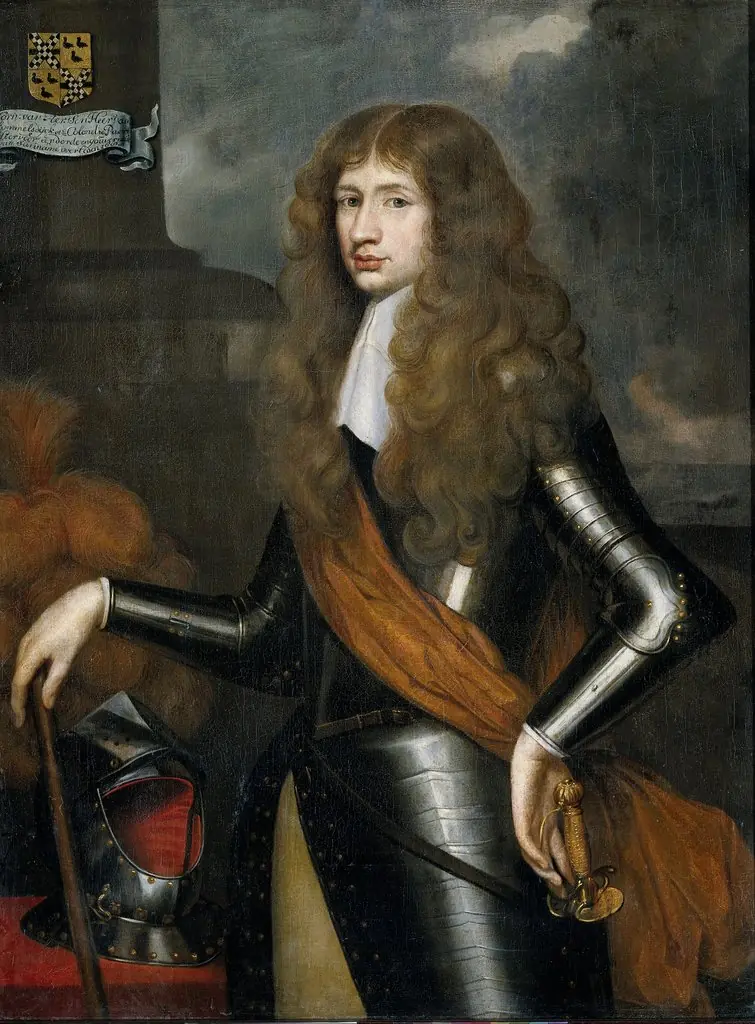 Cornelis van Aerssen van Sommelsdijck, governor of Surinam
 Portrait of a Gentleman, possibly Patrick Sarsfield (d.1693)
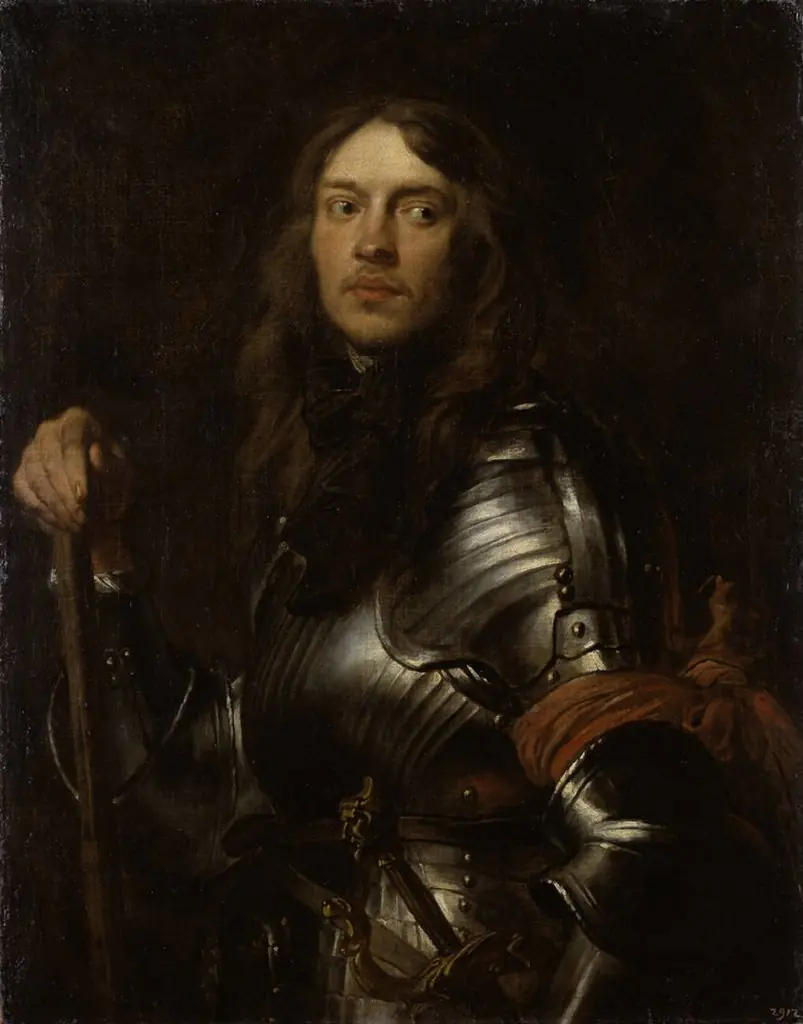 Portrait of a Man in Armour with a Red Scarf
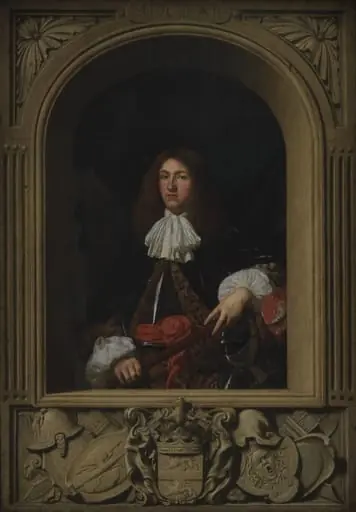 Portrait of Count Ulrik Frederik Gyldenløve
 Cornelis Tromp (1629-91). Lieutenant-admiral general