Artwork
The queen of Rum watches the peahen prefer to burn rather than abandon her eggs while the peacock flees the nest, from a Tuti-nama (Tales of a Parrot): Thirty-ninth Night
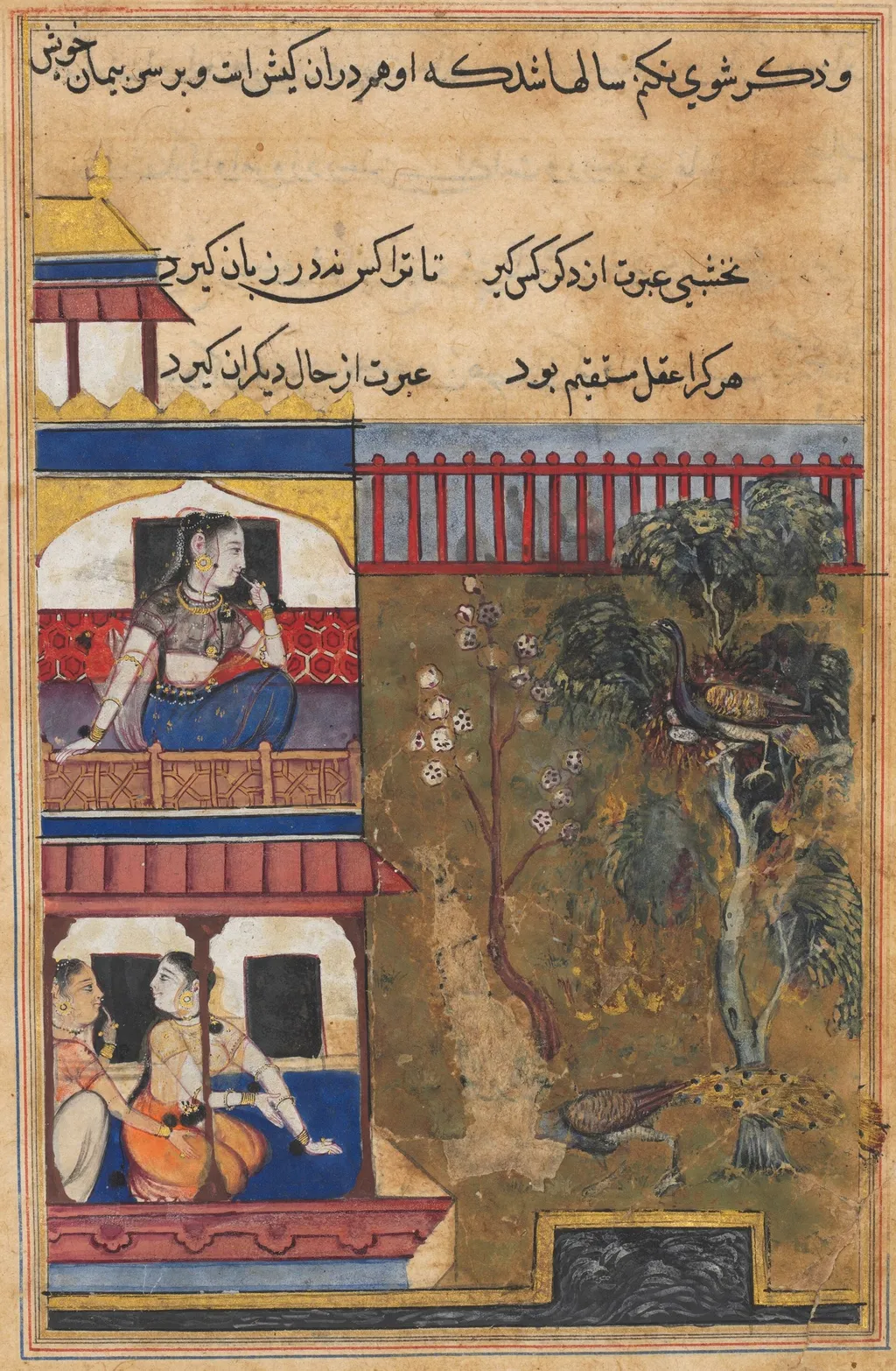
The queen of Rum watches the peahen prefer to burn rather than abandon her eggs while the peacock flees the nest, from a Tuti-nama (Tales of a Parrot): Thirty-ninth Night is an unspecified painting. It dates from 1560 and is held in the collection of the Cleveland Museum of Art.
About this work
Overview
This miniature painting, part of a Persian illustrated manuscript titled *Tuti‑nama* (Tales of a Parrot), depicts a narrative scene on a red‑tiled balcony. The composition is divided into two interior vignettes and an exterior landscape, each rendered in delicate brushwork and vivid pigments typical of courtly book art.
Subject & Meaning
The upper interior shows a solitary woman in a blue skirt and red sash, holding an object to her face, suggesting contemplation or mourning. Below, a man in orange and a woman in white converse on a couch, indicating a dialogue. Beyond the balcony, a rocky hill hosts a tree under which peahens guard their eggs while a peacock retreats, symbolising loyalty and abandonment within the story.
Technique & Style
Executed with fine ink lines and watercolor washes, the scene combines precise linear drawing with subtle shading. The use of bright, contrasting colors—blue, red, orange, white—highlights the figures, while the naturalistic rendering of the birds and foliage reflects the Persian miniature tradition’s attention to detail.
History & Provenance
Created for a 16th‑century Persian manuscript, the painting remained within the manuscript until its acquisition by the Cleveland Museum of Art, where it is now part of the museum’s collection of Islamic art. The work’s provenance traces through private collections before entering the museum’s holdings.
Context
*Tuti‑nama* is a collection of moral tales featuring a parrot narrator, popular in Safavid Persia. The illustrated episode, titled “The queen of Rum watches the peahen prefer to burn rather than abandon her eggs while the peacock flees the nest,” reflects themes of fidelity and sacrifice common in the text’s didactic purpose.
Artist & collection

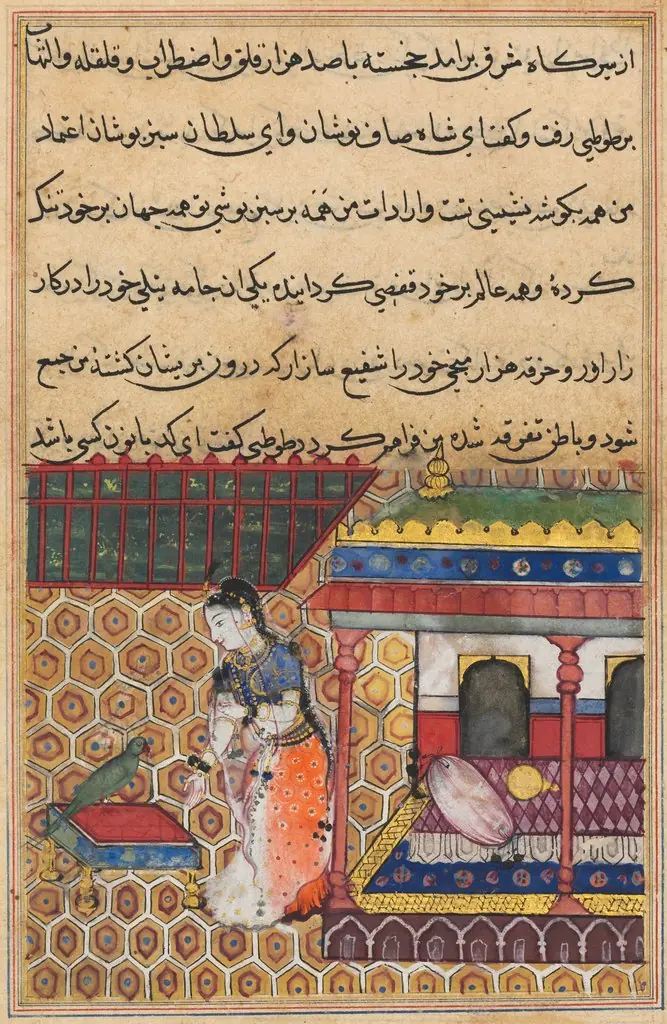 The parrot addresses Khujasta at the beginning of the thirty-eighth night, from a Tuti-nama (Tales of a Parrot)
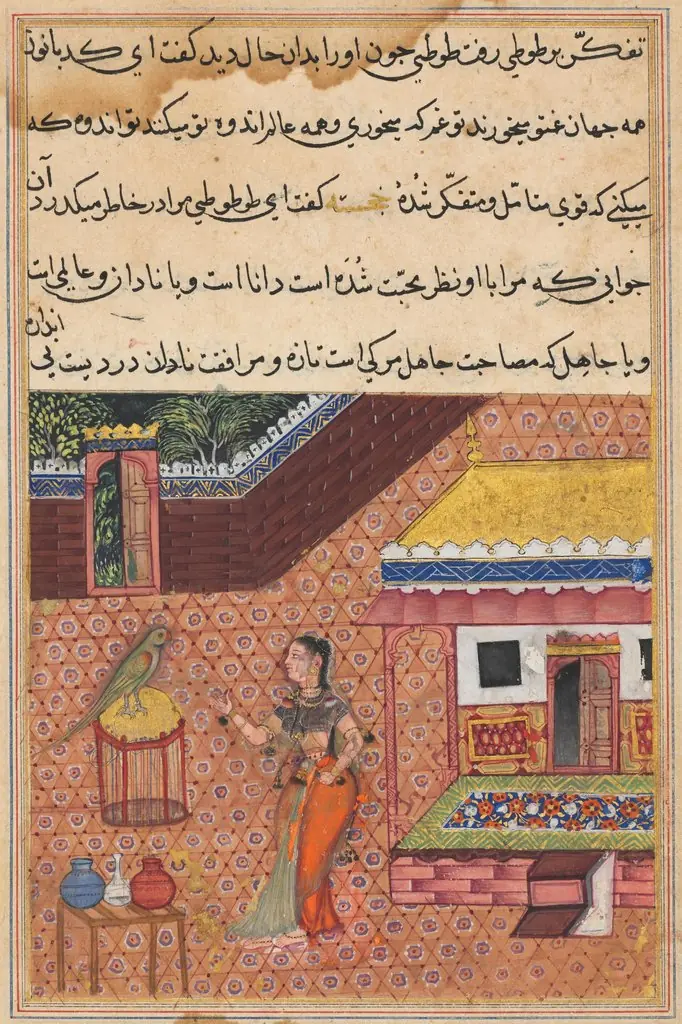 The parrot addresses Khujasta at the beginning of the thirty-fourth night, from a Tuti-nama (Tales of a Parrot)
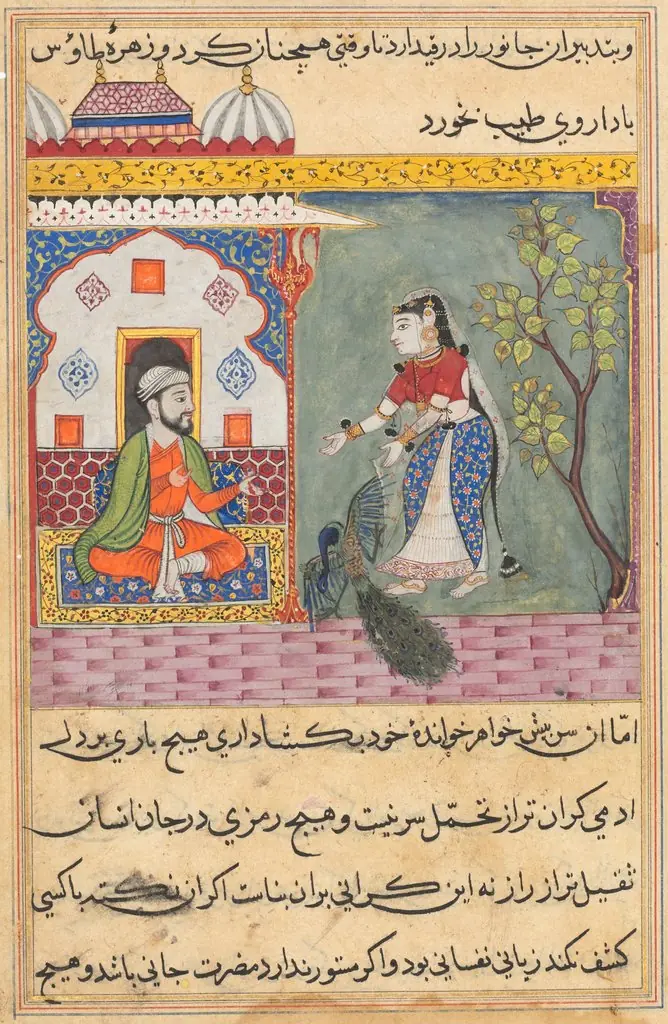 The Brahman’s wife who killed a peacock and ate its gallbladder on the physician’s advice, from a Tuti-nama (Tales of a Parrot): Nineteenth Night
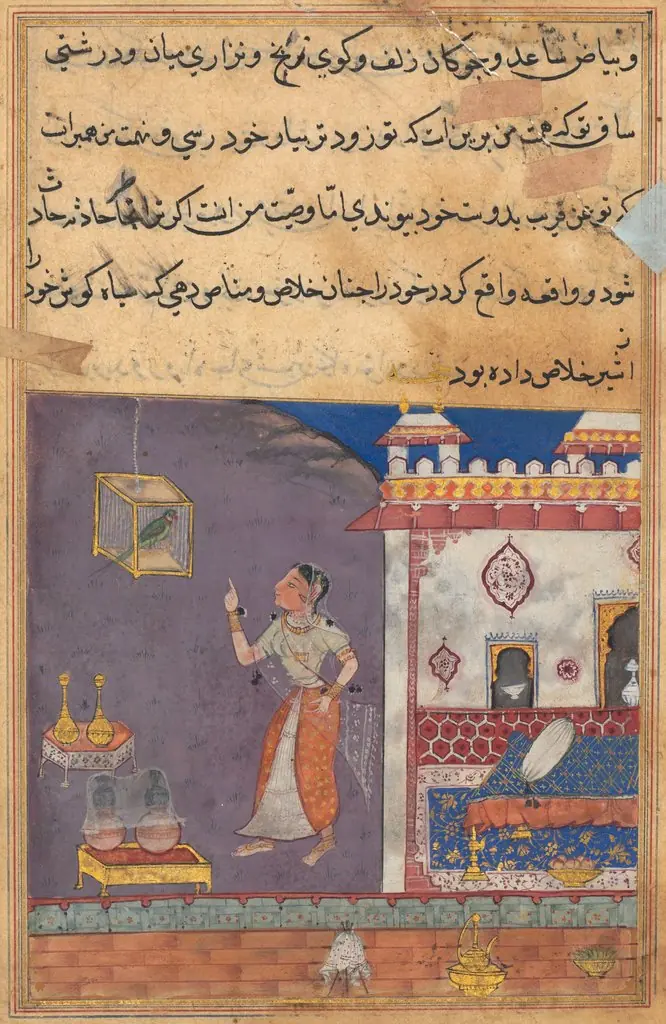 The Parrot Addresses Khujasta at the Beginning of the Twenty-ninth Night, from a Tuti-nama (Tales of a Parrot)
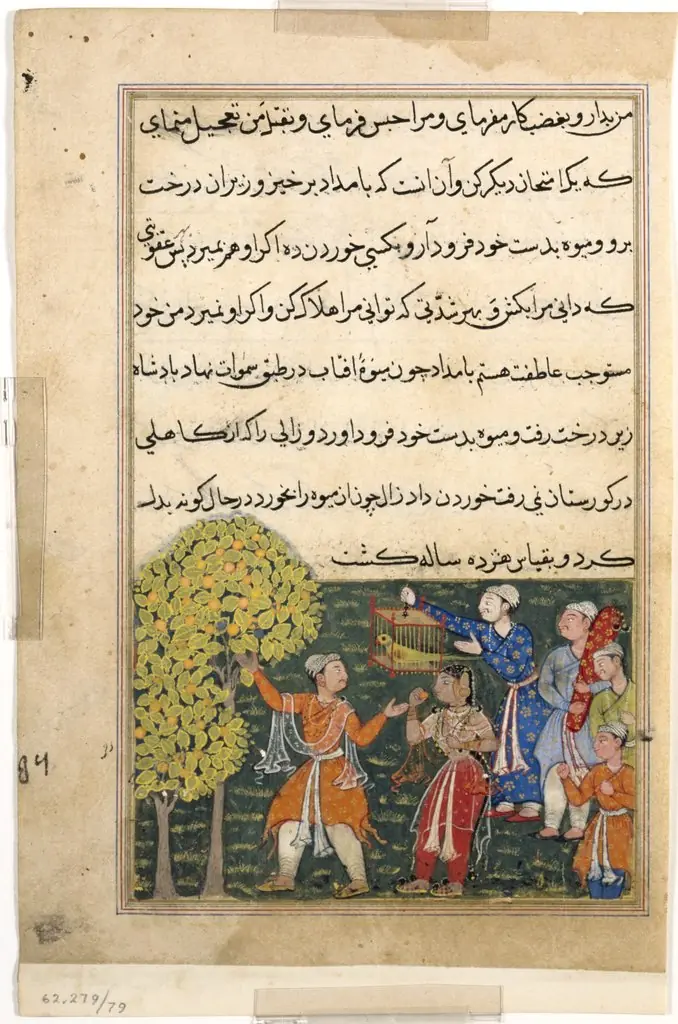 The king plucks fruit from the Tree of Life with his own hands and feeds it to a lady, from a Tuti-nama (Tales of a Parrot): Ninth Night
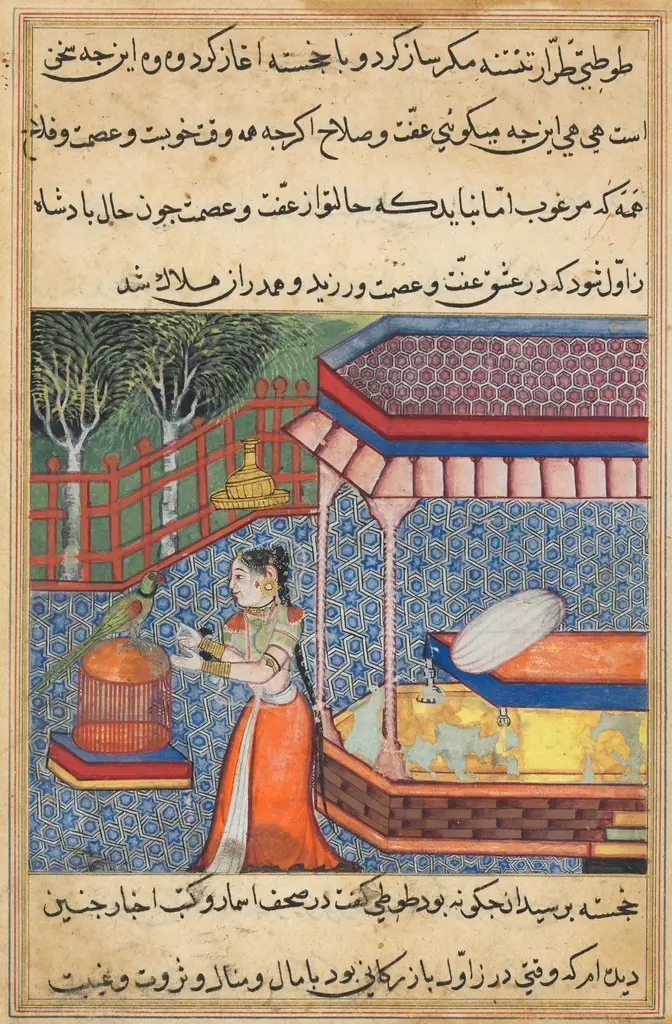 The parrot addresses Khujasta at the beginning of the thirty-sixth night, from a Tuti-nama (Tales of a Parrot)
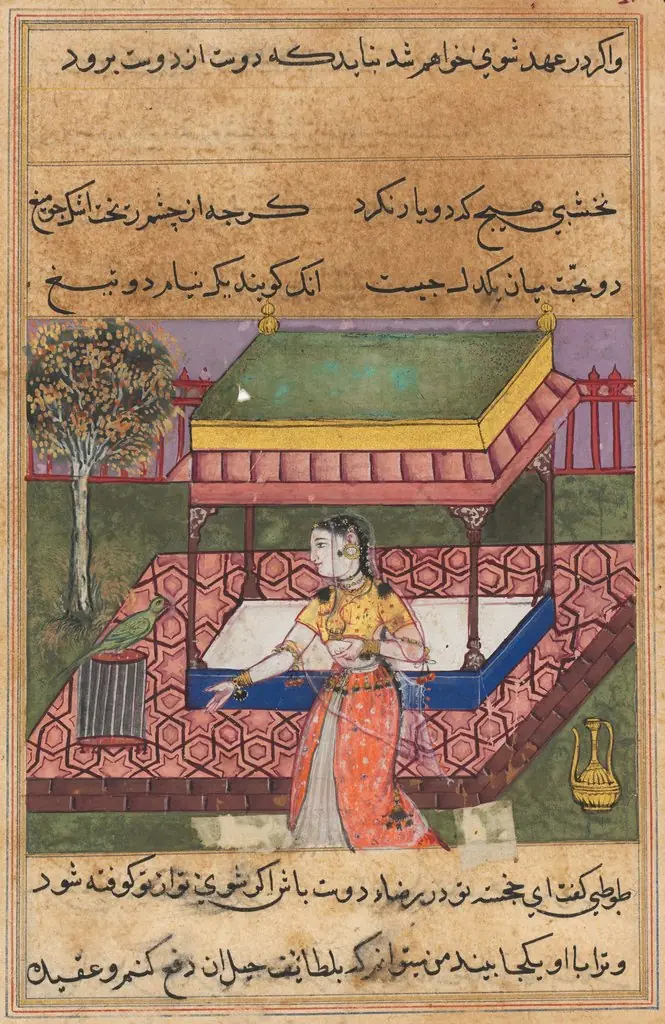 The parrot addresses Khujasta at the beginning of the fortieth night, from a Tuti-nama (Tales of a Parrot)
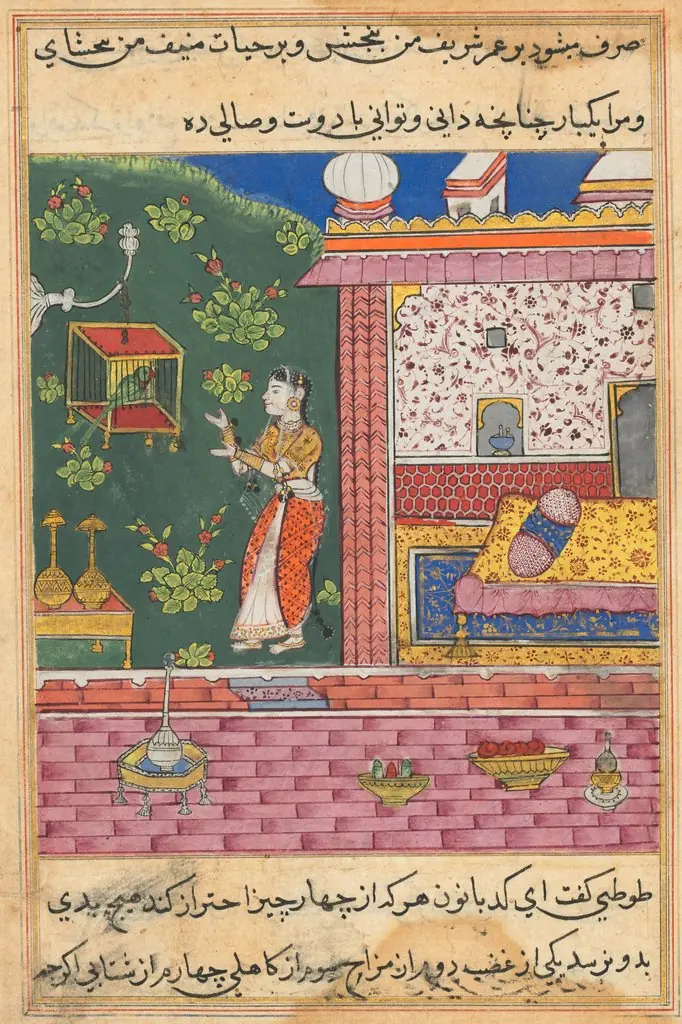 The Parrot Addresses Khujasta at the Beginning of the Thirtieth Night, from a Tuti-nama (Tales of a Parrot)
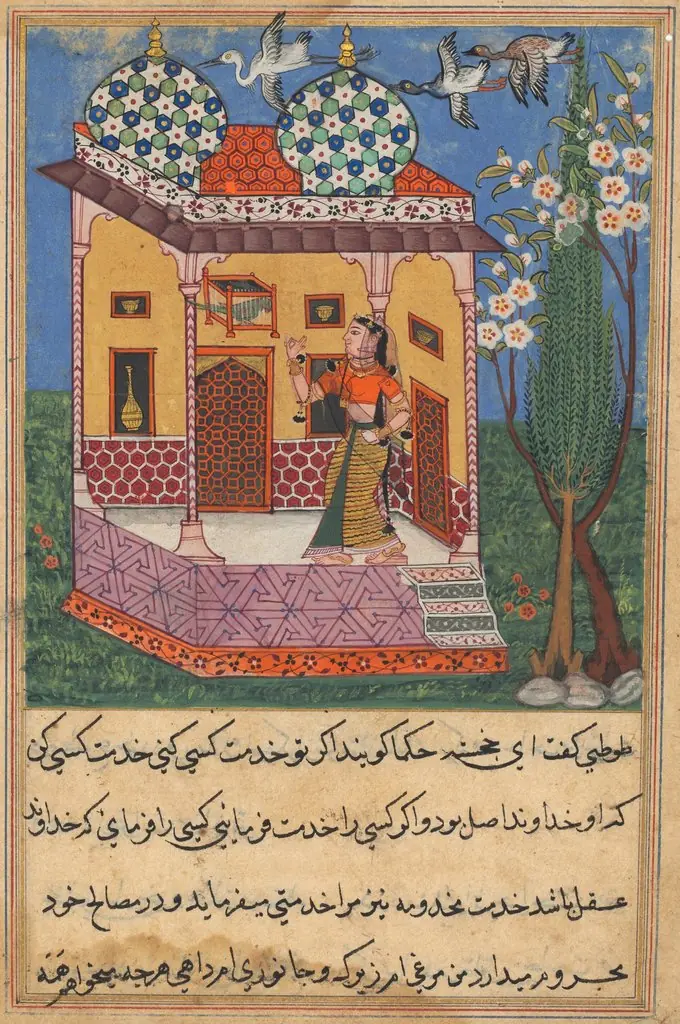 The Parrot Addresses Khujasta at the Beginning of the Twenty-sixth Night, from a Tuti-nama (Tales of a Parrot)
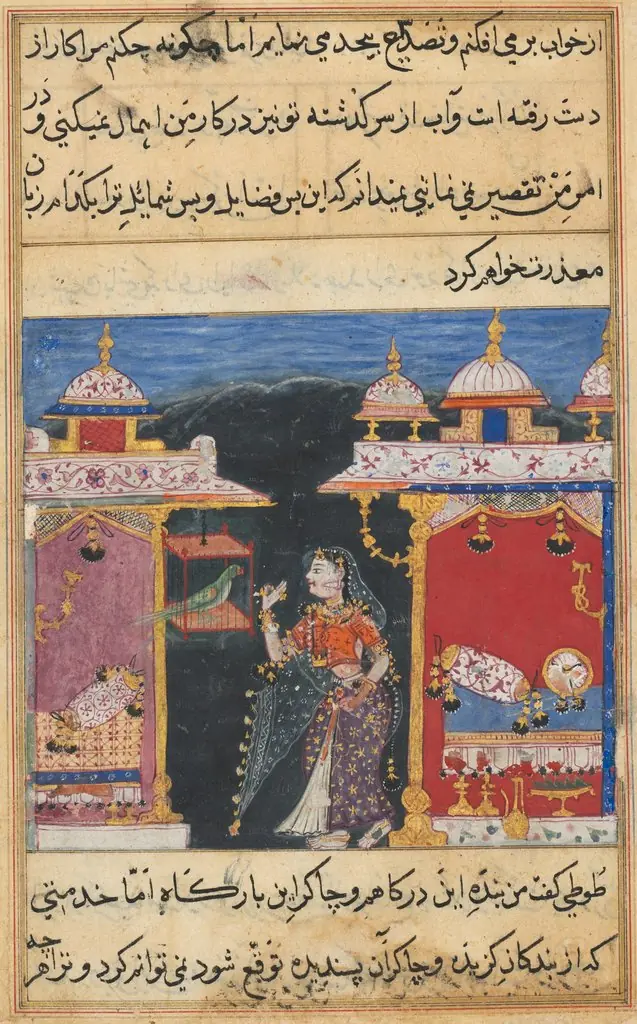 The Parrot Addresses Khujasta at the Beginning of the Seventh Night, from a Tuti-nama (Tales of a Parrot)
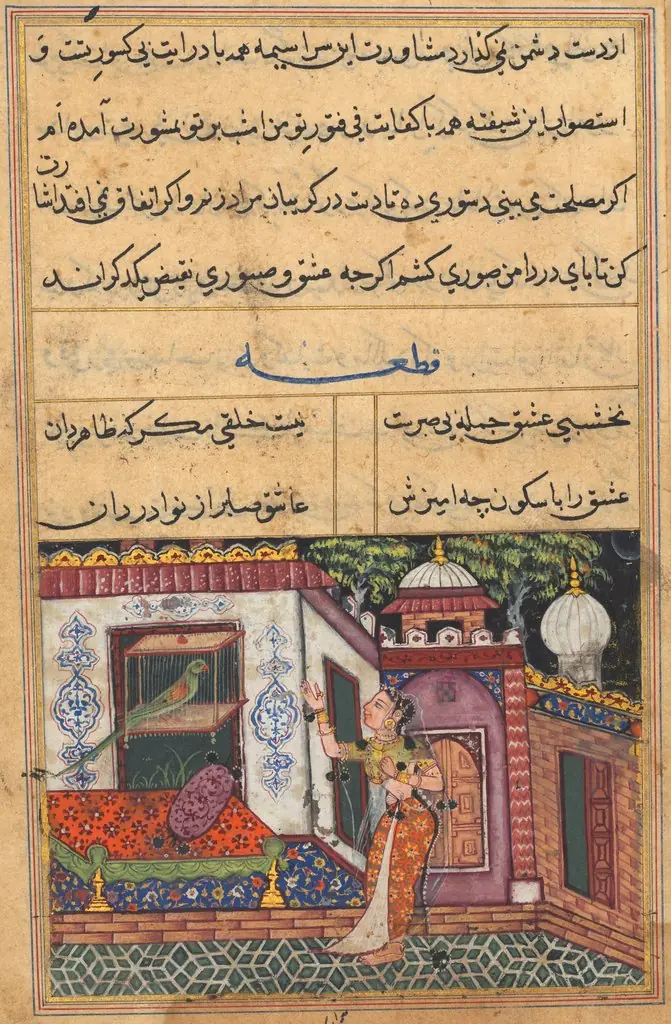 The Parrot Addresses Khujasta at the Beginning of the Eleventh Night, from a Tuti-nama (Tales of a Parrot)
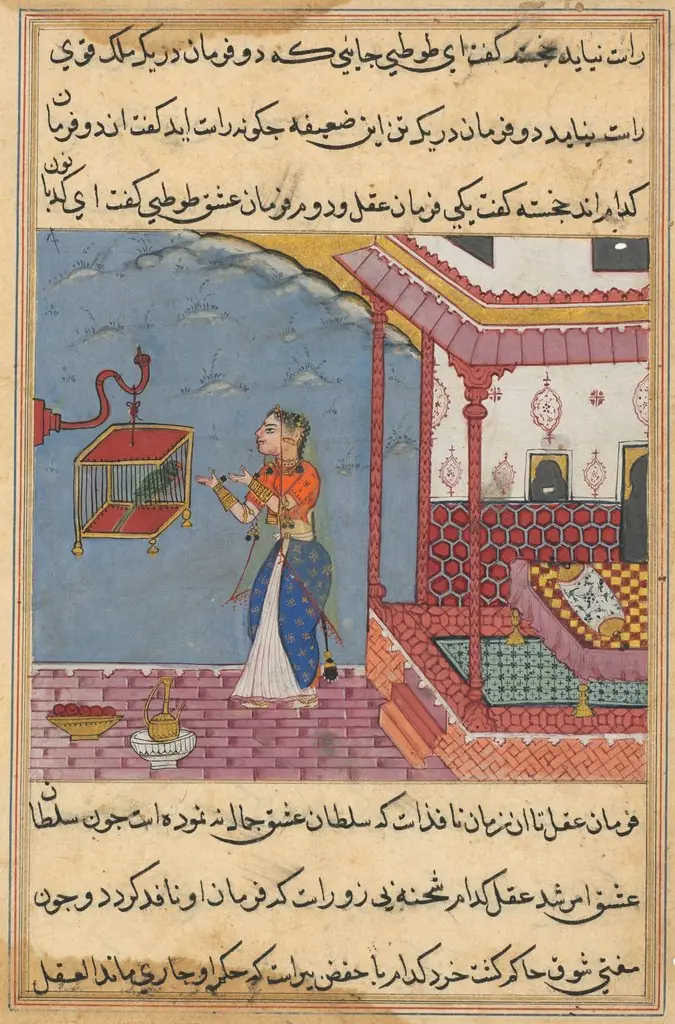 The Parrot Addresses Khujasta at the Beginning of the Twenty-Fourth Night, from a Tuti-nama (Tales of a Parrot)
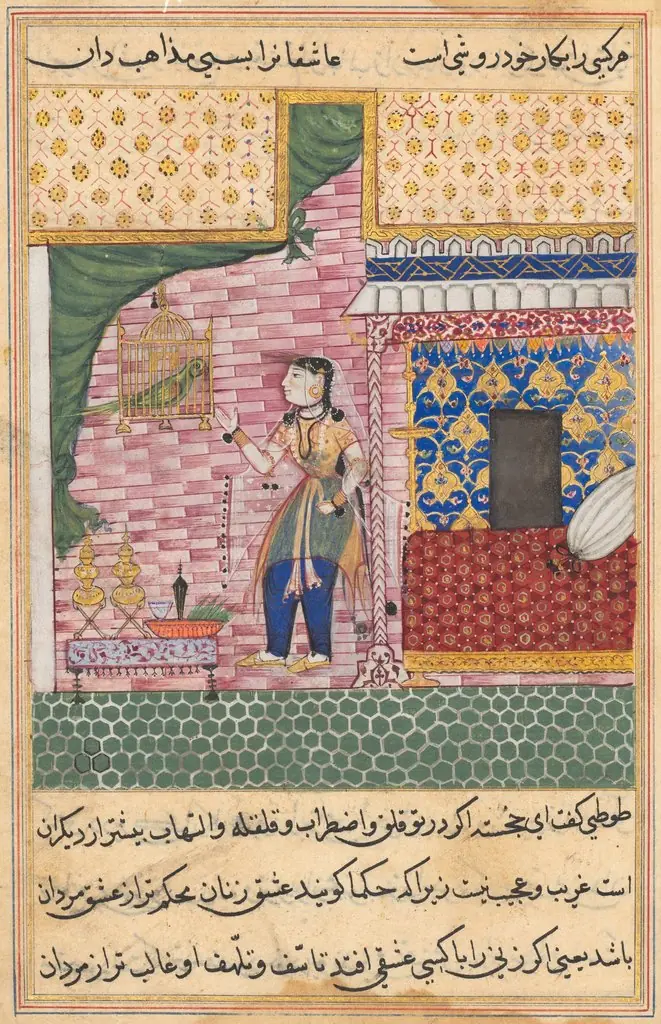 The Parrot Addresses Khujasta at the Beginning of the Seventeenth Night, from a Tuti-nama (Tales of a Parrot)