Artwork
Portrait of a Man and His Son
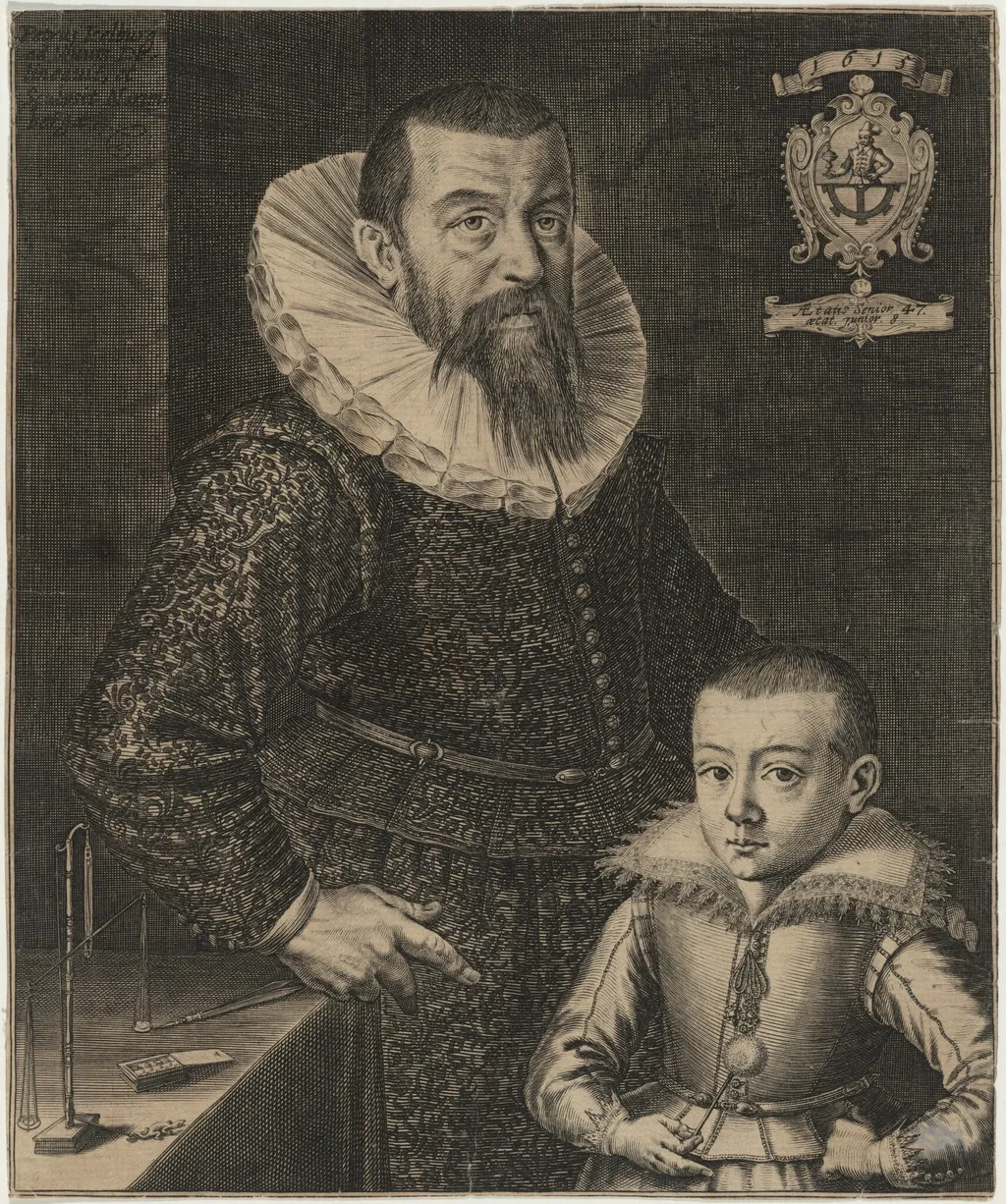
Portrait of a Man and His Son is an ink print by the Baroque artist Peter Isselburg. It dates from 1615 and is held in the collection of the National Gallery of Art.
About this work
Overview
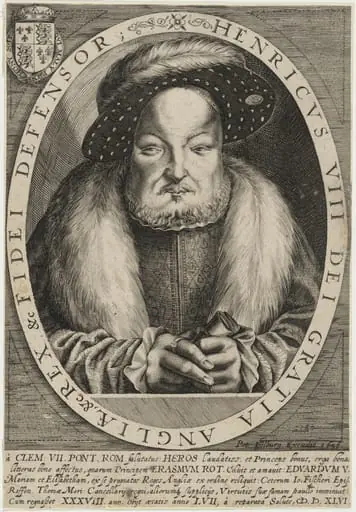
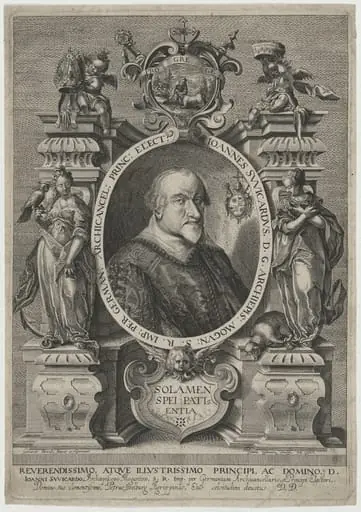
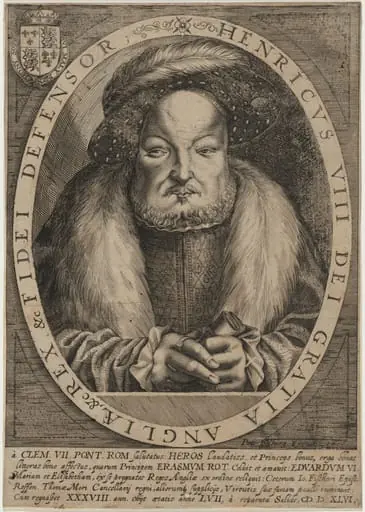
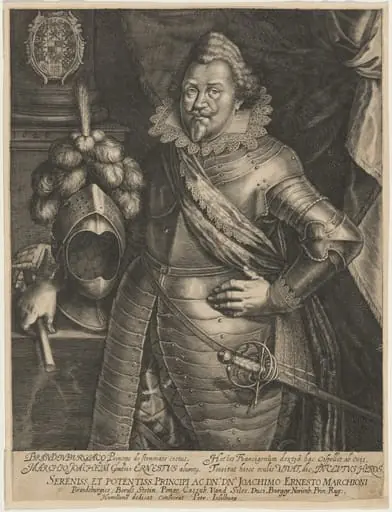
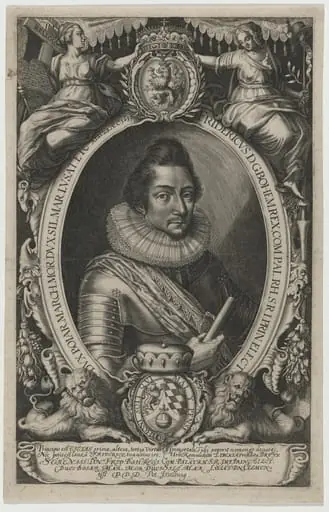
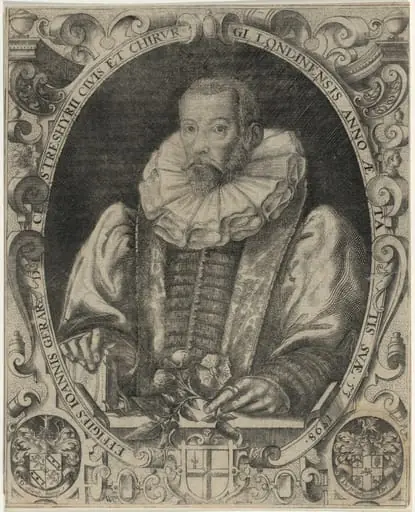
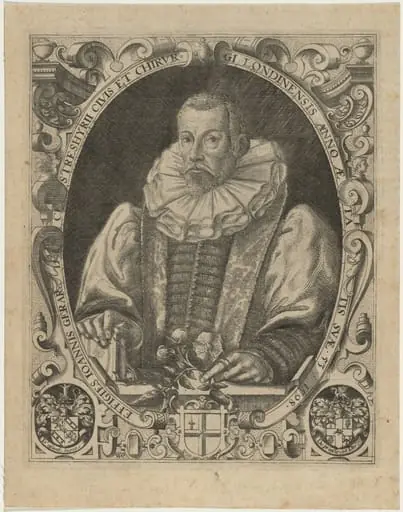
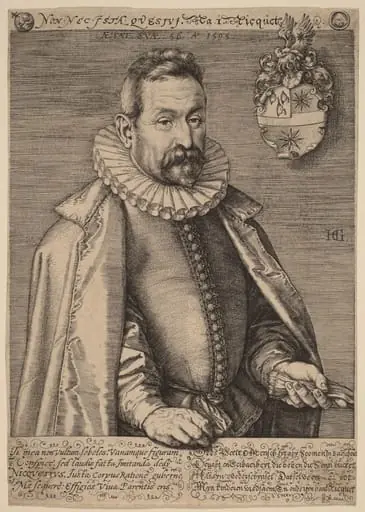
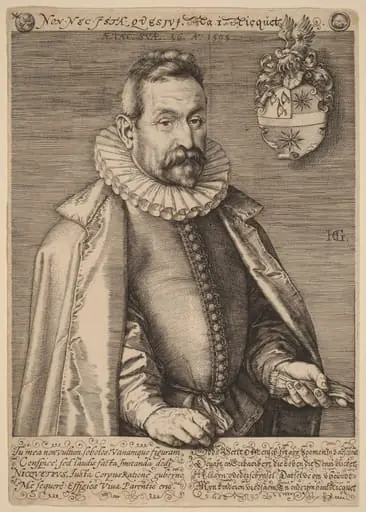
Peter Isselburg’s 1615 engraving titled *Portrait of a Man and His Son* presents a father and child in a formal interior. Rendered in black‑and‑white, the image captures the figures in detailed attire, set against a curtained backdrop and topped with a heraldic device in the upper right corner.
Subject & Meaning
The work depicts a bearded gentleman wearing a ruff and patterned doublet, standing protectively beside a younger boy clad in a fur‑lined coat. The father’s hand rests on the child’s shoulder, suggesting paternal guidance, while the boy clutches a small object, perhaps a token of status or education.
Technique & Style
Isselburg employs fine, intersecting lines and cross‑hatching to model the textures of fabric, skin, and hair, creating a sense of depth without colour. The careful modulation of light and shadow, typical of early 17th‑century portrait engravings, emphasizes the richness of the clothing and the solemnity of the figures.
History & Provenance
Created in 1615, the engraving reflects the period’s demand for portable, reproducible portraits among the emerging bourgeoisie. While specific ownership records are scarce, the presence of a coat of arms suggests the sitters were members of a family seeking to assert lineage through printed portraiture.
Context
In the early Baroque era, engravers like Isselburg played a crucial role in disseminating images of the elite across Europe. Such prints served both as personal memorabilia and as visual affirmations of social rank, bridging the gap between painted portraiture and the growing market for affordable art.
Artist & collection