Artwork
Portrait of a Man
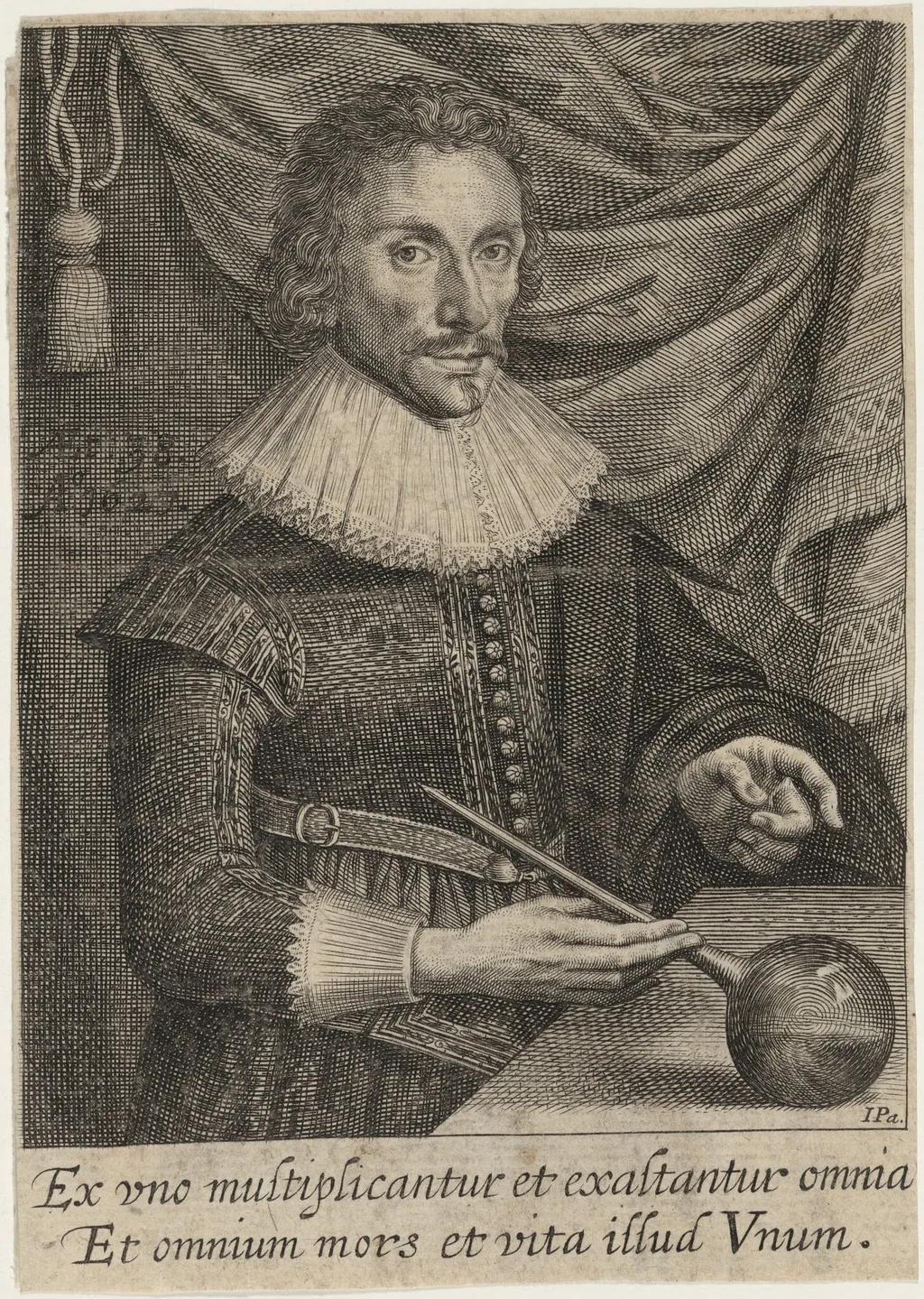
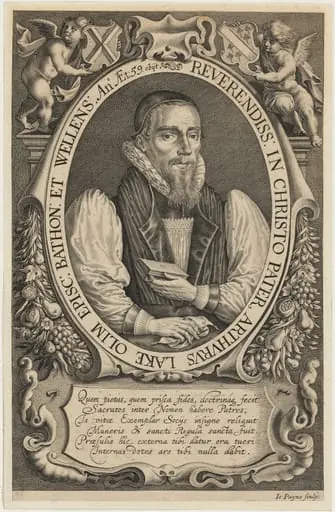
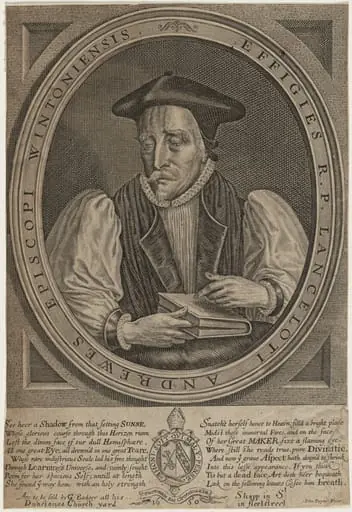
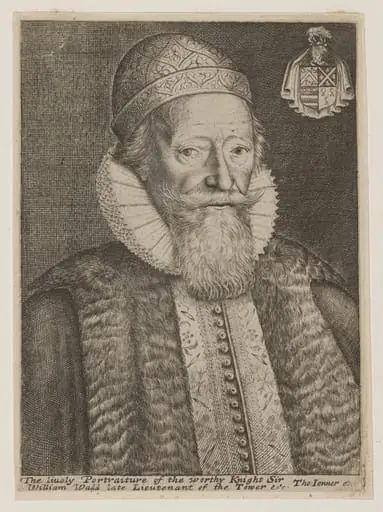
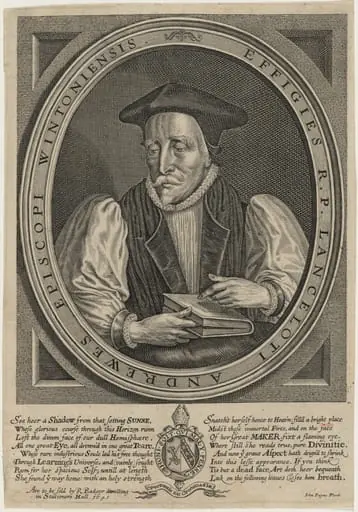
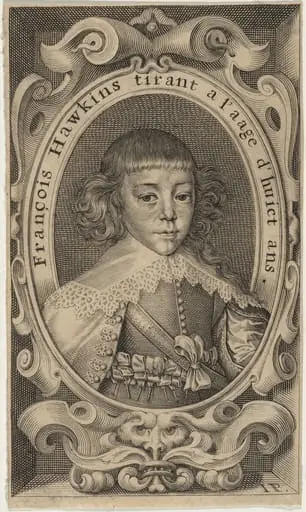
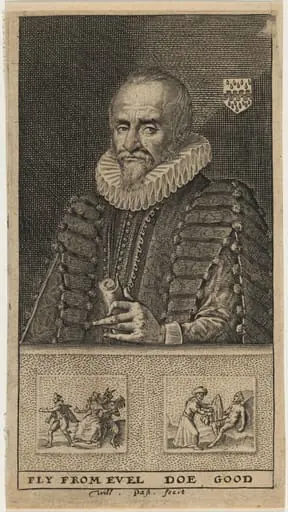
Portrait of a Man is an ink print by the Baroque artist John Payne. It dates from 1627 and is held in the collection of the National Gallery of Art.
About this work
Overview
Portrait of a Man is a 1627 engraving by John Payne, an early native English engraver. Created during the reign of Charles I, it represents an important milestone in the development of English printmaking.
Subject & Meaning
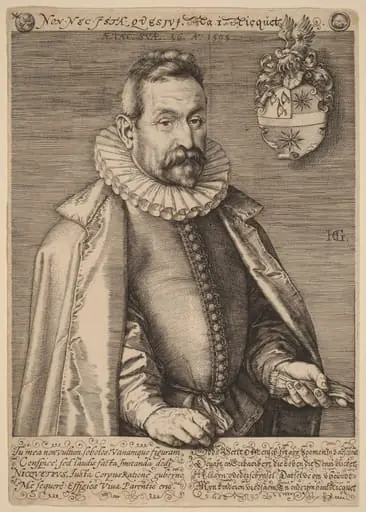
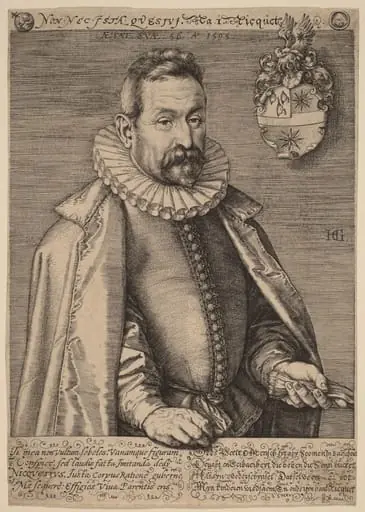
The engraving depicts a single, unidentified male figure in a simple, direct manner characteristic of period portrait engravings. His attire, including a dark, textured jacket and high collar, and his pose, holding an object while resting a hand on his chest, convey a sense of subdued formality.
Technique & Style
Payne employed fine lines and nuanced shading to achieve depth, particularly in rendering the fabric textures and the subject's curly hair and mustache. The plain background emphasizes the figure, while the artist's use of metal plate engraving techniques highlights the medium's capabilities.
History & Provenance
As one of John Payne's notable works, this engraving contributed to establishing engraving as a respected art form in early 17th-century England. Payne, active from 1607 to 1647, was among the first successful native-born English engravers.
Context
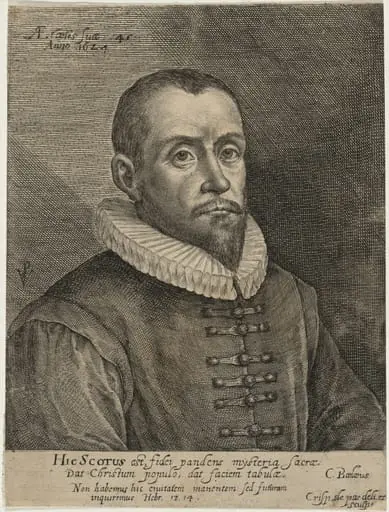
Produced during Charles I's reign, the work reflects the growing appreciation for printmaking in England. The inclusion of a Latin motto (though partially illegible) suggests an appeal to a potentially learned or aristocratic audience.
Artist & collection
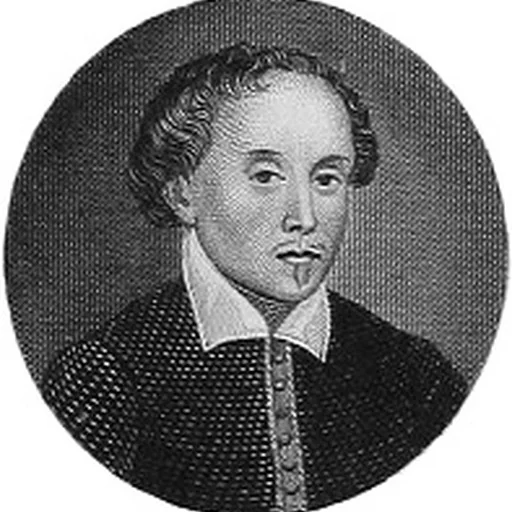
Artist
John Payne (1607–1647) was an English engraver, who was one of the earliest exponents of the art of engraving in England. His best work was the finest produced by a native-born engraver working during the reign of Charles I.