Artwork
Head of a Roman Emperor
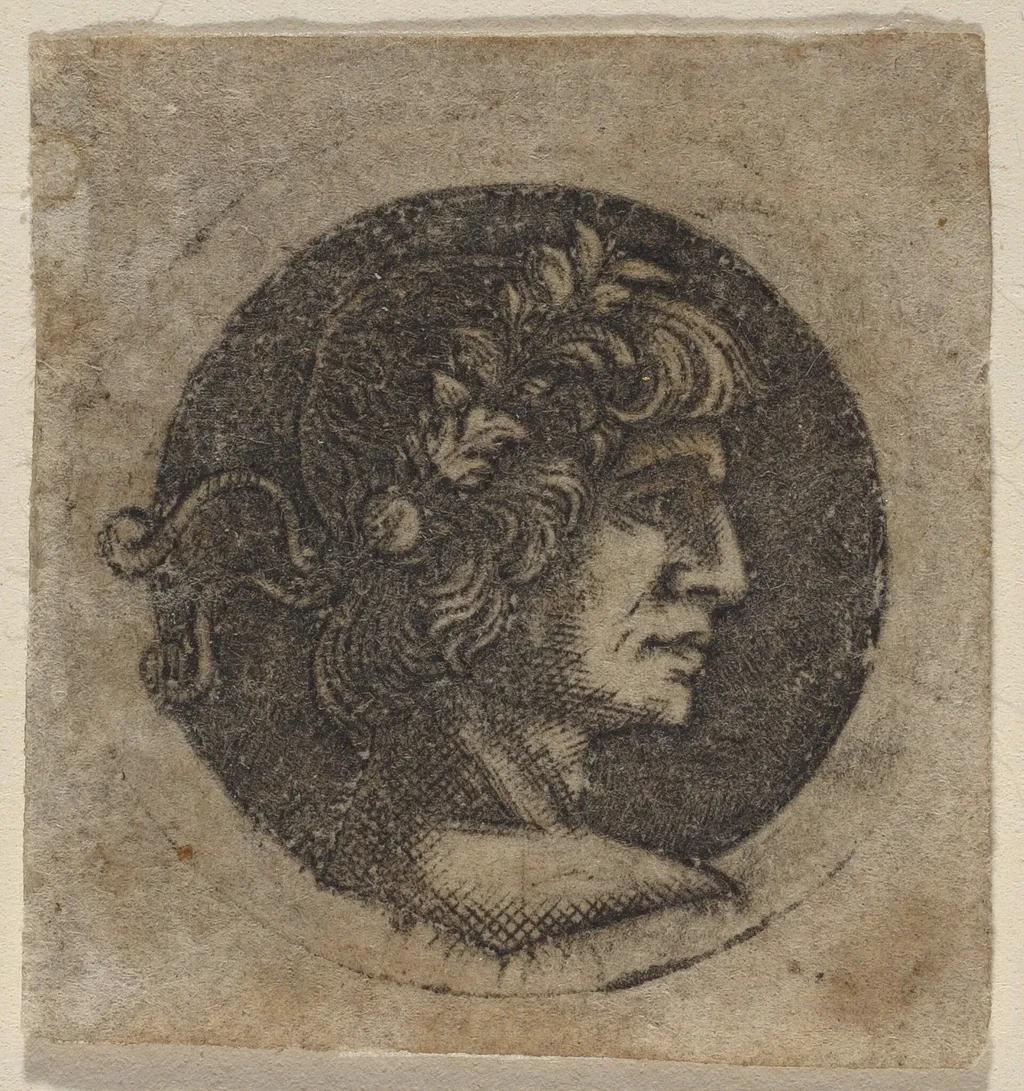
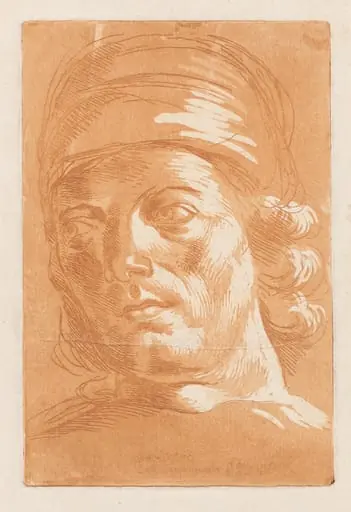
Head of a Roman Emperor is a print by the Renaissance artist Italian 15th Century. It dates from 1480 and is held in the collection of the National Gallery of Art. This niello print depicts a stylized portrait of a Roman emperor, rendered in high-contrast black on a muted metal surface.
About this work
Overview
This niello print depicts a stylized portrait of a Roman emperor, rendered in high-contrast black on a muted metal surface.
This niello print depicts a stylized portrait of a Roman emperor, rendered in high-contrast black on a muted metal surface. The image is small in scale and emphasizes texture over detail, using incised lines to form a haunting, abstracted face. The technique, rooted in medieval metalwork, was adapted in the Renaissance for intimate portraiture, often used in decorative objects or seals rather than large-scale display.
Subject & Meaning
The subject is likely an idealized Roman ruler, though no specific emperor is identifiable. The blurred features and chaotic hair suggest a symbolic representation rather than a likeness, evoking authority through abstraction. The lack of clear identity may reflect a Renaissance fascination with antiquity as a generalized ideal, not a historical record, emphasizing power and permanence over individuality.
Technique & Style
Niello involves engraving a design into metal, filling the grooves with a black alloy of sulfur, copper, and lead, then polishing the surface to reveal the contrast. Here, the artist used coarse, energetic incisions to suggest form through texture rather than precision. The result is a somber, almost smoky effect, where the face emerges from darkness through implied contours rather than defined anatomy.
History & Provenance
Niello prints of this type were produced in Italy during the 15th and early 16th centuries, often for private collectors or as decorative elements on boxes and reliquaries. This piece likely originated in a workshop specializing in small metalwork, possibly in Florence or Rome. Its survival suggests it was valued for its craftsmanship, though its exact origin and early ownership remain undocumented.
Context
During the Renaissance, artists frequently drew from classical antiquity to lend gravitas to contemporary works. Niello, though an older technique, was revived for its ability to produce sharp, durable images on metal. This print reflects a broader trend of reinterpreting Roman imperial imagery through medieval and early modern craft traditions, blending historical reverence with artisanal innovation.
Legacy
Niello portraiture declined after the 16th century as engraving and etching on paper became more accessible. This work stands as a rare example of how metal-based techniques were used to convey classical themes in a tactile, intimate format. Today, such pieces are studied for their technical ingenuity and as artifacts of Renaissance engagement with ancient Rome beyond painting and sculpture.
Artist & collection

Artist
This anonymous Italian engraver from the 1490s carved images that could be peeled apart like paper dolls—each knot in the "First Knot" print was cut from a single sheet so you could lift the loops right off the page.

![The Destruction of the Egyptian Idols [verso], by Italian 15th Century](https://artifactworldgallery.com/img/italian-15th-century--the-destruction-of-the-egyptian-idols-verso--646d3c2b8098cfee-w320.webp)
![The Flight into Egypt [recto], by Italian 15th Century](https://artifactworldgallery.com/img/italian-15th-century--the-flight-into-egypt-recto--8f4d5275d7f90f98-w320.webp)
 Head of a Man
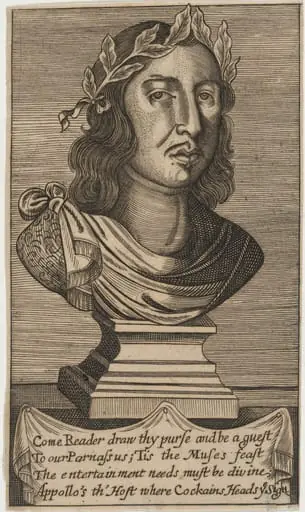 Sir Aston Cokayne
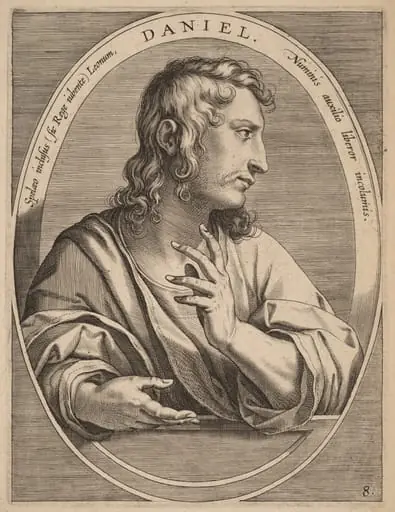 Daniel
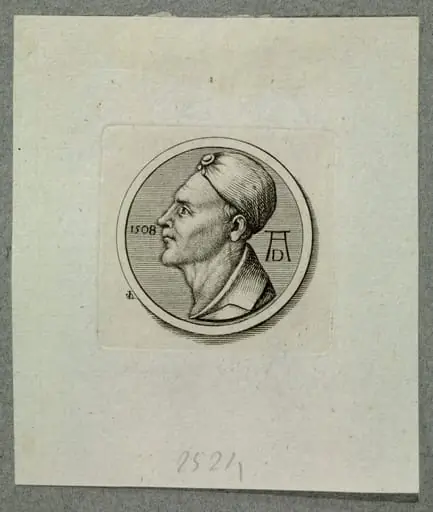 Bildnis des Michael Wolgemut
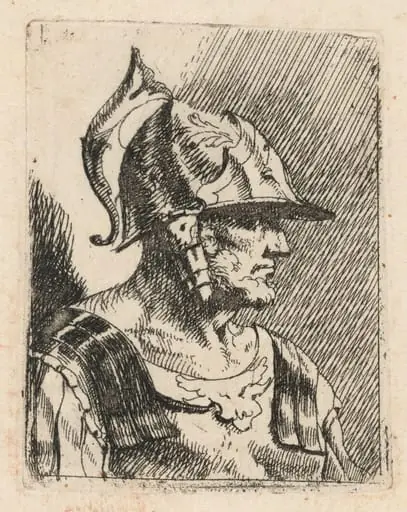 Bust of a Bearded Warrior
 Turkish sultans, sultanas and other historical figures
 Laureated Bust of a Roman Emperor Facing Left (one of 29 painted panels from a frieze)
 Turkish sultans, sultanas and other historical figures
 Martin Luther
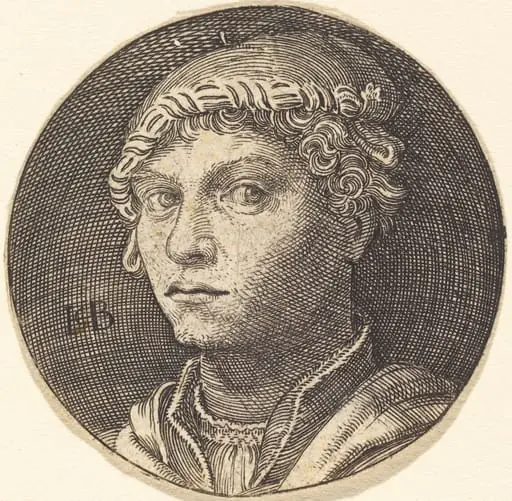 Portrait of a Young Man (V.H. Reinnier)
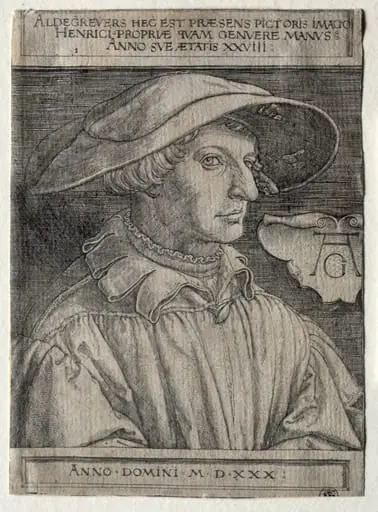 Self-Portrait
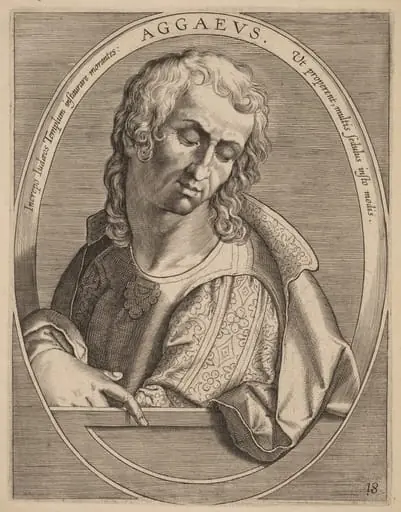 Aggaeus